

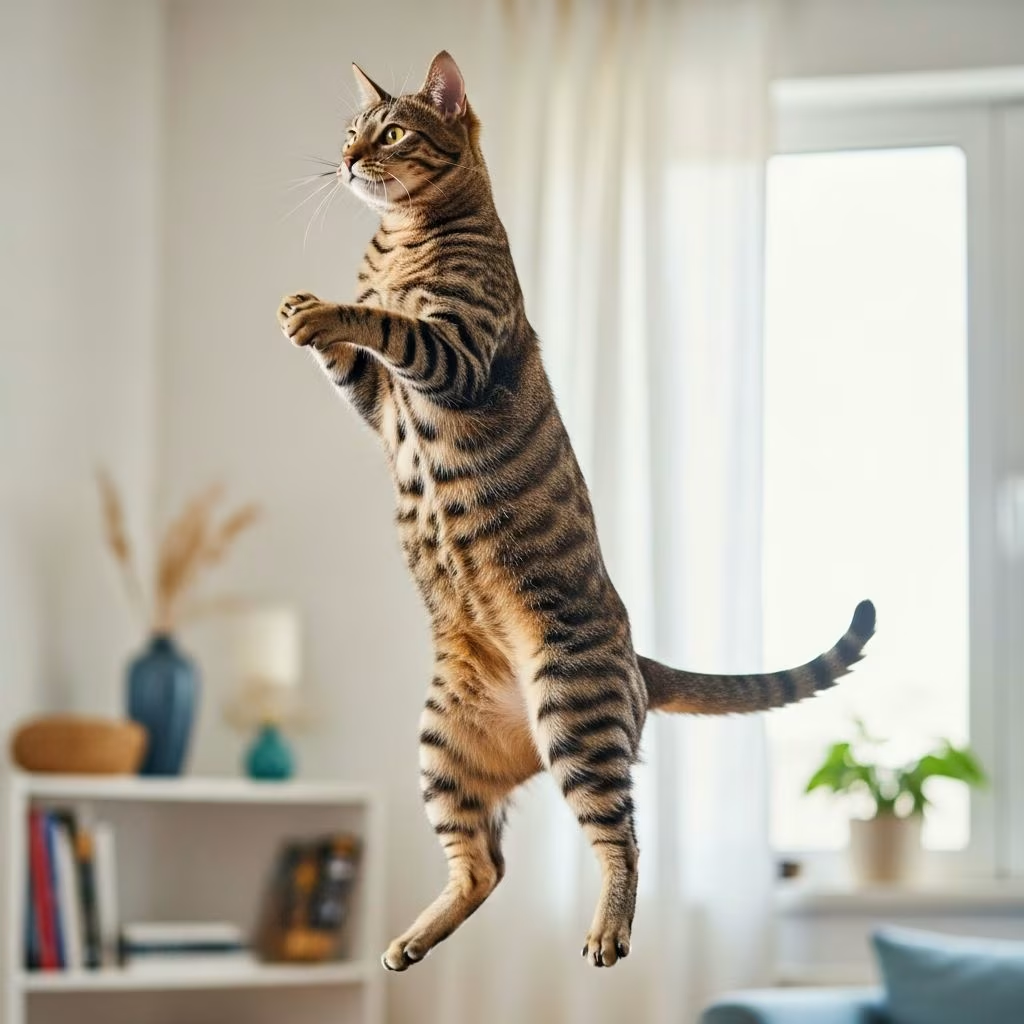
Cats possess an remarkable natural ability to leap and climb, a behavior rooted in their evolutionary history as hunters and survivors. However, when your feline companion jumps onto countertops, furniture, or other off-limit areas, this instinctive behavior can quickly become frustrating for pet owners. Understanding the underlying reasons for jumping, recognizing when it signals health concerns, and implementing effective management strategies can help create harmony between your jumping cat and your household needs.
The Evolutionary Purpose of Jumping in Cats
Cats didn’t develop their jumping abilities overnight. Their capacity to reach high places stems from millions of years of evolution as predators and prey animals. In the wild, height provided survival advantages—allowing cats to scout for potential prey while remaining hidden from larger predators. This three-dimensional approach to navigating their environment became hardwired into feline biology and behavior.
When your indoor cat jumps to elevated surfaces, they’re not being deliberately disobedient. Instead, they’re expressing deeply ingrained instincts that remain active regardless of domestication. Cats seek high perches to observe their territory, feel secure, and maintain a sense of control over their environment. Understanding this foundational motivation helps pet owners approach jumping management with empathy rather than frustration.
Common Reasons Behind Excessive Jumping
While all cats jump naturally, excessive jumping onto inappropriate surfaces often signals specific underlying causes. Identifying these reasons is the first step toward effective intervention.
Seeking Safety and Security
One primary motivation for jumping relates to a cat’s need for safety. Cats that feel threatened, anxious, or nervous will seek high ground as a refuge. This behavior becomes especially pronounced in multi-cat households where tensions exist between feline residents. A cat jumping to high furniture may be establishing dominance or creating physical distance from a competing cat. Similarly, cats recovering from illness or injury often retreat to elevated spaces to avoid interference.
Boredom and Insufficient Stimulation
Indoor cats require mental and physical engagement to thrive. When environmental enrichment is lacking, cats may develop unwanted jumping behaviors as a form of entertainment. A bored cat discovers that jumping onto countertops provides novelty—whether through access to interesting objects, the act of knocking items down for amusement, or gaining your attention through the behavior. Each successful jump reinforces the behavior, making it more likely to recur.
Hunting and Predatory Instincts
Countertops and high furniture often contain objects that trigger hunting instincts. A cat may jump to pursue a fly, reach at window birds, or investigate moving objects on shelves. Even household items can become prey in a cat’s mind, leading to jumping behavior followed by batting objects to the floor—a natural hunting pattern adapted from how cats disable prey in nature.
Attention-Seeking Behavior
Many cats learn that jumping to forbidden places reliably produces a reaction from their owners. Whether the response is chasing them down, vocally correcting them, or engaging with them physically, the cat receives attention—which, from a behavioral perspective, is rewarding. This creates a cycle where jumping is reinforced through your response, regardless of whether the attention seems negative to you.
Health Considerations Related to Jumping Difficulties
While normal jumping is healthy behavior, changes in a cat’s jumping ability can indicate underlying health concerns requiring veterinary attention.
Recognizing Mobility Issues
If your cat previously jumped easily but now hesitates, fails, or avoids jumping to familiar high places, this represents a significant behavioral shift warranting veterinary evaluation. Senior cats experiencing reduced jumping capacity may be dealing with joint-related conditions. Cats may also begin climbing with their front paws rather than jumping, compensating for hind leg discomfort or weakness. Any noticeable change in your cat’s mobility patterns deserves professional assessment.
Osteoarthritis and Joint Conditions
Osteoarthritis stands as one of the most common mobility-related conditions affecting older cats. This degenerative joint disease causes cartilage and protective joint fluid to wear away, resulting in painful bone-to-bone contact. Unlike dogs, cats often hide arthritis symptoms effectively, displaying subtle changes that owners might attribute to normal aging rather than medical conditions. A senior cat that still appears healthy in other respects but has stopped jumping may be experiencing arthritis pain.
Cats with arthritis typically show reduced jumping frequency, preference for lower surfaces, extended resting periods, or reluctance to engage in previously enjoyed activities. Some cats compensate by using their front claws to pull themselves up rather than performing complete jumps, indicating rear limb discomfort.
Weight and Metabolic Factors
Obesity significantly impacts a cat’s jumping ability and can exacerbate joint problems. Excess weight increases mechanical strain on joints and may contribute to or worsen arthritis symptoms. Additionally, overweight cats may experience reduced energy levels and stamina. Working with a veterinarian to establish appropriate nutrition and portion control represents an important component of managing mobility and overall health.
Other Health Factors Affecting Jumping
Various conditions beyond arthritis can impact jumping ability, including:
- Neurological disorders affecting coordination and muscle control
- Musculoskeletal injuries such as fractures, dislocations, or strains
- Infectious diseases or systemic illness
- Hyperthyroidism, which commonly affects senior cats and causes excessive activity or, conversely, reduced engagement
- Behavioral conditions triggered by anxiety or pain
Determining the specific cause requires veterinary expertise, often involving physical examination, possibly X-rays, and discussion of your cat’s behavioral history and changes.
Differentiating Normal Jumping from Problematic Behavior
Not all jumping requires intervention. Understanding which jumping behaviors are healthy expressions of feline nature versus problematic habits helps you respond appropriately.
Normal and Beneficial Jumping
Healthy jumping includes:
- Reaching appropriate cat furniture and trees designed for climbing
- Jumping during playful engagement with toys or interactive activities
- Brief perching on high furniture as part of normal exploration
- Jumping accompanied by normal energy levels and enthusiasm
Problematic Jumping Behaviors
Concerning patterns include:
- Repeated jumping onto counters during food preparation or meals
- Jumping accompanied by destructive behaviors like knocking items down
- Constant, restless jumping suggesting insufficient exercise or stimulation
- Sudden changes in jumping patterns indicating possible health issues
- Jumping combined with signs of pain, hesitation, or incomplete movements
Environmental Modification Strategies
Creating an environment that discourages jumping to inappropriate surfaces while providing acceptable alternatives forms the foundation of behavior management.
Creating Unpleasant Consequences
Make forbidden surfaces less rewarding for your cat. Motion-activated air sprays can startle cats away from counters without direct punishment or your involvement. Aluminum foil or double-sided tape placed on counter edges creates tactile deterrents—cats dislike the texture. Removing food items and interesting objects from countertops eliminates rewards for jumping. During meal preparation, confine your cat to another room rather than allowing kitchen access, preventing the association between countertops and food rewards.
Providing Legitimate High Perches
Rather than only preventing unwanted jumping, provide appropriate outlets for your cat’s natural desire to reach high places. Cat trees, wall-mounted shelves, and furniture designed specifically for feline use channel jumping behavior into acceptable areas. Position these alternatives near windows or in high-traffic areas where your cat can observe their environment while using appropriate surfaces. Many cats will naturally prefer proper cat furniture when these options are available and prominent in their space.
Accessibility Adjustments
Make undesirable high places more physically challenging to access. Removing furniture that serves as launching points to counters, clearing pathways on high surfaces to eliminate convenient perching spots, or rearranging your furniture layout can reduce jumping opportunities. For cats with mobility concerns, create environments that minimize necessary jumping—using low-sided litter boxes, placing food and water bowls on floor level or only slightly elevated, and keeping frequently used items on lower surfaces.
Behavioral Training and Enrichment Approaches
Addressing the underlying motivations for jumping through training and enrichment provides long-term solutions rather than temporary fixes.
Increasing Physical Exercise
Many cats jumping excessively are under-exercised. Interactive play sessions using toys like feather wands, string toys, or laser pointers encourage sustained physical activity. These sessions should occur multiple times daily, lasting 10-15 minutes each. Play that mimics hunting—with acceleration, deceleration, and varied movements—tires cats mentally and physically, reducing excess energy directed toward unwanted jumping.
Mental Stimulation and Enrichment
Puzzle feeders, treat-dispensing toys, and food-hiding games engage your cat’s problem-solving abilities and provide mental challenge. Rotating toys regularly maintains novelty. Window perches offering bird and outdoor watching provide built-in entertainment. Some cats benefit from supervised outdoor access via catios or harness training, exposing them to new sensory experiences.
Positive Reinforcement of Desired Behavior
When your cat uses appropriate surfaces or avoids jumping to forbidden areas, reward this behavior immediately with treats, praise, or play. This positive reinforcement is more effective long-term than punishment-based approaches. Cats don’t understand punishment as correction related to their earlier behavior; instead, punishment can create anxiety or damage your relationship with your pet.
Managing Jumping in Multi-Cat Households
In homes with multiple cats, jumping sometimes serves a territorial or social function between feline residents.
Cats establishing dominance or creating distance from competing cats will jump to high furniture to gain vertical advantage and observational superiority. Providing multiple high perches prevents competition for limited elevated spaces, reducing conflict-driven jumping. Vertical space sufficient for each cat to claim territory reduces tension and the need to jump for safety or dominance expression. Additionally, addressing any actual aggressive interactions between cats through separate resources, play sessions, and gradual reintroduction protocols helps resolve jumping behaviors rooted in social hierarchy.
Special Considerations for Senior and Arthritic Cats
Managing jumping in older cats requires balancing their natural instincts against physical limitations and pain concerns.
Supporting Continued High-Place Access
Rather than completely preventing jumping, create accessible alternatives. Pet ramps leading to favorite surfaces, stairs, or stepping stools provide pathways to high places without requiring full jumping. Many senior cats will use these gradual access routes, maintaining their ability to reach preferred perches while reducing joint strain. Heated beds placed on lower surfaces provide the security and comfort cats seek in elevated areas while accommodating mobility limitations.
Veterinary Pain Management
Cats with arthritis benefit from veterinary-supervised pain management, which may include anti-inflammatory medications, joint supplements, therapeutic injections, or other approaches. Weight management often provides significant relief by reducing mechanical stress on affected joints. Environmental modifications combined with veterinary treatment improve quality of life substantially.
Addressing the Shy or Anxious Cat
Some cats jump excessively because they’re seeking safety from perceived threats. Anxious cats may camp on high furniture, reluctant to come down. This behavior sometimes indicates insufficient secure spaces rather than problematic habits requiring punishment.
Addressing underlying anxiety involves creating multiple refuges—cat trees in quiet areas, enclosed spaces, and high perches in low-traffic zones. Pheromone diffusers, calming supplements, or veterinary behavioral support may help anxious cats feel more secure at ground level, naturally reducing excessive jumping to escape threats.
Frequently Asked Questions
How can I stop my cat from jumping on kitchen counters during meals?
Prevent access by confining your cat to another room during food preparation and dining. Remove any food items left on surfaces. Use motion-activated sprays as deterrents. Provide a cat tree or elevated perch in a nearby area where your cat can observe without accessing the countertop.
Is it normal for my senior cat to suddenly stop jumping?
Changes in jumping ability warrant veterinary evaluation, especially in older cats. While aging naturally reduces jumping capacity, sudden changes may indicate arthritis, injury, or other health conditions requiring treatment. Schedule a veterinary appointment to assess your senior cat’s mobility changes.
What’s the difference between normal playful jumping and concerning behavior?
Normal jumping occurs during play, appears effortless, and happens in appropriate contexts. Concerning patterns include excessive jumping in inappropriate locations, signs of pain or struggle, or sudden behavioral changes. Any apparent discomfort warrants veterinary attention.
Can I train my cat to only jump on specific furniture?
Yes, through environmental management and positive reinforcement. Make appropriate surfaces attractive and rewarding while making forbidden areas unattractive. Reward your cat when they use proper cat furniture, and consistently prevent access to inappropriate surfaces until habits establish.
References
- Why is my cat having trouble jumping up to high places? — Vetster. 2024. https://vetster.com/en/wellness/why-is-my-cat-having-trouble-jumping-up-to-high-places
- Why Does My Cat Jump? – Should I Be Concerned? — Dyer Animal Clinic. 2024. https://dyeranimalclinic.com/blog/cat-jump/
- Counter-Surfing Cats: Is Your Kitty a Professional? — Feline Behavior Solutions. 2024. https://felinebehaviorsolutions.com/counter-surfing-cats/
- 5 Ways to Calm Down a Crazy Cat — PetMD. 2024. https://www.petmd.com/cat/behavior/5-ways-calm-down-crazy-cat
- Keeping your cat off the counter — Animal Humane Society. 2024. https://www.animalhumanesociety.org/resource/keeping-your-cat-counter



