
Understanding Feline Biting Behavior
Discover why cats bite and how to create a safer, happier relationship
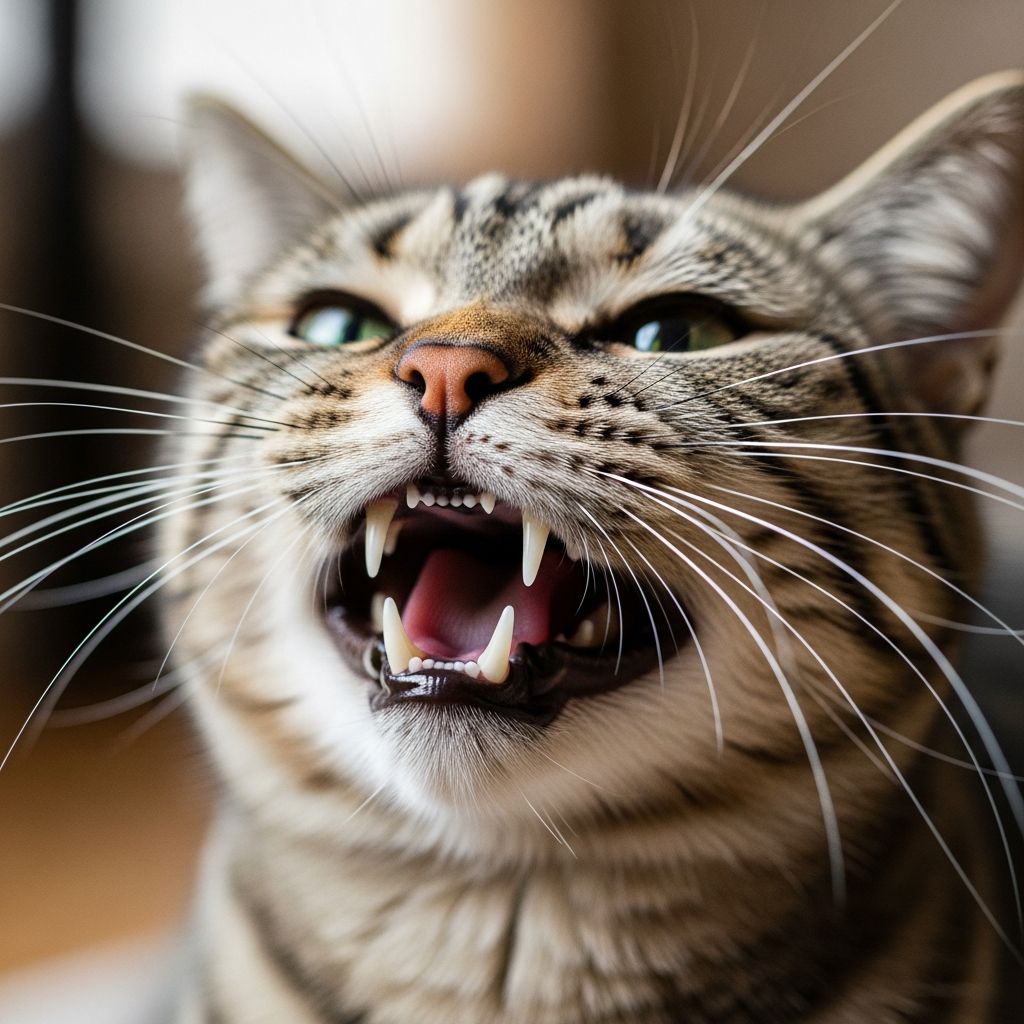
Cats communicate in complex ways, and biting is one of their most misunderstood forms of expression. Whether your cat occasionally nips during play or exhibits more aggressive biting episodes, understanding the underlying motivations is essential for developing an effective response. Unlike dogs, cats have evolved to use their teeth as a primary communication tool, making biting a natural part of their behavioral repertoire. This comprehensive guide explores the multifaceted reasons cats bite and provides actionable strategies for reducing unwanted biting while maintaining a healthy human-cat relationship.
The Playful Nibble: Understanding Predatory and Social Biting
One of the most common reasons cats bite is during play. Kittens learn bite inhibition through interactions with littermates and their mother during early development. When kittens engage in mock combat with siblings, they gradually learn how hard they can bite without causing injury. However, this critical socialization doesn’t always occur perfectly, and some cats carry intense play-biting into adulthood.
The distinction between playful biting and aggressive biting lies in the context and intensity. Playful bites are typically gentler, occur during interactive play sessions, and are accompanied by play behaviors like pouncing and tail swishing. When cats bite during play, they’re often mimicking their natural hunting instincts in a social context. This predatory drive remains strong throughout a cat’s life, and without appropriate outlets, cats may direct hunting behaviors toward human hands and feet.
- Playful bites usually occur during interactive play sessions
- Kittens without littermates may struggle with bite inhibition
- Redirecting hunting instincts to toys reduces inappropriate biting
- Consistent play sessions help satisfy predatory needs safely
Overstimulation: When Touch Becomes Too Much
Many cat owners are surprised to learn that their affectionate petting can trigger sudden biting. This phenomenon, known as petting-induced aggression or overstimulation, occurs when a cat’s sensory threshold becomes overwhelmed. Cats have a finite tolerance for touch, and when they reach their limit, they often communicate through biting rather than walking away.
The overstimulation response varies significantly among individual cats. Some cats tolerate only a few strokes before becoming irritable, while others enjoy extended petting sessions. Factors contributing to this sensitivity include past handling experiences, genetic predisposition, and neurological factors. A cat that was handled roughly as a kitten or lacked early socialization may develop heightened sensitivity to touch throughout their life.
Recognizing the warning signs of overstimulation is crucial for prevention. Before biting, an overstimulated cat typically displays subtle behavioral cues that indicate discomfort. These include tail thumping or rapid tail movements, skin rippling along the back, ear rotation toward the back of the head, dilated pupils, and attempts to move away. Learning to read these signals allows owners to stop petting before the cat resorts to biting.
| Warning Sign | What It Means | Recommended Action |
|---|---|---|
| Flicking or thumping tail | Cat is becoming irritated | Reduce petting intensity or frequency |
| Skin rippling on back | Heightened sensitivity to touch | Stop petting immediately |
| Ears rotated backward | Signs of annoyance | Give the cat space |
| Dilated pupils | Increased arousal and stress | Cease interaction and allow retreat |
| Attempts to move away | Cat seeking to escape | Respect boundaries and stop touching |
Pain and Medical Conditions as Biting Triggers
One of the most critical yet overlooked reasons cats bite is underlying pain or medical illness. Cats experiencing discomfort may bite when touched in sensitive areas or may display uncharacteristic aggression as a symptom of systemic disease. A previously gentle cat that suddenly begins biting unprovoked warrants immediate veterinary evaluation.
Multiple medical conditions can trigger aggressive biting behavior. Dental disease, arthritis, hyperthyroidism, neurological disorders, and parasitic infections can all contribute to changes in behavior. Additionally, certain infections like toxoplasmosis have been associated with behavioral changes in cats. When a cat’s personality shifts abruptly, a thorough veterinary examination should precede behavioral interventions.
Cats in pain often bite as a protective mechanism. If a cat has a sensitive abdomen due to pancreatitis or other internal conditions, they may bite when picked up or handled in that region. Recognizing pain-related biting as distinct from behavioral aggression ensures that the underlying medical issue receives appropriate treatment rather than the cat being punished for communicating discomfort.
Fear, Anxiety, and Defensive Responses
Cats bite defensively when they perceive threats to their safety or well-being. This fear-based aggression differs fundamentally from predatory or playful biting in that it serves a protective function. Fearful cats bite as a last resort when escape routes are blocked or when they believe they must defend themselves.
Anxiety-driven biting often stems from past negative experiences, inadequate early socialization, or genetic predisposition to fearfulness. Cats that were handled roughly, abused, or isolated as kittens may develop heightened defensive responses throughout their lives. Environmental stressors such as loud noises, unfamiliar people, or changes to their living space can trigger fear-based aggression.
A fearful cat typically exhibits other behavioral signs before resorting to biting, including crouching, hissing, backing away, or hiding. Understanding that the bite is a fear response rather than malice allows owners to address the underlying anxiety rather than punishing the behavior. Creating a safe environment with hiding places, reducing stressors, and allowing the cat to control interactions helps build confidence and reduce defensive biting.
Territory and Dominance Dynamics
In multi-cat households, biting often serves as a tool for establishing and maintaining territorial boundaries. Cats use biting to communicate dominance, defend resources, and establish social hierarchies. When cats lack adequate space, resources, or escape routes, conflicts escalate and biting becomes more frequent.
Territorial aggression becomes particularly pronounced when new cats are introduced to existing cat populations without proper acclimation protocols. Established cats may bite to prevent newcomers from accessing valued resources or preferred locations within the home. Similarly, male cats that have not been neutered display higher rates of territorial aggression compared to neutered males and spayed females.
Resource-guarding biting occurs when cats feel their food, litter boxes, water bowls, or favorite resting spots are threatened. In single-cat households, this behavior typically manifests during feeding times or when the cat is occupying a preferred location. In multi-cat households, separate resources in different locations reduce competition and associated biting behavior.
Teething and Oral Discomfort in Kittens
Kittens experience significant oral discomfort during the teething process, similar to human infants. As deciduous teeth are shed and permanent teeth erupt, kittens seek relief through chewing and biting. This normal developmental phase typically occurs between three and six months of age, though some discomfort may persist longer.
Providing appropriate chew toys and frozen objects gives teething kittens safe outlets for relieving oral pressure. Soft rubber toys, rope toys, and frozen washcloths soothe sore gums and redirect the biting impulse away from human hands and feet. During this phase, patience is essential, as teething-related biting typically resolves once permanent teeth are fully erupted and the discomfort subsides.
Developing Effective Prevention and Management Strategies
Reducing unwanted biting requires a multifaceted approach that addresses the underlying cause while providing alternative outlets for natural feline behaviors. Successful strategies typically combine environmental modifications, behavioral interventions, and in some cases, medical or pharmaceutical support.
Environmental Enrichment and Outlet Provision
Cats with adequate physical and mental stimulation display fewer behavioral problems, including inappropriate biting. Comprehensive environmental enrichment addresses multiple feline needs simultaneously. Interactive toys that simulate hunting, such as feather wands and laser pointers, allow cats to express predatory instincts safely. Puzzle feeders and treat-dispensing toys combine feeding with mental engagement, reducing boredom-related behaviors.
Vertical space, such as cat trees and wall-mounted shelves, provides climbing opportunities and vantage points for surveying their territory. Multiple resting places at varying heights satisfy cats’ need for security while reducing territorial conflicts in multi-cat homes. Scratching posts and pads offer appropriate outlets for scratching behaviors and help maintain healthy claws.
- Install cat trees and vertical climbing structures
- Rotate toys regularly to maintain novelty and engagement
- Provide interactive play sessions at least twice daily
- Use puzzle feeders and food-dispensing toys
- Ensure multiple litter boxes, food bowls, and water stations
Recognizing and Respecting Boundaries
Understanding your individual cat’s tolerance for handling prevents overstimulation-related biting. Most experts recommend limiting petting sessions to the head and neck area, where most cats tolerate touch better than on their back and hindquarters. Observing your cat’s body language during interactions helps identify when they’re approaching their tolerance threshold.
The general principle of allowing cats to control interactions promotes trust and reduces defensive responses. When cats decide when interactions begin and end, they experience greater autonomy and security. This approach is particularly important for cats with histories of rough handling or inadequate early socialization.
Behavioral Modification Techniques
Positive reinforcement strengthens desired behaviors and gradually reduces the frequency of biting. Rewarding calm behavior, appropriate play, and gentle interactions trains cats to associate good things with desirable conduct. Clicker training, which uses a distinct sound to mark correct behavior immediately before offering a reward, can be particularly effective for cats.
Redirecting attention before biting occurs prevents the undesired behavior from taking place. When you notice signs of building arousal or overstimulation, redirect the cat’s attention to an appropriate toy or activity. Similarly, avoiding actions that trigger biting, such as sudden movements or unexpected handling, reduces opportunities for the behavior to occur.
Punishment is counterproductive and typically worsens aggressive biting by increasing fear and anxiety. Physical punishment, yelling, or other aversive consequences damage the human-cat relationship and may intensify defensive or fear-based biting. Instead, calmly disengaging from the interaction and removing the cat’s access to inappropriate targets proves more effective.
Medical Interventions When Necessary
Spaying and neutering significantly reduce aggressive behaviors, particularly in male cats. These procedures decrease hormone-driven territorial and dominance aggression. For cats with severe or unmanageable biting that doesn’t respond to behavioral interventions, veterinarians may recommend anti-anxiety or behavioral medications.
Creating a calm home environment through the use of synthetic pheromone diffusers can reduce stress and associated aggressive behaviors. These products mimic natural calming pheromones that cats produce, helping to create a sense of security and well-being.
When to Seek Professional Assistance
Some biting behaviors warrant consultation with professional animal behaviorists or veterinary specialists. If your cat exhibits unprovoked aggression, severe biting that causes injury, or sudden changes in behavior, professional evaluation is essential. A certified animal behaviorist can assess the underlying causes and develop a comprehensive management plan tailored to your cat’s specific needs.
Veterinarians should evaluate any significant behavioral changes to rule out medical causes before implementing purely behavioral interventions. This combined medical and behavioral approach ensures that underlying conditions receive appropriate treatment while addressing learned or environmentally-driven behavioral components.
Immediate Response to Cat Bites
When bitten, respond calmly and without aggression. Sudden movements, shouting, or physical retaliation escalate the situation and may intensify biting. Instead, move slowly, remain quiet, and carefully remove yourself from the interaction. If the cat is holding your hand or arm, gently pulling away without rapid movements typically causes the cat to release their grip.
After a bite occurs, clean the wound thoroughly with soap and water. Monitor for signs of infection, as cat bites can introduce bacteria into the wound. Seek medical attention if the wound is deep, bleeding heavily, or shows signs of infection.
Frequently Asked Questions About Cat Biting
- Why does my cat bite me out of nowhere?
- Apparently random bites often result from overstimulation, pain, or accumulated stress. Learning to recognize subtle warning signs helps predict when biting might occur. If bites are truly unprovoked and unusual for your cat, medical evaluation is recommended.
- Is it normal for adult cats to bite during play?
- Some adult cats continue playful biting if they didn’t learn proper bite inhibition as kittens. While not aggressive, this behavior can be redirected to toys through consistent training and appropriate play sessions.
- Can indoor cats bite more than outdoor cats?
- Indoor cats may display more biting behavior due to insufficient environmental enrichment and fewer outlets for natural instincts. Providing adequate stimulation, toys, and space helps reduce stress-related and boredom-related biting in indoor cats.
- Does neutering stop cats from biting?
- Spaying or neutering reduces hormone-driven aggression and territorial biting, particularly in male cats. However, it does not eliminate all forms of biting, especially those related to fear, pain, or learned behavior.
References
- Why do cats bite and how can it be prevented? — The Cat Behavior Clinic. Accessed 2026. https://www.thecatbehaviorclinic.com/why-do-cats-bite-and-how-can-it-be-prevented/
- 9 Reasons Why Your Cat Bites You — GoodRx Pet Health. Accessed 2026. https://www.goodrx.com/pet-health/cat/why-does-mycat-bite-me
- Cat Aggression Toward People: Causes and Prevention — Best Friends Animal Society. Accessed 2026. https://bestfriends.org/pet-care-resources/cat-aggression-toward-people-causes-and-prevention
- How to Stop Your Cat Biting — Purina. Accessed 2026. https://www.purina.com/articles/cat/behavior/training/stop-cats-biting
- Petting Related Handling Sensitivities — Humane Society of the United States. Accessed 2026. https://www.hshv.org/petting-induced-or-overstimulation-aggression-in-cats/
- Aggression in Cats — ASPCA. Accessed 2026. https://www.aspca.org/pet-care/cat-care/common-cat-behavior-issues/aggression-cats
Similar Articles








Read full bio of Sneha Tete




