

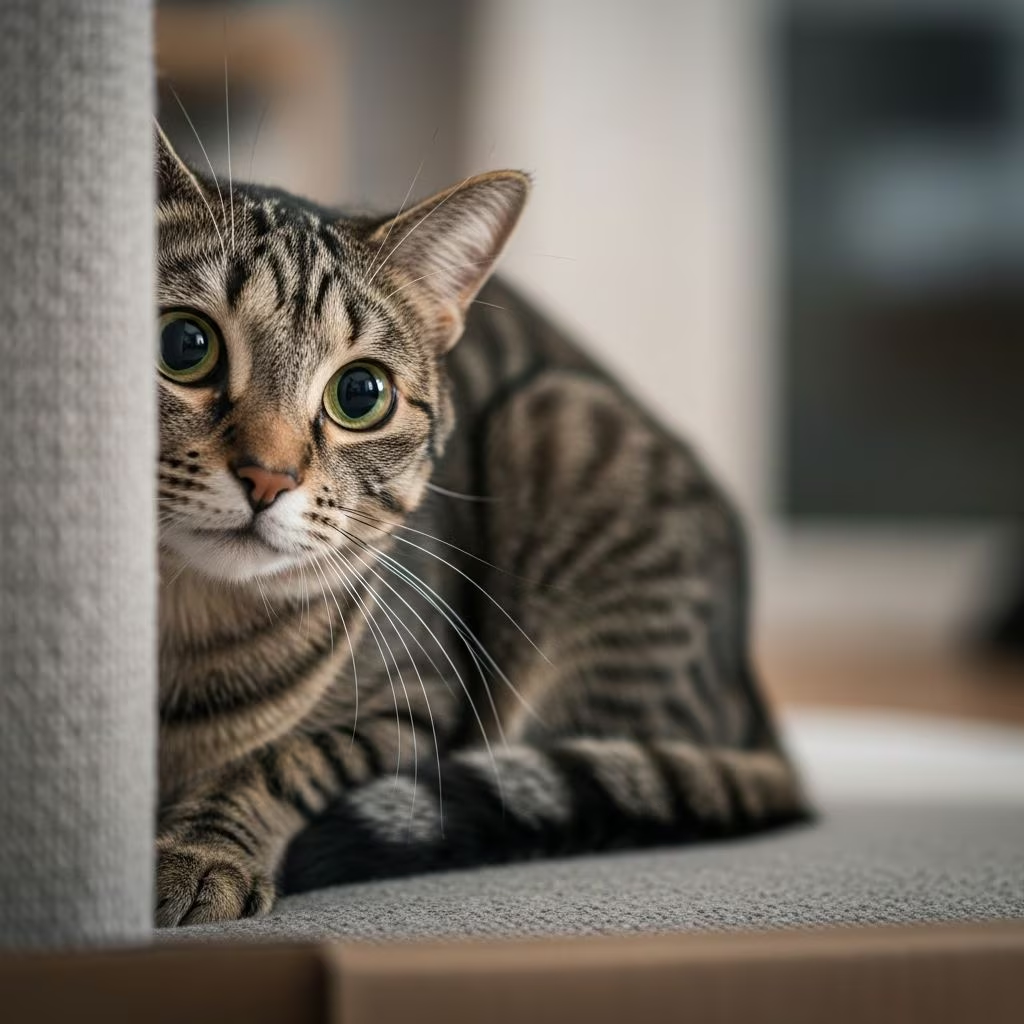
Cats are naturally cautious animals, and fear is a common response to perceived threats in their environment. Whether triggered by new people, loud noises, or unfamiliar objects, understanding and addressing feline fear can significantly improve your cat’s quality of life. This guide explores the signs of fear, body language indicators, effective helping strategies, and what to avoid, drawing from veterinary and behavioral expertise.
Why Do Cats Become Fearful?
Cats can experience fear from a variety of sources, ranging from specific events to generalized anxiety. Some cats fear nearly everything new, while others react only to particular stimuli like veterinary visits or household construction. Fearful responses help cats survive in the wild but can lead to stress in domestic settings. Common triggers include unfamiliar people, loud noises, other animals, or objects linked to past negative experiences.
Genetics, early life experiences, and lack of socialization play key roles. Kittens not exposed to diverse stimuli during critical periods (2-7 weeks) may develop lasting fears. Trauma, such as abuse or abandonment, can also contribute to chronic fearfulness.
The Three Fs of Feline Fear
When afraid, cats exhibit one of the ‘three Fs’: fight, flight, or freeze. These instinctual reactions escalate if the initial response fails.
- Flight: The cat runs away and hides, seeking safety in elevated or enclosed spaces.
- Fight: If escape is impossible, the cat may hiss, swat, bite, or scratch to defend itself.
- Freeze: The cat becomes rigid and still, blending into the environment to avoid detection.
Extreme fear might cause loss of bladder or bowel control. Cats often cycle through these if one doesn’t resolve the threat—for instance, fleeing fails if pursued, leading to aggression.
Recognizing Fear Through Body Language
Understanding cat body language is crucial for identifying fear early. Fearful cats display defensive postures combining avoidance and aggression signals.
| Body Part | Fearful/Defensive Signal | Meaning |
|---|---|---|
| Ears | Flattened against head | Heightened threat perception |
| Tail | Tucked under body or thrashing | Anxiety or readiness to flee/fight |
| Eyes | Dilated pupils, wide stare | Arousal and fear |
| Body | Crouched, leaning away, piloerection (fur standing up) | Defensive posture, preparing for action |
| Vocal/Other | Hissing, growling, swatting | Warning to back off |
Additional signs include excessive grooming, hiding, tense resting postures, changes in eating/toileting, indoor spraying, or avoidance. Anxious cats crouch low, tense muscles, and wrap tails around feet. Early anxiety cues: dilated pupils, ear twitching, ground sniffing. If ignored, these progress to overt aggression.
Helping Your Fearful Cat
Once triggers are identified, use gradual, positive methods to build confidence. Key techniques include desensitization, counter-conditioning, and habituation, always keeping the cat below its fear threshold.
Desensitization and Counter-Conditioning (DS/CC)
Desensitization exposes the cat to the fear trigger at sub-threshold levels, preventing fear response. Counter-conditioning pairs the trigger with positive rewards, changing emotional associations.
Step-by-Step DS/CC Guide:
- Prepare: Avoid triggers initially. Plan a graduated exposure ladder (e.g., distance/intensity levels).
- Start Low: Find the farthest/lowest intensity where cat stays relaxed. Introduce stimulus, then immediately offer high-value treat/toy. Stimulus predicts reward.
- Monitor Threshold: Watch body language. If early fear signs appear (tense body, dilated pupils), increase distance or stop.
- Progress Gradually: Only advance after consistent positive responses (e.g., cat anticipates reward). Change one variable at a time.
- Repeat Sessions: Short, frequent sessions build associations without fatigue.
For stranger fear: Begin with stranger at 20 feet; treat when calm. Gradually close distance. Success requires patience; regressions can occur if threshold exceeded.
Habituation
Similar to desensitization, habituation lets the cat approach the stimulus voluntarily at low levels, making it pleasant. Unlike DS/CC, no forced pairing—cat controls interaction.
Environmental Management
- Provide safe hiding spots, vertical spaces, and escape routes to essentials (food, litter).
- Enrich environment with scratching posts, toys, and pheromone diffusers to reduce baseline stress.
- Use calming aids like Feliway if vet-approved.
Avoid overwhelming multi-cat homes or sudden changes for fearful cats.
What Not to Do
Punishing fear worsens anxiety and risks aggression. Never force interactions with feared stimuli— this confirms danger and escalates responses. For defensively aggressive cats, give space until calm.
Don’t overlook medical issues; fear-like behaviors can stem from pain. Consult a vet first.
When to Seek Professional Help
If fear persists despite home efforts, or involves severe aggression/pain signs, see a veterinary behaviorist. Professionals use tools like the ASPCA Feline Spectrum Assessment for shelter cats, adaptable home. Early intervention prevents chronic issues.
Frequently Asked Questions (FAQs)
Q: Why does my cat hide and then attack when approached?
A: This is flight-to-fight escalation. The cat hides (flight), but cornering triggers fight response. Give space and use DS/CC.
Q: Can all fearful cats be helped?
A: Most improve with consistent, patient methods, though severe cases may need lifelong management. Genetics limit some.
Q: How long does desensitization take?
A: Varies by cat and trigger; weeks to months. Small, consistent steps ensure progress without setbacks.
Q: Is aggression always fear-based?
A: No, but fear aggression is common (defensive postures). Rule out territorial, pain, or play types via vet/behaviorist.
Q: What if my cat sprays indoors from fear?
A: Address underlying stress with DS/CC and environment tweaks. Clean with enzymatic cleaners; vet for UTIs.
Building Long-Term Confidence
Prevent fear by socializing kittens early. For adults, daily positive interactions, play, and routine foster security. Track progress in a journal to celebrate small wins.
Remember, progress is nonlinear—setbacks happen, but persistence pays off. A confident cat is a happy companion.
References
- The Fearful Cat – Pet Care Tips — SPCA. Accessed 2026. https://spca.org/file/The-Fearful-Cat.pdf
- Aggression in Cats — ASPCA. Accessed 2026. https://www.aspca.org/pet-care/cat-care/common-cat-behavior-issues/aggression-cats
- Understanding Your Cat’s Behaviour — RSPCA. Accessed 2026. https://www.rspca.org.uk/adviceandwelfare/pets/cats/behaviour
- The ASPCA’s Feline Spectrum Assessment Training Manual — ASPCApro. 2016. https://www.aspcapro.org/sites/default/files/ASPCA-FSA-manual-2016.pdf
- Cat Behavior Modification & Counter Conditioning — SPCA Wake. Accessed 2026. https://spcawake.org/services/pet-behavior/cat-behavior-modification/



