

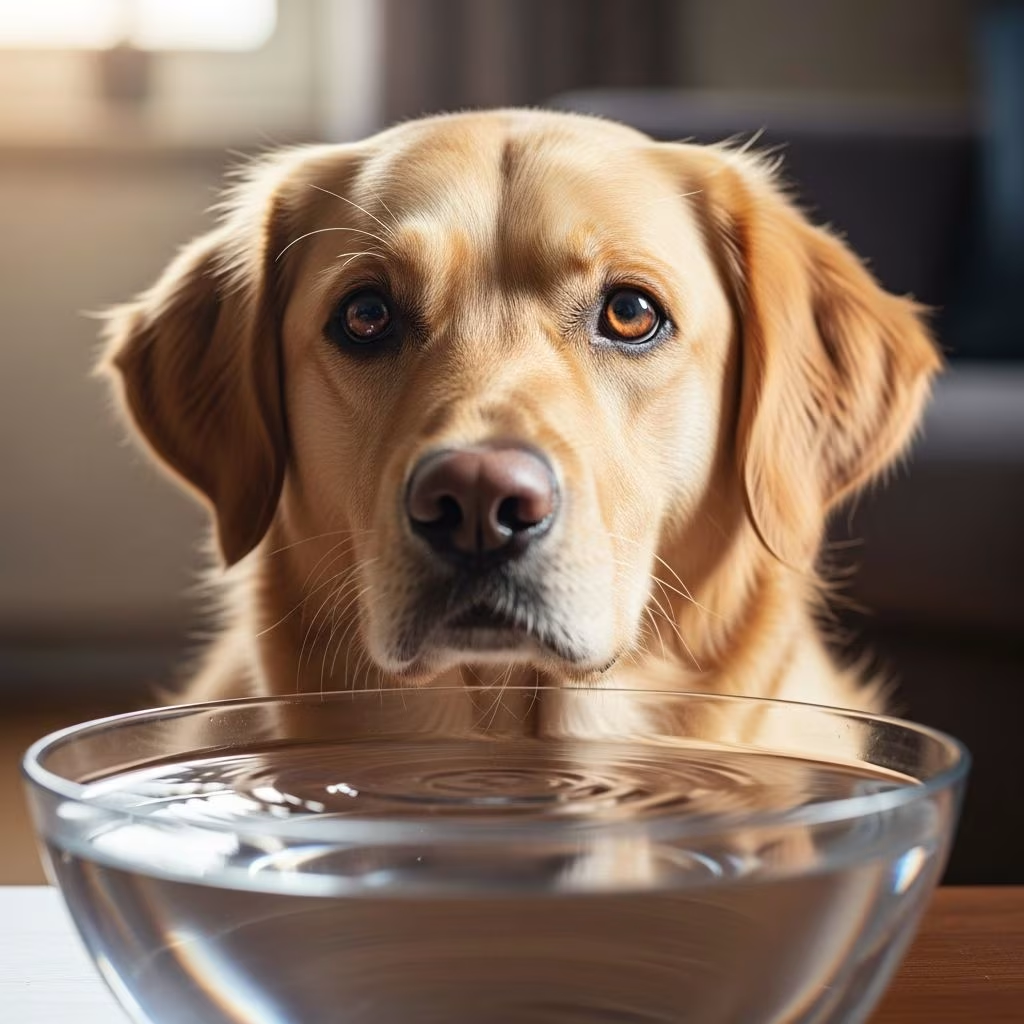
Recognizing Abnormal Drinking Patterns
When your dog seems glued to the water bowl or you find yourself refilling it more frequently than usual, you may be observing a condition veterinarians call polydipsia. This medical term describes persistent increases in water consumption that go beyond normal daily hydration needs. While occasional increases in drinking—such as after vigorous play or exposure to warm weather—are entirely expected and harmless, consistent elevation in thirst warrants closer attention.
Determining whether your dog’s drinking habits are truly excessive involves understanding baseline consumption patterns. Research indicates that daily water intake exceeding 100 mL per kilogram of body weight is generally considered excessive. However, individual variation exists among dogs based on factors like diet, activity level, and environmental conditions. Pet parents often notice abnormal drinking through subjective observations, such as discovering an unusually empty water bowl or observing behavioral changes around water consumption.
When Environmental Factors Are Responsible
Before exploring pathological causes, it’s important to recognize that certain non-medical situations naturally increase a dog’s thirst. Physical exertion generates internal heat and fluid loss through panting, necessitating increased water intake for proper rehydration. Similarly, exposure to hot weather prompts dogs to drink more as a thermoregulatory response. Stress and anxiety can also trigger excessive panting in dogs, which may be interpreted as increased thirst. Additionally, dietary changes—particularly meals with elevated sodium content—can stimulate compensatory drinking.
Seasonal variations and your geographic location should also factor into your assessment. Dogs living in hot climates or during summer months naturally consume more water. If your dog’s increased thirst corresponds with these environmental shifts and presents no accompanying symptoms, continued monitoring may be appropriate. However, if elevated drinking persists despite consistent environmental conditions, medical evaluation becomes important.
Metabolic Disorders and Endocrine Dysfunction
Diabetes Mellitus in Canines
Among the most common medical causes of excessive thirst in dogs, diabetes mellitus frequently affects middle-aged and senior dogs. This metabolic disorder impairs the body’s ability to regulate blood glucose levels. When glucose accumulates in the bloodstream beyond what the kidneys can reabsorb, it spills into the urine, creating an osmotic effect that draws additional water into the urinary tract. Consequently, dogs experiencing this condition must drink excessively to compensate for increased urinary water loss.
Alongside excessive thirst and urination, diabetic dogs typically display other recognizable symptoms. These include increased appetite despite weight loss, lethargy, and vision changes such as cataracts that create a cloudy appearance in the eyes. The urine of diabetic dogs often carries a distinctive sticky quality due to the presence of excess glucose. Early detection dramatically improves treatment outcomes, making awareness of these symptoms crucial for dog owners.
Cushing’s Disease and Adrenal Complications
Hyperadrenocorticism, commonly called Cushing’s disease, results from excessive cortisol production by the adrenal glands. This hormone, while necessary in appropriate quantities for regulating glucose levels, metabolism, and immune function, becomes problematic in excess. Elevated cortisol impairs the kidneys’ capacity to concentrate urine effectively, leading to substantial increases in both urination and compensatory drinking.
Dogs with Cushing’s disease present a characteristic constellation of symptoms beyond increased thirst. A pot-bellied appearance develops as abdominal muscles weaken and fat redistributes. Excessive panting occurs more frequently, even during rest. Hair loss becomes apparent, often with patchy or thinning patterns. Diminished energy levels and increased hunger round out the symptom profile. Unlike some conditions requiring emergency intervention, Cushing’s disease typically allows time for diagnostic confirmation and treatment planning.
Diabetes Insipidus: A Different Metabolic Challenge
Distinct from diabetes mellitus, diabetes insipidus creates excessive thirst through an entirely different mechanism. This condition involves insufficient production of antidiuretic hormone (ADH) or the kidneys’ inability to respond appropriately to this hormone. Normally, ADH signals the kidneys to concentrate urine and conserve water. When this system malfunctions, dogs lose large volumes of dilute urine and must drink excessively to maintain hydration.
Renal and Urinary System Dysfunction
Kidney Disease: Chronic and Acute Forms
The kidneys serve as essential filtering organs, removing metabolic waste products while maintaining proper electrolyte and fluid balance. When kidney function deteriorates, the organs cannot efficiently eliminate toxins, forcing dogs to drink more water in an attempt to dilute and clear these substances from their system. Kidney disease exists in two primary forms: acute kidney failure, which develops suddenly, and chronic kidney disease, which progresses gradually over time.
Both forms present serious health implications. Beyond excessive thirst and urination, affected dogs may experience vomiting, diarrhea, and appetite loss. An arched back or sensitivity to abdominal touch indicates discomfort. Weakness, lethargy, and abnormal breath odor may become apparent. Some dogs develop high blood pressure as a secondary consequence. Senior dogs face particularly elevated risk for kidney disease, making regular monitoring essential as they age.
Urinary Tract Infections
Bacterial or viral infections affecting the bladder and urethra create localized inflammation that can trigger increased drinking. The discomfort associated with urinary tract infections often manifests as frequent urination in small volumes, straining during urination, and occasionally bloody or foul-smelling urine. Dogs may also experience urinary accidents in the house despite previous housetraining, indicating discomfort or urgency. While not typically life-threatening if promptly treated, untreated urinary tract infections can ascend the urinary system and potentially become serious.
Additional Medical Factors Contributing to Excessive Thirst
Electrolyte Imbalances
Sodium plays a crucial role in drawing water toward cells. When electrolyte balance between sodium and potassium becomes disrupted, the kidneys cannot appropriately retain water. Conditions causing vomiting and diarrhea may trigger these imbalances, as can consumption of high-sodium meals or exposure to certain toxins. Symptoms accompanying electrolyte disturbances include lethargy, loss of appetite, weakness, and potentially neurological signs such as circling or ataxia.
Elevated Body Temperature
Fever and hyperthermia, whether stemming from infection, inflammation, immune-mediated disease, or excessive exercise, trigger compensatory drinking. Dogs with significantly elevated body temperature may display excessive panting, pronounced lethargy, rope-like saliva production, and unusually red gums—all signs warranting immediate veterinary evaluation.
Liver Disease and Other Hepatic Conditions
Liver dysfunction affects the body’s metabolic processes and fluid regulation, potentially contributing to increased thirst. Liver disease often develops insidiously with subtle initial symptoms, making comprehensive diagnostic evaluation important when excessive thirst appears.
Medication Side Effects
Certain medications list increased thirst as a documented side effect. Dogs recently started on new pharmaceutical treatments may experience temporary increases in water consumption. Discussing medication-related side effects with your veterinarian helps distinguish between drug effects and underlying disease.
Neoplasia and Infectious Conditions
Cancer and serious infections can trigger excessive thirst through various mechanisms including fever, metabolic disruption, and organ dysfunction. These conditions typically present with additional symptoms beyond thirst, including weight loss, behavioral changes, and general malaise.
Diagnostic Approach and Veterinary Evaluation
When excessive thirst persists without obvious environmental explanation, veterinary assessment becomes essential. The standard diagnostic protocol begins with a thorough physical examination, allowing the veterinarian to assess overall health status and identify physical abnormalities. This foundational evaluation is followed by blood work to measure glucose levels, kidney function, electrolyte balance, and liver enzymes. Urinalysis provides crucial information about urine concentration, presence of glucose or blood, and signs of infection. Together, these diagnostic tools typically identify the underlying cause of polydipsia.
Advanced testing may include hormone level assessments when Cushing’s disease or diabetes insipidus is suspected, imaging studies to visualize internal organs, or specialized evaluations of adrenal function. The specific diagnostic pathway depends on initial findings and clinical suspicion.
Emergency Warning Signs Requiring Immediate Attention
While many causes of excessive thirst allow time for routine veterinary appointment scheduling, certain symptom combinations indicate emergency situations. Sudden onset of excessive thirst combined with other concerning symptoms warrants immediate veterinary care. Additionally, dogs with previously diagnosed chronic conditions such as kidney failure, liver disease, or diabetes who suddenly display changes in thirst patterns may be experiencing acute deterioration.
Observable emergency indicators include:
- Excessive panting with lethargy and apparent distress
- Significant rope-like saliva or cherry-red gums suggesting heat stroke
- Neurological signs including circling, falling, or seizures accompanying electrolyte symptoms
- Vomiting, diarrhea, and weakness indicating possible toxin ingestion or severe dehydration
- Abdominal pain with visible distension
- Sudden behavioral changes or inability to stand
Management Strategies and Treatment Considerations
Treatment approaches vary significantly based on underlying cause. Kidney disease management might include dietary modification, medication, and fluid therapy. Diabetes mellitus requires insulin therapy, dietary adjustment, and consistent monitoring. Cushing’s disease may involve pharmaceutical management with careful endocrine monitoring. Urinary tract infections respond to appropriate antibiotic therapy. Each condition demands a tailored approach developed in consultation with your veterinarian.
Regardless of the specific diagnosis, maintaining fresh water availability remains important, as depriving a polydipsic dog of water can cause additional complications. Your veterinarian will provide specific guidance regarding diet, medications, activity level, and monitoring parameters appropriate for your dog’s individual situation.
Frequently Asked Questions
How much water is normal for a dog to drink daily?
Daily water consumption varies based on body weight, diet, activity level, and environment. Consumption below 100 mL per kilogram of body weight is typically considered normal, though individual variation exists.
Should I limit my dog’s water intake if they’re drinking excessively?
No. Restricting water access can worsen dehydration and complicate underlying conditions. Consult your veterinarian before making dietary or water access changes.
Can anxiety cause excessive drinking in dogs?
Stress and anxiety can trigger excessive panting, which may appear as increased thirst. However, persistent excessive thirst accompanied by other symptoms requires medical evaluation to rule out underlying disease.
What is the prognosis for dogs with excessive thirst?
Prognosis depends entirely on the underlying cause. Many conditions are manageable with appropriate treatment, while others require ongoing management. Early diagnosis significantly improves outcomes.
How quickly should I contact a veterinarian about excessive thirst?
Sudden excessive thirst with other symptoms warrants immediate veterinary attention. Gradual increases without accompanying symptoms should be evaluated during a routine appointment but shouldn’t be ignored.
References
- 5 Reasons for Increased Thirst in Dogs — Toe Grips. 2024. https://toegrips.com/increased-thirst-in-dogs/
- Increased Thirst (Polydipsia) in Dogs – Causes, Treatment — Vetster. 2024. https://vetster.com/en/symptoms/dog/increased-thirst-polydipsia-in-dogs
- Why Is My Dog Drinking a Lot of Water? — PetMD. 2024. https://www.petmd.com/dog/symptoms/why-is-my-dog-drinking-a-lot-of-water
- Why Is My Dog Drinking A Lot of Water? — Halo Collar. 2024. https://www.halocollar.com/blog/dog-health/why-is-my-dog-drinking-a-lot-of-water/
- Why Is My Dog Drinking So Much Water — Pet Townsend Veterinary Hospital. 2024. https://pettownsendvet.com/blog/why-is-my-dog-drinking-so-much-water/
- Excessive Thirst in Dogs: Is it Normal or Serious? — Hill’s Pet. 2024. https://www.hillspet.com/dog-care/healthcare/excessive-thirst-in-dogs
- Testing for Increased Thirst and Urination — VCA Animal Hospitals. 2024. https://vcahospitals.com/know-your-pet/testing-for-increased-thirst-and-urination



