Understanding Excessive Tearing in Canines
Learn why your dog's eyes water and when to seek veterinary attention.
Understanding Excessive Tearing in Canines: Causes, Symptoms, and Solutions
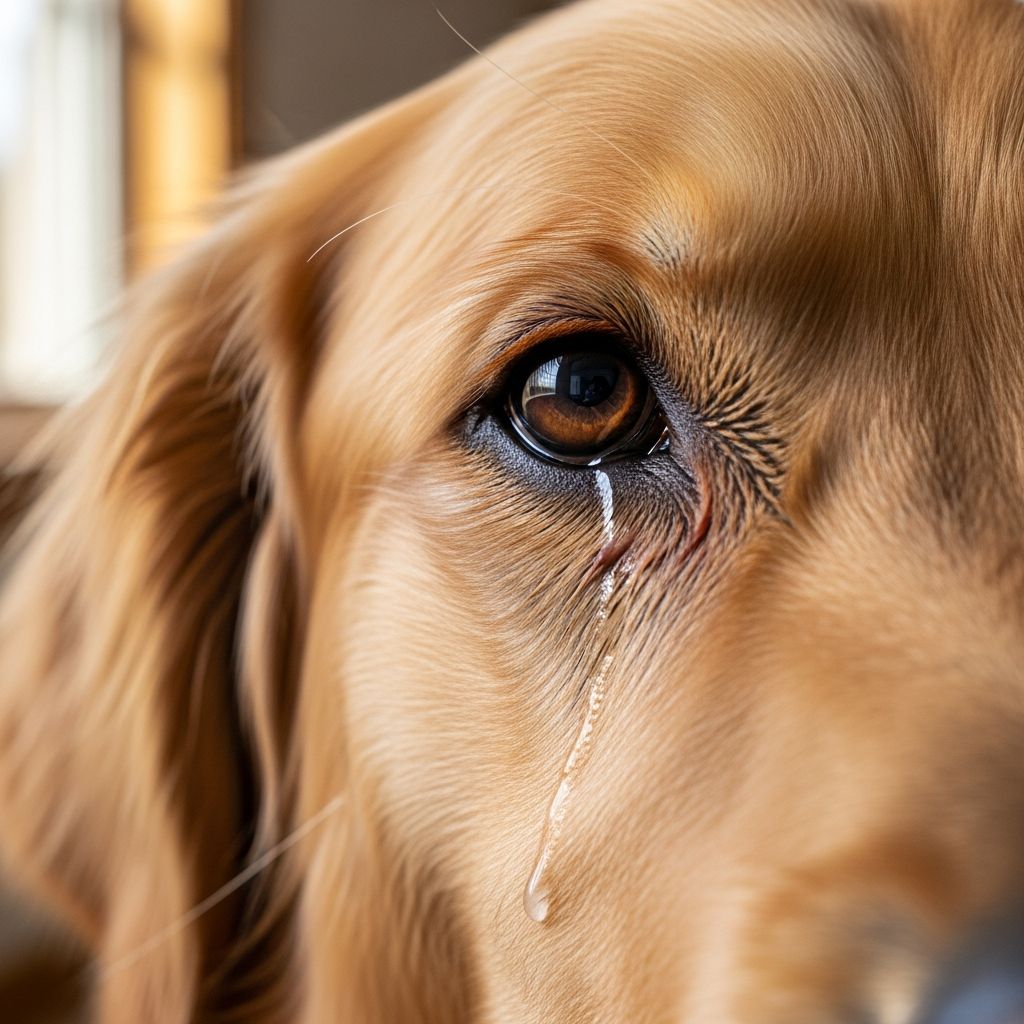
Observing excessive moisture around your dog’s eyes can be concerning for any pet owner. While some degree of tear production is completely normal and essential for maintaining healthy eyes, persistent wetness accompanied by discoloration or discharge may indicate an underlying issue. Watery eyes, medically known as epiphora, represent one of the most frequently encountered eye concerns in veterinary practice. Understanding what constitutes normal eye moisture versus a potential health problem is crucial for maintaining your dog’s ocular health.
The Tear Production System in Dogs
Your dog’s eyes naturally produce tears as part of their physiological function. Tear production serves multiple critical purposes, including lubrication of the corneal surface, removal of foreign particles, and maintenance of ocular clarity. Dogs possess specialized tear ducts located at the inner corner of each eye near the nose, which store excess tears produced throughout the day. When environmental irritants such as dust, pollen, or hair come into contact with the eye, the tear system responds by releasing stored tears to flush away these particles and protect the delicate eye structures.
The normal tear drainage pathway involves a sophisticated system where tears flow from the lacrimal glands, across the eye surface, and then drain through small openings called puncta into the nasolacrimal duct, eventually emptying into the nasal cavity. This efficient system prevents tears from accumulating on the face under normal circumstances. When this drainage pathway functions properly, your dog maintains comfortable, clear eyes without visible dampness or discoloration.
Distinguishing Normal Tearing from Abnormal Conditions
Recognizing the difference between normal tear production and pathological tearing is essential for appropriate care. Occasional eye moisture that occurs during moments of excitement, yawning, or exposure to mild environmental factors like wind typically resolves quickly without intervention. However, persistent wetness around the eyes, especially when accompanied by additional symptoms, warrants closer attention.
Warning signs that suggest a more serious condition include:
- Continuous dampness beneath the eyes
- Reddish-brown or rust-colored staining on the fur surrounding the eyes
- Thick, yellowish-green, or foul-smelling discharge
- Visible redness or swelling of the eye area
- Frequent pawing, rubbing, or squinting behavior
- Cloudiness or unusual appearance of the eye itself
- Keeping one eye partially or fully closed
- Excessive blinking or eye discomfort
If your dog exhibits any of these symptoms, scheduling a veterinary examination becomes important to rule out infections, injuries, or other treatable conditions.
Environmental and Lifestyle Triggers
One of the most straightforward causes of temporary eye tearing involves environmental exposure. Dogs interact with their surroundings in ways that can irritate their eyes. Dust particles, pollen, or debris can lodge on the ocular surface, triggering a protective tear response. Similarly, exposure to wind, dry heating air during winter months, or air conditioning can increase tear production as the eye attempts to maintain adequate moisture and flush away irritating particles.
Allergens present a significant trigger for watery eyes in many dogs. Just as humans experience seasonal allergies, canines can develop sensitivities to environmental allergens, food components, or contact allergens. During high pollen seasons or in response to specific environmental triggers, allergic dogs may display clear discharge from the eyes along with other signs such as facial rubbing or mild skin irritation.
Some dogs naturally sleep with their eyelids partially open, a condition that allows environmental irritants to contact the eye surface more readily during rest periods. Additionally, dogs with prominent or bulging eyes may experience naturally increased tear production simply due to their anatomical configuration.
Structural and Anatomical Factors
Certain dog breeds demonstrate a genetic predisposition to watery eyes, even when no obvious irritant or disease process is present. Breeds such as Poodles, Shih Tzus, Pekingese, and Cocker Spaniels frequently experience epiphora as a normal trait related to their breed characteristics. These dogs may possess shallow eye sockets relative to their eye size, causing tears to overflow rather than drain properly. This anatomical variation means tears accumulate on the face despite normal tear production and drainage system function.
Beyond normal breed variation, some dogs develop structural abnormalities affecting tear drainage. Conditions such as imperforate puncta, where a dog is born without a normal opening connecting the eye to the nasolacrimal duct, prevent tears from draining appropriately. When tears cannot exit through the normal pathway, they accumulate and leak onto the facial surface.
Eyelid abnormalities also contribute significantly to watery eyes. Entropion, a condition where the eyelid rolls inward toward the eye, causes the lid to rub against the corneal surface continuously. This irritation triggers excessive tear production as a protective response. Similarly, distichiasis, where extra eyelashes grow from abnormal locations on the eyelid margin, can irritate the eye and stimulate compensatory tearing.
Tear Duct Obstruction and Drainage Issues
One of the most common pathological causes of watery eyes involves obstruction of the tear drainage system. The nasolacrimal duct, which normally channels tears from the eye toward the nose, can become blocked by debris, dried tear material, mucus, or inflammatory material. When this blockage occurs, tears back up within the system rather than draining normally, forcing excess moisture to spill onto the facial surface.
Plugged tear ducts may develop acutely from a single episode of inflammation or gradually over time. In some cases, the duct itself becomes inflamed or infected, further compromising its function. Small breed dogs appear particularly susceptible to tear duct obstruction, making this a common concern in toy and small companion dog populations.
Determining whether a tear duct obstruction exists typically requires veterinary evaluation. Your veterinarian may perform specialized tests, such as the fluorescein dye test, to assess tear drainage function and identify blockage locations.
Infectious and Inflammatory Eye Conditions
Conjunctivitis, or inflammation of the conjunctiva (the membrane covering the white part of the eye), represents another frequent cause of excessive tearing. This condition can develop from multiple causes, including bacterial or viral infections, allergic reactions, or mechanical irritation from foreign bodies. When conjunctivitis develops, the inflamed conjunctival tissue produces excess tears as part of the inflammatory response, and dogs typically display redness, swelling, and discharge alongside the tearing.
Bacterial infections warrant particular attention, as they produce characteristically thick, yellow or greenish discharge that differs markedly from clear allergic tearing. Common bacterial culprits include Staphylococcus and Streptococcus species. Viral infections, such as canine distemper or canine herpesvirus, may also cause eye irritation and excessive tearing as systemic symptoms.
Corneal ulcers, which are erosions or sores on the corneal surface, frequently cause profuse eye discharge and tearing. These painful lesions may develop following trauma, dry eye conditions, or infections. Dogs with corneal ulcers typically exhibit significant discomfort, evident through frequent squinting, pawing at the affected eye, and reluctance to open the eyelid.
Dry Eye Paradox and Tear Quality Issues
While excessive tearing seems contradictory to dry eye disease, this condition actually represents a common cause of watery eyes. Keratoconjunctivitis sicca (KCS), or dry eye, develops when tear production becomes inadequate or tear quality deteriorates. The cornea and surrounding mucous membranes, lacking sufficient lubrication, become irritated and uncomfortable. In response to this chronic irritation, the eye produces excessive reflex tears in an attempt to compensate for the underlying moisture deficit.
Dogs with dry eye typically have low-quality tears that lack optimal composition for maintaining eye health. The eyes feel irritated despite the presence of visible moisture, creating an uncomfortable situation for the affected dog. Treatment often involves artificial tear supplements or medicated drops prescribed by a veterinarian to improve tear quality and volume.
Serious Health Conditions Presenting with Watery Eyes
While many causes of watery eyes are manageable, some serious conditions present with this symptom. Glaucoma, a condition characterized by elevated pressure within the eye, produces symptoms including excessive tearing, cloudiness, eye bulging, and severe pain. Dogs with glaucoma often keep the affected eye partially or fully closed due to discomfort. This condition constitutes a medical emergency requiring immediate veterinary intervention to prevent permanent vision loss.
Eye tumors or abnormal growths can obstruct normal tear drainage or physically irritate the eye surface, triggering excessive tearing. Foreign bodies lodged within the eye similarly cause acute irritation and reflex tearing, often accompanied by visible discomfort and squinting.
When to Seek Veterinary Care
Understanding when professional evaluation becomes necessary helps protect your dog’s ocular health. Immediate veterinary attention is warranted if your dog displays thick, yellow or green discharge, especially if accompanied by obvious pain or discomfort. Eye injuries, trauma, or the presence of foreign bodies require urgent assessment to prevent complications.
Schedule a veterinary appointment if watery eyes persist for more than a few days, if the discharge changes color or consistency, if redness or swelling develops, or if your dog shows signs of pain around the eyes. Additionally, if only one eye is affected, or if the tearing appears suddenly without an obvious environmental cause, professional evaluation becomes important.
Your veterinarian will perform a comprehensive eye examination, which may include specialized tests to assess tear production, evaluate the tear drainage system, and examine the eye structures for abnormalities or disease.
Management Strategies and Treatment Approaches
Treatment for watery eyes depends entirely on the underlying cause. Addressing environmental triggers often provides relief—removing your dog from drafty areas, reducing exposure to irritants, or using humidifiers during dry seasons may resolve temporary tearing. For allergies, identifying and eliminating the allergen source, whether environmental or food-related, often improves symptoms significantly.
Tear duct obstructions may respond to veterinary flushing of the nasolacrimal system, which helps clear blockages and restore normal drainage. Infections require appropriate antibiotic or antifungal therapy based on the causative organism. Surgical intervention becomes necessary for certain structural abnormalities, such as entropion or eyelid growths, to restore normal eye function.
For breed-predisposed watery eyes without underlying disease, management focuses on preventing secondary complications like skin irritation or infection. Regular cleaning of the eye area with appropriate solutions and keeping the fur trimmed short around the eyes helps maintain hygiene and comfort.
Frequently Asked Questions
Q: Is some eye tearing normal in dogs?
A: Yes, dogs naturally produce tears for eye lubrication and protection. Occasional tearing during excitement or mild wind exposure is normal. However, continuous dampness or discharge requires veterinary evaluation.
Q: What causes the brown staining under my dog’s eyes?
A: Reddish-brown discoloration typically results from tear staining, where tear components oxidize on the fur. This often indicates chronic eye moisture and warrants assessment to determine the underlying cause.
Q: Can allergies cause watery eyes in dogs?
A: Yes, seasonal and environmental allergies commonly cause clear eye discharge and watery eyes. Food allergies can also trigger this response.
Q: How do I know if my dog’s watery eyes indicate an infection?
A: Infections typically produce thick, yellow or green discharge with a noticeable odor, often accompanied by redness, swelling, and squinting. Clear discharge is more likely related to allergies or obstruction.
Q: Are certain breeds more prone to watery eyes?
A: Yes, breeds with flat faces, shallow eye sockets, or prominent eyes, such as Shih Tzus and Pekingese, commonly experience watery eyes as a breed trait.
Conclusion
Watery eyes in dogs stem from diverse causes ranging from simple environmental irritation to serious health conditions requiring medical intervention. While occasional tearing represents normal ocular function, persistent wetness, discharge changes, or signs of discomfort warrant professional veterinary evaluation. By understanding the potential causes and recognizing warning signs, you can better advocate for your dog’s eye health and ensure prompt intervention when necessary. Regular eye care, awareness of your dog’s individual characteristics, and attention to changes in eye appearance and comfort will help maintain your canine companion’s vision and ocular comfort throughout their life.
References
- Watery Eyes (Epiphora) in Dogs — PetMD. 2024. https://www.petmd.com/dog/conditions/eyes/watery-eyes-epiphora-dogs
- Runny Eyes in Dogs: Common Causes & Treatment — Purina. 2024. https://www.purina.com/articles/dog/health/symptoms/runny-eyes-in-dogs
- Dog Eye Allergies vs. Infection: How to Tell the Difference — Mills Animal Hospital. 2024. https://millsanimalhospital.com/blog/dog-eye-allergies-vs-infection/
- 5 Important Information for You About Watery Eyes in Dogs — Ardap Care. 2024. https://ardapcare.com/en/blogs/hund/traenende-augen-hund
- What Does it Mean if My Dog’s Eye is Watering? — Heart + Paw. 2024. https://heartandpaw.com/pet-parent-resources/dog-eye-watering
- Corneal Ulcer Information — Heart + Paw. 2024. https://heartandpaw.com/pet-parent-resources/dog-eye-watering
Similar Articles





Read full bio of Sneha Tete