

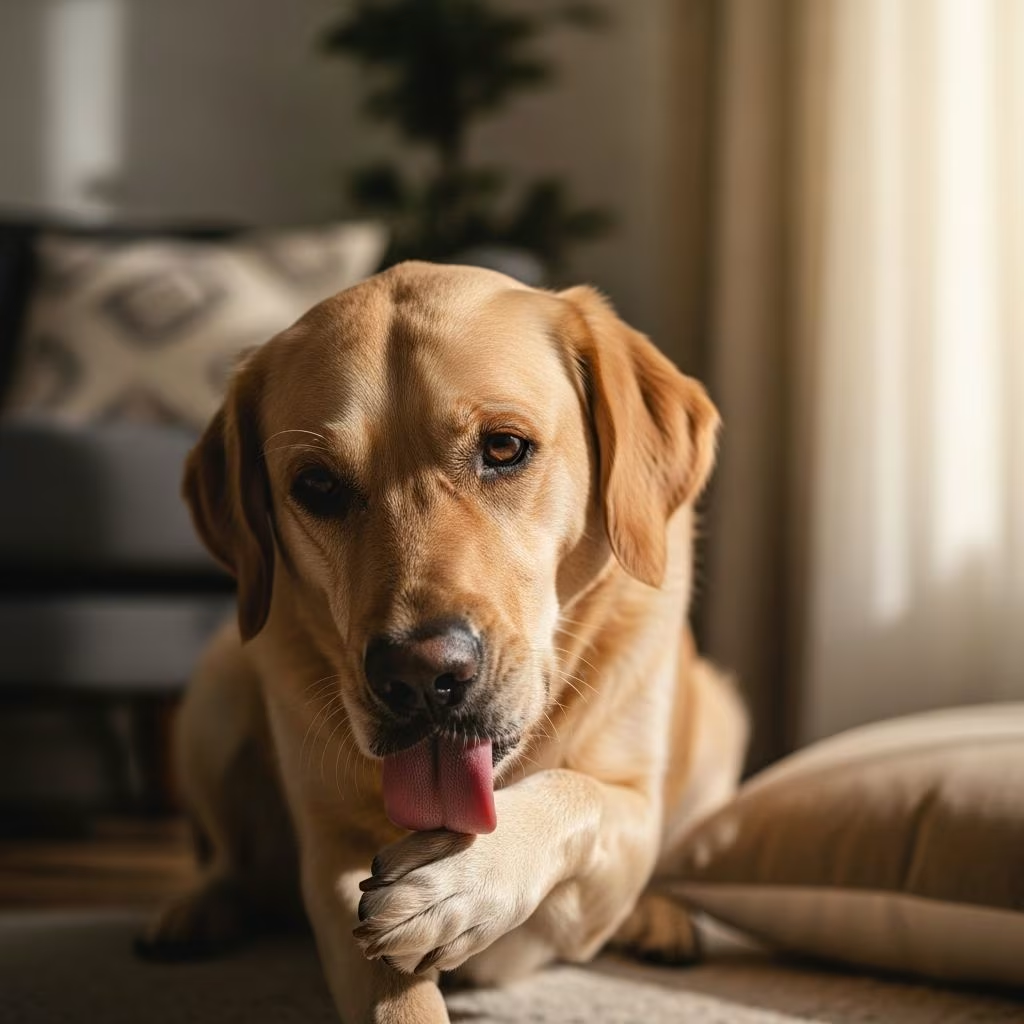
One of the most common concerns pet owners bring to their veterinarian is excessive licking behavior in their dogs. While grooming is a natural and healthy part of canine behavior, there comes a point when licking crosses the line from normal self-care into problematic territory. Understanding the distinction between ordinary grooming and concerning licking patterns is essential for recognizing potential health or behavioral issues in your furry companion. This comprehensive guide explores the multifaceted reasons behind excessive licking and what you should do when you notice this behavior becoming problematic.
Distinguishing Normal Grooming from Excessive Licking
Dogs engage in regular licking throughout their day as part of their natural hygiene routine. Most canines will lick specific areas, including the spaces between their toes, forearms, areas around joints, their belly, inner thigh regions, and anal areas. This type of grooming is completely normal and healthy. However, excessive licking occurs when the behavior intensifies to the point where it negatively impacts your dog’s quality of life.
The transition from normal to excessive licking manifests in several observable ways. When your dog begins experiencing visible consequences from constant licking—such as hair loss, skin irritation, or behavioral changes—you are likely witnessing excessive licking rather than routine grooming. Understanding these boundaries helps you determine whether your dog simply enjoys personal hygiene or requires professional intervention.
Physical Warning Signs of Problematic Licking
Excessive licking creates distinctive physical manifestations on your dog’s body and behavior. Recognizing these signs enables early intervention before complications develop. The following indicators suggest your dog may be engaging in excessive licking:
- Hair loss or thinning in specific areas, progressing to bald patches
- Visible skin redness or inflammation at the licked sites
- Matted or discolored fur in areas of frequent licking
- Dandruff or flaking skin texture
- Oozing wounds or pimple-like lesions on the body
- Discharge with unusual coloration, such as yellow or green tones
- Sleep disruptions due to the constant urge to lick or chew
- Vocalization patterns including moaning, whimpering, or whining during grooming sessions
- Reluctance to participate in normal activities or play
- Visible limping or difficulty with movement
Beyond physical symptoms, behavioral changes often accompany excessive licking. Your dog may demonstrate an inability to settle, interrupt social interactions or games to focus on licking, or show signs of distress when prevented from engaging in the behavior.
Medical Causes of Excessive Licking
Excessive licking frequently stems from underlying medical conditions that require professional diagnosis and treatment. Identifying the medical cause is the critical first step in addressing the behavior effectively.
Parasitic Infestations
Parasites represent one of the most common medical causes of excessive licking in dogs. Fleas, ticks, mites, and other ectoparasites create intense itching that compels dogs to lick and scratch affected areas. Even a single flea bite can trigger significant skin irritation in susceptible dogs, potentially leading to secondary infections. Ticks introduce additional complications, as they can transmit diseases such as Lyme disease, which causes discomfort and prompts excessive grooming.
Infectious Skin Conditions
Bacterial, yeast, and fungal infections all contribute to excessive licking behavior. These infections create uncomfortable itching and are often accompanied by visible signs including redness, discharge, and dandruff. Yeast infections characteristically develop in warm, moist areas of the body, particularly between toes, inside ears, and in groin regions. These infections typically produce brownish-red discharge and skin discoloration.
Fungal infections like ringworm may present less itching than other infections but create distinctive patterns of hair loss and skin redness, often appearing in ring-shaped formations. Bacterial infections similarly cause intense itching alongside discharge and inflammation.
Allergic Reactions
Allergies consistently rank among the primary drivers of excessive licking behavior in dogs. Dogs suffering from allergies frequently focus their licking on their feet, demonstrating clear preference for specific body areas. Allergic reactions stem from various sources, including food sensitivities, environmental allergens, and contact irritants. These allergies trigger inflammation and itching that compels dogs to lick the affected regions repetitively.
Endocrine and Systemic Disorders
Certain systemic diseases contribute to excessive licking through various mechanisms. Conditions affecting the thyroid gland produce skin changes including hair loss and itching, prompting compensatory licking. Immune-related diseases and other endocrine disorders manifest as skin conditions that lead to problematic grooming behavior.
Gastrointestinal Disturbances
Dogs experiencing gastrointestinal problems frequently engage in excessive licking as a symptom of their digestive discomfort. Conditions such as nausea, acid reflux, and general stomach upset prompt dogs to lick their lips, surrounding air, bedding, or carpeting in an attempt to soothe their discomfort. Research indicates that up to 60% of dogs with excessive licking behaviors actually suffer from underlying gastrointestinal disorders. Additional gastrointestinal causes include blockages, dietary sensitivities, inflammatory conditions, parasitic infections affecting the digestive system, pancreatitis, and toxin exposures.
Pain and Joint Issues
Localized pain frequently triggers licking behavior, as dogs instinctively attempt to soothe painful areas through grooming. Arthritis and other joint conditions commonly cause chronic licking of affected joints, particularly around the wrists, elbows, and knees. When examining a dog that licks specific body areas consistently, veterinarians investigate whether the licked region harbors underlying pain from injuries, wounds, insect bites, fractures, soft tissue damage, or degenerative joint disease.
Dental Problems
Oral issues including toothaches, gum disease, or foreign objects lodged in the mouth can provoke excessive licking as the dog attempts to relieve pain or irritation. Dogs with dental problems may lick their mouth area more frequently or show generalized grooming increases.
Lick Granuloma: When Licking Becomes Compulsive
A particularly concerning manifestation of excessive licking is the development of lick granuloma, also termed acral lick dermatitis. This condition develops when dogs obsessively lick a specific area, typically the front of the wrist or carpus, repeatedly over extended periods. The constant licking creates a large, hairless, inflamed wound that becomes increasingly resistant to healing.
The exact etiology of lick granuloma remains debated within veterinary medicine. Some professionals believe the behavior functions as a self-soothing mechanism in response to anxiety or boredom. Other potential triggers include underlying injuries, sores, or joint pain that initiates the licking, which then becomes a chronic behavioral obsession. Breaking this cycle often requires addressing both any underlying physical cause and the behavioral component of the condition.
Behavioral and Psychological Factors
Beyond medical causes, psychological and behavioral factors significantly contribute to excessive licking. When veterinary examination rules out physical causes, behavioral issues warrant serious consideration.
Anxiety and Stress Responses
Similar to nervous habits in humans, dogs often develop excessive licking as a coping mechanism for anxiety or stress. Separation anxiety, exposure to loud noises, environmental changes, and boredom all trigger licking behavior as dogs seek self-soothing through endorphin release. The licking provides temporary emotional relief, creating a reinforcement cycle that perpetuates the behavior.
Compulsive Grooming
Some dogs develop compulsive grooming patterns that transcend simple response to external stressors. These behaviors become self-perpetuating habits that persist even when the original trigger is removed. Breaking compulsive patterns often requires behavioral modification strategies and sometimes medication support.
Diagnostic Approach and Veterinary Evaluation
When confronted with a dog displaying excessive licking, veterinarians employ a systematic diagnostic approach to identify the underlying cause. This process typically involves multiple steps and specialized tests.
The initial examination includes careful visual inspection of the affected areas and the broader skin condition. Veterinarians may perform tape preparations, which involve using diagnostic tape to collect skin samples for microscopic examination to identify bacteria, yeast, or mites. Skin scrapes and fluid samples, known as cytologies, provide additional microscopic evidence of infectious organisms including Malassezia yeast or Demodex mites.
For dogs with excessive licking of the groin or rectum area, additional diagnostic measures become necessary. Urine samples may reveal evidence of urinary tract infections, inflammation, blood, or bladder crystals. Veterinarians may express anal glands to rule out infection or impaction of these structures.
When standard diagnostics prove inconclusive, more advanced testing including fungal cultures and specialized lights can identify ringworm and other fungal infections. In cases where diagnosis remains elusive despite preliminary testing, surgical biopsy of the affected area may be required, with pathological analysis revealing abnormal cells or confirming specific conditions.
Treatment Strategies Based on Underlying Cause
Effective treatment of excessive licking depends entirely on correctly identifying the underlying cause. Different causes require distinctly different therapeutic approaches.
Parasitic infections respond to appropriate antiparasitic medications targeting the specific parasite involved. Fungal and bacterial infections require antifungal or antibiotic therapy, potentially combined with medicated shampoos or topical treatments. Allergic reactions may be managed through dietary modifications, environmental controls, antihistamines, or corticosteroids depending on severity. Gastrointestinal conditions might require dietary changes, digestive medications, or treatment of underlying parasitic infections. Pain-related licking often responds to pain management medications including nonsteroidal anti-inflammatory drugs or other analgesics.
When behavioral causes predominate, treatment may include anxiety management through medication, behavioral modification techniques, environmental enrichment, increased exercise, and in some cases professional behavioral training. Calming supplements and aids can support behavioral management in conjunction with other interventions.
When to Contact Your Veterinarian
Pet owners should schedule veterinary appointments when noticing several concerning indicators. These include any visible hair loss or bald patches, persistent skin redness or irritation, sleep disruption related to licking urges, difficulty with normal activities due to grooming behavior, or any signs of infection such as discharge or odor. Additionally, if you observe your dog vocalizing discomfort during grooming sessions or displaying limping or movement difficulties, professional evaluation is warranted.
Prevention and Management Strategies
While not all excessive licking can be prevented, several strategies help minimize risk and manage existing issues. Maintaining regular flea and tick prevention with appropriate veterinarian-recommended products protects against parasitic causes. Regular grooming and skin inspections enable early detection of problems. Providing adequate exercise, mental stimulation, and environmental enrichment reduces stress-related licking. Maintaining consistent routines and minimizing exposure to known stressors helps anxious dogs remain calm.
Understanding Medication Side Effects
Some medications used to manage excessive licking may carry side effects requiring careful monitoring. Common side effects include vomiting, diarrhea, appetite loss, and lethargy. In rare cases, suppressed immune function may increase susceptibility to infections or skin disorders. Discussing potential side effects thoroughly with your veterinarian ensures informed decision-making regarding treatment options.
Frequently Asked Questions
Q: Is occasional licking normal in dogs?
A: Yes, light occasional licking of paws, forearms, and other areas is a normal grooming behavior in healthy dogs. Excessive licking becomes concerning when it causes visible skin damage or disrupts the dog’s normal activities.
Q: Can stress alone cause excessive licking?
A: Stress and anxiety can trigger excessive licking in dogs. However, many cases involve both medical and behavioral components, making comprehensive veterinary evaluation essential.
Q: How long does treatment take for excessive licking?
A: Treatment duration varies dramatically depending on the underlying cause. Some conditions resolve within days to weeks with appropriate medication, while behavioral issues may require months of consistent intervention.
Q: Can diet changes help reduce excessive licking?
A: Diet changes can help if food allergies or gastrointestinal issues underlie the excessive licking. Your veterinarian can recommend appropriate dietary modifications based on diagnosis.
References
- Excessive Licking in Dogs — Animal Friends Dermatology. 2024-04-15. https://www.animalfriendsdermatology.com/site/blog/2024/04/15/excessive-licking-dogs
- Excessive Licking, Chewing, and Grooming in Dogs — PetMD. https://www.petmd.com/dog/general-health/excessive-licking-chewing-and-grooming-dogs
- Why Is My Dog Licking His Paws So Much? Causes and Remedies — Best Friends Animal Society. https://bestfriends.org/pet-care-resources/why-my-dog-licking-his-paws-so-much-causes-and-remedies
- What does it mean when dogs lick excessively? — Animal Medical Center of New York. 2021-07-07. https://www.amcny.org/blog/2021/07/07/what-does-it-mean-when-dogs-lick-excessively/
- 12 Reasons Dogs Lick Excessively and When to be Concerned — Pets Best. https://www.petsbest.com/blog/12-reasons-dogs-lick-excessively
- The Science Behind the Slurp: Why Dogs Engage in Excessive Licking — Rear Road Animal Hospital. https://www.rearoadanimalhospital.com/the-science-behind-the-slurp-why-dogs-engage-in-excessive-licking/



