
Understanding Excessive Dog Hair Loss
Discover the causes behind your dog's excessive shedding and effective management strategies.
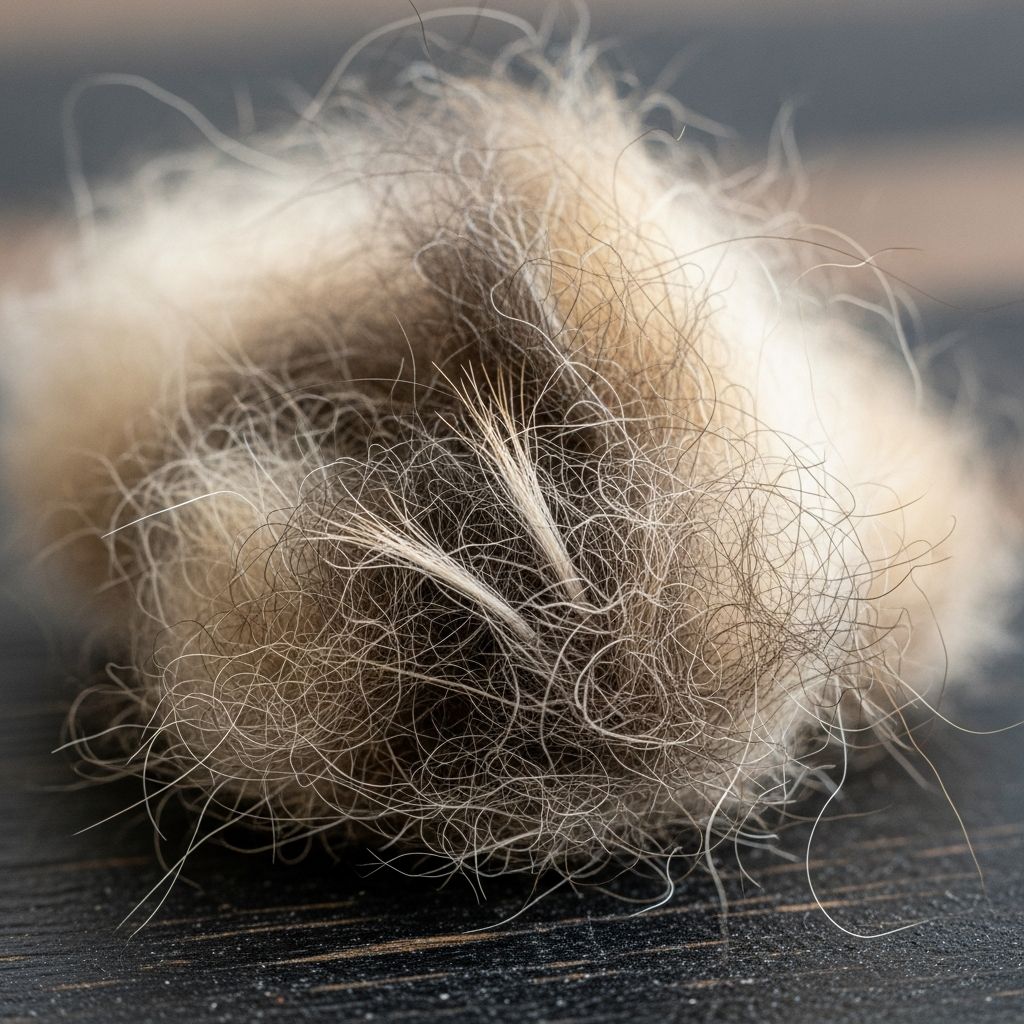
Understanding Excessive Dog Hair Loss: Causes and Management Solutions
Dog hair scattered across furniture, clothing, and floors is a common challenge for pet owners. While some level of shedding is natural and unavoidable in most canine breeds, excessive hair loss can indicate underlying issues requiring attention. Understanding the distinction between normal seasonal shedding and problematic fur loss is essential for maintaining your dog’s health and managing your home environment effectively.
Recognizing Normal Shedding Versus Excessive Hair Loss
Every dog owner expects some fur tumbleweeds around their home, but when grooming becomes a constant battle or bald patches appear on your pet’s skin, these are clear warning signs. Excessive shedding typically manifests as noticeably more hair loss than your dog’s breed normally exhibits, often accompanied by visible skin changes or behavioral indicators. The volume of hair accumulating in your vacuum and on your furniture may increase dramatically within a short timeframe. Additionally, you might observe that brushing sessions yield significantly more loose hair than previously, or that your dog’s coat appears thinner and less lustrous than normal.
Normal shedding cycles occur seasonally in most breeds, particularly during spring and fall when dogs transition between seasonal coats. However, excessive shedding can happen at any time and may indicate that something requires veterinary evaluation.
Nutritional Deficiencies and Diet-Related Shedding
Poor-quality dog food ranks as the primary culprit behind excessive shedding in canines. When dog owners purchase budget-friendly kibble from discount retailers, they often don’t realize that inadequate nutrition directly impacts coat quality. Even though inexpensive formulations may technically meet minimum nutritional standards established by regulatory bodies, they frequently lack sufficient protein content and essential micronutrients that support healthy fur growth.
A dog’s coat requires specific nutrients to remain strong, shiny, and resilient. Protein deficiency particularly affects hair structure and growth cycles, while insufficient omega-3 and omega-6 fatty acids compromise skin barrier function. Investing in higher-quality dog food formulated with adequate protein levels and balanced nutrient profiles can dramatically reduce shedding within weeks of dietary change.
Food allergies and intolerances create another nutrition-related pathway to excessive shedding. These conditions trigger itchy skin and secondary infections that compound hair loss. If you suspect your dog has a food sensitivity, consult your veterinarian about conducting an elimination diet, which systematically removes and reintroduces ingredients to identify the problematic component.
Environmental and Seasonal Allergies
Just as humans sneeze and itch during allergy season, dogs respond to environmental allergens by shedding excessively. Pollen, grass, and dander represent common environmental triggers that irritate canine skin and disrupt the hair growth cycle. These airborne particles settle on your dog’s fur and skin, causing inflammation and prompting excessive scratching and grooming behaviors that accelerate hair loss.
Environmental allergies manifest differently depending on your geographic location and season. Dogs living in areas with high pollen counts during spring may experience their worst shedding during this period, while others suffer year-round if exposed to constant allergens like dust mites or mold spores. Your veterinarian can recommend allergy-friendly dog foods and discuss whether environmental controls in your home might alleviate symptoms.
Parasitic Infestations and Their Effects
Parasites including fleas, ticks, and mange mites rank among the most common medical causes of excessive shedding. These external parasites create immediate discomfort through their bites and the irritation they produce on your dog’s skin. The resulting itching drives dogs to scratch and chew at affected areas relentlessly, leading to hair loss and potential open wounds.
Flea infestations particularly concentrate around the neck and base of the tail, creating distinctive patterns of hair loss in these zones. Beyond cosmetic concerns, parasitic infections can progress to serious secondary complications:
- Inflammatory skin reactions that spread beyond the initial infestation sites
- Bacterial infections from open sores created by aggressive scratching
- Anemia in severe cases, particularly with tick infestations
- Transmission of parasites to other household pets
Year-round parasite prevention proves essential for all dogs, regardless of indoor or outdoor lifestyle. Even indoor pets can encounter fleas through clothing or screened windows and doors. Discuss appropriate preventative medications with your veterinarian to establish a comprehensive protection plan.
Infections: Bacterial, Fungal, and Dermatological Conditions
Skin infections represent another significant category of medical issues causing excessive shedding. Bacterial infections like pyoderma and fungal infections such as ringworm create uncomfortable inflammatory responses that manifest as hair loss, bald patches, and itchy bumpy rashes. Dogs often exacerbate these conditions by compulsively licking and chewing affected areas, which prevents healing and spreads infection.
Hot spots represent a common skin condition characterized by red, irritated, sometimes raised areas of skin inflammation. These painful zones develop when bacteria colonize damaged skin, and dogs’ attempts to soothe the discomfort through licking typically worsen the infection. Fungal infections require specific antifungal treatments, as they won’t resolve with standard antibiotics.
These infections demand prompt veterinary attention because they’re often contagious to other pets and potentially to humans in some cases. Early diagnosis and appropriate treatment prevent progression to more serious complications and reduce recovery time.
Hormonal Imbalances and Endocrine Disorders
Thyroid disease and Cushing’s disease represent two common hormonal conditions affecting canine coat health. Thyroid disease involves insufficient hormone production, leading to metabolic slowdown and poor coat quality. Affected dogs develop dry, brittle hair that fails to regrow properly, resulting in a thin or balding appearance. Cushing’s disease operates through the opposite mechanism—excessive cortisol production—but produces similar coat deterioration.
Beyond coat changes, hormonal imbalances typically cause additional symptoms including:
- Increased thirst and urination
- Weight gain or loss despite unchanged diet
- Lethargy and reduced activity levels
- Skin discoloration or darkening
- Behavioral changes
Pregnancy and the postpartum period trigger temporary hormonal shifts that can increase shedding substantially. Dogs recovering from spaying or neutering surgeries may also experience excessive shedding as their bodies adjust to hormonal changes. These post-reproductive shedding episodes typically resolve naturally but warrant discussion with your veterinarian if they seem excessive.
Stress, Anxiety, and Behavioral Responses
Psychological stress manifests physically in dogs through excessive shedding, though the precise mechanism remains incompletely understood in veterinary science. Researchers suspect that elevated epinephrine (adrenaline) levels during stress responses may trigger hair shedding as part of the body’s fight-or-flight activation. Dogs experiencing sudden disruptions to their routine often shed noticeably more hair.
Common stress triggers include:
- Thunderstorms and fireworks creating loud, unpredictable noises
- Introduction of new family members or household pets
- Changes in living environment or routine schedules
- Veterinary visits and medical procedures
- Extended periods of separation from owners
Stressed or anxious dogs often express their emotional state through excessive licking and scratching of their coat, which compounds stress-related shedding. This behavioral response can create a problematic feedback loop where shedding causes discomfort, leading to more licking and scratching, which causes additional hair loss. Identifying and minimizing stress sources, when possible, supports both mental wellbeing and coat health.
Systemic Illness and Disease-Related Shedding
Excessive shedding frequently accompanies systemic illnesses affecting multiple body systems. Fever and pain from underlying infections or diseases trigger coat changes as the body redirects resources toward fighting the primary condition. Viral diseases particularly affect the coat while simultaneously causing other symptoms like lethargy, diarrhea, and occasionally seizures.
Serious medical conditions manifesting as excessive shedding include:
- Kidney disease causing metabolic imbalances
- Liver conditions affecting nutrient processing and metabolism
- Immune system disorders compromising skin health
- Inflammatory bowel disease affecting nutrient absorption
- Cancer causing systemic physiological changes
When excessive shedding coincides with additional warning signs—fever, weight loss, reduced appetite, or behavioral changes—immediate veterinary evaluation becomes critical. These combinations of symptoms may indicate serious health threats requiring emergency care.
Medication Side Effects and Reactions
Certain prescription medications can trigger excessive shedding as an adverse reaction. Medications used to treat other conditions may have coat changes listed among their potential side effects. Corticosteroids, commonly prescribed for allergies and inflammatory conditions, sometimes increase shedding as a side effect. If you notice shedding escalation coinciding with a new medication, discuss this timing with your veterinarian—alternative medications or dosage adjustments might resolve the issue.
Diagnostic Approaches and Testing Methods
When excessive shedding warrants veterinary evaluation, your veterinarian employs several diagnostic tools to identify underlying causes. Allergy testing works similarly to human allergy testing, involving intradermal injections of suspected allergens with observation for hives or skin reactions. Blood testing can reveal thyroid dysfunction, hormone level abnormalities, food allergies, and systemic diseases affecting coat health.
Your veterinarian may also perform physical examinations to identify signs of parasites, fungal infections, or bacterial infections. Skin scrapings examined under microscopes can reveal mites causing mange-related shedding. Fungal cultures identify specific fungal species requiring particular antifungal agents.
Management Strategies and Preventative Care
Nutritional Optimization
Transitioning to high-quality dog food formulated with adequate protein and balanced micronutrients represents the foundational step in managing excessive shedding. Premium formulations specifically support skin and coat health through optimized omega fatty acid ratios and bioavailable nutrient forms. Upgrading from budget kibble to better-quality options can produce visible coat improvements within three to six weeks.
Regular Grooming Practices
Frequent brushing and bathing represent the most effective non-medical strategies for controlling loose hair accumulation. Regular brushing removes dead hair before it falls naturally, significantly reducing the amount of shed hair accumulating on furniture and floors. De-shedding tools designed specifically for removing loose undercoat can be particularly effective during seasonal shedding periods.
Bathing helps loosen and remove loose hairs while promoting healthy skin through proper cleansing. Conditioning after bathing improves coat quality and may reduce shedding. Establish a grooming routine matching your dog’s coat type—daily brushing for long-haired breeds, several times weekly for double-coated breeds, and weekly sessions for short-haired dogs.
Parasite Prevention
Year-round parasite prevention eliminates a major shedding cause. Discuss flea and tick preventative options with your veterinarian to select products appropriate for your dog’s age, weight, and health status.
Environmental Management
Minimizing stress through consistent routines, adequate exercise, and calming techniques supports overall health and reduces stress-related shedding. Air filtration systems can reduce household allergen levels for environmentally sensitive dogs.
When Professional Veterinary Care Becomes Necessary
Schedule veterinary appointments when excessive shedding is accompanied by inflamed skin, brittle fur texture, extreme scratching behavior, or visible bald patches. These signs indicate conditions requiring professional diagnosis and treatment rather than home management alone. Prompt veterinary evaluation prevents minor issues from progressing to serious complications and initiates appropriate treatment protocols sooner.
Your veterinarian can recommend specific treatment options tailored to the underlying cause, which might include medications, hormone treatments, allergy shots, oral steroids, or dietary modifications.
References
- Stop Dog Excessively Shedding — All Bay Animal Hospital. 2024-07-15. https://www.allbayanimalhospital.com/site/blog/2024/07/15/stop-dog-excessively-shedding
- Why is My Dog Shedding So Much? — VEG ER for Pets. https://www.veg.com/post/why-is-my-dog-excessively-shedding
- Excessive Shedding in Dogs: 6 Causes and Tips — Riverwood Pet Food. https://www.riverwoodpetfood.com/en/blogs/excessive-shedding-in-dogs-6-causes-and-tips
- Why Is My Dog Shedding So Much? — PetMD. https://www.petmd.com/dog/symptoms/skin/excessive-shedding-in-dogs
- How to Stop or Reduce Excessive Shedding — WebMD Pets. https://www.webmd.com/pets/dogs/excessive-shedding-dogs
- How to Reduce Excessive Dog Shedding — Brown Veterinary Hospital. https://www.brownvet.com/articles/966742-june-newsletter-how-to-reduce-excessive-dog-shedding
Similar Articles








Read full bio of Sneha Tete




