Understanding Dominance in Rabbits: Hierarchy & Behavior
Learn how rabbit hierarchy works and what dominance behaviors mean for your bonded pair.
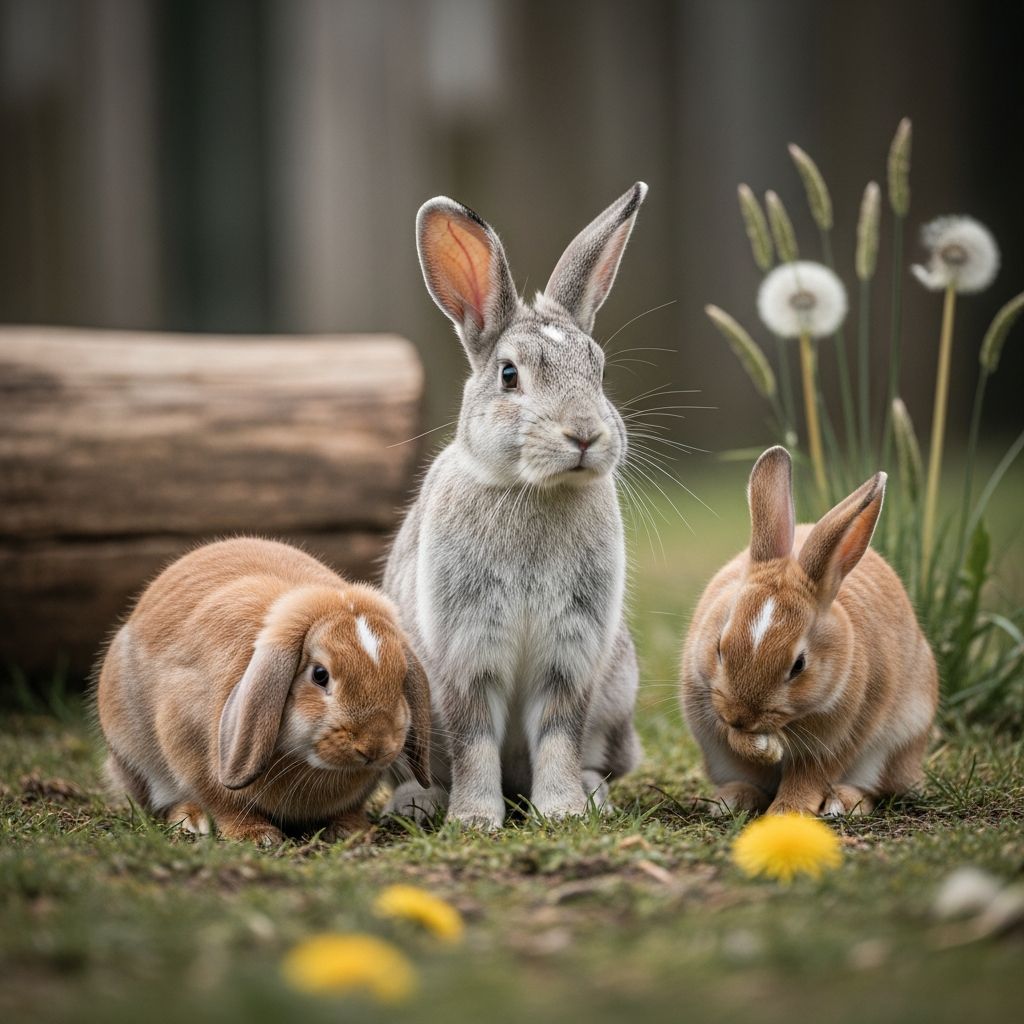
Understanding Dominance in Rabbits
Rabbits are highly social animals that naturally organize themselves into hierarchical structures, much like many other species that live cooperatively in groups. This social hierarchy, often called a “pecking order,” serves a critical biological function: reducing aggression and conflict among group members. When rabbits establish a clear dominance relationship, they create a peaceful framework where each animal knows its place, reducing the need for constant fighting over resources like food, shelter, and attention. Understanding rabbit dominance is essential for anyone who keeps multiple rabbits, as it directly impacts their welfare, behavior, and the quality of their interactions with one another and their human caregivers.
Why Do Rabbits Show Dominance?
Rabbits are not born with a predetermined status or rank. Instead, they acquire dominance through a process of social negotiation with other rabbits in their group. Status is granted by other rabbits when they recognize superior qualities in a particular individual. A rabbit that successfully obtains and maintains access to valuable resources—such as a comfortable burrow, preferred food, or optimal resting spots—may establish dominant status. The other rabbits in the group then recognize this status and defer accordingly.
In the natural order, rabbits organize themselves into what researchers call a hierarchy. Some rabbits obtain dominant status while others take subordinate positions. This arrangement creates a clear social structure that is typically maintained amicably without constant confrontation. A truly dominant rabbit consistently gains access to resources without having to fight for them when competing with another rabbit. Meanwhile, the subordinate rabbit or rabbits in the relationship consistently allow the dominant individual priority access to those resources without engaging in conflict.
The fundamental purpose of this hierarchical system is to reduce aggression within the group. When a clear hierarchy is established and maintained, rabbits understand their positions and can coexist peacefully. Aggression typically emerges when this hierarchy becomes unstable or unclear, or when environmental conditions—such as inadequate space or insufficient resources—create stress and competition.
How Rabbit Hierarchy Differs in Captivity
In the wild, when aggression occurs between young rabbits, they work it out and then one individual leaves to establish their own territory or find another group. This natural separation mechanism prevents escalating conflict. However, in captivity, there is nowhere for the subordinate rabbit to go. Unlike wild rabbits, pet rabbits live with the companions their humans chose, not the companions they would choose themselves. This forced proximity, combined with the inability to escape, means tension and aggression can escalate more easily in captive environments.
When aggression occurs toward people or other rabbits in a home setting, it is usually because there is no way for them to get away from each other, or because there are insufficient resources available. Space, access to food, hiding spots, and litter boxes should all be abundant to minimize competition and reduce friction in multi-rabbit households.
Recognizing Dominance Behaviors in Rabbits
Understanding the specific behaviors that rabbits use to establish and maintain dominance is crucial for recognizing when hierarchy negotiations are occurring. These behaviors are elaborate and varied, and learning to identify them will help you understand your rabbits’ relationship dynamics.
Mounting and Humping
While mounting is often associated with mating behavior, particularly in unaltered rabbits, it is also a significant dominance display. During the bonding process, the top rabbit will attempt to claim their position by mounting and humping the other rabbit. This behavior occurs between same-sex pairs as well as opposite-sex pairs, and it can involve either the male or female rabbit mounting the other. Mounting is the dominant rabbit’s way of asserting their superiority and establishing their position in the hierarchy.
Chasing and Circling
Chasing is one of the most obvious dominance behaviors. A dominant rabbit will pursue the other rabbit around the space as a display of power and control. Running around the other rabbit in tight circles is another intimidation technique, where the dominant rabbit creates a physical display of agility and confidence. These circling movements are often followed by mounting or nipping, as the dominant rabbit asserts its position.
Nipping and Fur Pulling
Nipping and pulling the other rabbit’s fur are aggressive dominance displays. While these behaviors can be difficult to watch, they are part of the normal dominance-establishment process. However, if these behaviors escalate into serious fighting with injury, intervention may be necessary to prevent harm.
Grooming Dynamics
Grooming behavior provides one of the clearest indicators of dominance hierarchy. The easiest way to tell which rabbit is dominant is to observe their grooming patterns. A dominant rabbit will groom the other rabbit significantly less frequently and for shorter periods than subordinate rabbits groom them. The subordinate rabbit typically grooms the dominant rabbit more often and for longer durations.
When two rabbits are negotiating dominance and neither has yet established their position, you may observe a grooming standoff. Both rabbits will put their heads down, requesting grooming from the other, but neither will initiate it. This stalemate continues until one rabbit gives in and grooms the other—and in doing so, accepts the subordinate position. The first rabbit to give in is essentially acknowledging the other’s higher rank. Sometimes the dominant rabbit will acknowledge this submission by offering a few licks on the subordinate rabbit’s forehead, which may appear similar to a bowing gesture.
Head Bonking and Face Confrontation
Rabbits assert dominance by thrusting their heads toward other rabbits. If the subordinate rabbit complies and allows this head contact for an extended period, it generally indicates they have accepted the lower rank. If the grooming that follows is brief or if the subordinate rabbit resists, the hierarchy remains unclear. Directly getting in each other’s faces is another dominance assertion technique.
Following Behavior
In established hierarchies, the subordinate rabbit often follows the dominant rabbit everywhere. This behavior is especially noticeable with anxious or shy rabbits who might be too timid to explore independently but don’t want to be left behind. The lower-ranking rabbit will sniff and chin the same objects after the dominant rabbit moves past them, then follow the leader to the next location. This following pattern reinforces the hierarchy and demonstrates the subordinate rabbit’s acceptance of the dominant position.
Resource Access and Sharing
The way rabbits interact around toys, food, and human attention clearly reflects their hierarchy. With toys, the lower-ranking rabbit will typically wait until the dominant rabbit has finished playing or lost interest before approaching and using the toy. The same applies to getting attention from their human caregivers. Often the dominant rabbit demands attention first, and some bossy bunnies will even become jealous and chase away the subordinate rabbit if humans pay too much attention to the lower-ranking rabbit instead of the boss.
Sleeping Positions
When bonded pairs sleep together, sleeping positions often reflect hierarchy. The dominant rabbit frequently flops over completely in a relaxed position while sleeping, whereas the subordinate rabbit often sleeps in a “loaf” position (sitting with legs tucked underneath). The loaf position allows the lower-ranking rabbit to react quickly if needed, essentially allowing them to “stand guard” for the dominant rabbit. If anything occurs, the subordinate rabbit can jump to awareness and wake up the boss. This arrangement doesn’t occur every time they sleep together, but it happens frequently enough to be a reliable indicator of hierarchy. Additionally, dominant rabbits sometimes literally lay on top of their subordinate companions—draping themselves over the other rabbit’s head or torso in positions that look uncomfortable for both animals. This is another way the dominant bunny maintains and reinforces their position even after bonding is complete.
Managing Dominance in Your Rabbits
Understanding rabbit hierarchy allows you to interact with your rabbits in ways that won’t create unnecessary tension in their relationship. You can pet and feed your rabbits strategically, being mindful of their relative positions. Additionally, recognizing which behaviors are normal dominance displays and which indicate aggression or distress helps you respond appropriately to situations.
The Learn to Earn System
One effective way to manage dominance and reduce resource-related aggression is to implement a “Learn to Earn” system. In this system, your pet rabbit must willingly comply with a previously trained command or cue before receiving a resource or privilege. This approach works because you are the “top rabbit” and the ultimate decision maker. By being consistent with this system, your rabbit will understand quickly, feel more relaxed, and experience less defensive behavior over resources. When the rabbit must earn access to food, treats, toys, and attention through cooperative behavior, it reinforces your role as the leader and provides structure that helps your rabbit feel secure.
Creating an Optimal Environment
To minimize aggression and support healthy dominance hierarchies in captive rabbits, ensure that your environment has abundant resources. Multiple litter boxes, food stations, water sources, and hiding spots reduce competition and stress. Providing adequate space allows each rabbit to establish their own territory and escape routes, which helps prevent escalation of conflicts. Regular monitoring of your rabbits’ behavior and adjustment of their environment as needed will support their wellbeing and the stability of their social structure.
Frequently Asked Questions
Q: Is dominance behavior the same as aggression in rabbits?
A: No. Dominance behavior is a normal part of establishing hierarchy and is typically not aggressive. However, aggression can develop when the hierarchy becomes unstable, when resources are limited, or when rabbits cannot escape each other.
Q: How long does it take for rabbits to establish dominance?
A: The timeline varies depending on the individual rabbits and their compatibility. Some pairs establish clear hierarchy quickly, while others may take weeks or months. Some bonded pairs show subtle signs of hierarchy rather than obvious displays.
Q: Should I intervene if I see mounting behavior?
A: Not necessarily. Mounting is a normal part of establishing hierarchy. However, if mounting escalates into fighting or injury, you may need to separate the rabbits and consult with a rabbit behavior specialist.
Q: Can rabbits change their dominance position?
A: Yes, dominance positions can shift, particularly if one rabbit becomes ill, injured, or weakened. A previously subordinate rabbit might challenge for dominance during these periods.
Q: Why is one of my rabbits always following the other?
A: Following behavior typically indicates that the following rabbit is the subordinate member of the pair. The lower-ranking rabbit follows the dominant rabbit to new areas and often mimics the dominant rabbit’s behavior.
Q: How can I support a healthy hierarchy in my bonded pair?
A: Implement a Learn to Earn system, provide abundant resources, ensure adequate space, and observe your rabbits’ natural behaviors without unnecessary intervention. Consistency and patience are key.
References
- Understanding Dominance in Rabbits — Chewy. 2024. https://www.chewy.com/education/small-pet/rabbit/understanding-dominance-in-rabbits
- How Do Rabbits Establish Dominance — Omlet. 2024. https://www.omlet.us/guide/rabbits/rabbit_faqs/rabbit_dominance/
- How Do Rabbits Establish Dominance in a Bonded Pair — Bun Lady. 2024. https://bunnylady.com/establish-dominance/
- Understanding Rabbit Body Language and Behavior — City of Hayward Police Department. 2024. https://www.hayward-ca.gov/sites/default/files/police/Rabbit-Behavior.pdf
- Understanding Rabbit Behaviour — Discover Wildlife. 2024. https://www.discoverwildlife.com/animal-facts/mammals/understand-mammal-behaviour-rabbits
- Dominance in a Rabbit Pair — YouTube Educational Content. 2024. Behavioral demonstration and explanation of rabbit hierarchy dynamics.
Similar Articles








Read full bio of medha deb