

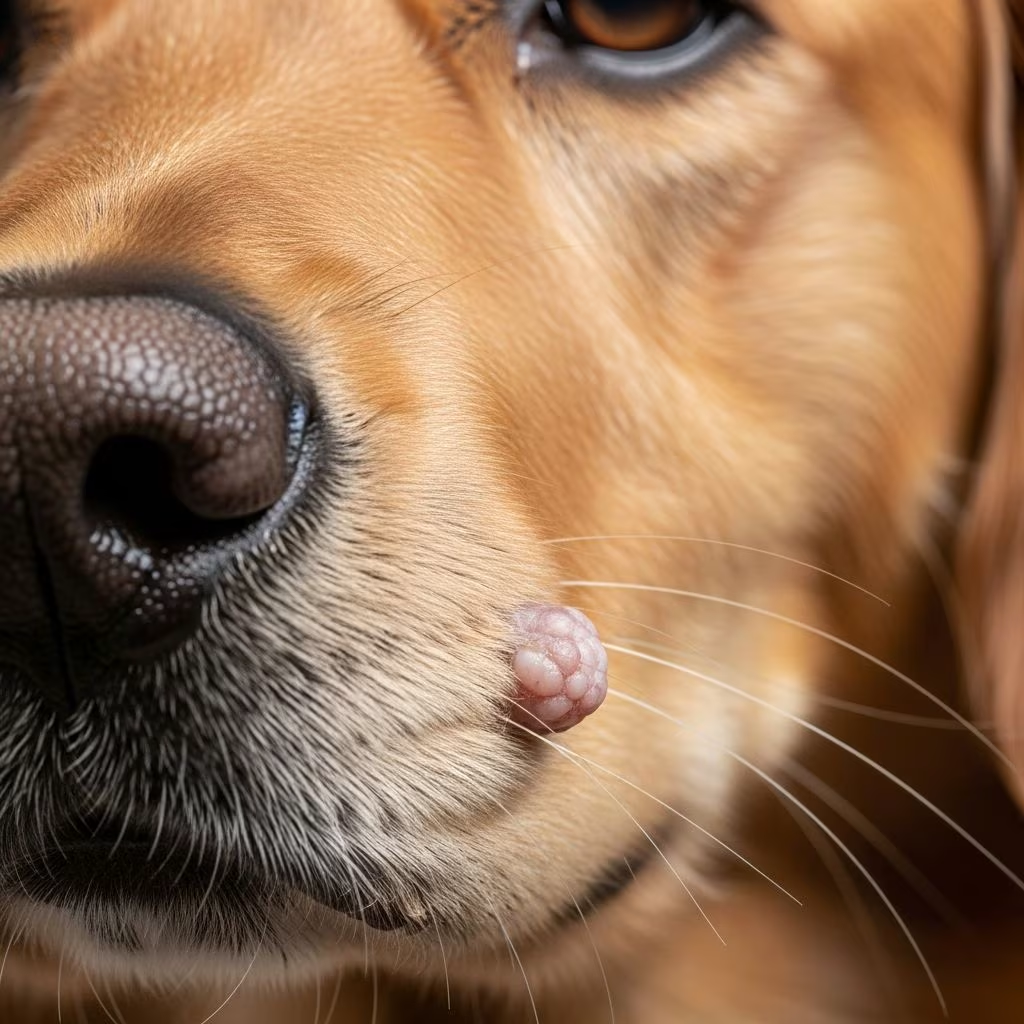
Canine warts, known scientifically as viral papillomas, represent a frequent yet typically harmless skin condition in dogs triggered by specific papillomaviruses. These growths often emerge in puppies or dogs with weakened immunity and usually resolve without intervention as the animal’s defenses strengthen.
Recognizing the Signs of Canine Papillomas
Dog warts manifest as small, rounded protrusions on the skin or mucous membranes, frequently displaying a cauliflower-like texture. They commonly appear on the lips, muzzle, eyelids, gums, or between the toes, though locations vary by viral strain.
- Mucosal types: Cluster around the mouth and face, potentially hindering eating or causing drooling in severe cases.
- Digital variants: Develop on paw pads or toe spaces, leading to limping if irritated.
- Cutaneous forms: Occur on the abdomen, legs, or trunk, especially in older dogs or those exposed to certain strains.
These lesions start tiny and flesh-colored, expanding into grayish, rough-surfaced bumps over days to weeks. While painless initially, they can bleed, ulcerate, or invite bacterial infections from licking or scratching.
The Viral Culprit Behind Dog Warts
Over two dozen strains of canine papillomavirus (CPV) drive these growths, each targeting specific body regions. CPV-1 predominantly affects oral areas in young dogs, while CPV-2 favors paws and belly skin.
The virus infiltrates via micro-abrasions in the skin or mucosa, hijacking cell DNA to spur uncontrolled proliferation. Puppies under two years and seniors over seven face higher risks due to immature or declining immune responses. Immunosuppressed dogs on medications like corticosteroids also succumb more readily.
| Viral Strain | Common Location | Primary Age Group |
|---|---|---|
| CPV-1 | Mouth, lips, eyelids | Puppies |
| CPV-2 | Feet, abdomen | Adults/Seniors |
| Other CPVs | Skin, genitals | All ages |
Transmission occurs dog-to-dog through direct contact with lesions or contaminated surfaces like bowls and kennel floors. Indirect spread via shared toys amplifies outbreaks in multi-dog settings.
Why Do Warts Appear More in Certain Dogs?
Immune maturity plays a pivotal role; youthful systems lack robust antibodies against CPV, allowing rapid wart proliferation. Conversely, aging or chronically ill dogs experience immune fatigue, prolonging persistence.
Environmental factors exacerbate vulnerability: crowded shelters, grooming salons, or dog parks serve as hotspots. Breeds with skin folds, like Bulldogs, may notice higher incidences due to moisture-trapping areas fostering viral entry.
Typical Progression and Natural Resolution
In robust dogs, papillomas peak within 4-8 weeks post-infection, then regress over 1-3 months as immunity mounts. The body produces neutralizing antibodies, shrinking and sloughing off growths without scarring.
Monitoring involves weekly checks for size changes, color shifts to black (indicating necrosis), or new outbreaks signaling reinfection or different strains. Full immunity to the infecting CPV type follows resolution, though cross-protection against others remains limited.
When to Seek Veterinary Attention
Most cases self-limit, but prompt vet evaluation prevents complications. Red flags include:
- Warts persisting beyond 3-5 months, risking malignant transformation (rare).
- Obstructive growths impairing vision, gait, or mastication.
- Signs of infection: pus, foul odor, swelling, or fever.
- Excessive grooming causing trauma or anemia from bleeding.
Diagnosis entails physical exam, cytology (scraping for viral cells), or biopsy to rule out mast cell tumors or squamous cell carcinoma mimics.
Available Treatment Approaches
Veterinarians tailor interventions to wart burden and symptoms. Observation suffices for mild, isolated cases.
Surgical Options
For problematic solitary warts, excision via scalpel, laser, or cryotherapy (liquid nitrogen freezing) offers quick relief. These outpatient procedures minimize recurrence by removing infected tissue entirely.
Medical Therapies
Multiple lesions prompt immune-boosting drugs:
- Azithromycin: Oral antibiotic with immunomodulatory effects, dosed weekly for 3-4 treatments.
- Autogenous vaccines: Ground wart tissue injected to provoke targeted immunity, ideal for kennel outbreaks.
- Interferon-alpha: Injectable antiviral for refractory cases, though costly and variably effective.
- Cimetidine: Histamine blocker with reported immune stimulation in anecdotal use.
Topicals like imiquimod cream or podophyllin resin ablate small clusters but require caution around eyes and mouth.
Prevention Strategies for Papilloma-Free Pets
No commercial vaccine exists, but hygiene curbs spread:
- Isolate infected dogs from playmates until clearance.
- Disinfect environments with diluted bleach (1:32).
- Boost immunity via balanced nutrition, parasite control, and vaccinations.
- Avoid overcrowding in boarding facilities.
For high-risk settings like breeding kennels, autogenous vaccines provide herd protection.
Distinguishing Warts from Serious Conditions
Not all bumps are benign. Compare via this guide:
| Feature | Dog Wart | Serious Alternative |
|---|---|---|
| Appearance | Cauliflower, multiple | Smooth, solitary, ulcerated |
| Growth Speed | Weeks | Months |
| Age | Young/Old | Any |
| Behavior | Regresses | Progresses |
Melanomas, histiocytomas, or sebaceous adenomas demand biopsy confirmation.
Frequently Asked Questions (FAQs)
Are dog warts contagious to humans?
No, canine CPV strains do not infect people; human papillomavirus differs.
Can my dog get warts more than once?
Immunity is strain-specific, so yes, exposure to new CPVs possible.
How long until warts disappear?
Typically 1-3 months in healthy dogs; longer in compromised ones.
Is home removal safe?
No—risks infection, bleeding, or incomplete excision promoting spread.
Do warts hurt my dog?
Usually not, unless traumatized or infected.
Long-Term Management for At-Risk Dogs
Immunosuppressed pets benefit from regular wellness checks, adjusted meds, and supportive care like omega-3 supplements for skin health. Early detection via monthly skin exams empowers proactive care.
Owners of breeds prone to skin issues should maintain meticulous grooming to avert abrasions. Nutritional support with antioxidants bolsters resilience against viral incursions.
References
- Warts in Dogs – Types, Causes, and Treatments — PetMD. 2023. https://www.petmd.com/dog/conditions/all-about-dog-warts-types-causes-and-treatments
- Dog Wart Removal: Procedure, Coverage and Costs — CareCredit. 2024. https://www.carecredit.com/well-u/pet-care/dog-wart-removal/
- What Causes Dog Warts? — PetCareRx. 2023. https://www.petcarerx.com/article/what-causes-dog-warts/2869
- Dog Warts: What are They and What Causes Them? — Hill’s Pet. 2024. https://www.hillspet.com/dog-care/healthcare/dog-warts
- Canine Papilloma Virus: Cause, Treatment & Symptoms — Pawlicy Advisor. 2024. https://www.pawlicy.com/blog/oral-papilloma-virus-in-dogs/



