

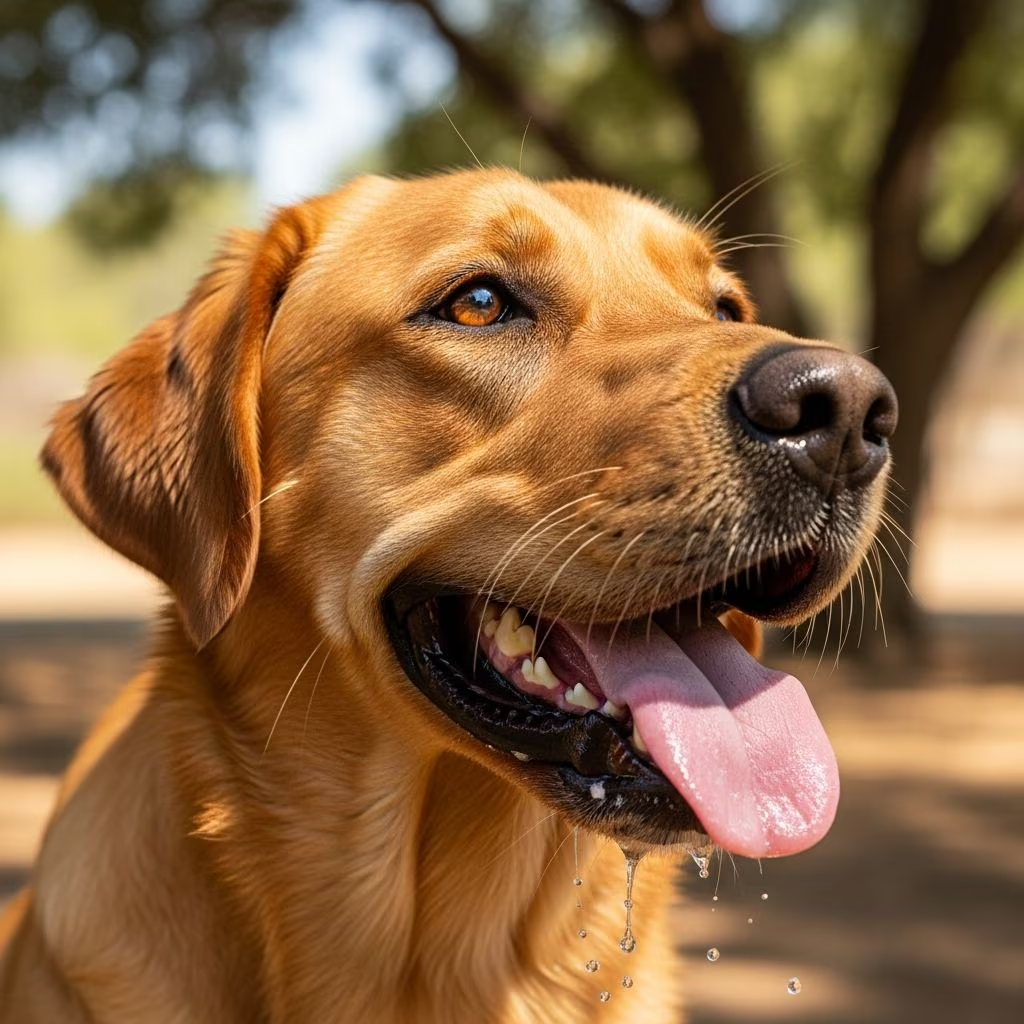
Dogs pant primarily to regulate their body temperature through evaporation from the mouth and respiratory tract, as they lack effective sweat glands like humans.
The Physiology of Canine Cooling
Unlike humans who rely on widespread sweating, dogs depend on panting as their main thermoregulatory mechanism. When a dog pants, it takes in air rapidly through an open mouth, allowing moisture on the tongue and in the airways to evaporate. This process cools the blood vessels near the surface, distributing cooler blood throughout the body.
Research shows distinct panting patterns based on environmental heat or exercise intensity. For instance, at rest in moderate temperatures below 26°C, dogs use a basic pattern, while higher heat or activity triggers more efficient airflow modulation for optimal cooling.
Breeds with short snouts, like Bulldogs or Pugs, face challenges due to airway restrictions, making panting less effective and increasing overheating risks.
Everyday Triggers for Panting
Panting occurs in routine situations beyond just heat. After play or walks, it’s a sign of exertion as the dog recovers oxygen levels and sheds excess heat.
- Exercise: Vigorous activity raises core temperature, prompting quick breaths to restore balance.
- Excitement: Tail-wagging joy, like during greetings, activates the sympathetic nervous system, mimicking heat response.
- High altitudes: Thinner air demands more rapid breathing for oxygen intake.
Owners often notice this post-walk or during games, where panting eases within minutes in cool conditions.
Stress and Emotional Factors
Panting signals emotional states too. Anxiety from thunderstorms, car rides, or new environments triggers the fight-or-flight response, accelerating heart rate and shallow breathing.
Similar to human sweaty palms under stress, dogs’ increased respiration helps manage adrenaline surges. Calming techniques like familiar toys or quiet spaces can reduce this.
Panting Changes in Senior Dogs
Aging alters panting frequency and intensity. Weaker diaphragm and intercostal muscles make shallow panting less effortful than deep breaths.
| Factor | Impact on Panting | Management Tips |
|---|---|---|
| Muscle Weakness | Increased reliance on panting | Gentle exercises to maintain strength |
| Obesity | Strains cardiovascular system | Weight control diet and monitored activity |
| Adrenaline Sensitivity | Stronger reactions to stress | Calm environments, routine schedules |
Senior dogs pant more readily from minor excitements or pains, highlighting the need for regular health checks.
Medical Conditions Linked to Abnormal Panting
Excessive or unexplained panting warrants attention, as it may indicate underlying issues.
Cardiovascular Diseases
Conditions like congestive heart failure, cardiomyopathy, or heartworms impair oxygen delivery, causing persistent panting alongside lethargy, coughs, or exercise intolerance.
Respiratory Disorders
Laryngeal paralysis, collapsed trachea, pneumonia, or lung tumors hinder airflow, forcing compensatory panting. Fluid buildup or chest masses further restrict lung expansion.
Endocrine Imbalances
Cushing’s disease (hyperadrenocorticism) floods the system with cortisol, leading to panting from liver pressure on the diaphragm or thromboembolism. Symptoms include thirst, hunger, and pot-bellied stance. Hypothyroidism or its over-treatment with thyroxine also provokes it.
Other Health Triggers
- Pain: Injuries or arthritis prompt panting as a distress signal.
- Anemia: Reduced oxygen-carrying blood capacity.
- Medications: Steroids like prednisone, opioids, or benzodiazepines list panting as a side effect.
- Obesity: Extra weight pressures organs and promotes overheating.
- Postpartum Eclampsia: Low calcium in nursing mothers.
Recognizing Normal vs. Problematic Panting
Context determines if panting is benign. Normal cases tie to activity, heat, or brief stress and resolve quickly in comfort.
Worrisome signs include:
- Panting at rest in cool environments.
- Accompanied by weakness, vomiting, or pale gums.
- Sudden onset without triggers.
- Progressively worsening over days.
Heatstroke emergencies feature rapid, exaggerated panting with drooling, disorientation, or collapse—act immediately with cooling and vet contact.
When to Consult a Veterinarian
If panting persists unexplained, schedule a checkup. Vets may run bloodwork, X-rays, or cardiac exams to pinpoint causes.
Early intervention prevents complications from diseases like heart failure or Cushing’s, improving outcomes.
Prevention and Home Care Strategies
Support your dog’s comfort proactively:
- Provide shade, water, and avoid hot walks.
- Maintain ideal weight via balanced nutrition.
- Use anxiety wraps or pheromone diffusers for stress.
- Regular vet visits for seniors.
Frequently Asked Questions (FAQs)
Is panting always a sign of overheating?
No, while primary for cooling, it also reflects excitement, stress, pain, or illness.
Why do some breeds pant more?
Brachycephalic breeds have inefficient airways, amplifying panting needs.
Can medications cause panting?
Yes, steroids, painkillers, and thyroid drugs often do.
How does age affect panting?
Older dogs pant more due to muscle weakness, obesity, and stress sensitivity.
What emergencies involve panting?
Heatstroke, heart issues, or eclampsia require immediate vet care.
References
- Why Do Dogs Pant? — Small Door Veterinary. 2023. https://www.smalldoorvet.com/learning-center/medical/why-do-dogs-pant
- Determining the Cause of Your Dog’s Panting — Whole Dog Journal. 2022-10-01. https://www.whole-dog-journal.com/behavior/determining-the-cause-of-your-dogs-panting/
- Why Do Dogs Pant? What To Know About Dogs and Panting — PetMD. 2024. https://www.petmd.com/dog/general-health/why-do-dogs-pant
- Panting in dogs: paths of air flow in response to heat and exercise — PubMed (Journal of Applied Physiology). 1981-08. https://pubmed.ncbi.nlm.nih.gov/7280382/



