

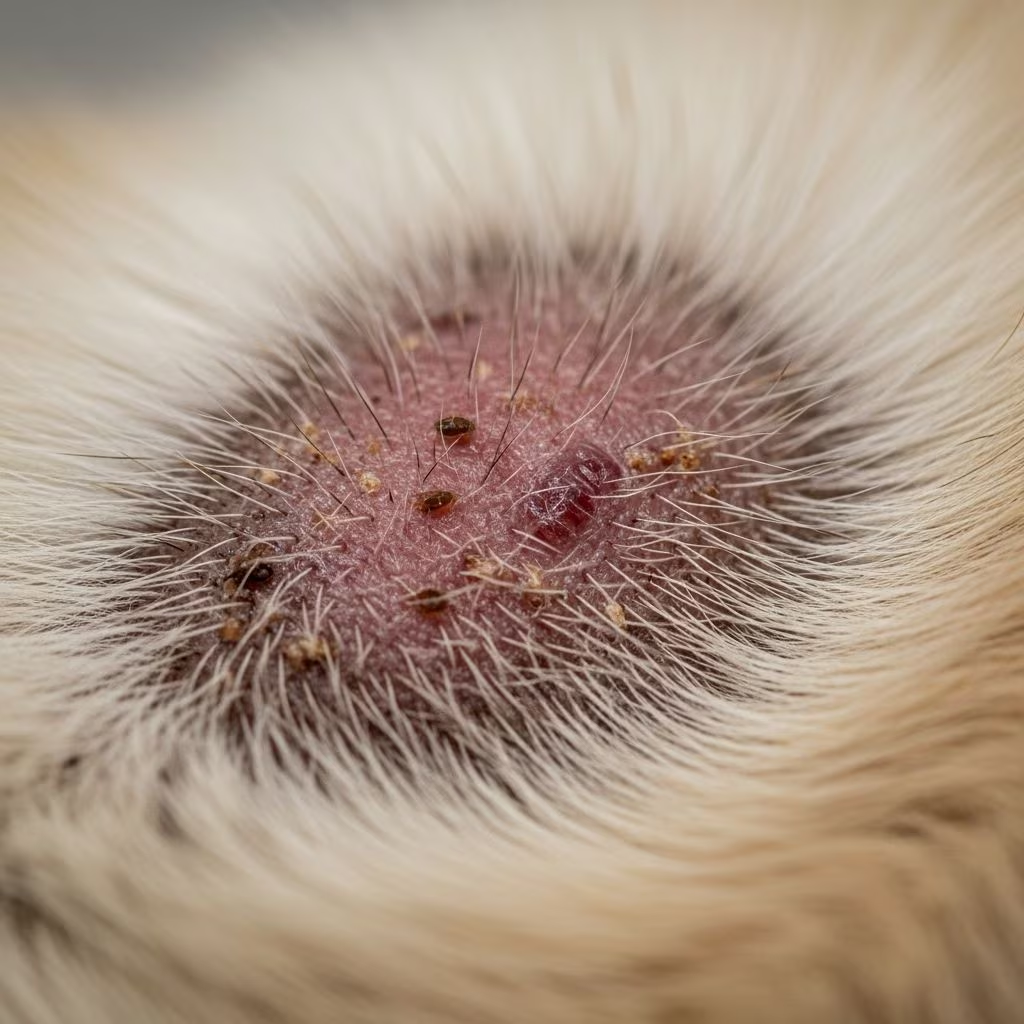
Dog mange is a common parasitic skin condition triggered by mites that burrow into the skin, leading to discomfort, irritation, and visible changes in a dog’s coat and skin health. Prompt recognition and veterinary intervention are crucial for effective management and recovery.
The Nature of Mange in Canines
Mange arises from infestations of microscopic mites that disrupt normal skin function. These parasites either burrow tunnels under the skin or multiply excessively in hair follicles, causing inflammation and secondary issues like bacterial infections. Unlike fleas or ticks, mange mites are highly specialized, targeting dogs specifically and leading to unique symptom patterns depending on the mite species involved.
The condition affects dogs of all ages but is more prevalent in those with compromised immunity, such as puppies, seniors, or animals under stress. Environmental factors like crowded living conditions in shelters can accelerate transmission for contagious forms.
Primary Types of Mange Affecting Dogs
Two main variants dominate canine mange cases: sarcoptic and demodectic. Each presents distinct characteristics in transmission, symptoms, and required interventions.
Sarcoptic Mange (Scabies)
This highly contagious form stems from the Sarcoptes scabiei mite. Dogs acquire it through direct contact with infected animals or shared surfaces like bedding. Symptoms emerge 10 days to 8 weeks post-exposure, starting on ears, elbows, legs, chest, and belly. Key indicators include extreme itching, crusted yellow skin, inflammation, hair loss, rashes, and potential yeast infections or oozing sores in advanced stages.
Demodectic Mange
Caused by Demodex mites naturally residing in hair follicles, this non-contagious type flares when immunity weakens. Localized versions affect face, eyes, and paws with patchy hair loss, mild itching, red scaly skin, and sometimes oily discharge. Generalized cases spread body-wide, risking severe complications if untreated.
| Type | Cause | Contagious? | Common Sites |
|---|---|---|---|
| Sarcoptic | Sarcoptes scabiei mite | Yes, highly | Ears, elbows, legs, belly |
| Demodectic (Localized) | Demodex mite overgrowth | No | Face, eyes, paws |
| Demodectic (Generalized) | Demodex mite overgrowth | No | Body-wide |
Recognizing Early Warning Signs
Owners often notice behavioral changes first, such as relentless scratching, rubbing against furniture, or biting at skin. Visible cues include bald patches, reddened inflamed areas, flaky or crusty skin, foul odors from oily seborrhea, and in severe instances, thickened wrinkled skin with weeping sores. Lethargy and weight loss signal advanced progression, especially if secondary infections set in.
- Intense pruritus: Primary in sarcoptic; milder in demodectic.
- Alopecia: Symmetrical patches progressing to widespread loss.
- Skin changes: Redness, scaling, crusting, ulcers.
- Secondary effects: Bacterial pyoderma, yeast overgrowth.
These signs mimic allergies, ringworm, or pyoderma, underscoring the need for professional diagnosis via skin scrapings or biopsies to identify mites microscopically.
Risk Factors and Vulnerable Populations
Not all dogs succumb equally. Puppies with immature immunity, elderly dogs with declining defenses, and those battling chronic illnesses face heightened susceptibility. Poor nutrition impairs skin barrier integrity, while stress from boarding or poor hygiene exacerbates risks. Breeds like Collies carrying MDR1 gene mutations require cautious treatment due to sensitivities to certain parasiticide.
Veterinary Diagnosis Process
A vet conducts a thorough exam, often performing deep skin scrapings to detect mites under magnification. For demodectic cases, blood tests or imaging rule out underlying immunosuppression. Sarcoptic diagnosis may rely on response to trial therapy if scrapings prove negative, as mites evade detection in 20-30% of instances. All household pets receive evaluation to curb spread.
Effective Treatment Strategies
Treatment protocols vary by type and severity but center on eradicating mites, alleviating symptoms, and healing skin. Most cases resolve in 4-6 weeks with compliance, though chronic demodectic may extend timelines.
Pharmacological Interventions
- Topicals: Medicated shampoos, lime-sulfur dips (2-3% solution weekly), amitraz dips for demodex.
- Spot-ons: Imidacloprid/moxidectin, selamectin, fluralaner pipettes applied every 7-30 days.
- Oral/Injectables: Isoxazolines (afoxolaner, fluralaner), milbemycin oxime, doramectin; ivermectin cautiously.
- Supportives: Antibiotics (e.g., cephalexin) for infections, anti-inflammatories or antihistamines for itch.
Elizabethan collars prevent self-trauma during recovery.
Home Management and Supportive Care
Complement vet care with clean bedding washed in hot water, frequent vacuuming, and hypoallergenic diets rich in omega fatty acids for skin repair. Avoid overbathing to preserve natural oils.
Preventive Measures for Long-Term Protection
Year-round flea/tick preventives with miticidal properties safeguard against sarcoptic incursions. Maintain robust nutrition, routine wellness checks, and quarantine new pets. For demodex-prone dogs, monitor puppies closely and address stressors promptly. Environmental decontamination is vital for scabies: discard or thoroughly clean all contacts.
Prognosis and Potential Complications
With timely intervention, full recovery is the norm. Untreated sarcoptic spreads rapidly, emaciating dogs; chronic demodex signals deeper issues like hypothyroidism. Fatalities are rare but occur from mismanagement or unaddressed comorbidities.
Frequently Asked Questions (FAQs)
Can humans catch mange from dogs?
Sarcoptic mites may cause temporary itching in humans but cannot complete life cycles on non-canine hosts. Demodex is species-specific.
How long does mange treatment take?
Typically 4-6 weeks; monthly skin checks ensure clearance with two negative scrapings.
Is mange curable?
Yes, most cases resolve completely with proper therapy, though relapses occur in immunocompromised dogs.
Can I treat mange at home?
No, veterinary prescription is essential; home remedies soothe but do not eradicate mites.
What diet helps with mange recovery?
High-quality proteins, omega-3s, and antioxidants bolster immunity and skin healing.
Monitoring Recovery and Follow-Up
Post-treatment, observe for recurrence: renewed itching or lesions warrant immediate vet revisit. Monthly preventives and health screenings sustain remission, especially for at-risk dogs. Early vigilance transforms mange from a crisis to a manageable episode.
References
- Mange in Dogs: Symptoms, Causes, and Treatment — Spot & Tango. 2023. https://www.spotandtango.com/blog/mange-in-dogs
- Demodectic mange in dogs and cats: diagnosis and treatment — Vets & Clinics. 2022-10-01. https://www.vetsandclinics.com/en/library/demodectic-mange-in-dogs-and-cats-diagnosis-and-treatment
- Mange in Dogs: Symptoms, Causes and Treatment — PetMD. 2024. https://www.petmd.com/dog/conditions/skin/mange-dogs
- Mange in Dogs: Signs, Symptoms & Treatment — Purina. 2023. https://www.purina.com/articles/dog/health/parasites/mange-in-dogs
- Your Dog Mite Have Mange: Photos, Symptoms + Treatments — LavenGel. 2023. https://lavengel.com/pages/skin-issues-mange
- Mange (sarcoptes mite) in dogs — PDSA. 2024. https://www.pdsa.org.uk/pet-help-and-advice/pet-health-hub/conditions/mange-sarcoptes-mite-in-dogs
- Mite Infestation (Mange, Acariasis, Scabies) in Dogs — MSD Veterinary Manual. 2024. https://www.msdvetmanual.com/dog-owners/skin-disorders-of-dogs/mite-infestation-mange-acariasis-scabies-in-dogs



