

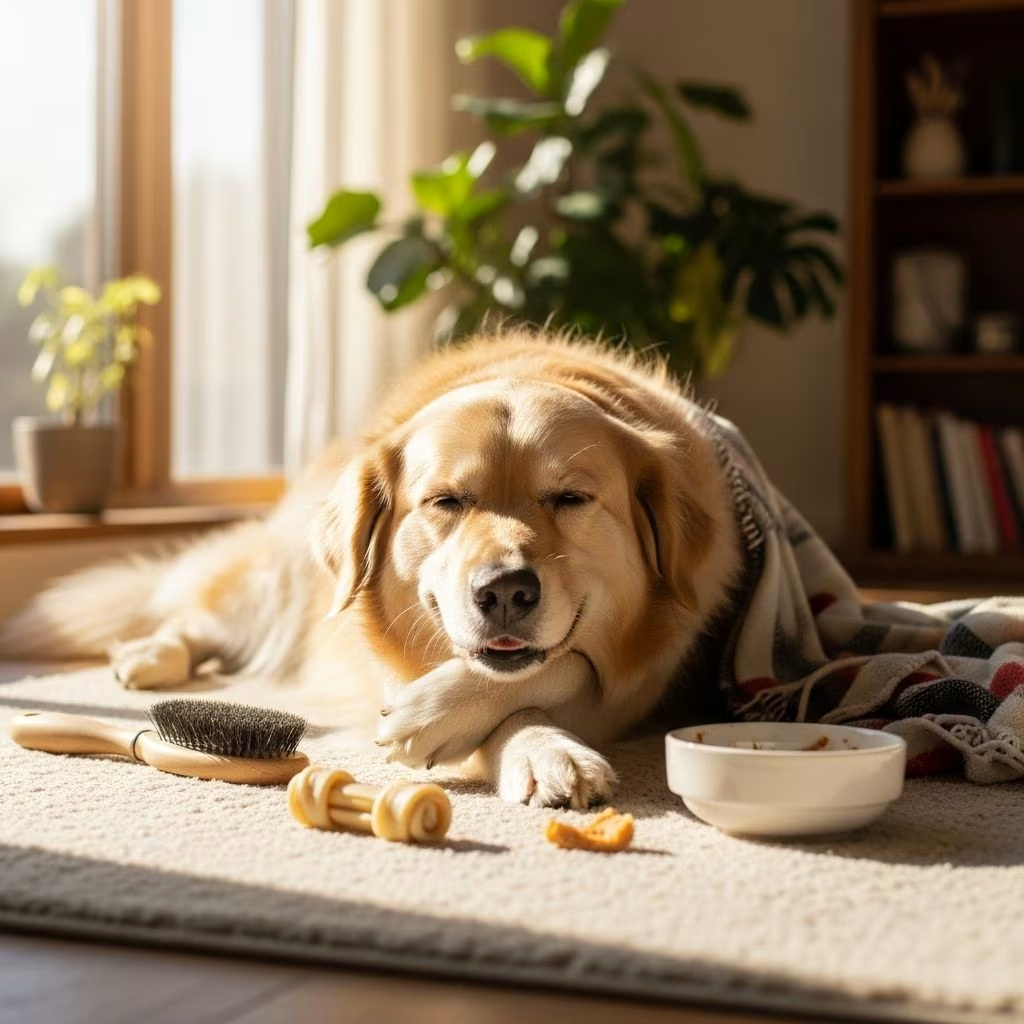
When your dog finishes a meal and then begins a series of stretches, rolls, zoomies, or snuggles, they are likely performing what many behavior experts describe as a dog contentment ceremony. This post-meal ritual is a cluster of behaviors that signal comfort, safety, satisfaction, and social bonding.
Dogs are creatures of habit, and the way they act after eating can tell you a lot about their emotional and physical wellbeing. By paying attention to these small but meaningful moments, you can better understand your dog’s needs, reinforce your bond, and support their overall health.
What Is a Dog Contentment Ceremony?
A contentment ceremony is a pattern of behaviors dogs often perform after eating when they feel relaxed, full, and secure in their environment. It is not a formal ritual, but rather a natural sequence of actions that can include stretching, rolling, rubbing on surfaces, leisurely walking, or seeking contact with their favorite humans.
Animal behaviorists recognize that dogs use ritualized behaviors to transition between states—for example, from hunger to satiety or from high alert to rest. These sequences help them manage arousal and emotions and are rooted in evolution and learning over time.1
Typical Elements of a Contentment Ceremony
- Full-body stretches, especially front-leg and back-leg stretches
- Rolling on their back or side on the floor, grass, or bed
- Rubbing their face, neck, or sides on carpets or furniture
- A slow, satisfied walk around the room or house
- Soft tail wagging and relaxed facial expressions
- Approaching you for affection, leaning against you, or curling up nearby
These behaviors usually happen within a few minutes after eating and often repeat in a similar order each day, forming a predictable and comforting pattern for your dog.
Why Dogs Have Contentment Ceremonies After Eating
Contentment ceremonies generally appear after meals because eating is a key biological and emotional event. Once hunger is satisfied, a dog transitions into a state of comfort and safety, which is frequently expressed through stretching and other relaxation behaviors.2
Stretching to Get Comfortable
One of the most common components of a contentment ceremony is stretching. Many guardians notice their dog performing long, luxurious stretches immediately after finishing their food. Parade Pets notes that dogs often have these ceremonies after eating because they are stretching around and trying to make themselves more comfortable.2
Stretches help:
- Loosen muscles that were still or tense during eating
- Facilitate digestion by gently engaging the core and abdominal area
- Shift the body from a focused, forward posture at the bowl to a more relaxed stance
Releasing Residual Excitement
Mealtime can be highly stimulating. Anticipation of food activates the reward system in a dog’s brain, including dopamine pathways associated with motivation and pleasure.3 After this peak of excitement and the satisfaction of eating, dogs may need to release leftover energy through playful movements or short bursts of activity, like zoomies or wiggles.
Signaling Safety and Relaxation
Dogs who feel safe in their home are more likely to display relaxed, vulnerable postures after eating—such as exposing their belly or stretching out fully. This behavior signals that they do not feel threatened or in competition for resources.
Research on dog behavior indicates that a predictable, secure environment with reliable access to food supports emotional stability and reduces anxiety-related behaviors.1 A contentment ceremony can be a visible sign that your dog feels comfortable and confident in their space.
Common Post-Meal Behaviors and What They Mean
Every dog’s contentment ceremony looks slightly different. Some rituals are quiet and gentle, while others are loud and energetic. Below is a comparison of typical post-meal behaviors and what they may indicate.
| Behavior | What It Often Means | What You Can Do |
|---|---|---|
| Full-body stretch (front and back legs) | Muscle relaxation, physical comfort, transition to rest | Let them stretch undisturbed; offer a comfy rest area nearby |
| Rolling on back or side | Comfort, playfulness, and trust; sometimes scratching an itch | Observe for enjoyment; if invited, gently rub belly or chest |
| Zoomies or wild running | Releasing excitement, joy, and pent-up energy | Ensure space is safe; allow short bursts of play |
| Rubbing face on carpet or furniture | Wiping food residue, sensory pleasure, scent-marking | Check for irritation; keep face and bowl area clean |
| Snuggling or leaning on you | Seeking social bonding and reassurance after eating | Offer calm petting and soft words to reinforce closeness |
| Finding a quiet place to lie down | Ready for rest and digestion; feels secure | Provide a quiet, draft-free, comfortable bed or mat |
How Contentment Ceremonies Strengthen Your Bond
These post-meal moments are powerful opportunities for connection. When your dog chooses to involve you in their contentment ceremony—by approaching you, nudging your hand, or settling by your feet—they are actively inviting social contact.
The Role of Touch and Oxytocin
Gentle petting, especially when your dog is relaxed, can increase levels of oxytocin, sometimes called the “bonding hormone,” in both the dog and the human.4 Oxytocin is linked to trust, social bonding, and stress reduction. Research has shown that mutual gaze and soft interaction between dogs and their guardians can trigger oxytocin release in both species.4
When you respond thoughtfully to your dog’s post-meal rituals, you reinforce a sense of safety and partnership that deepens your relationship over time.
Routines and Emotional Security
Dogs benefit from predictable routines. Regular mealtimes followed by consistent, calm interactions help your dog understand what to expect from their environment. Behavior experts note that predictable daily patterns can reduce anxiety and support better emotional regulation in companion animals.1
By recognizing and respecting your dog’s contentment ceremony, you are effectively saying, “I see you, I understand you, and you’re safe here.” This reassurance can be especially valuable for rescue dogs or dogs that have experienced unstable conditions in the past.
Supporting Healthy Contentment Ceremonies
Most contentment ceremonies are harmless and even beneficial. However, you can make them safer, healthier, and more satisfying for your dog with a few practical steps.
Create a Calm Mealtime Environment
- Feed your dog in a low-stress area away from frantic activity or loud noises.
- Provide separate feeding stations for dogs in multi-dog households to reduce tension.
- Use a stable, non-slip bowl at a comfortable height.
A calmer mealtime often leads to a more relaxed and positive contentment ceremony afterward.
Ensure Safe Space for Zoomies and Play
If your dog tends to burst into zoomies after eating, safety matters. While some veterinarians advise avoiding intense exercise immediately after meals to reduce theoretical risks of gastric dilation-volvulus (bloat) in large, deep-chested breeds, light playful movements in a safe area are typically acceptable for most dogs.5 Always consult your veterinarian about what level of activity is appropriate for your dog’s age, breed, and health.
- Clear clutter and obstacles from hallways or living areas.
- Avoid slippery surfaces where your dog could fall.
- Redirect overly rough play into a calmer activity if needed.
Watch for Signs of Discomfort
While contentment ceremonies are usually about comfort, certain behaviors can indicate an issue if they appear intense, repetitive, or accompanied by signs of distress. Contact your veterinarian if you notice:
- Persistent licking of lips, air, or objects
- Whining, pacing, or restlessness after eating
- Hunching, stretching repeatedly as if in pain, or guarding the abdomen
- Vomiting, diarrhea, or excessive drooling
Digestive upset, dental pain, or other medical problems can sometimes be disguised as quirky post-meal behavior, so it is important to distinguish normal contentment from potential discomfort.5
Adapting the Ritual for Different Dogs
Age, breed, and temperament all shape the form a contentment ceremony takes. Observing these differences can help you support your individual dog more effectively.
Puppies and Young Dogs
- More likely to show energetic contentment ceremonies with playful zoomies.
- May switch quickly from eating to play, then to rest.
- Benefit from gentle guidance to avoid overexcitement right after meals.
Adult and Working Breeds
- Often show a mix of calm stretching and short bursts of activity.
- May use post-meal time as an outlet for energy if their exercise needs are not fully met.
- Do well with structured routines that pair meals with short, calm bonding sessions.
Senior Dogs
- Typically display gentler, slower contentment ceremonies.
- May stretch carefully, then seek a soft, supportive surface to lie on.
- Require close attention to any changes in mobility, appetite, or comfort.
Turning Contentment Ceremonies Into Daily Bonding Time
Instead of treating your dog’s post-meal ritual as background noise, you can intentionally transform it into a meaningful daily practice.
Simple Ways to Participate
- Observe first: Watch your dog’s natural sequence without interrupting so you understand what they prefer.
- Add gentle affection: When they approach or invite contact, offer soft petting, slow strokes, and calm voice tones.
- Introduce a cue: Use a consistent phrase like “All done?” or “Good meal?” during this time to build a positive association.
- End with rest: Encourage them to settle on their bed or a favorite spot once their ceremony is complete.
What to Avoid
- Rough play or intense fetch immediately after large meals, especially for large, deep-chested breeds.
- Scolding or interrupting harmless contentment behaviors like rolling or gentle zoomies.
- Overstimulating your dog with loud voices or sudden movements during their calm phase.
Frequently Asked Questions (FAQs)
Q: Why does my dog roll on the floor after eating?
Many dogs roll or wiggle on the floor after meals as part of their contentment ceremony. It can help them scratch their back, spread their scent, and express relaxation and joy. If the rolling looks comfortable and playful, it is usually normal.
Q: Are post-meal zoomies safe for my dog?
Light zoomies in a safe space are generally fine for most healthy dogs. However, large and deep-chested breeds may be at higher risk for bloat, so veterinarians often advise avoiding vigorous exercise right after meals. Always ask your vet what level of activity is appropriate for your dog.
Q: My dog just wants cuddles after eating. Is that normal?
Yes. Seeking closeness after eating is a common sign of comfort and social bonding. Your dog may associate meals with safety and security and naturally turn to you for affection afterward. Calm petting and quiet time together can reinforce your relationship.
Q: Can changes in my dog’s contentment ceremony signal a problem?
A sudden shift—such as going from relaxed stretches to restlessness, whining, or repeated stretching as if in pain—can indicate discomfort. If you notice persistent changes, especially combined with appetite issues, vomiting, or diarrhea, contact your veterinarian for an evaluation.
Q: Should I train or discipline my dog during their contentment ceremony?
Contentment ceremonies are best used for calm bonding rather than strict training or discipline. This period should feel safe and positive. You can gently reinforce good manners (like sitting for attention), but avoid corrections unless absolutely necessary for safety.
References
- Companion Animal Welfare: Looking forward, looking back — Mellor DJ, Beausoleil NJ. Animals (Basel). 2015-03-10. https://doi.org/10.3390/ani5020213
- Apparently Dogs Have ‘Contentment Ceremonies’ After Eating and It’s Too Cute — Parade Pets. 2024-04-15. https://paradepets.com/pet-news/dogs-have-contentment-ceremonies-after-eating
- Reward-related brain function and dog–human social interaction — Cook PF et al. Social Cognitive and Affective Neuroscience. 2018-02-01. https://doi.org/10.1093/scan/nsx155
- Oxytocin-gaze positive loop and the coevolution of human-dog bonds — Nagasawa M et al. Science. 2015-04-17. https://doi.org/10.1126/science.1261022
- Gastric Dilatation-Volvulus in Dogs — American College of Veterinary Surgeons (ACVS). 2022-06-01. https://www.acvs.org/small-animal/gastric-dilatation-volvulus



