

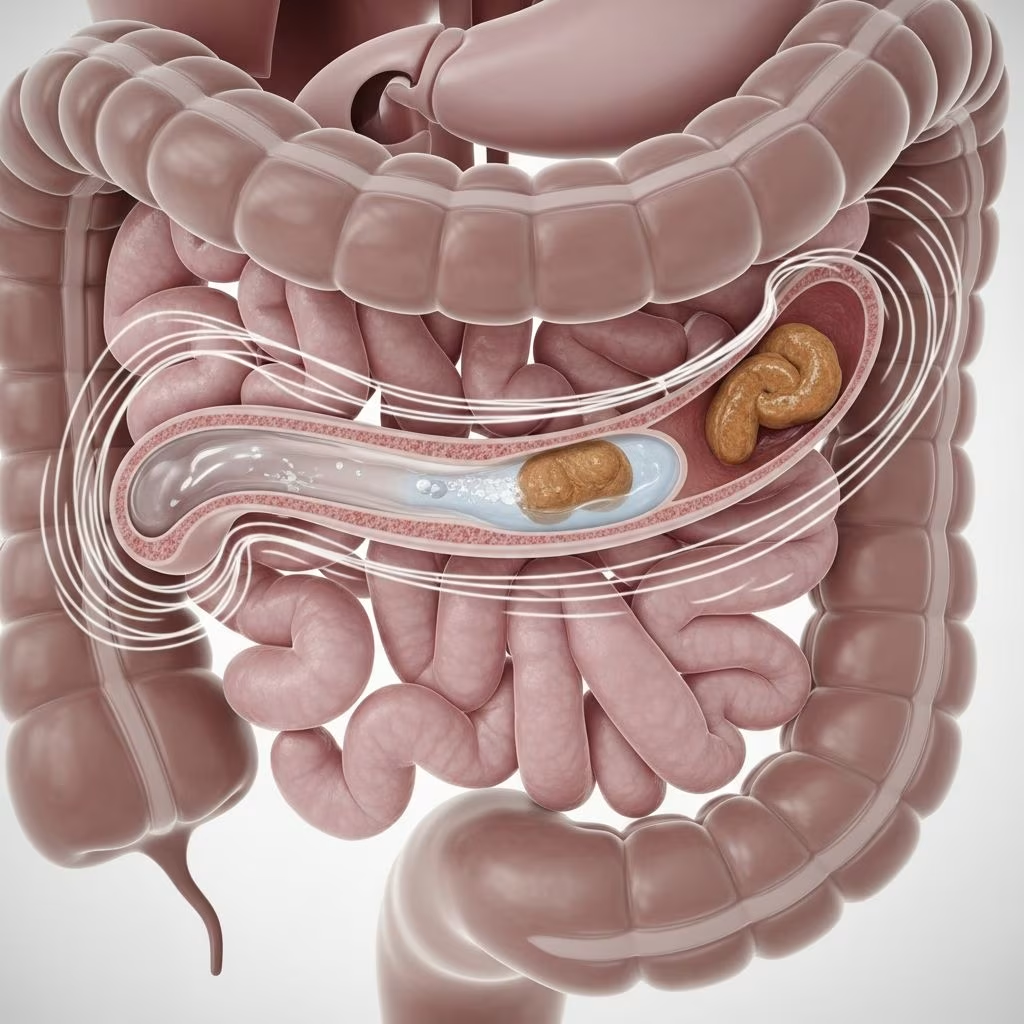
Diarrhea represents a frequent digestive disturbance characterized by the passage of loose or watery stools more often than normal for an individual, typically three or more times per day. This condition disrupts the balance of fluid absorption and secretion in the intestines, leading to urgent bowel movements and potential discomfort.
Defining Diarrhea and Its Types
Medically, diarrhea is identified when stool weight exceeds 200 grams per day or when stools become notably more fluid than usual. It manifests in various forms: acute episodes that resolve quickly, persistent cases lasting weeks, and chronic occurrences spanning months. Acute diarrhea often stems from transient issues like infections, while chronic forms signal underlying digestive disorders.
- Acute Diarrhea: Lasts less than two weeks, commonly self-limiting within 5-7 days.
- Persistent Diarrhea: Continues from two to four weeks.
- Chronic Diarrhea: Persists beyond four weeks, requiring thorough investigation.
Primary Mechanisms Behind Diarrhea
The gut normally absorbs water and electrolytes from digested food. Diarrhea arises when this process falters due to osmotic imbalances, secretory excesses, or reduced transit time. Osmotic diarrhea results from unabsorbed solutes drawing water into the bowel; secretory types involve heightened fluid secretion; and motility issues speed passage, limiting absorption.
| Mechanism | Description | Common Examples |
|---|---|---|
| Osmotic | Poorly absorbed substances pull water into intestines | Lactose intolerance, sorbitol |
| Secretory | Excess electrolyte and water secretion | Viral infections, toxins |
| Motility-Related | Rapid transit reduces absorption time | Post-surgery dumping syndrome |
Common Causes of Diarrhea
Infectious Origins
Infections top the list for acute diarrhea, with viruses like norovirus, rotavirus, adenovirus, and astrovirus inflaming the gut lining and impairing fluid reabsorption. Bacterial culprits such as Shigella and Campylobacter can provoke dysentery, marked by bloody stools and fever. Parasites from contaminated water also contribute, especially in areas with poor sanitation.
Food-Related Triggers
Intolerances to lactose in dairy or sucrose in sweets cause osmotic diarrhea by leaving undigested sugars in the gut. Sugar alcohols in sugar-free products similarly draw fluid. Food poisoning from bacteria in undercooked meats or unwashed produce accelerates onset.
Chronic and Structural Conditions
Persistent diarrhea links to inflammatory bowel diseases like Crohn’s disease and ulcerative colitis, which erode the intestinal lining. Celiac disease, triggered by gluten, damages the small intestine. Pancreatic insufficiency hinders fat digestion, while small intestinal bacterial overgrowth ferments carbs excessively. Diabetes-related neuropathy can alter gut motility.
Medication and Lifestyle Factors
Antibiotics disrupt gut flora, antacids with magnesium loosen stools, and cancer therapies irritate the mucosa. Surgeries like gastric bypass lead to dumping syndrome, flooding the bowel with undigested food.
Gut-Brain Disorders
Conditions like irritable bowel syndrome (IBS) and functional diarrhea involve miscommunication between brain and gut, yielding recurrent loose stools without structural damage. Post-infectious IBS may follow acute gastroenteritis.
Recognizing Symptoms
Beyond loose stools, diarrhea brings abdominal cramps, urgency, nausea, and sometimes fecal incontinence. Infections may add fever, bloody stools, vomiting, or chills. Chronic cases risk weight loss and nutrient malabsorption.
- Sudden bathroom urgency
- Abdominal bloating and pain
- Dehydration signs: dry mouth, dizziness
- Bloody or mucous stools in severe infections
Health Risks and Complications
Fluid and electrolyte loss from frequent stools can dehydrate individuals rapidly, especially infants, elderly, and those with comorbidities. Symptoms include thirst, reduced urine, fatigue, and confusion. Malabsorption leads to vitamin deficiencies and weight loss in prolonged cases.
Strategies for Prevention
Maintain hygiene by washing hands, cooking foods thoroughly, and drinking safe water to curb infections. Vaccines protect children against rotavirus. For intolerances, avoid triggers like dairy or artificial sweeteners. Probiotics may restore gut balance post-antibiotics.
- Practice safe food handling
- Stay hydrated with oral rehydration solutions
- Identify and eliminate dietary irritants
Managing and Treating Diarrhea
Most acute cases resolve with rest, hydration via oral rehydration salts (ORS), and bland diets (BRAT: bananas, rice, applesauce, toast). Antidiarrheals like loperamide slow motility but avoid in bloody or febrile diarrhea. Antibiotics target specific bacterial infections; antifungals or antiparasitics address others.
Chronic diarrhea demands diagnostic tests: stool analysis, blood work, endoscopy, or imaging to pinpoint causes. Treatments vary—gluten-free diets for celiac, anti-inflammatories for IBD, or enzyme supplements for pancreatic issues.
When to Consult a Doctor
Seek care if diarrhea persists over days, shows blood, accompanies high fever (>102°F), severe pain, dehydration, or unexplained weight loss. High-risk groups need prompt attention.
Frequently Asked Questions (FAQs)
What home remedies help with diarrhea?
Focus on hydration with ORS, eat binding foods like rice and bananas, and avoid dairy, caffeine, and fatty items until symptoms ease.
Can stress cause diarrhea?
Yes, via gut-brain axis disruptions in conditions like IBS, where anxiety accelerates motility.
Is diarrhea contagious?
Viral and bacterial forms spread through contact or contaminated sources, so isolate and sanitize.
How long does viral diarrhea last?
Typically 2-3 days for norovirus, up to a week for others.
Does Imodium stop diarrhea safely?
It slows gut movement but skip if infection signs like fever or blood appear, as it may prolong pathogens.
This guide equips you with knowledge to navigate diarrhea effectively. Prioritize hydration and professional advice for lingering issues.
References
- Diarrhoea | Causes, Symptoms, Treatment and Support — Guts UK. 2023. https://gutscharity.org.uk/advice-and-information/symptoms/diarrhoea/
- Symptoms & Causes of Diarrhea — National Institute of Diabetes and Digestive and Kidney Diseases (NIDDK). 2023-05-01. https://www.niddk.nih.gov/health-information/digestive-diseases/diarrhea/symptoms-causes
- Diarrhea: Symptoms & Causes — NewYork-Presbyterian. 2024. https://www.nyp.org/primary-care/diarrhea
- Diarrhea – Gastroenterology — Merck Manual Professional Edition. 2024-08-05. https://www.merckmanuals.com/professional/gastrointestinal-disorders/symptoms-of-gastrointestinal-disorders/diarrhea
- Diarrhea — MedlinePlus. 2024. https://medlineplus.gov/diarrhea.html
- Diarrhoeal disease — World Health Organization (WHO). 2023-05-14. https://www.who.int/news-room/fact-sheets/detail/diarrhoeal-disease
- Diarrhea: Causes, Symptoms & Treatment — Cleveland Clinic. 2023-10-10. https://my.clevelandclinic.org/health/diseases/4108-diarrhea



