
Understanding Cysts in Pets: Causes, Diagnosis, and Treatment
Complete guide to pet cysts: Learn what they are, how they form, diagnosis methods, and effective treatment options.
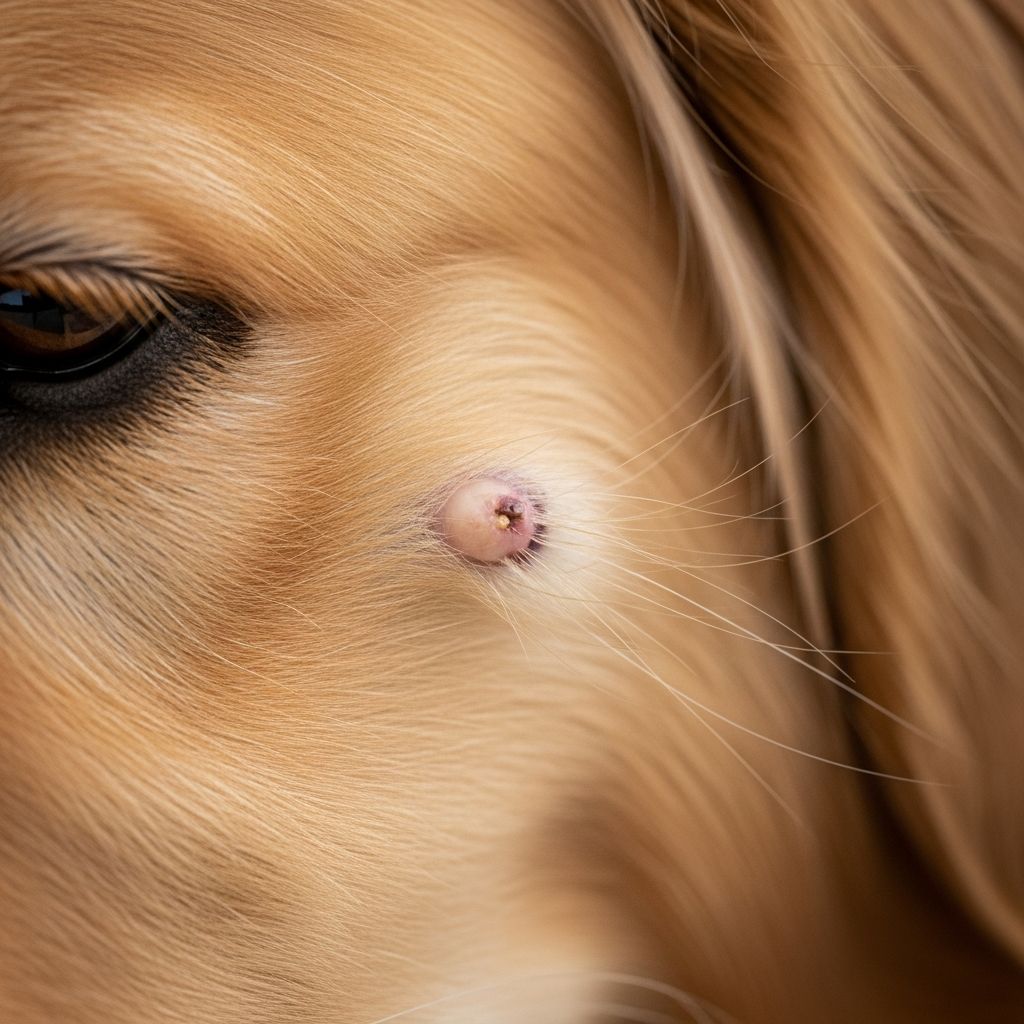
Understanding Cysts in Pets: A Comprehensive Guide
Cysts are hollow spaces that develop within the tissues of animals and can contain either liquid or solidified material. While cysts can appear concerning to pet owners, understanding their nature, causes, and treatment options can help you provide the best care for your companion animal. Whether your pet has developed a cyst or you’re seeking preventative information, this guide covers everything you need to know about cysts in dogs and cats.
What Are Cysts and How Do They Form?
Cysts are abnormal growths that develop when hollow spaces form within body tissues. These spaces fill with either fluid or semi-solid material, creating the characteristic bump or nodule that pet owners often notice during grooming or play. The formation of cysts varies depending on their type and location on the pet’s body.
Understanding the distinction between different types of cysts is essential for proper treatment. The most common classification divides cysts into true cysts and other similar formations. True cysts possess a specialized secretory lining—a membrane that lines the inner surface and produces various secretions. These true cysts frequently develop in glands, particularly sweat glands, as a result of blocked ducts that prevent normal fluid drainage.
True cysts, especially those that form in the sweat glands, are remarkably common in both dogs and cats. Pet owners frequently notice these cysts on the eyelids, where they can be easily spotted during close inspection. While many cysts are benign and cause minimal discomfort, some require veterinary intervention to prevent complications and ensure your pet’s wellbeing.
Types of Cysts in Pets
Cysts can develop in various locations throughout your pet’s body, with different types presenting unique challenges and treatment requirements.
Interdigital Cysts
Interdigital cysts, also known as follicular cysts or furuncles, are inflamed bumps or nodules located between the toes in the interdigital area. These cysts develop as a reaction to inflamed hair follicles situated between the toes. When hair follicles become inflamed, they may rupture into the surrounding tissue, creating additional inflammation and swollen “cysts” that can open and drain. This process creates significant irritation and itching, causing the dog to lick or chew at the area continually, which further traumatizes the hair follicles and perpetuates the inflammatory cycle. If left untreated, interdigital cysts can lead to cellulitis and permanent scarring.
The most common cause of interdigital cysts is allergy-induced paw inflammation. Dogs with allergies often experience itchiness and recurrent skin infections in other areas, such as the ears. Allergy triggers can include pollen, dust mites, molds, fleas, and dietary proteins.
Additional risk factors for interdigital cyst development include:
- Large-breed dogs with short or coarse hair, such as pit bulls, bulldogs, German shepherds, and Labrador retrievers
- Dogs experiencing abnormal trauma to their feet from rough ground or cage surfaces
- Obese dogs that place excessive pressure on their paws
- Dogs with arthritis or other painful conditions causing chronic weight shifting between toes
- Dogs with large, webbed paws or deep interdigital pockets
Less common contributing factors include skin mites called demodex, foreign bodies such as splinters or grass awns, and endocrine diseases like hypothyroidism.
Kidney Cysts
Polycystic kidney disease (PKD) represents a hereditary kidney condition that affects cats more commonly than dogs. In affected animals, multiple small cysts develop within both kidneys early in life. As the pet ages, these cysts gradually increase in size and number, eventually replacing normal, functioning kidney tissue. This replacement of healthy tissue leads to a significant decrease in the amount of kidney tissue available to remove waste products from the bloodstream, resulting in chronic kidney disease symptoms over time.
Odontogenic Cysts
Dentigerous or odontogenic cysts are dental-related cysts that develop in the mouth and jaw areas. These cysts form in association with tooth development and require specialized veterinary dental evaluation and treatment.
Diagnosing Cysts in Your Pet
While your veterinarian may suspect a cyst based on clinical appearance and physical examination, a definitive diagnosis requires more advanced diagnostic procedures. Proper diagnosis is crucial for determining the appropriate treatment plan and ruling out more serious conditions.
Diagnostic Procedures
The primary diagnostic method involves a biopsy, which is a surgical excision of a piece or the entire cyst. The biopsy sample is then examined by a veterinary pathologist under the microscope in a process called histopathology. This microscopic examination accomplishes multiple important objectives:
- Confirms the diagnosis of a cyst versus other skin conditions
- Assesses whether the entire cyst was successfully removed
- Helps determine the underlying cause of cyst formation
- Rules out other diseases, including cancer
For interdigital cysts specifically, your veterinarian may recommend additional testing procedures including:
- Skin scrapings to test for demodex mites
- Hair plucks and tape preparations to identify bacteria and yeast
- Hypoallergenic diet trials if allergic conditions are suspected
- Skin testing for environmental allergies
- Bacterial culture and sensitivity testing
- Blood and urine testing to check for endocrine diseases
For kidney cysts, imaging studies are essential for diagnosis. While X-rays can sometimes show visibly enlarged kidneys, ultrasound is typically the preferred imaging tool as it provides much more detailed visualization of the kidneys and allows detection of small individual cysts, even in young puppies. Genetic testing and computed tomography (CT) scans may also be recommended in certain cases.
Treatment Options for Pet Cysts
Treatment strategies vary significantly depending on the type of cyst, its location, underlying causes, and your pet’s overall health status. Your veterinarian will develop a personalized treatment plan based on these factors.
Medical Management
For many cysts, particularly those caused by underlying conditions, medical management forms the foundation of treatment. If the underlying cause is identified and removed, some cysts will shrink or disappear entirely. Cysts resulting from trauma may resolve naturally over time.
For interdigital cysts related to allergies, treatment focuses on controlling the allergic condition and includes:
- Anti-inflammatory medications such as steroids (prednisone) and cyclosporine (Atopica™)
- Allergy medications including oclactinib (Apoquel™) or lokivetmab (Cytopoint™)
- Hypoallergenic diets tailored to your dog’s specific needs
- Long-course antibiotics (up to 8 weeks) if secondary infections develop
- Pentoxifylline to enhance antibiotic effectiveness
Topical treatments also play an important role in managing cysts. Steroid ointments and antimicrobial paw soaks containing chlorhexidine effectively manage superficial inflammation and infection. If arthritis or obesity contributed to cyst formation, these chronic conditions require more effective management through medications, nutritional therapy, and environmental modifications.
Surgical Intervention
Complete removal or destruction of the cyst lining may be necessary to prevent recurrence, particularly for true cysts that form in sweat glands and other glandular tissues. Depending on the cause, surgical excision often leads to complete cure. In severe interdigital cyst cases that fail to respond to recommended therapies, laser surgery may provide relief and comfort. In rare extreme cases, a surgical procedure called fusion podoplasty may be recommended as a last resort, fusing the affected toes together to prevent recurrence.
Recovery and Aftercare
Proper aftercare significantly impacts your pet’s recovery and prevents complications following cyst treatment.
Post-Treatment Care
It is critically important to prevent your pet from rubbing, scratching, licking, or biting at the cyst area during healing. These actions can cause inflammation, infection, and bleeding that complicate recovery. If a cyst ulcerates (opens), the area requires careful cleaning and your pet may need a protective bandage until complete healing occurs.
If your pet develops recurrent or multiple cysts, comprehensive diagnostic investigation becomes necessary to identify the underlying cause. In certain cases where cysts are a characteristic of the breed—such as with hairless dog breeds—there will always remain a tendency for additional cysts to develop, requiring ongoing management and monitoring.
Prognosis and Long-term Outlook
The prognosis for pets with cysts generally depends on the underlying cause and how effectively that cause can be managed. Many cases respond well when an underlying disease is identified and treated appropriately. However, if an underlying disease is not managed effectively, cysts can recur more frequently, causing chronic inflammation, scarring, and persistent pain that significantly impacts quality of life.
For interdigital cysts specifically, consistent management of underlying allergies and mechanical factors offers the best long-term outcomes. Some pets may require lifelong management strategies to minimize cyst formation and recurrence.
Frequently Asked Questions About Pet Cysts
Q: Are cysts in pets dangerous?
A: Most cysts are benign growths, though they can become infected if your pet licks or scratches them excessively. It is essential to have any new lump or bump examined by your veterinarian to rule out serious conditions like tumors or cancer.
Q: How can I prevent cysts from developing in my pet?
A: Prevention strategies depend on the cyst type. For allergy-related cysts, managing allergies through diet and medications helps. Maintaining healthy weight, providing appropriate exercise, and keeping paws clean and dry can help prevent interdigital cysts. Regular grooming and inspection of your pet’s skin also helps catch problems early.
Q: Will my pet’s cyst go away on its own?
A: Some cysts, particularly those caused by trauma, may resolve naturally over time. However, true cysts often require treatment to prevent recurrence. Consult your veterinarian to determine whether your pet’s cyst requires intervention.
Q: What should I do if I notice my pet has a cyst?
A: Schedule an appointment with your veterinarian for proper evaluation and diagnosis. Avoid attempting home treatment, and prevent your pet from licking or scratching the area while awaiting professional evaluation.
Q: How long does cyst treatment take?
A: Treatment duration varies significantly depending on the cyst type and underlying cause. Some pets recover within weeks, while others require ongoing management for months or years. Your veterinarian will provide specific timelines based on your pet’s individual situation.
Q: Can cysts recur after treatment?
A: Yes, cysts can recur if the underlying cause is not addressed. Proper management of allergies, weight control, and environmental modifications help minimize recurrence risk. Some pets may experience occasional recurrences despite appropriate treatment.
References
- Cysts – VCA Animal Hospitals — VCA Hospitals. 2025. https://vcahospitals.com/know-your-pet/cysts
- Interdigital Cysts in Dogs – VCA Animal Hospitals — VCA Hospitals. 2025. https://vcahospitals.com/know-your-pet/interdigital-cysts-in-dogs
- Polycystic Kidney Disease in Dogs – VCA Animal Hospitals — VCA Hospitals. 2025. https://vcahospitals.com/know-your-pet/polycystic-kidney-disease-in-dogs
- Polycystic Kidney Disease in Cats – VCA Animal Hospitals — VCA Hospitals. 2025. https://vcahospitals.com/know-your-pet/kidney-disease-polycystic-kidney-disease-in-cats
- Dentigerous/Odontogenic Cysts in Dogs – VCA Animal Hospitals — VCA Hospitals. 2025. https://vcahospitals.com/know-your-pet/dentigerousodontogenic-cysts-in-dogs
- Allergies in Dogs – VCA Animal Hospitals — VCA Hospitals. 2025. https://vcahospitals.com/know-your-pet/allergies-in-dogs
Similar Articles








Read full bio of medha deb


