

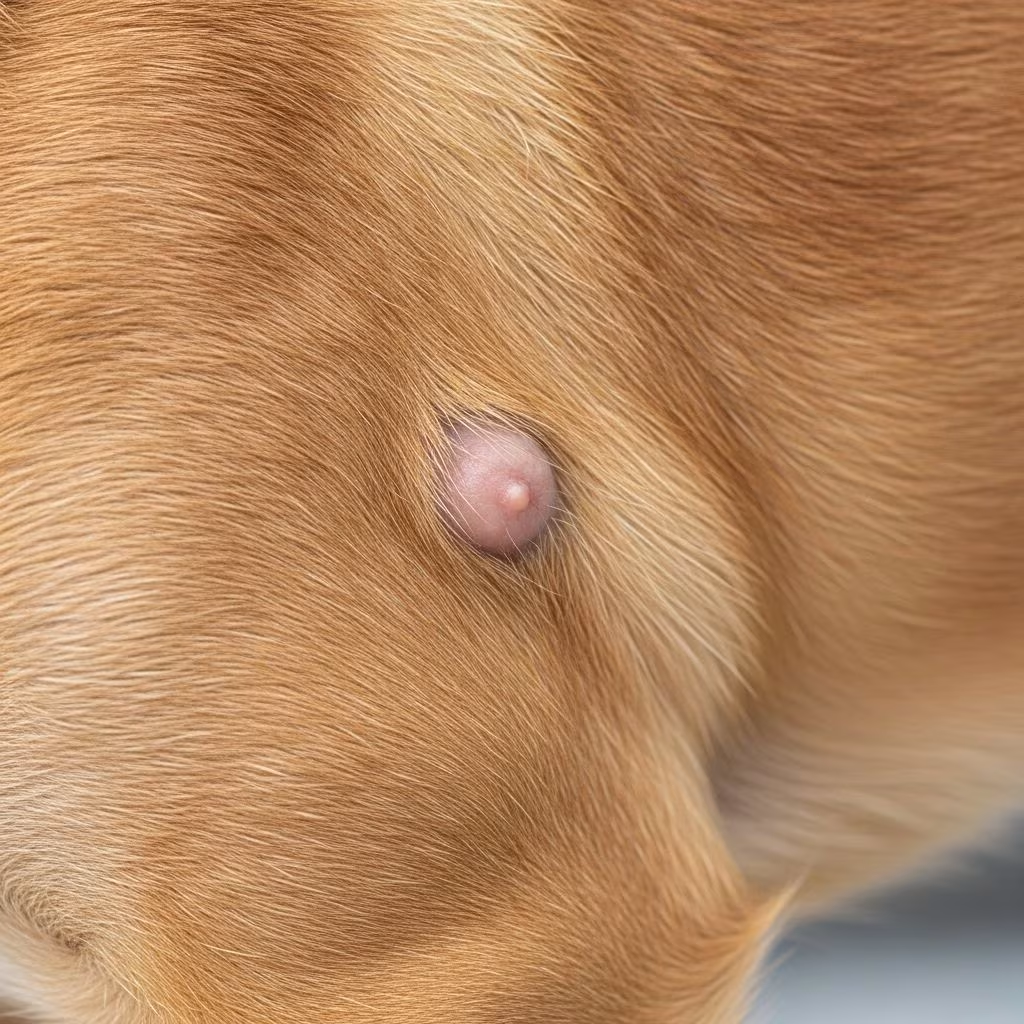
Cysts are enclosed sacs filled with fluid, semi-solid material, or air that develop under a dog’s skin or within tissues. While most are benign and harmless, they can cause discomfort if they grow large, rupture, or become infected. Recognizing these growths early helps ensure timely veterinary care.
Common Causes Behind Canine Cysts
Several factors contribute to cyst formation in dogs. Blocked glands or ducts often lead to accumulation of sebum or other secretions, creating pressure-filled sacs. Trauma, infections, allergies, or genetic issues can also trigger development. Congenital abnormalities present from birth account for rarer types.
- Blocked sebaceous glands producing oily sebum buildup
- Inflamed or damaged hair follicles
- Developmental errors during fetal growth
- Post-injury fluid collections without a true lining
Certain breeds face higher risks due to skin structure or genetics, such as those with oily coats or folded skin.
Predisposed Dog Breeds for Cyst Development
Not all dogs are equally susceptible. Breeds with dense fur, oily skin, or specific genetic traits show increased prevalence. Monitoring these pets closely aids prevention.
| Breed | Common Cyst Types | Risk Factors |
|---|---|---|
| Basset Hound | Sebaceous, Follicular | Oily skin, ear folds |
| Boxer | True, Sebaceous | Short coat genetics |
| Golden Retriever | Follicular, Interdigital | Thick fur trapping debris |
| Schnauzer | Sebaceous | Wiry coat blockages |
| Chinese Crested | Follicular | Hairless skin sensitivity |
Other breeds like Cocker Spaniels, Shih Tzus, and Yorkies also warrant attention.
Sebaceous Cysts: The Most Frequent Culprit
Sebaceous cysts arise from blocked oil-producing glands, filling with thick, waxy sebum. They appear as firm, raised lumps often on the head, neck, trunk, or legs. These are prevalent across breeds but common in fine-haired varieties like Poodles.
Symptoms include a smooth surface, potential bluish tint, and odorous discharge if ruptured. While usually painless, infection turns them red, swollen, and tender. Surgical removal of the entire sac prevents recurrence.
Follicular Cysts and Hair Follicle Issues
Follicular cysts, also called epidermoid cysts, stem from obstructed or inflamed hair follicles. They form hard nodules containing keratin, a protein from skin cells, and may ooze cheesy material.
Locations favor pressure points like elbows, mouth edges, or abdomen. Hairless breeds suffer more from inactivity-related blockages. Itchiness, pain, and foul smells signal complications like bacterial invasion.
True Cysts: Lined Sacs of Secretion
True cysts feature a distinct membrane secreting substances like sebum. Blockages in gland ducts cause swelling in gland-rich areas such as the head or torso. Complete excision is crucial to avoid regrowth.
These differ from false cysts, which lack linings and result from trauma-induced fluid pockets.
Rare Cyst Variations in Canine Skin
Dermoid Cysts
These congenital anomalies form in utero when skin layers fail to fuse properly. Rare in most breeds but noted in Rhodesian Ridgebacks and Kerry Blue Terriers, they contain hair, skin, or teeth-like structures.
Interdigital Cysts
Found between toes, these arise from friction, allergies, or foreign bodies. They cause limping and paw licking, often requiring drainage and antibiotics.
Apocrine Gland Cysts
Sweat gland blockages lead to these less common growths, typically in groin or anal regions. They mimic sebaceous types but originate from moisture-producing glands.
Visual and Tactile Signs of Cysts
Skin-surface cysts present as palpable bumps varying from pea-sized to golf ball dimensions. Textures range from soft and fluctuant to firm and nodular.
- Colors: Translucent, blue-black, or skin-toned
- Discharge: White paste, yellow pus, or bloody fluid
- Hair loss or redness around the site
- Mobility: Freely moveable under skin unless adhered
Internal cysts like ovarian ones evade touch but may cause behavioral shifts or abdominal distension.
Distinguishing Cysts from Tumors
Not all lumps are cysts; tumors can mimic them. Benign cysts fluctuate and may leak, while malignant masses grow steadily, ulcerate, or fix to tissues.
| Feature | Cyst | Tumor |
|---|---|---|
| Growth Pattern | Slow, stable | Rapid, irregular |
| Texture | Soft/fluid-filled | Firm/solid |
| Response to Touch | Movable | Fixed/painful |
| Discharge | Sebum/keratin | Bloody/serous |
Veterinary diagnostics like fine-needle aspiration confirm contents.
Home Monitoring and Risk Prevention
Regular grooming reduces blockage risks by clearing debris from skin folds. Maintain a balanced diet to avoid obesity, which exacerbates pressure cysts. Watch for rapid changes post-trauma.
Avoid squeezing lumps, as this invites infection. Note any lameness, appetite loss, or lethargy signaling deeper issues.
Veterinary Diagnosis Methods
A vet exam starts with history and palpation. Tools include:
- Fine-needle aspirate for fluid analysis
- Biopsy for lining confirmation
- Ultrasound for internal cysts
- Cytology to rule out cancer
Treatment Approaches for Dog Cysts
Many cysts need no intervention if asymptomatic. Options escalate with complications:
- Antibiotics for infections
- Drainage or lancing under sedation
- Surgical excision with margins
- Laser therapy for precision removal
Recurrence drops with full sac removal. Holistic aids like omega supplements support skin health.
FAQs on Canine Cysts
Are cysts on dogs typically cancerous?
Most are benign and non-cancerous. Rare malignant transformation occurs; vet checks differentiate.
Can cysts disappear without treatment?
Follicular types often resolve spontaneously, unlike sebaceous ones needing monitoring.
How do I prevent cysts in my dog?
Consistent grooming, allergy management, and breed-specific care minimize risks.
What if my dog’s cyst bursts?
Clean gently, monitor for infection signs like heat or pus, and consult a vet promptly.
Do all dogs get cysts?
No, but older dogs and predisposed breeds face higher odds.
Long-Term Management Strategies
Post-treatment, schedule follow-ups to track regrowth. Weight control and hypoallergenic shampoos aid prevention. Educate on breed tendencies for proactive care. Early detection via monthly skin checks empowers owners.
References
- Types of Cysts on Dogs — MetLife Pet Insurance. 2023. https://www.metlifepetinsurance.com/blog/pet-health/types-of-cysts-on-dogs/
- Cysts in Dogs: What They Look Like + What to Do — Lavengel. 2024. https://lavengel.com/pages/skin-issues-cysts
- Types Of Cysts On Dogs — Dogs Naturally Magazine. 2024. https://www.dogsnaturallymagazine.com/types-of-cysts-on-dogs/
- Types of Cysts on Dogs — Park Veterinary Hospital. 2023. https://parkvet.net/blog/cysts-on-dogs/
- Cysts vs. Tumors on Dogs: What That Lump Might Mean — SBAH Vet. 2024. https://www.sbahvet.com/blog/cysts-vs-tumors-on-dogs-what-that-lump-might-mean/
- Identifying Common Dog Lumps and Bumps: A Vet’s Guide — Halo Collar. 2024. https://www.halocollar.com/blog/dog-health/common-dog-lumps-bumps/



