

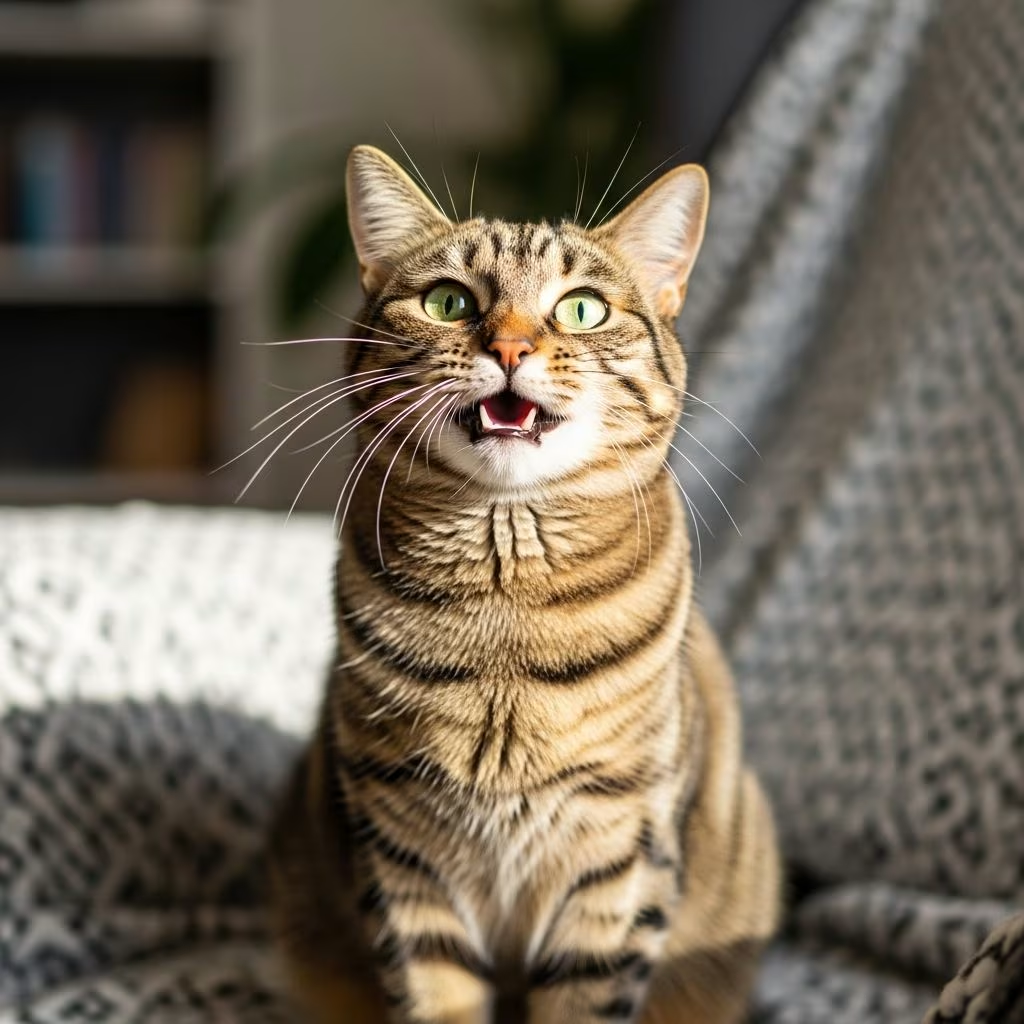
Among the diverse repertoire of sounds cats produce, few are as charming and peculiar as the trill. Unlike the familiar meow or the soothing purr, trilling represents a unique form of feline communication that many cat owners find delightful yet puzzling. This vocalization sits somewhere between a meow and a purr, creating a distinctive musical quality that has captured the attention of both cat enthusiasts and researchers alike. Understanding this behavior provides valuable insight into your cat’s emotional state, needs, and the bond you share with your feline companion.
The Anatomy of a Cat’s Trill: How This Sound is Produced
Cat trilling is a fascinating phenomenon from both an anatomical and acoustic perspective. When a cat trills, they produce a sound with their mouth largely closed, creating a series of rapid musical notes that sound almost like a rolled “r” combined with a purr. This vocalization technique distinguishes trilling from other cat sounds that require more open-mouthed vocalizations.
The production of a trill involves the cat’s vocal cords vibrating in a specific pattern while the mouth remains relatively closed. This creates the characteristic high-pitched, rhythmic quality that makes trilling so recognizable. Unlike purring, which is generally continuous and steady, trilling consists of distinct musical notes arranged in quick succession, giving it an almost melodic quality.
Research examining cat vocalizations has identified several variations within the trilling spectrum. These include:
- Chirrs and chirrups featuring high-pitched tones with rising melodies
- Grunts and murmurs that maintain lower-pitched frequencies
- Coos and murmurs without the distinctive rolling “r” sound
The physical mechanism behind trilling reveals something important about feline emotional states. When cats produce these closed-mouth sounds, they are typically experiencing positive emotional states. In contrast, cats that feel stressed or threatened produce open-mouthed sounds such as growling or hissing.
Why Cats Trill: The Primary Motivations Behind This Vocalization
Cats employ trilling as a communication tool for multiple reasons, each conveying different messages about their current state of mind or immediate needs. Recognizing these different contexts helps cat owners respond appropriately to their feline companion’s attempts at communication.
Expressing Contentment and Affection
One of the most prevalent reasons cats trill is to express happiness and contentment. When your cat greets you with a trill upon your arrival home, they are communicating warmth and pleasure at seeing you. This vocalization functions similarly to a human smile—it’s an outward expression of positive emotion.
Cats frequently trill when being petted or touched in ways they enjoy, particularly along the head, chin, and back. This trill serves as a signal of appreciation and reinforcement, indicating that you’re engaging in behavior your cat appreciates. The trill essentially communicates, “I enjoy this interaction and feel safe with you.”
Attracting Your Attention and Making Requests
Cats are highly strategic communicators, and they’ve learned that trilling often captures human attention effectively. When your cat trills while looking at you or moving toward you, they’re frequently requesting something—whether that’s playtime, food, affection, or interaction. Some cats have learned that trilling gets more favorable responses than meowing, so they’ve adopted it as their preferred method of making requests.
The context surrounding the trill matters significantly in interpreting the cat’s intent. A quick trill upon your arrival differs from a sustained trill accompanied by head-butting or following you around the house.
Maternal Communication and Kitten Bonding
Mother cats employ trilling as a fundamental tool for communicating with their kittens. These vocalizations serve to guide kittens, call them to safety, and reinforce the maternal bond. Research has demonstrated that kittens respond more readily to their own mother’s trills than to any other vocalization or even to the trills of other mother cats.
This early exposure to maternal trilling likely influences adult cats’ use of this vocalization throughout their lives, explaining why many adult cats continue to trill with both humans and fellow felines as they mature.
Invitation to Play and Exploration
When cats feel playful and curious about their environment, trilling often accompanies these emotional states. You might notice your cat trilling as they pounce, chase toys, or investigate new areas of your home. This vocalization signals excitement and positive anticipation about the activities they’re about to engage in.
Similarly, some cats trill when they want to lead you to explore something they’ve discovered or to engage in interactive play. This “follow me” trill carries a tone of companionship and represents an invitation to share in their discovery.
Decoding Different Types of Trills: What Your Cat Is Really Saying
Not all trills are identical, and researchers have identified distinct categories within this vocalization type. Understanding these variations helps you interpret what your cat is communicating more accurately.
| Trill Type | Characteristics | Meaning |
|---|---|---|
| Greeting Trill | Short, quick burst upon seeing you | Expression of recognition and affection |
| Follow-Me Trill | Repeated trills as cat moves toward you or a location | Invitation to interact or explore together |
| Comfort Trill | Soft, soothing trills during calm moments | Expression of security and deep affection |
| Excitement Trill | Energetic trills during playtime or hunting | Indication of high arousal and positive emotion |
| Request Trill | Sustained trilling with focused eye contact | Making a specific request for attention or resources |
By paying attention to the context, duration, and accompanying body language when your cat trills, you can more accurately determine which message they’re conveying.
Breed Variations: Which Cats Are More Vocal With Trilling
While any individual cat may develop a preference for trilling as a vocalization method, certain breeds have earned reputations for being more vocal with this particular sound. These breeds include:
- Siamese cats, known for their vocal personalities and strong bonds with humans
- Maine Coons, who combine their large size with surprisingly expressive vocalizations
- Bengal cats, whose wild ancestry influences their distinctive communication patterns
- Siberian cats, which produce a variety of melodic sounds
- Birmans, recognized for their affectionate and communicative nature
However, it’s crucial to recognize that individual personality plays a significant role in whether a cat trills frequently. Even within vocal breeds, some cats may rarely trill, while cats from less vocal breeds may trill regularly. Mixed-breed cats also demonstrate this behavior, indicating that trilling isn’t exclusively tied to pedigree.
Special Contexts: Understanding Trilling in Specific Situations
Trilling While Jumping or During Movement
Cats sometimes produce trills as they leap, jump, or move rapidly through their environment. This vocalization typically indicates excitement about the physical activity they’re engaging in and doesn’t usually signal distress or pain. However, if jumping-related trilling occurs alongside other concerning behaviors or signs of injury, veterinary attention may be warranted.
Trilling at Wildlife and Birds
Some cat owners observe their felines trilling while watching birds or other small animals through windows or in the yard. This vocalization represents a complex combination of hunting instinct activation and social communication—the cat is essentially alerting their human to an interesting discovery while simultaneously expressing predatory excitement.
Female Cats and Reproductive Cycles
Female cats in heat may produce various vocalizations, including trilling, as part of their natural drive to attract mates. If your female cat trills more frequently than usual and you observe other signs of estrus—such as increased affectionate behavior, restlessness, excessive rubbing, or a stronger desire to venture outside—spaying may be worth discussing with your veterinarian.
What It Means When Your Cat Rarely or Never Trills
Cats possess diverse communication styles, and not every feline relies on trilling as their primary vocalization method. Some cats naturally prefer meowing, chirping, or other sounds to express themselves. If your cat seems content, engages positively with you, maintains good health, and communicates effectively through other means, the absence of trilling isn’t concerning.
This variation in communication preferences may relate to individual personality, early socialization experiences, or simply the unique vocal preferences your specific cat has developed. Just as humans have distinct communication styles, so do cats.
The Science Behind Cat Trilling: What Research Reveals
Scientific investigation into cat communication has provided fascinating insights into trilling behavior. Swedish researchers conducting the MEOWSIC study—combining “music” and “meow”—have examined how cats use rhythm, tone, and intonation patterns in their vocalizations.
One particularly revealing study compared cats anticipating positive experiences with those facing less pleasant situations. Cats expecting treats or other positive outcomes produced primarily closed-mouth vocalizations including trills, while cats anticipating car rides (often stressful for felines) produced open-mouthed vocalizations like growling and chattering.
This research demonstrates that trilling isn’t merely a random sound cats make—it’s a vocalization directly connected to emotional states and experiences. Positive emotional contexts consistently correlate with trilling behavior, while negative situations trigger alternative vocalizations.
Responding to Your Cat’s Trills: Building Communication
When your cat trills at you, acknowledging this communication strengthens your bond and encourages continued positive interaction. Respond with gentle petting, verbal affection, or the action your cat seems to be requesting. Cats learn quickly which sounds generate favorable human responses, so reinforcing their trilling may increase this behavior.
Pay attention to patterns in when and how your cat trills. Some cats trill during specific routines—greeting you when you come home, mealtime preparation, or playtime sessions. Recognizing these patterns allows you to anticipate your cat’s needs and respond proactively.
Frequently Asked Questions About Cat Trilling
Is cat trilling a sign of illness or pain?
Trilling by itself is not a sign of illness or pain. Since trilling occurs during positive emotional states, it generally indicates your cat feels well. However, if trilling occurs alongside other concerning symptoms, consult your veterinarian.
Can I teach my cat to trill?
You cannot directly teach a cat to produce trilling sounds, as this is an innate, automatic vocalization. However, you can encourage trilling through positive reinforcement when your cat already engages in this behavior.
Why does my cat trill but not meow?
Some cats develop preferences for specific vocalizations. If your cat trills but rarely meows, they’ve simply adopted trilling as their preferred communication method. This is perfectly normal and not a cause for concern.
Should I be concerned if my cat trills excessively?
Frequent trilling generally indicates a happy, communicative cat that enjoys interacting with you. Excessive trilling combined with other behavioral or health changes warrants veterinary consultation, but trilling alone typically reflects contentment.
Do all cats trill?
Not all cats trill regularly, though most cats are capable of producing this vocalization. Individual preferences and personality differences explain why some cats trill frequently while others rarely employ this sound.
Conclusion: Appreciating Your Cat’s Unique Voice
Cat trilling represents a delightful window into your feline companion’s emotional world and their attempts to communicate with you. Whether your cat greets you with enthusiastic chirps, requests your attention with melodic trills, or invites you to explore together, this vocalization carries positive significance. By understanding the contexts and meanings behind different types of trills, you enhance your ability to respond to your cat’s needs and deepen the connection you share. Each cat’s trilling pattern is unique, reflecting their personality and relationship with you—making these charming sounds all the more special.
References
- Cat Trilling: What It Means and Why Cats Do It — Lake City Animal Hospital. 2024. https://lakecityanimalhospital.com/blog/cat-trilling/
- Trilling in Cats – What Is It and Why Do Cats Do It? — Trusted House Sitters. 2024. https://www.trustedhousesitters.com/blog/pets/why-do-cats-trill/
- Why do cats trill? — Cat in the Box LLC. 2024. https://thecatisinthebox.com/blogs/kitty-contemplations/why-do-cats-trill
- Why Do Cats Trill at You? — Rover.com. 2024. https://www.rover.com/blog/why-do-cats-trill/
- Cat Trilling: What Is It and What Does It Mean? — Cats.com. 2024. https://cats.com/cat-trilling
- 9 Cat Noises and What They Mean — PetMD. 2024. https://www.petmd.com/cat/general-health/cat-noises



