

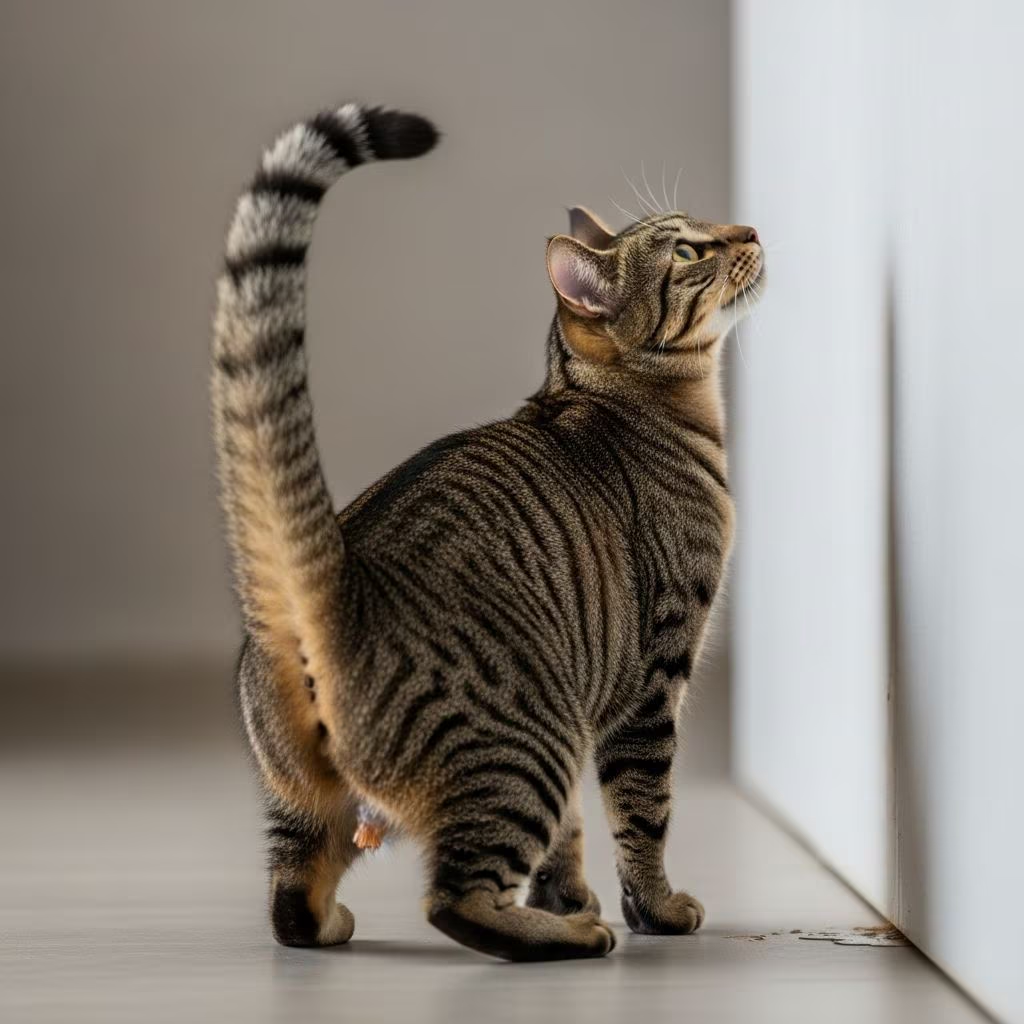
Cat spraying, a form of urine marking, is a natural feline behavior that can become problematic in households. Unlike typical urination, spraying involves small amounts of urine deposited on vertical surfaces to communicate messages to other cats. This guide delves into the underlying reasons for this action and provides actionable strategies to address it, drawing from veterinary insights and behavioral research.
The Instinct Behind Feline Urine Marking
Cats use spraying as a primary communication tool rooted in their solitary, territorial nature. Even in multi-cat homes, individuals assert boundaries by depositing urine with a distinct posture: backing up to a surface, treading with hind legs, and releasing a mist-like spray.
This behavior signals ownership over spaces, resources, or mates. Indoor cats may react to perceived intruders, whether household companions or outdoor strays visible through windows. Research indicates that spraying peaks in intact cats but persists in some neutered ones due to environmental factors.
Primary Triggers for Spraying Behavior
Several factors provoke spraying. Recognizing them is crucial for targeted intervention.
- Territorial Disputes: Cats mark to claim areas amid competition for food, litter boxes, or resting spots. In multi-cat settings, unequal resource access heightens tension.
- External Threats: Neighborhood cats trigger indoor spraying as a deterrent. Visual or olfactory cues from outsiders prompt defensive marking.
- Stress and Routine Changes: Disruptions like new pets, people, renovations, or schedule shifts elevate anxiety, leading to spraying on walls or furniture.
- Mating Instincts: Unneutered males and females spray to attract partners or signal availability, with pheromones in the urine conveying reproductive status.
- Medical Issues: Urinary tract infections, bladder inflammation, or other health problems mimic spraying but require veterinary diagnosis.
Differentiating Spraying from Inappropriate Urination
Not all out-of-box elimination is spraying. Spraying features small volumes on upright surfaces, often with a tail quiver, while inappropriate urination involves larger puddles on horizontal spots.
| Aspect | Spraying | Inappropriate Urination |
|---|---|---|
| Amount | Small mist | Large puddle |
| Surface | Vertical (walls, curtains) | Horizontal (floor, bed) |
| Posture | Backed up, tail raised | Squatting |
| Purpose | Communication/marking | Elimination/medical/stress |
This distinction guides whether to focus on behavior or health.
Step-by-Step Guide to Stopping Cat Spraying
Effective management combines medical evaluation, behavioral tweaks, and environmental control. Never punish spraying, as it amplifies stress and erodes trust.
1. Veterinary Assessment First
Schedule a checkup to exclude conditions like cystitis or kidney issues via urinalysis and bloodwork. Treating underlying problems often resolves symptoms.
2. Sterilization for Hormonal Control
Neutering or spaying drastically reduces spraying, especially in intact cats, by curbing mating drives. Studies show up to 90% success in males post-procedure.
3. Stress Mitigation Techniques
Identify and minimize stressors:
- Maintain consistent routines for feeding and play.
- Provide ample resources: one litter box per cat plus one extra, multiple feeding stations.
- Use pheromone diffusers to promote calm.
4. Resolving Multi-Cat Conflicts
In group homes, ensure vertical spaces like shelves and trees for escape routes. Gradual introductions prevent rivalries. If aggression escalates, vet-prescribed anti-anxiety aids may help.
5. Deter Outdoor Influences
Block window views with curtains, use motion sprinklers, or apply citrus repellents outdoors. Secure cat flaps with collars or magnets.
6. Cleaning and Prevention Protocols
Remove scents thoroughly with enzymatic cleaners to erase markers. Avoid ammonia-based products, which mimic urine.
- Test cleaners on small areas.
- Place food bowls or beds in marked spots, as cats avoid eliminating near eating areas.
- Track incidents in a log to monitor progress.
Environmental Enrichment Strategies
An enriched setup reduces anxiety-driven spraying. Key elements include:
- Scratching Posts: Redirect marking to claws near spray sites.
- Play Sessions: Daily interactive play burns energy and strengthens bonds.
- Hiding Spots: Boxes and tunnels offer security.
- Scent Familiarity: Rub cheeks on items to deposit reassuring pheromones.
Consistent owner interaction fosters security, diminishing the need to mark.
Advanced Interventions for Persistent Cases
If basics fail, consider:
- Medication: Vet-approved anti-anxiety drugs for severe stress.
- Behavioral Consultation: Certified experts analyze dynamics.
- Litter Optimization: Experiment with box types, litter textures, and unscented varieties for preferences.
Common Myths About Cat Spraying
- Myth: It’s spiteful. Reality: Instinctive, not vengeful.
- Myth: Neutering always stops it. Reality: Effective for most but not all; environment matters.
- Myth: Harsh discipline works. Reality: Increases fear-based spraying.
FAQs
Will my neutered cat still spray?
Yes, about 10-20% continue due to stress or territory issues, but rates drop significantly.
How do I clean spray marks?
Use enzymatic cleaners, followed by drying. Add food scents to deter re-marking.
Is spraying a sign of illness?
Possibly; rule out via vet exam first.
Can multiple cats live spray-free?
Yes, with sufficient resources and proper introductions.
What if spraying suddenly starts?
Check for changes or health issues promptly.
Long-Term Prevention Tips
Proactive measures sustain harmony:
- Regular vet visits.
- Resource monitoring in multi-cat homes.
- Stable environment.
- Enrichment routines.
Patience yields results; most cats respond within weeks.
References
- Cat Spraying: Why Cats Do It and How to Stop It — PetMD. 2023. https://www.petmd.com/cat/general-health/cat-spraying-why-cats-do-it-and-how-to-stop-it
- Cat Spraying/Marking — Wisconsin Humane Society. 2023. https://www.wihumane.org/cat-spraying
- Stop your Cat Spraying or Soiling in the House — Blue Cross. 2023. https://www.bluecross.org.uk/advice/cat/behaviour-and-training/stop-your-cat-spraying-and-soiling-in-the-house
- Cat Behavior Problems – Marking and Spraying Behavior — VCA Animal Hospitals. 2023. https://vcahospitals.com/know-your-pet/cat-behavior-problems-marking-and-spraying-behavior
- Common feline problem behaviors: Urine spraying — PMC – NIH. 2024-09-12. https://pmc.ncbi.nlm.nih.gov/articles/PMC11373755/
- Urine Marking in Cats — ASPCA. 2023. https://www.aspca.org/pet-care/cat-care/common-cat-behavior-issues/urine-marking-cats



