

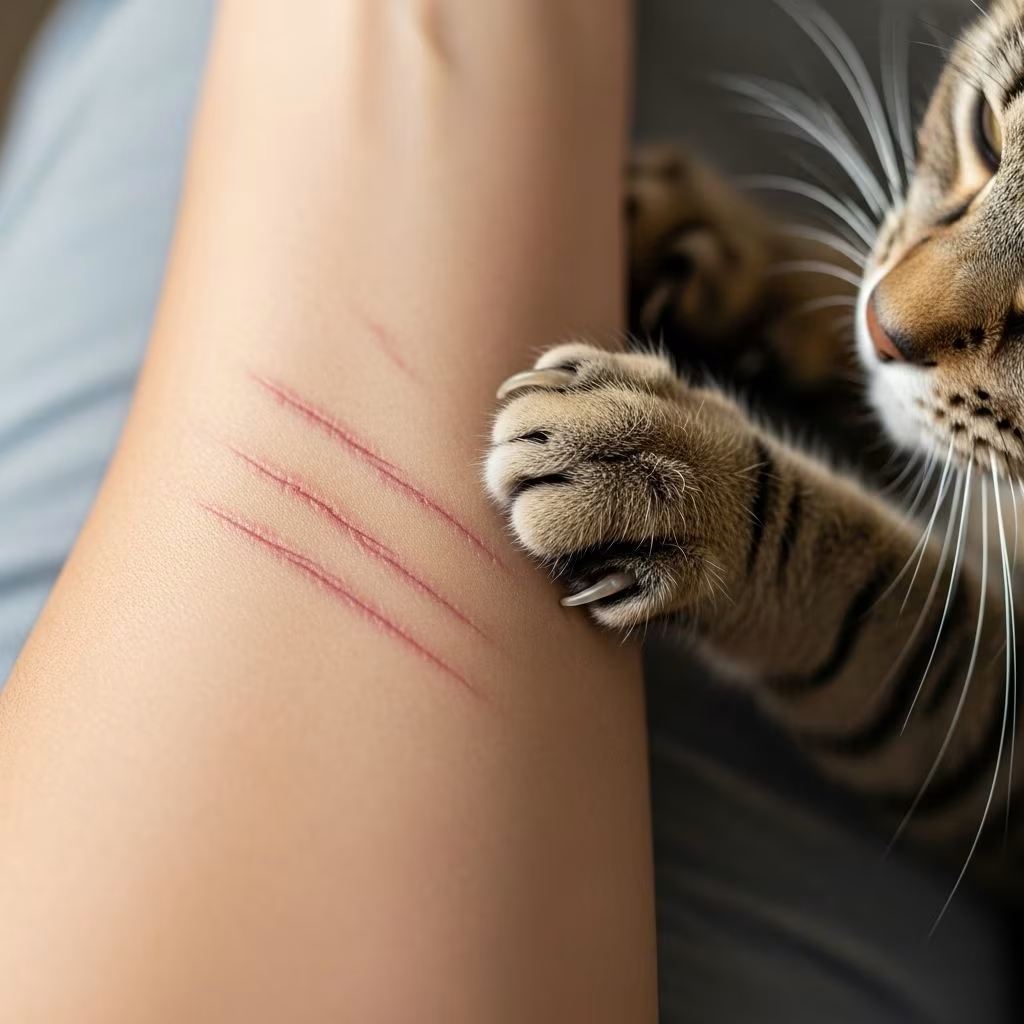
Cat scratching is one of the most recognizable feline behaviors, yet many pet owners don’t fully understand why their cats scratch so intensely or what causes the itching sensation in the first place. The answer involves a fascinating interplay of biological mechanisms, environmental factors, and behavioral responses. When a cat itches, it initiates a complex cycle that often perpetuates itself, leading to more scratching, more irritation, and potentially serious skin damage if left unaddressed.
The Biological Mechanism Behind Feline Itching
When cats scratch their skin, they stimulate nerve endings and trigger the release of a chemical messenger called histamine. This substance is produced by cells in the skin and is fundamental to how the body responds to irritation. According to veterinary research, when histamine is released during scratching, it causes inflammation and swelling of the affected tissue. This inflammatory response is actually the body’s attempt to protect itself, but paradoxically, it creates an environment that intensifies the sensation of itching.
Once itching begins, a self-perpetuating cycle emerges. The cat scratches to relieve the itch, the scratching causes more histamine release, and the increased histamine leads to greater inflammation and renewed itching. This feedback loop can continue until the underlying cause is addressed or the cycle is broken through medical intervention. Understanding this mechanism is crucial for cat owners because it explains why simple scratching can escalate into a serious dermatological problem if the root cause isn’t identified and treated.
Common Medical Causes of Persistent Itching in Cats
Itching in cats is not simply a behavioral quirk—it often signals an underlying health condition that requires professional attention. Veterinary professionals recognize that persistent scratching warrants investigation into multiple potential causes.
Parasitic Infestations
Parasites represent one of the most frequent culprits behind excessive scratching in cats. Fleas are particularly notorious; even a single flea bite can trigger itching that persists long after the parasite is removed. Cats are meticulous groomers, and their grooming efforts intensify when parasites are present, creating visible patterns of over-grooming and hair loss. Other parasites, including mites and lice, can similarly trigger intense scratching responses that appear disproportionate to the actual parasite burden.
Skin and Systemic Infections
Bacterial and fungal infections represent another significant category of itching triggers. Ringworm, a fungal infection common in cats, causes localized or generalized itching and is contagious to humans and other animals. Bacterial skin infections, often secondary to excessive scratching or other skin trauma, create a particularly problematic situation because they compound the original irritation. These infections require targeted antibiotic or antifungal therapy to resolve.
Allergic Reactions
Feline allergies operate similarly to human allergies but manifest primarily through skin symptoms rather than respiratory ones. Cats may develop allergies to food ingredients, environmental allergens like pollen or mold, or contact allergens in their environment. Allergic reactions trigger histamine release, initiating the itch-scratch cycle described earlier. The challenge with allergies is that they often require long-term management rather than simple one-time treatment.
Dry Skin and Environmental Factors
Environmental conditions significantly influence skin hydration and comfort. Indoor heating during winter, low humidity, or exposure to irritating substances can dry out a cat’s skin and trigger itching. Some cats may also have sensitivity to household chemicals, grooming products, or other environmental irritants that cause localized or generalized skin reactions.
Behavioral and Psychological Dimensions of Scratching
Beyond medical causes, scratching serves important behavioral and psychological functions in cats. Cats scratch to maintain their claws, a critical tool for hunting, climbing, and defense. Scratching removes the outer sheath of the nail, exposing sharper claws beneath. This claw maintenance is instinctive and deeply ingrained in feline behavior—even cats that have undergone partial digital amputation (declawing) continue attempting to scratch.
Scratching also serves territorial and communicative purposes. When cats scratch surfaces, they leave visible claw marks and deposit pheromones from glands located between their toes and in their foot pads. These scent markers communicate ownership and establish boundaries within their territory. In multi-cat households or situations involving environmental stress, territorial scratching may intensify as cats respond to anxiety or conflict.
Stress and anxiety represent significant psychological triggers for excessive scratching. Cats experiencing frustration, anxiety, or disruption to their routine may redirect these emotions into scratching behaviors. Changes in household dynamics, introduction of new pets, alterations to the living environment, or modifications to daily schedules can all precipitate stress-related scratching. Identifying whether scratching correlates with specific stressors helps owners address underlying psychological factors.
Distinguishing Normal Scratching from Pathological Responses
Not all scratching represents a problem. Cats have evolved to scratch as part of their normal behavioral repertoire, and some degree of scratching is entirely healthy. However, certain patterns suggest a medical or behavioral issue requiring intervention.
- Intensity and frequency: Cats that scratch continuously, seemingly unable to stop, or that target specific areas with particular intensity likely experience pathological itching rather than normal grooming.
- Location changes: When cats suddenly shift their scratching targets to new areas, particularly if they begin scratching the skin raw, this often indicates an underlying dermatological issue.
- Visible damage: Hair loss, scabs, open wounds, or bleeding from scratched areas signal that scratching has escalated beyond normal levels and poses risk of secondary infection.
- Behavioral changes: If scratching accompanies other behavioral shifts—such as decreased appetite, increased aggression, social withdrawal, or changes in litter box habits—anxiety or systemic illness may be present.
Specialized Conditions: Hyperesthesia and Other Disorders
Some cats experience extreme skin sensitivity that goes beyond typical itching. Feline hyperesthesia syndrome represents one such condition, characterized by exaggerated sensitivity to touch or sensation in specific skin areas, typically along the back or near the base of the tail. Affected cats may react dramatically when touched in these areas, exhibiting aggressive behavior, tail chasing, or frantic scratching and digging. According to veterinary neurology specialists, identifying and treating underlying causes of hyperesthesia—which may include intervertebral disc problems or neurological disorders—is essential before assuming the condition is purely behavioral.
Other conditions contributing to abnormal scratching include endocrine disorders such as hyperthyroidism, inflammatory conditions like atopic dermatitis, and even certain cancers such as mast cell tumors. These complex conditions require professional diagnosis and management.
When Scratching Becomes a Veterinary Emergency
While scratching itself is rarely an immediate emergency, certain circumstances warrant urgent veterinary attention. If a cat is extremely itchy and causing deep wounds, bleeding, or significant fur loss, prompt veterinary intervention is necessary to prevent infection and provide relief. Additionally, if itching appears related to an allergic reaction manifesting as facial swelling, sneezing, or difficulty breathing, this constitutes a medical emergency requiring immediate treatment.
Diagnostic Approaches and Treatment Strategies
Veterinarians employ multiple diagnostic tools to identify the cause of excessive scratching. Blood work can reveal underlying systemic diseases, while fine needle aspirates allow microscopic examination of cells from suspicious lumps or lesions. Skin scrapings, fungal cultures, and allergy testing provide additional diagnostic data.
Treatment approaches vary depending on the underlying cause. Parasitic infestations require appropriate parasite prevention and treatment protocols. Infections demand targeted antimicrobial therapy. Allergies often benefit from dietary modification, environmental management, or immunosuppressive medications. For stress-related scratching, environmental enrichment, behavioral modification, and sometimes pharmaceutical anxiety management can prove effective.
During recovery, preventing further self-trauma is important. Veterinarians may recommend recovery collars to prevent cats from accessing affected areas during healing. Long-term management of chronic conditions, such as ongoing allergy treatment or disease management for conditions like hyperthyroidism, may be necessary.
Prevention and Management Strategies for Cat Owners
Proactive cat owners can implement several strategies to minimize scratching-related problems. Regular flea prevention, even for indoor cats, represents a fundamental step in preventing parasitic scratching. Maintaining appropriate environmental humidity, providing quality nutrition, and minimizing exposure to potential irritants support overall skin health. Mental stimulation and environmental enrichment reduce stress-related scratching behaviors. Observing changes in scratching patterns and promptly reporting these to a veterinarian enables early intervention before minor issues escalate.
Frequently Asked Questions About Cat Scratching and Itching
Q: Is it normal for cats to scratch themselves?
A: Yes, scratching is a normal feline behavior serving multiple purposes including claw maintenance, territorial marking, and stretching. However, excessive scratching, scratching in new locations, or scratching that causes visible skin damage warrants veterinary evaluation.
Q: What’s the difference between normal scratching and pathological itching?
A: Normal scratching is brief, occasional, and doesn’t result in injury. Pathological itching involves frequent, intense scratching that may cause hair loss, wounds, or behavioral changes, and often correlates with underlying medical conditions.
Q: Can stress cause my cat to scratch excessively?
A: Yes, stress and anxiety can trigger excessive scratching behaviors in cats. Environmental changes, household disruptions, or conflicts with other pets may intensify scratching as cats respond to psychological distress.
Q: How do I know if my cat’s scratching indicates a medical emergency?
A: Seek immediate veterinary attention if your cat is creating deep wounds with bleeding, shows signs of allergic reaction (facial swelling, difficulty breathing), or exhibits extreme itching with accompanying behavioral changes.
Q: What should I do if my cat won’t stop scratching?
A: Schedule a veterinary appointment to identify the underlying cause. Avoid attempting home remedies without professional diagnosis, as treatments vary significantly depending on whether scratching results from parasites, allergies, infections, or behavioral factors.
References
- Scratch This, Not That! — IAABC Foundation Journal. 2019. https://journal.iaabcfoundation.org/scratch-this-not-that/
- Cat Behavior Problems – Scratching Behavior — VCA Animal Hospitals. https://vcahospitals.com/know-your-pet/cat-behavior-problems—scratching-behavior
- Cat Behavior Problems: Scratching Behavior — Arch Animal Hospital West. https://archanimalhospitalwest.com/cat-behavior-problems-scratching-behavior/
- Itchy Cat? Possible Causes and When To Worry — PetMD, authored by Dr. Brittany Kleszynski, DVM. https://www.petmd.com/cat/symptoms/itchy-cat-causes-and-when-to-worry
- Hyperesthesia Syndrome — Cornell University College of Veterinary Medicine. https://www.vet.cornell.edu/departments-centers-and-institutes/cornell-feline-health-center/health-information/feline-health-topics/hyperesthesia-syndrome
- Common feline problem behaviors: Destructive scratching — NIH/PMC. 2024. https://pmc.ncbi.nlm.nih.gov/articles/PMC11373750/
- Cats and Compulsive Scratching, Licking, and Chewing — WebMD. https://www.webmd.com/pets/cats/features/cats-and-compulsive-scratching-licking-and-chewing



