Canine Touch Aversion: Causes, Solutions, And Expert Tips
Discover why your dog avoids touch and effective strategies to rebuild trust.
Understanding Canine Touch Aversion: Causes and Solutions
Many dog owners face a puzzling and sometimes frustrating situation: their furry companion refuses to accept physical affection or resists being handled. This resistance to touch is more common than many realize, and understanding its root causes is the first step toward rebuilding a healthier relationship with your pet. Touch aversion in dogs manifests in various ways, from subtle avoidance behaviors to more obvious defensive reactions, and each response tells a story about your dog’s physical or emotional state.
Recognizing the Signs of Touch Sensitivity
Before addressing solutions, pet owners must learn to identify when their dog is experiencing discomfort with touch. Touch sensitivity occurs when a dog reacts negatively to being touched or even to the anticipation of touch. The manifestations vary considerably depending on your individual dog and the specific context.
Common indicators include:
- Flinching or jerking away when approached for petting
- Whining, whimpering, or vocalizing during handling
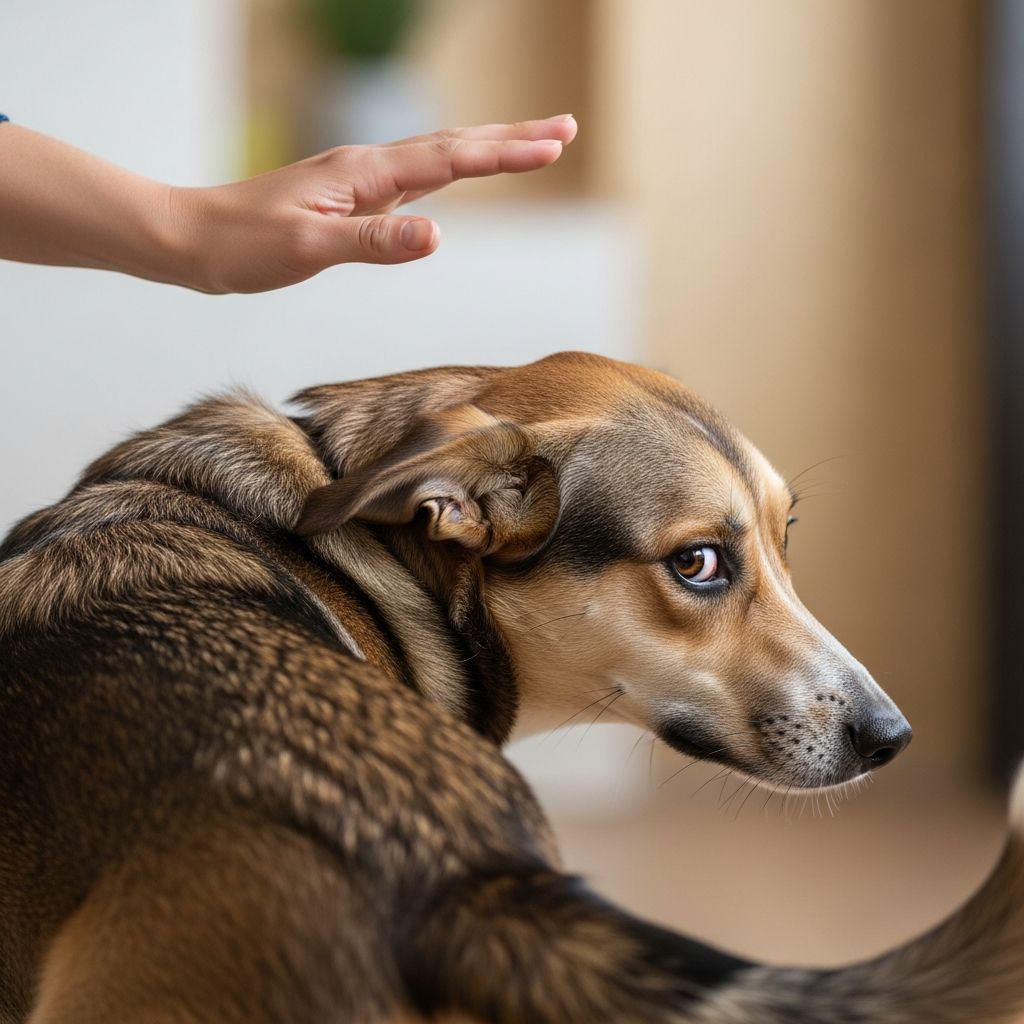
- Showing lip-licking, panting, or head-turning as escape signals
- Growling, snarling, or displaying other defensive postures
- Trembling or displaying visible tension in the body
- Avoiding interactions or maintaining distance from family members
- Tucking their tail between their legs
It’s crucial to recognize that dogs communicate their distress through subtle body language signals before escalating to more obvious defensive behaviors. If owners miss these early warning signs, they may inadvertently reinforce the aversion by continuing to touch their dog despite clear discomfort indicators.
Medical Factors Contributing to Touch Sensitivity
One of the most important distinctions to make is between behavioral and medical causes of touch aversion. When a dog’s tolerance for touch changes suddenly or your previously affectionate pet becomes withdrawn from handling, veterinary examination should be your first priority. Underlying health conditions frequently underlie touch sensitivity, and attempting behavioral training without addressing these issues will prove ineffective and potentially harmful.
Several medical conditions can trigger heightened sensitivity to touch:
- Arthritis and joint conditions: Inflammation in joints causes significant pain during handling, particularly when pressure is applied to affected areas
- Skin infections and dermatological issues: Bacterial infections, fungal conditions, and inflammatory skin lesions create sensitivity across affected regions
- Allergic reactions: Both food and environmental allergies trigger itching and skin irritation, making even gentle touch uncomfortable
- Ear infections: Painful infections in the ear canal result in dogs becoming extremely sensitive to head and ear contact
- Dental disease: Periodontal problems cause mouth sensitivity, making face handling particularly distressing
- Injuries and trauma: Sprains, fractures, cuts, and other injuries obviously cause pain with touch
- Neurological conditions: Certain neurological diseases affect sensory processing, creating heightened sensitivity to stimuli
- Hypothyroidism: An underactive thyroid gland leads to skin and coat changes that affect tactile sensation
Touch sensitivity can be one manifestation of broader sensory issues in dogs, where heightened sensitivity to external stimuli occurs due to neurological disorders, skin conditions, or anxiety. Your veterinarian can perform diagnostic tests to identify or rule out these underlying conditions before you proceed with behavioral modification strategies.
Behavioral and Developmental Origins
Beyond medical causes, several behavioral and developmental factors contribute to a dog’s reluctance to accept touch. Understanding your dog’s history and early experiences provides valuable context for addressing their aversion.
Early Socialization and Handling
Dogs who did not receive adequate socialization or physical handling during their critical puppy development period often develop touch sensitivity. Puppies require regular, positive exposure to human touch during their early weeks and months to develop comfort and confidence with handling. When puppies are deprived of this crucial exposure, they may grow into adults who view touch as threatening or unpleasant.
Past Trauma and Abuse
Dogs with histories of harsh handling, punishment, or abuse develop defensive reactions to touch as a protective mechanism. Their previous negative associations with human contact create lasting wariness that requires patient, consistent positive reinforcement to overcome. A background of abuse means dogs who have experienced harsh handling or punishment may be wary of being touched by humans.
Breed Predispositions
Some dog breeds have genetic predispositions to being less affectionate or cuddly, with independent breeds like the Shiba Inu potentially preferring touch only on their own terms unless well-socialized early. Additionally, certain breeds possess physical characteristics that make them more touch-sensitive. For example, breeds with thin skin, such as Greyhounds and Chinese Crested Dogs, may experience discomfort from the pressure of petting itself.
Environmental and Situational Factors
Context matters significantly in canine touch tolerance. Environmental factors like weather conditions influence a dog’s interest in physical contact—larger, fluffy-coated dogs are notably less interested in cuddling and petting during hot weather. Temperature, humidity, and seasonal changes can all affect your dog’s receptiveness to handling.
Anxiety and Fear-Based Touch Aversion
Psychological factors play a substantial role in touch sensitivity. Dogs experiencing anxiety or fear-based disorders may avoid touch due to their heightened state of alert and vulnerability. Chronic stress and anxiety affect a dog’s overall sensory processing, manifesting as heightened sensitivity to touch and other stimuli.
Common anxiety-related signs in dogs include trembling, tail-tucking, hiding, reduced activity, panting, pacing, and passive escape behaviors. When dogs feel anxious, their nervous system becomes hyperactive, making them perceive touch as threatening even when it’s offered gently and with good intentions.
For dogs with anxiety disorders, addressing the underlying anxiety through behavioral modification and potentially medication prescribed by your veterinarian becomes essential before expecting improvements in touch tolerance.
Strategic Approaches to Rebuilding Touch Tolerance
Once you’ve ruled out medical issues, you can implement systematic training strategies to help your dog become more comfortable with handling. These approaches require patience, consistency, and careful attention to your dog’s responses.
Desensitization and Counter-Conditioning
Desensitization involves gradually exposing your dog to touch in controlled, positive contexts. Start with extremely brief, gentle touches in less sensitive areas, immediately followed by rewards your dog loves. Over weeks and months, gradually increase both the duration and scope of touching as your dog demonstrates comfort. The goal is to create positive associations between touch and rewarding outcomes.
Respecting Individual Boundaries
Recognize that different areas of your dog’s body may have varying sensitivity levels. Some dogs tolerate shoulder petting but resist paw handling, while others accept ear touches but avoid their back legs. Working within your dog’s comfort zone and gradually expanding acceptable touching areas proves more effective than forcing contact in sensitive zones.
Observing Body Language Signals
Awareness of body language—including lip-licking, panting, and head-turning away—helps owners recognize their dog’s discomfort signals and avoid accidentally reinforcing touch aversion by continuing unwanted contact. Stop touching immediately when you notice these warning signs, reinforcing that your dog’s communication is respected.
Creating Positive Touch Associations
Pair touch with experiences your dog genuinely enjoys. During mealtime, while offering treats, or during play sessions, incorporate very brief touches. This associates human contact with positive outcomes rather than discomfort or intrusion.
When Professional Guidance Becomes Necessary
Some cases of touch aversion require professional intervention. If your dog’s aversion is severe, involves aggression, or doesn’t improve with your efforts, consulting a certified professional dog trainer or veterinary behaviorist becomes worthwhile. These professionals can assess your specific situation and create customized protocols for your dog’s particular needs.
Frequently Asked Questions
Can touch sensitivity in dogs be completely cured?
The outcome depends on the underlying cause. Medical issues may resolve with appropriate treatment. Behavioral sensitivities can improve significantly with patient, consistent training, though some dogs may never become as tactilely affectionate as others. Setting realistic goals based on your dog’s history and personality promotes better outcomes than expecting complete personality transformation.
Is touch sensitivity the same as aggression?
Touch sensitivity and aggression are related but distinct. Touch sensitivity refers to discomfort or aversion to handling, which may or may not include aggressive responses. Some dogs simply withdraw or avoid; others display growling, snapping, or biting. Aggression indicates a higher level of threat response and requires professional assessment and management.
How long does it take to improve touch tolerance?
Timeline varies considerably based on the cause and severity of touch aversion. Medical issues may show improvement once treated. Behavioral improvements typically require weeks to months of consistent, patient effort. Some dogs progress rapidly; others require longer periods to rebuild comfort with handling.
Should I force my dog to accept touch if they’re resistant?
No. Forcing touch typically worsens aversion by confirming the dog’s fear that touch is something to resist. Patience and positive association building prove far more effective than coercion.
Can senior dogs with newly developed touch sensitivity improve?
Yes, but medical evaluation becomes especially important, as aging dogs commonly develop arthritis, dental disease, and other conditions causing touch sensitivity. Once medical issues are addressed or managed, behavioral improvement remains possible at any age.
Creating a Comfortable Environment for Your Touch-Sensitive Dog
Beyond direct training, creating an environment that respects your dog’s comfort with touch contributes to overall improvement. Establish household rules where children and visitors understand they should not force interaction. When your dog seeks affection on their terms, reward that initiation generously. This empowers your dog to control their physical interactions, reducing overall anxiety about unpredictable touching.
Touch sensitivity in dogs warrants compassionate understanding rather than frustration. Whether rooted in medical conditions, early experiences, breed characteristics, or anxiety, your dog’s aversion communicates something important about their physical or emotional state. By investigating underlying causes, respecting your dog’s signals, and implementing systematic, positive training approaches, you can help your dog gradually become more comfortable with appropriate handling. The journey requires patience, but the reward of reconnecting with your dog through gentle, trusted touch makes the effort worthwhile.
References
- Why Is Your Dog So Sensitive to Touch? Plus, How Training Can Help — Rover.com. 2024. https://www.rover.com/blog/blog-dog-body-sensitivity/
- Extreme Fear and Anxiety in Dogs — PetMD. 2024. https://www.petmd.com/dog/conditions/behavioral/c_dg_fears_phobia_anxiety
- What Are Dog Sensory Issues? Signs, Causes, and Diagnosis — Total Vet. 2024. https://total.vet/dog-sensory-issues/
- Dog Behaviour Guide: Touch Sensitivity — Edmonton Humane Society. 2020. https://www.edmontonhumanesociety.com/wp-content/uploads/2024/05/2020-Touch-Sensitivity-Canine.pdf
- Recognizing Abnormal Canine Stress and Dog Anxiety — PetHub. 2024. https://www.pethub.com/articles/242692/recognizing-abnormal-canine-stress-and-dog-anxiety
- Hypersensitivity to Stimuli (Hyperesthesia) in Dogs — PetsVetCheck. 2024. https://petsvetcheck.de/en/symptoms/dog/hypersensitivity-to-stimuli-hyperesthesia/
- Touch Sensitivity — Wisconsin Humane Society. 2024. https://www.wihumane.org/touch-sensitivity
Similar Articles






Read full bio of medha deb