

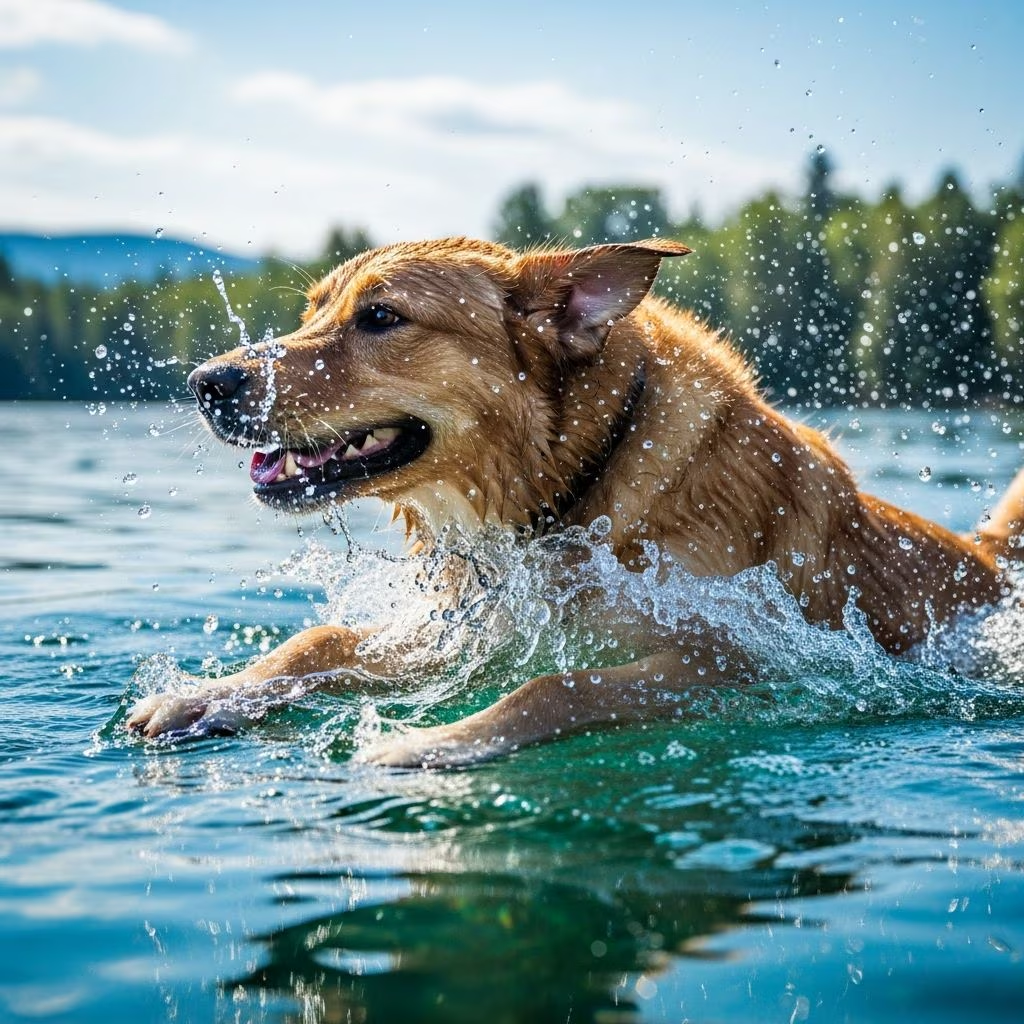
Swimming offers significant benefits for dogs, providing low-impact exercise that improves muscle tone, cardiovascular health, and mental well-being. However, a common misconception suggests that all dogs are natural swimmers capable of handling water with ease. The reality is far more nuanced. Individual dog breeds possess vastly different relationships with water, influenced by their genetic heritage, body structure, and temperament. Understanding these differences is essential for pet owners considering aquatic activities for their companions.
The Myth of Universal Canine Swimming Ability
Many people assume dogs instinctively know how to swim, yet this assumption can lead to dangerous situations. While some breeds have been developed over centuries to work in water environments, others have structural limitations that make swimming challenging or even hazardous. A dog’s ability to swim depends on multiple factors including body composition, limb length, bone density, coat type, and respiratory capacity.
The paddling motion many associate with swimming does not automatically translate to aquatic competence. Some dogs may panic when placed in water, while others exhibit genuine enthusiasm and skill. Recognizing where your specific dog falls on this spectrum is crucial for ensuring safe and enjoyable water experiences.
Breed Categories and Their Water Capabilities
Natural Water Enthusiasts
Certain breeds have been specifically developed for water-based work and possess physical characteristics that make swimming natural and enjoyable for them. These breeds typically feature:
- Webbed or partially webbed paws that function as paddles
- Water-resistant coats that provide insulation and buoyancy
- Streamlined body shapes that reduce drag in water
- Long, muscular limbs suited for powerful strokes
- Deep chest cavities that enhance lung capacity
Retrievers, Spaniels, and Portuguese Water Dogs exemplify this category. Their historical roles required retrieving waterfowl and assisting fishermen, selecting for traits that make aquatic activity instinctive and effortless. Newfoundlands, despite their large size, possess exceptional swimming ability due to their dense, water-resistant coats and powerful builds designed for water rescue work.
Moderate Swimmers With Proper Training
Many standard dog breeds can develop into competent swimmers with patient instruction and positive reinforcement. These dogs don’t possess the genetic advantages of water breeds but lack the structural impediments of other types. Collies, German Shepherds, and mixed-breed dogs of average proportion often fall into this category. With proper introduction to water environments and gradual exposure, they can become comfortable and capable swimmers.
Breeds Facing Swimming Challenges
Certain dog breeds encounter genuine difficulties in water environments due to their physical construction. These challenges are not behavioral but rather biomechanical limitations inherent to the breed standard:
- Brachycephalic breeds (Bulldogs, Pugs, Boston Terriers) have shortened muzzles and compromised airways that make water entry risky and breathing difficult when swimming
- Short-legged breeds (Dachshunds, Basset Hounds, Corgis) have low centers of gravity and proportionally short limbs that make maintaining buoyancy and generating propulsion challenging
- Heavily muscled breeds (Pit Bulls, certain Mastiff types) often possess dense musculature that reduces natural buoyancy
- Long-bodied breeds with short legs experience difficulty coordinating their extended frames in water
- Extremely large breeds (Great Danes, Saint Bernards) may struggle with the physical demands of supporting their massive body weight in water
For these breeds, water activities require exceptional supervision, protective equipment, and realistic expectations about their capabilities.
Physical and Anatomical Considerations
Body Composition and Buoyancy
A dog’s ability to remain buoyant in water relates directly to body composition. Dogs with higher muscle-to-fat ratios may find staying afloat more difficult than those with moderate body fat percentages. Very lean, muscular dogs sometimes require extra support in deeper water. Conversely, dogs carrying excess weight may experience unexpected buoyancy advantages but face endurance challenges due to cardiovascular strain.
Limb Proportions and Propulsion
The relationship between limb length and body length significantly impacts swimming efficiency. Dogs with balanced proportions can generate coordinated strokes, while those with disproportionate limbs may struggle with synchronized movement. Front limbs provide directional control while hind limbs generate forward momentum. Dogs with rear limb developmental issues or arthritis face particular challenges in water.
Respiratory Considerations
Dogs with compromised airways require careful monitoring in water environments. Any breed with breathing difficulties on land will experience exacerbated respiratory stress in water. Temperature changes, water entry mechanics, and physical exertion all increase oxygen demand when a dog’s respiratory system is already challenged.
Age-Related Factors in Swimming Capability
Puppies and Young Dogs
Puppies lack the coordination, confidence, and physical development necessary for independent swimming. Even breeds known for water affinity require gradual, supervised introduction to aquatic environments. Young dogs benefit from positive early experiences that build confidence and proper technique before attempting deeper water or extended swimming sessions.
Senior Dogs and Age-Related Changes
Older dogs may develop arthritis, joint stiffness, or muscle weakness that impacts swimming ability. However, water exercise offers therapeutic benefits for senior dogs by providing resistance without joint impact. Many elderly dogs can continue water activities with modified duration and intensity. Age-related cognitive changes may also affect a senior dog’s comfort level in water environments where they once felt confident.
Health Conditions Affecting Water Safety
Ear Infections and Water Entry
Dogs prone to ear infections require careful management around water. Water trapped in ear canals creates environments favorable for bacterial and yeast growth. Breeds with floppy, long ears are particularly susceptible. Post-swimming ear cleaning and thorough drying become essential preventive measures.
Skin Conditions and Chlorine Sensitivity
Dogs with pre-existing skin conditions may experience irritation from pool chemicals or saltwater minerals. Chlorine exposure can exacerbate dryness and itching in dogs with sensitive skin. Frequent rinses with fresh water and appropriate post-swim grooming help minimize chemical-related skin issues.
Heart and Respiratory Disease
Dogs with cardiac or pulmonary conditions require veterinary clearance before engaging in swimming activities. The physical demands of swimming and water immersion stress these systems differently than land-based exercise. A veterinarian can assess whether water activities are appropriate for individual dogs with these conditions.
Training and Preparation for Water Activities
Gradual Introduction Methods
Even breeds naturally inclined toward water benefit from gradual, positive introductions. Beginning with shallow water environments where dogs can touch the bottom builds confidence. Allowing dogs to explore water at their own pace, without forced submersion, prevents fear development. Positive reinforcement through treats and praise during water exposure creates positive associations.
Teaching Exit Strategies
A critical safety component involves teaching dogs how to exit pools, ponds, and other water bodies safely. Dogs who panic in water often struggle to locate exit points. Regular practice identifying and using ramps, steps, or designated exit areas ensures dogs can escape quickly if needed. This training proves particularly important for pool owners.
Conditioning and Endurance Building
Swimming sessions should begin with brief, limited duration to prevent exhaustion. Gradually increasing swim time allows dogs to build cardiovascular capacity and muscle endurance. Dogs swimming for the first time should not exceed 10 minutes in water. Even strong swimmers require monitoring to prevent overexertion.
Safety Equipment and Protective Measures
Life Jackets and Flotation Aids
Canine life jackets provide flotation support for dogs that struggle with buoyancy or lack confidence in water. These devices feature handles allowing quick rescue if needed. Life jackets prove particularly valuable for small breeds, senior dogs, and those with health conditions affecting buoyancy. Well-fitted jackets maintain comfort while providing genuine safety benefit.
Pool Safety Infrastructure
Fencing around pools prevents accidental entry by unsupervised dogs. Safety barriers and gates should prevent dog access when owners are not present to supervise. Ramps and shallow entry points make water access safer than vertical pool walls that some dogs cannot navigate. Pool covers present drowning hazards and should not be considered adequate safety measures.
Supervision Requirements
Constant, attentive supervision near water is non-negotiable for all dogs regardless of swimming ability. Unexpected situations including muscle cramps, fatigue, panic, or health emergencies can occur even in experienced swimmers. Owners should remain within arm’s reach and actively watch their dogs during water activities.
Chemical Exposure and Health Risks
Chlorine and Pool Chemicals
While pool chlorine levels are sufficiently diluted to make brief exposure generally safe, dogs that drink excessive pool water risk gastrointestinal upset and other complications. The primary danger involves dogs habitually ingesting chlorinated water, which accumulates irritants over time. Providing fresh drinking water away from the pool reduces the temptation to drink pool water when thirsty.
Water Intoxication From Excessive Ingestion
Swallowing large volumes of any water—chlorinated, saltwater, or fresh—can cause hyponatremia, where blood sodium levels drop dangerously low. Though rare, this condition produces serious symptoms including bloating, vomiting, lethargy, loss of coordination, and potentially seizures. Saltwater pools present additional risks through salt accumulation, which can cause muscle tremors and weakness if ingested in significant quantities.
Bloat and Water-Related Gastric Distension
Dogs that ingest excessive water volumes during swimming risk bloat, a potentially fatal condition where the stomach distends with gas and may twist. This condition constitutes a medical emergency requiring immediate veterinary intervention. Limiting swimming sessions and discouraging water drinking reduces bloat risk considerably.
Special Considerations for Specific Environments
Ocean Water Safety
Saltwater environments present different challenges than freshwater or chlorinated pools. Wave action, currents, and the vastness of ocean environments can overwhelm dogs. Salt ingestion causes gastrointestinal distress and dehydration. Dogs swimming in oceans require close supervision and should rinse thoroughly with fresh water afterward.
Natural Water Bodies
Lakes, rivers, and ponds may contain bacteria, parasites, or algae blooms that pose health risks. Water temperature, currents, and visibility vary unpredictably. Without knowledge of water conditions and bottom topography, natural water body swimming carries increased risks. These environments require exceptionally careful supervision.
Hot Tub and Spa Precautions
Hot tubs and spas should never include dogs. The high temperatures stress dogs’ thermoregulation abilities, and chemical concentrations in these small environments exceed safe levels. Dogs can overheat rapidly in hot water, and the risk of drowning or injury is significant.
Individual Personality and Preference
Beyond breed characteristics and physical capability, individual personality significantly influences whether dogs enjoy and succeed at swimming. Some dogs from water-loving breeds display anxiety or disinterest in water, while dogs from non-swimming breeds occasionally exhibit genuine enthusiasm. Respecting individual preferences and avoiding force ensures positive water experiences. Positive reinforcement, not coercion, motivates dogs to develop water comfort and skill.
Recognizing Signs of Water Distress
Understanding distress indicators allows quick intervention before situations become dangerous. Signs including excessive splashing, head tilting back, inability to coordinate limbs, panic breathing, or attempting to exit water require immediate cessation of swimming. Some dogs hide signs of distress until critical situations develop, making close observation essential.
Post-Swimming Care and Maintenance
Thorough Drying Procedures
Complete drying after swimming prevents moisture-related skin issues and ear infections. Towel drying, blow-drying on cool settings, and allowing air circulation through the coat remove trapped moisture. Dogs with double coats require extra attention to prevent mats and hot spots caused by moisture retention.
Coat and Skin Management
Rinsing with fresh water after swimming removes chlorine, salt, and other irritants. Dog-specific shampoos formulated for sensitive or dry skin help restore natural oils stripped by pool chemicals. Regular moisturizing treatments support skin health for dogs swimming frequently.
Frequently Asked Questions
Can I teach my non-water breed dog to swim?
Many non-swimming breeds can develop swimming competence through patient, positive training. However, structural limitations in certain breeds mean they will never become strong swimmers regardless of training. Work within your individual dog’s natural capabilities rather than against them.
How do I know if my dog is a strong swimmer?
Strong swimmers demonstrate coordinated limb movement, maintain horizontal body position, generate forward momentum easily, and show confidence in water. They recover quickly from physical exertion and exhibit enjoyment or at least comfort during water activities. Consult your veterinarian if unsure about your dog’s swimming readiness.
What age is appropriate for introducing puppies to water?
Puppies can begin water exposure around 4-6 weeks old in supervised, shallow environments. Full swimming should wait until they develop better coordination and confidence, typically around 4-6 months. Always prioritize positive experiences over forcing participation.
Is saltwater or chlorine better for dogs?
Both present advantages and disadvantages. Chlorine is heavily diluted in pools but can irritate skin and eyes. Saltwater is gentler on skin but presents salt ingestion risks if dogs drink it. Fresh water swimming is ideal when available and safe.
Conclusion
Swimming capability in dogs varies dramatically based on breed, age, health status, physical structure, and individual personality. Rather than assuming all dogs can or should swim, owners should assess their individual dog’s specific situation. Many dogs benefit tremendously from appropriate water activities, while others face genuine challenges requiring modified approaches or alternative exercise options. Professional veterinary guidance helps determine what water activities suit individual dogs, and patient, positive training builds confidence and safety. By understanding these variables and prioritizing supervision and prevention, owners can help their dogs enjoy water activities safely while building a rewarding bond through shared aquatic experiences.
References
- Water Safety for Pets — ASPCA Pet Health Insurance. 2024. https://www.aspcapetinsurance.com/resources/water-safety-for-pets/
- Summer Swimming Pool Safety for Dogs — SPCA of Northern Nevada. https://spcanevada.org/poolsafety/
- Dogs in Swimming Pools: 8 Safety Tips — Chewy. https://www.chewy.com/education/dog/health-and-wellness/dog-swimming-pool-safety-tips
- Swimming Pool Safety for Dogs — Zoetis Petcare. https://www.zoetispetcare.com/blog/article/swimming-pool-safety-dogs
- Dogs Swimming in Pools: Safety Guide and Tips — Amenity Pool. 2024. https://amenitypool.com/blog/is-it-ok-to-let-dogs-swim-in-your-pool/
- The Benefits of Dog Swimming and Water Safety Tips — Berthoud Animal Hospital. https://berthoudanimalhospital.com/blog/dog-swimming/



