

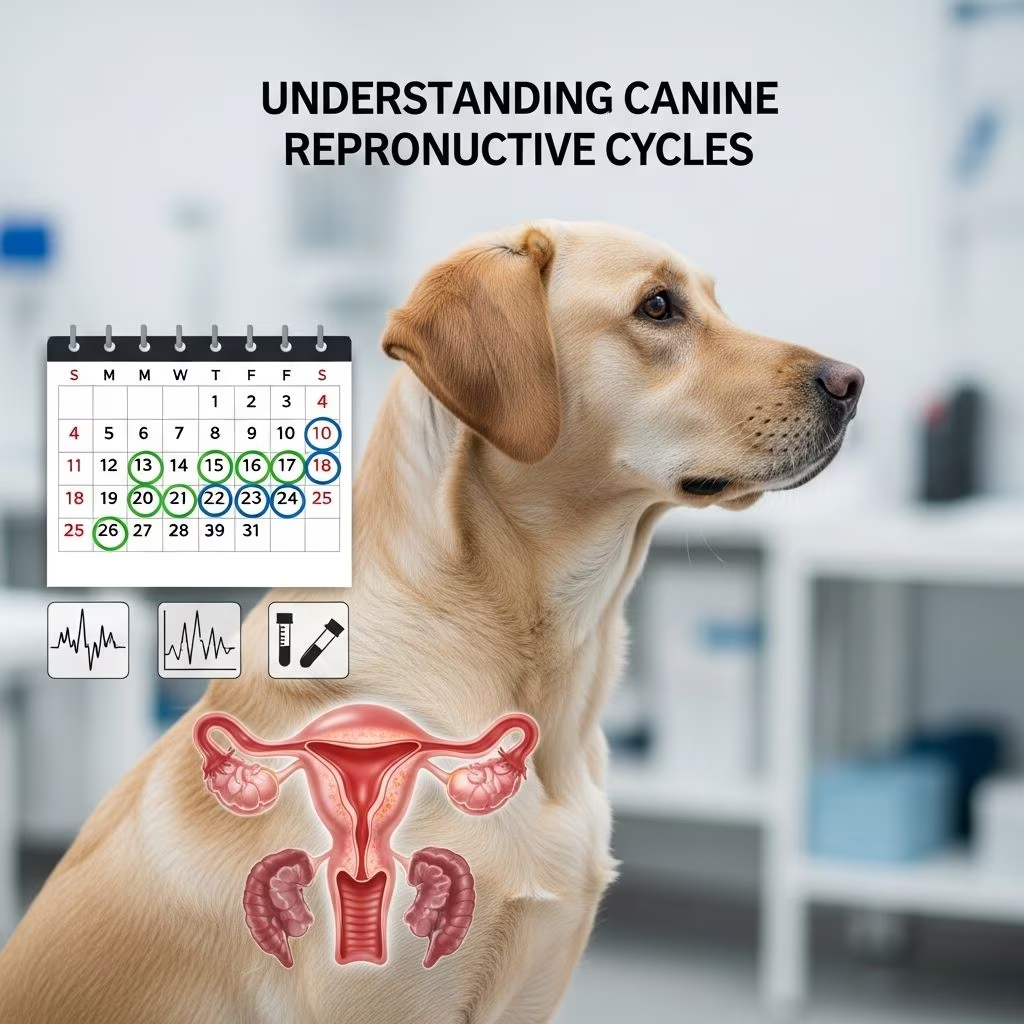
Female dogs experience a reproductive cycle fundamentally different from human menstruation, yet the term “heat” or “in season” is commonly used to describe this natural biological process. Understanding the nuances of canine reproduction helps dog owners make informed decisions about breeding, spaying, and overall health management. Unlike humans who menstruate monthly throughout their reproductive years, dogs follow a distinct estrous cycle with specific phases, each characterized by unique hormonal, physical, and behavioral changes.
The Four Distinct Phases of the Estrous Cycle
The canine estrous cycle comprises four distinct stages, each playing a crucial role in the reproductive process. These phases—proestrus, estrus, diestrus, and anestrus—each last different durations and involve different hormonal and behavioral patterns. Understanding each phase helps owners recognize signs and plan accordingly.
Proestrus: The Preparation Phase
Proestrus marks the beginning of the heat cycle and is often the first phase where owners notice visible changes in their dogs. During this stage, the female dog’s body begins preparing for potential pregnancy through significant hormonal shifts. Estrogen levels rise and peak during proestrus, stimulating the ovaries to mature eggs for potential fertilization. This stage typically lasts between six to eleven days, though it can range from virtually no time to as long as twenty-seven days depending on the individual dog.
Physically, proestrus brings noticeable signs. The vulva becomes noticeably swollen, and vaginal bleeding begins—a bloody discharge that can last throughout this stage and into the next phase. This discharge is entirely normal and serves as a biological signal to potential mates. Many dog owners are surprised by the amount of bleeding, but it is a natural part of the cycle and does not indicate illness or distress.
Behaviorally, female dogs in proestrus attract male attention. Males in the vicinity become keenly interested and may attempt to approach the female. However, despite this male interest, the female is not yet receptive to mating during proestrus. She will resist mounting attempts and may display playful or even aggressive responses to male advances. Her body is preparing for reproduction, but her hormonal state does not yet support breeding receptivity.
Estrus: The Fertile Window
Estrus, commonly referred to as “heat,” represents the fertile phase of the reproductive cycle when the female becomes receptive to breeding. This stage typically begins when estrogen levels drop sharply while progesterone levels begin to increase—hormonal changes triggered by a surge in luteinizing hormone (LH). The average duration of estrus is nine days, though it can span anywhere from three to twenty-one days depending on the individual dog.
During estrus, the vulva remains enlarged but becomes softer compared to the proestrus stage. The vaginal discharge typically changes in appearance from blood-tinged to straw-colored or clear, though variations between individual dogs are common. Many owners notice that bleeding decreases or stops entirely during this phase, which corresponds to the shift in hormonal composition within the reproductive tract.
The behavioral transformation during estrus is dramatic. Females actively solicit mating attention and display unmistakable signs of receptivity. Tail flagging—moving the tail to the side to expose the vulva—is a classic behavioral indicator of sexual receptivity. Females may become more affectionate, restless, or demonstrate increased interest in male dogs. This is the optimal window for conception, as the female’s reproductive physiology aligns perfectly with her psychological willingness to breed.
From a reproductive standpoint, ovulation typically occurs during estrus, coinciding with when vaginal discharge becomes watery. This marks the most fertile period. However, it is important to note that female dogs can become pregnant at any point during estrus because sperm can survive for up to a week in the reproductive tract, potentially fertilizing eggs that are released later.
Diestrus: The Post-Heat Phase
Diestrus begins after estrus concludes and represents a transition phase lasting approximately two months or between sixty to one hundred forty days depending on whether the dog is pregnant. During this stage, progesterone levels peak three to four weeks after diestrus begins and then gradually decline toward the end of the phase. Notably, progesterone levels follow this pattern regardless of whether the dog is pregnant, making diestrus biochemically similar in both pregnant and non-pregnant females.
The female is no longer receptive to males during diestrus. Her behavior returns to normal as hormonal levels shift, and she actively resists mating attempts. Physically, vulvar swelling subsides, and vaginal discharge ceases. If pregnancy occurred, the fetus develops during this phase. If no pregnancy resulted from the previous estrus, the body undergoes a rest period in preparation for the next cycle.
Anestrus: The Resting Phase
Anestrus represents the final phase of the estrous cycle—a period of reproductive inactivity lasting approximately four to six months before the cycle begins again. During anestrus, progesterone levels remain low, and the uterus undergoes a restoration process called involution. This biological repair process is essential for preparing the uterus to support another reproductive cycle and requires roughly four months to complete fully.
Dogs in anestrus display no behavioral or physical signs related to reproduction. This phase provides a natural break in the reproductive cycle and allows the body to recover before the next cycle commences.
Frequency and Age Considerations
Most dogs experience two heat cycles annually, occurring approximately every five to eleven months. However, significant variation exists among individual dogs and breeds. Smaller dog breeds typically enter their first heat earlier—sometimes as early as six months of age—while large and giant breed dogs may not experience their first estrous cycle until eighteen months to two years of age.
A dog’s first heat can sometimes be irregular or prolonged. Additionally, some breeds exhibit exceptional patterns. The Basenji and Tibetan Mastiff, for instance, typically cycle only once yearly rather than twice, representing notable breed exceptions to the standard pattern.
Spaying—surgical removal of the ovaries and uterus—eliminates heat cycles entirely and prevents reproductive-related conditions. This permanent solution is popular among owners who do not intend to breed their dogs.
Hormonal Changes Throughout the Cycle
| Phase | Duration | Primary Hormones | Key Characteristics |
|---|---|---|---|
| Proestrus | 6-11 days | Rising Estrogen | Vulvar swelling, bloody discharge, attracts males but not receptive |
| Estrus | 5-9 days average | Decreasing Estrogen, Rising Progesterone | Fertile window, receptive to breeding, discharge becomes straw-colored |
| Diestrus | 60+ days | High Progesterone (peaks then declines) | Not receptive, pregnancy may occur, body at rest |
| Anestrus | 4-6 months | Low Progesterone | Reproductive inactivity, uterine restoration |
Recognizing Physical and Behavioral Indicators
Owners should monitor their unspayed female dogs for several key indicators throughout the estrous cycle. Vaginal discharge is the most obvious sign, typically lasting fourteen to twenty-one days total across proestrus and estrus combined. However, the timing and intensity of bleeding vary considerably between individual dogs and across different cycles in the same dog.
Behavioral changes often accompany physical signs. Dogs may become more vocal, restless, or anxious. Some females experience changes in appetite. Increased urination frequency is common as well, as dogs mark territory during reproductive phases. Personality shifts are notable—some dogs become exceptionally affectionate, while others become more withdrawn or irritable depending on hormonal fluctuations and individual temperament.
Male dogs in the vicinity respond dramatically to female dogs in heat. Even neutered males may become interested when exposed to the pheromones and behavioral signals a cycling female emits. This attraction begins during proestrus and continues through estrus.
Breeding Considerations and Pregnancy
For dog breeders, understanding the estrous cycle is essential for timing breeding attempts effectively. The fertile window occurs during estrus when the female is receptive and ovulation has occurred. Pregnancy rates increase significantly when breeding occurs during this optimal window.
An interesting physiological fact is that pregnancy does not always require a formal “tie” between mating dogs. Contrary to popular belief, dogs can conceive without becoming stuck together during mating, though a tie may increase pregnancy likelihood.
Pregnancy lasts approximately sixty to sixty-five days in dogs, with most development occurring during the diestrus phase. The progesterone surge during diestrus supports the developing pregnancy regardless of whether conception occurred.
Health Management and Spaying
Many veterinarians recommend spaying—ovariohysterectomy—as a preventive health measure for dogs not intended for breeding. Spaying eliminates heat cycles permanently and significantly reduces the risk of mammary tumors, uterine infections (pyometra), and other reproductive-related conditions. The procedure is typically performed before or after a heat cycle, depending on veterinary recommendation and individual dog circumstances.
Dogs can be spayed at various life stages, and modern veterinary medicine offers multiple surgical approaches. Some veterinarians recommend spaying before the first heat cycle, while others suggest waiting until after the first cycle or at specific age thresholds depending on breed size and health considerations.
Managing an Unspayed Female Dog in Heat
Owners managing unspayed females during heat cycles should take precautions to prevent unintended pregnancies. Keeping the dog indoors or in secure, fenced areas prevents contact with intact males. Some owners use dog diapers or whelping pads to manage vaginal discharge in household environments. Frequent outdoor bathroom breaks help prevent accidents indoors.
During heat cycles, many owners notice their dogs require extra attention and monitoring. Maintaining consistent routines and providing appropriate exercise and mental stimulation helps manage behavioral changes during hormonal fluctuations.
Common Questions About Canine Heat Cycles
Do dogs menstruate like humans?
Dogs do experience vaginal bleeding during their estrous cycle, which some compare to menstruation. However, the cycle timing, frequency, hormonal mechanisms, and reproductive outcomes differ significantly from human menstruation. Dogs cycle every five to eleven months (typically twice yearly), while humans menstruate monthly. Additionally, dogs’ cycles are driven by different hormonal triggers and serve reproductive rather than purely cyclical endometrial shedding purposes.
Can dogs get infections during their heat cycle?
While heat cycles themselves are natural processes, unspayed females become susceptible to uterine infections (pyometra) over time, particularly in older dogs or following unsuccessful breeding cycles. Regular veterinary check-ups help monitor reproductive health. Spaying eliminates this risk entirely.
How can I tell if my dog is in heat?
Observable signs include vaginal discharge (often bloody or straw-colored), vulvar swelling, behavioral changes, increased male dog interest, and sometimes increased urination or marking behavior. If unsure, veterinarians can perform vaginal cytology—microscopic examination of vaginal cells—to confirm which cycle phase the dog is currently experiencing.
Is it safe to breed a dog during every heat cycle?
Most breeders recommend waiting until a female has reached at least two years of age before breeding and limit the number of litters to preserve the dog’s health. Breeding during every cycle can be physically taxing and increase health risks over time.
Conclusion
The canine estrous cycle is a complex biological process involving four distinct phases, each characterized by unique hormonal, physical, and behavioral changes. While dogs do experience vaginal bleeding during heat cycles—prompting the common reference to canine “periods”—the similarities to human menstruation are largely superficial. Understanding the estrous cycle empowers dog owners to make informed decisions regarding spaying, breeding, and reproductive health management. Whether choosing to allow cycles to continue or pursuing spaying as a preventive health measure, knowledge of this fundamental biological process supports optimal canine health and well-being throughout a dog’s lifetime.
References
- The four stages of a dog’s heat cycle, explained — ManyPets. https://manypets.com/uk/articles/seasons-in-dogs/
- Dog estrous cycles — Cornell University College of Veterinary Medicine. https://www.vet.cornell.edu/departments-centers-and-institutes/riney-canine-health-center/canine-health-topics/dog-estrous-cycles
- Dogs In Heat: Timeline, Duration, and Symptoms — PetMD. https://www.petmd.com/dog/general-health/dog-in-heat
- Dog in Heat (Canine Estrus): Symptoms and Spaying — WebMD. https://www.webmd.com/pets/dogs/how-tell-if-dogs-heat
- Canine Estrous Cycle — East Central Veterinary Hospital. https://www.eastcentralvet.com/canine-estrous-cycle.pml
- Estrous Cycles in Dogs — VCA Animal Hospitals. https://vcahospitals.com/know-your-pet/estrus-cycles-in-dogs
- Dog Heat Cycle Behavioral Changes — Eascor Animal Hospital. https://eascoranimalhospital.com/uncategorized/behavioral-changes-during-a-dog-heat-cycle/



