

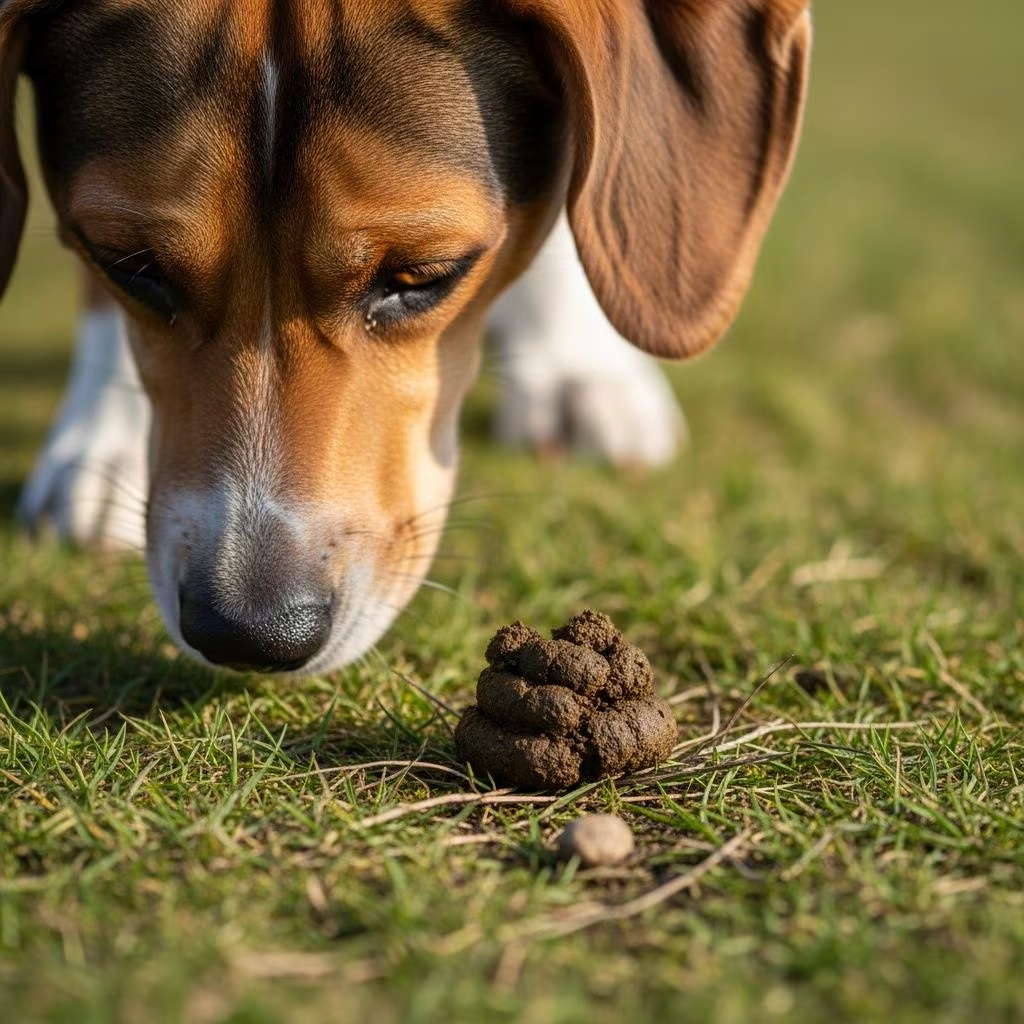
If you’ve noticed your dog’s waste emitting particularly unpleasant odors, you’re not alone in this common concern. The strength of fecal smell in canines varies considerably based on multiple factors, ranging from what your dog consumes to underlying digestive or health complications. Rather than accepting strong odors as inevitable, understanding the underlying mechanisms can help you identify whether the issue is dietary, behavioral, or indicative of a health concern requiring veterinary attention.
The Chemistry Behind Fecal Odor in Dogs
Dog waste produces its characteristic unpleasant smell through complex biochemical processes. When bacteria in the canine digestive tract break down proteins and other organic compounds, they release several volatile substances responsible for the odor. Understanding these chemical components helps explain why some dogs produce more offensive-smelling waste than others.
The primary culprits are nitrogen-containing compounds called aliphatic amines, which emerge from protein breakdown in the intestines. Among the worst offenders is skatole (3-methylindole), produced when gut bacteria metabolize the amino acid tryptophan. Even minimal quantities of skatole can intensify odor dramatically. Additionally, indoles and branched-chain fatty acids—byproducts of protein fermentation—contribute significantly to the pungent smell.
When these compounds accumulate excessively in your dog’s stool, they create increasingly offensive odors. The quantity and concentration of these substances depend largely on what reaches the colon undigested and how efficiently your dog’s gut bacteria process it.
Nutritional Factors Contributing to Odor Intensity
The Impact of Food Quality and Digestibility
Diet represents the most significant controllable factor influencing fecal odor in dogs. Low-quality commercial pet foods frequently contain indigestible fillers such as corn, wheat, and soy that pass through the digestive system largely unprocessed. These fillers accumulate in the large intestine, where colonic bacteria ferment them extensively, producing excessive gas and intensifying odor.
Premium dog foods with high-quality protein sources result in more efficient digestion and smaller stool volume, naturally reducing odor. When your dog’s body can extract maximum nutrition from their food, less material reaches the colon, and consequently, less bacterial fermentation occurs.
| Food Component | Effect on Stool Odor |
|---|---|
| Low-quality fillers (corn, wheat, soy) | Increased fermentation, voluminous malodorous stools |
| Poor-quality or excessive protein | Elevated ammonia and sulfur compounds |
| Inadequate or excessive fiber | Disrupted digestion, altered fermentation patterns |
| Allergens and food intolerances | Gut inflammation, microbiome disruption |
| Rapid diet transitions | Temporary bacterial imbalance, digestive upset |
Protein Quality and Quantity Considerations
Excessive protein consumption or protein sourced from low-quality materials like meat by-products leads to incomplete digestion. When undigested protein reaches the colon, bacteria rapidly break it down, releasing ammonia and sulfur-containing compounds that create particularly pungent odors. Conversely, appropriate protein levels from high-quality sources support optimal digestion and reduce odor production.
Fiber Balance in Canine Nutrition
Fiber plays a crucial balancing role in digestive health. Insufficient fiber can lead to digestive sluggishness and extended fermentation times, while excessive fiber may overwhelm digestive capacity. Natural fiber sources like sweet potatoes and pumpkin promote well-formed, less odorous stools. The key is finding the appropriate amount for your individual dog’s digestive system.
Food Sensitivities and Allergic Reactions
Food allergies and intolerances trigger intestinal inflammation that disrupts normal digestive processes. Common problematic ingredients include beef, chicken, pork, corn, and potatoes. When a dog’s immune system reacts to dietary components, the resulting gut irritation prevents efficient nutrient absorption and alters the intestinal microbiome, leading to increased odor production and often looser, more frequent stools.
Health Conditions That Intensify Fecal Odor
Parasitic and Bacterial Infections
Various parasites can colonize the canine digestive tract and significantly impact stool odor. Roundworms and hookworms are common intestinal parasites that dogs acquire through contaminated environments. Single-celled protozoans like Giardia and Coccidia also cause profound changes in fecal characteristics, including intense odor, loose consistency, and sometimes visible mucus or blood.
Bacterial infections, including pathogenic strains like E. coli, cause intestinal inflammation that disrupts normal digestive function. Viral infections such as parvovirus similarly create inflammatory responses that result in foul-smelling, often watery waste. Any suspected parasitic or bacterial infection warrants a fecal examination by a veterinarian.
Pancreatic and Digestive Enzyme Deficiencies
Exocrine Pancreatic Insufficiency (EPI) occurs when the pancreas fails to produce adequate digestive enzymes. Without sufficient enzymatic breakdown, food passes through the digestive tract largely undigested, resulting in sudden onset of notably foul-smelling stool. Dogs with EPI typically display weight loss despite increased appetite—a paradoxical combination that signals nutritional absorption problems.
Similar malabsorption issues can stem from various pancreatic or biliary system dysfunctions. These conditions prevent proper nutrient extraction from food, allowing excessive undigested material to reach the colon where bacterial fermentation creates intense odors.
Inflammatory Bowel Disease and Intestinal Inflammation
Inflammatory Bowel Disease (IBD) represents a chronic inflammation syndrome affecting the intestinal tract. This condition interferes with nutrient absorption and can be triggered by parasitic infections, bacterial overgrowth, or food intolerances. Dogs with IBD frequently experience particularly odorous, loose stools along with other digestive symptoms.
Gastrointestinal Bleeding and Metabolic Changes
Intestinal bleeding introduces hemoglobin into the fecal material, creating a distinctive metallic odor that differs from typical fecal smell. Bloody discharge accompanied by a sharp, metallic scent typically indicates gastrointestinal bleeding and requires prompt veterinary evaluation.
Dietary Management Strategies for Odor Reduction
Selecting Nutritionally Superior Foods
The most direct approach to reducing fecal odor involves upgrading your dog’s diet. Prioritize foods featuring real meat, fish, or eggs as primary ingredients rather than processed kibble. Look for foods that have undergone minimal processing and contain identifiable whole-food components.
Incorporating Beneficial Microbiome Support
Probiotics and prebiotics work synergistically to establish a healthy gut microbiome. Probiotics introduce beneficial bacteria that compete with odor-producing harmful bacteria, while prebiotics provide nutrient sources for these beneficial organisms. A balanced microbiome reduces the population of pathogenic bacteria responsible for excessive odor production.
Digestive enzymes supplement your dog’s natural enzymatic capacity, facilitating more complete food breakdown and nutrient absorption. Reduced undigested material reaching the colon means less bacterial fermentation and consequently less odor.
Implementing Gradual Dietary Transitions
Abrupt food changes disrupt the established bacterial populations in your dog’s gut. When transitioning to new foods, implement changes gradually over 7–10 days, progressively increasing the proportion of new food while decreasing the old. This allows the microbiome to adapt without the digestive upset and increased odor that accompanies rapid changes.
Identifying When Professional Veterinary Care Is Necessary
While dietary adjustments resolve many odor issues, certain signs indicate the need for professional evaluation. Persistently foul-smelling stools despite dietary optimization, sudden changes in odor intensity, accompanying symptoms like weight loss or increased appetite, loose or watery consistency, or visible mucus and blood all warrant veterinary examination.
A veterinarian can perform fecal analysis to identify parasitic or bacterial infections, assess pancreatic function, and evaluate overall gastrointestinal health. Prompt diagnosis of underlying conditions enables targeted treatment rather than prolonged trial-and-error dietary adjustments.
Environmental and Hygiene Management Approaches
While addressing the underlying causes represents the most effective long-term solution, managing the environmental impact of odor requires practical strategies. Natural deodorizing agents like baking soda can be applied to affected areas, creating a paste with water and leaving it for several minutes before thorough rinsing. Apple cider vinegar solutions (one part vinegar to ten parts warm water) help neutralize lingering odors through natural antimicrobial action.
Prompt waste removal remains essential—the longer fecal material sits, the more volatile odor compounds it releases. Enzymatic cleaners specifically formulated for pet waste break down the organic compounds responsible for smell more effectively than standard cleaning products.
Frequently Asked Questions About Canine Fecal Odor
Can changing my dog’s food eliminate odor completely?
Diet significantly influences odor in most cases, but complete elimination depends on whether underlying health conditions exist. If your dog has infections, parasites, or conditions like EPI, dietary changes alone won’t resolve the issue. However, upgrading to premium, highly digestible foods typically reduces odor substantially.
How long does it take to see odor improvement after dietary changes?
Most dogs show noticeable improvement within 2–4 weeks of dietary transition, though the full effects of microbiome rebalancing may take 6–8 weeks. Consistency matters—inconsistent feeding or frequent changes prevent the beneficial bacteria from establishing stable populations.
Are probiotics necessary for all dogs?
While not essential for every dog, probiotics benefit those with dietary sensitivities, previous antibiotic use, or digestive upset. They’re particularly valuable when transitioning foods or managing odor issues related to microbiome imbalance.
When should I seek veterinary care for odor concerns?
Seek professional evaluation if odor persists despite dietary optimization lasting several weeks, if odor develops suddenly without dietary changes, if accompanied by other symptoms like weight loss or diarrhea, or if your dog shows signs of discomfort or illness.
Conclusion: Creating a Comprehensive Odor Management Plan
Excessive fecal odor in dogs stems from multiple interconnected factors spanning diet, digestive health, and underlying medical conditions. Rather than viewing odor as inevitable, recognize it as communication from your dog’s digestive system that adjustments may be beneficial. Start with dietary evaluation and gradual improvements toward premium, highly digestible foods supplemented with probiotics and digestive enzymes. Monitor changes over several weeks while maintaining consistency in feeding practices. If improvements don’t materialize or if accompanying symptoms develop, prioritize veterinary assessment to rule out infections, parasites, or systemic conditions requiring targeted treatment. Through systematic evaluation and appropriate interventions, most dogs can achieve substantial odor reduction, contributing to a more pleasant living environment for both dog and owner.
References
- Understanding Canine Digestive Chemistry and Fecal Odor — Furry Green. 2024. https://furrygreen.hk/blogs/blog/dog-poop-odor-causes-solutions
- Gut Microbiome Balance and Digestive Health in Dogs — Bernie’s Perfect Poop. 2024. https://www.bernies.com/perfect-poop/dog-stool-odor/
- Parasitic Infections and Gastrointestinal Health — The Dooloop. 2024. https://the-dooloop.myshopify.com/blogs/blog/why-dog-poop-stinks
- Giardia Infections in Canines — House Paws Minnesota. 2024. https://housepawsmn.com/does-your-pets-stool-smell-absolutely-rancid/
- Natural Odor Management Solutions for Pet Waste — Paw Pail. 2024. https://pawpail.com/blogs/pet-hygiene/what-kills-the-smell-of-dog-poop-outside-trusted-home-remedies



