

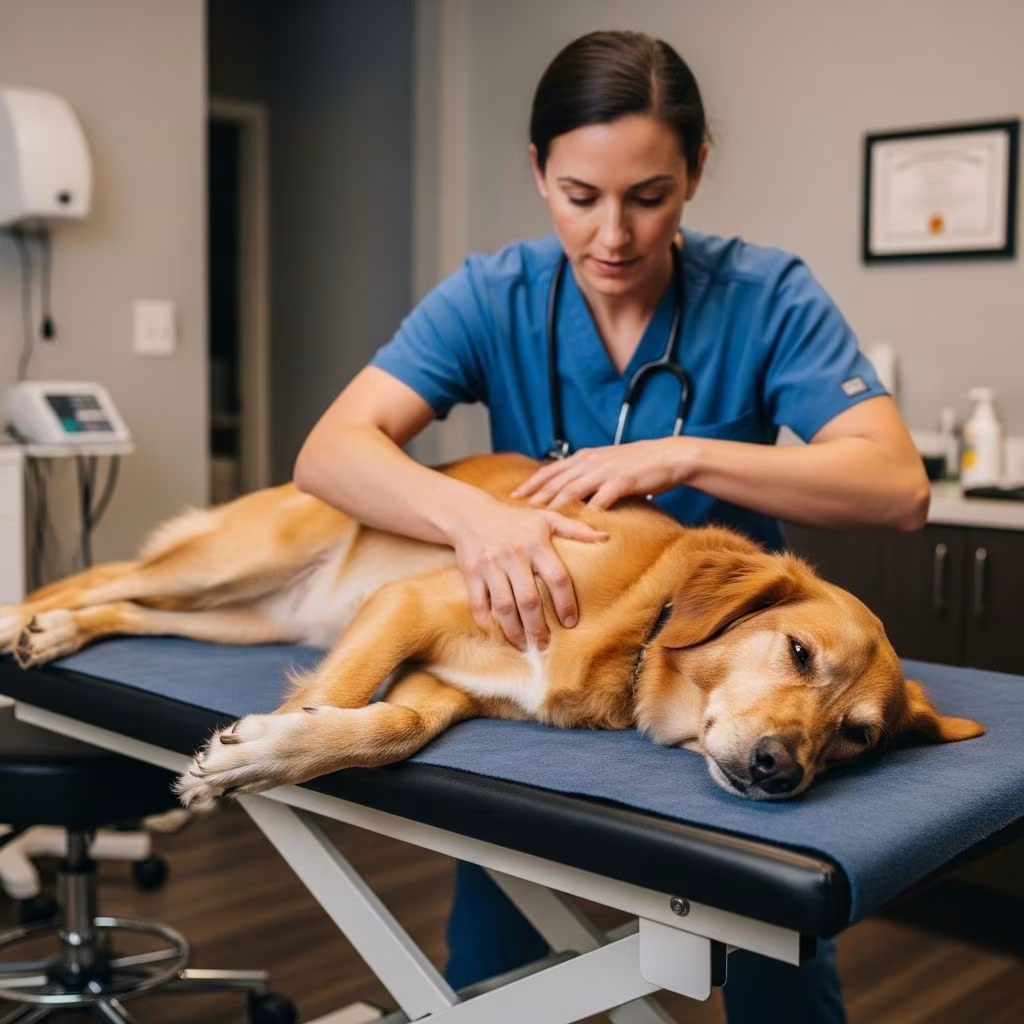
As dog owners seek comprehensive approaches to their pets’ health and wellness, alternative therapies like chiropractic care have gained increasing recognition within veterinary medicine. Canine chiropractic care represents a specialized field focused on maintaining and restoring the proper function of a dog’s neuro-musculoskeletal system. This therapeutic approach complements traditional veterinary care and addresses a wide range of conditions that affect a dog’s mobility, comfort, and quality of life.
Defining Canine Chiropractic Care and Its Foundational Principles
Canine chiropractic care is a therapeutic discipline that centers on the correct alignment and movement of the spine and joints. At its core, this practice is based on the principle that proper vertebral alignment directly influences nervous system function and overall bodily health. When vertebrae become misaligned—a condition called a subluxation—they can interfere with nerve transmission and create areas of tension that restrict movement and cause discomfort.
Licensed animal chiropractors employ specific, controlled manual adjustments to restore vertebral alignment and promote optimal joint mobility. By correcting these misalignments, chiropractors facilitate improved communication between the nervous system and the rest of the body, enabling dogs to experience enhanced comfort and function.
The discipline is an emerging sub-specialization for both Doctors of Veterinary Medicine (DVMs) and Doctors of Chiropractic (DCs). These practitioners use hands-on techniques to identify areas of restricted movement and apply precise thrusts to immobile anatomical structures, restoring normal vertebral motion and removing neurological interference.
The Mechanism Behind Chiropractic Adjustments
Understanding how chiropractic adjustments work provides insight into why many veterinarians and dog owners consider this therapy a valuable component of comprehensive pet care. During a chiropractic treatment session, the practitioner performs spinal manipulation or manual therapy to shift misplaced vertebrae back to their natural position. This process releases pressure on surrounding nerve tissue, allowing trapped nerves to be freed and the nervous system to function properly again.
The therapeutic process involves several key elements:
- Assessment and palpation: The chiropractor carefully examines the dog’s spine and joints, using hands-on techniques to identify areas of restriction or misalignment
- Precise adjustments: Once restricted areas are identified, the chiropractor applies controlled, targeted thrusts to affected vertebrae
- Nerve pathway restoration: By removing neurological interference, chiropractic care enables the body’s natural healing mechanisms to function optimally
- Improved circulation: Adjustments can stimulate circulation and lymph drainage while releasing endorphins to reduce pain
This mechanism explains why chiropractic care can produce tangible improvements in a dog’s gait, pain levels, and overall activity levels, often immediately following an adjustment.
Conditions That Respond to Canine Chiropractic Treatment
Pet chiropractors can address a diverse range of musculoskeletal and neurological conditions that significantly impact a dog’s quality of life. The following conditions commonly benefit from chiropractic intervention:
| Condition Category | Specific Conditions |
|---|---|
| Degenerative Disorders | Hip dysplasia, osteoarthritis, degenerative disc disease, degenerative myelopathy |
| Spinal and Neurological | Intervertebral disc disease (IVDD), chronic neck or back pain, nerve damage |
| Acute Musculoskeletal Issues | Muscle spasms, acute tension, stiffness, sprain and strain injuries |
| Functional and Behavioral | Separation anxiety, difficulty jumping, behavioral changes, incontinence |
| Recovery and Performance | Post-surgical rehabilitation, sports injuries, lameness |
| Dermatological | Lick granulomas and other skin conditions related to underlying musculoskeletal issues |
Chiropractic treatment is most effective for conditions with a biomechanical or neurologic origin. Dogs exhibiting signs such as muscle spasms along their back, inability to jump, reluctance to perform routine activities, or difficulty getting in and out of vehicles may be candidates for chiropractic evaluation.
Comprehensive Benefits of Chiropractic Care for Dogs
The advantages of chiropractic therapy extend across multiple dimensions of canine health and wellness. Pet owners and veterinarians recognize numerous benefits when chiropractic care is integrated into a comprehensive treatment plan:
- Enhanced mobility and flexibility: Chiropractic adjustments improve joint mobility and functional biomechanics, increasing range of motion
- Pain management without pharmaceuticals: As a non-invasive, drug-free approach, chiropractic care can alleviate pain without requiring anesthesia or surgical intervention
- Accelerated recovery: Dogs recovering from injury or surgery often regain mobility faster through chiropractic support
- Nervous system optimization: By removing spinal misalignment interference, chiropractic care improves nervous system function and communication throughout the body
- Inflammation reduction: Proper alignment and improved circulation help reduce pain and inflammation in affected areas
- Disease progression management: Chiropractic care can slow the advancement of degenerative conditions affecting bones, discs, and soft tissue
- Enhanced performance: Working and athletic dogs may experience improved agility, endurance, and overall performance
- Senior dog comfort: Geriatric dogs typically show reduced stiffness and increased comfort after adjustments, often becoming more active and playful
- Immune system support: Broader benefits include superior immune function and healthier metabolism facilitated by proper neurological function
Chiropractic care represents an important complementary option for cats with limited pain medication availability, though this article focuses specifically on canine applications.
What to Expect During Your Dog’s First Chiropractic Appointment
Understanding the structure of a chiropractic visit helps dog owners prepare and know what their pet will experience. At the initial appointment, the chiropractor conducts a thorough examination and assessment. During this evaluation, the practitioner observes how the dog moves and stands, examines the dog’s anatomy, and palpates for areas of discomfort or asymmetry.
If the referring veterinarian has not already completed radiographic imaging, X-rays may be taken as part of the first examination to provide detailed information about spinal alignment and joint integrity. This comprehensive initial assessment allows the chiropractor to develop a targeted treatment plan addressing the dog’s specific needs and conditions.
Integrating Chiropractic Care Into Your Dog’s Overall Health Strategy
Chiropractic treatment should supplement—not replace—traditional veterinary care and pain relief medications. The most effective outcomes occur when chiropractic care works in conjunction with conventional veterinary treatment. This integrative approach ensures that acute medical issues are addressed through appropriate veterinary medicine while chiropractic adjustments support musculoskeletal health and neurological function.
Dogs with primary neurologic conditions require evaluation by their primary veterinarian and potentially a board-certified neurologist before seeing an animal chiropractor. This coordinated care approach ensures appropriate diagnosis and prevents potential complications.
Preventive Applications and Long-Term Wellness Benefits
Chiropractic care can serve as preventive medicine for dogs predisposed to joint or spinal diseases, or those prone to arthritis. Rather than waiting until a dog develops symptoms, proactive chiropractic care may help maintain spinal alignment and prevent the onset of degenerative conditions.
This preventive approach proves particularly valuable for dog breeds genetically predisposed to hip dysplasia, degenerative joint disease, and other skeletal conditions. By maintaining optimal spinal and joint alignment throughout a dog’s life, owners may reduce the severity of age-related musculoskeletal decline.
Special Applications: From Athletic Dogs to Senior Companions
The versatility of chiropractic care extends across different life stages and activity levels. Athletic and working dogs may benefit from improved performance, while senior dogs often experience enhanced comfort and quality of life. For pregnant dogs, chiropractic adjustments may help ease the birthing process, demonstrating the therapy’s broad applicability.
Behavioral problems that stem from underlying musculoskeletal discomfort often improve when the physical cause is addressed through chiropractic care. Dogs experiencing difficulty chewing, bowel or bladder issues, or injuries from sports activities represent ideal candidates for chiropractic evaluation and treatment.
Finding and Selecting a Qualified Animal Chiropractor
The growing recognition of animal chiropractic has led to increased professional credentials and standardization. Qualified practitioners hold certification through organizations such as the International Veterinary Chiropractic Association (IVCA). Seeking practitioners with these credentials ensures appropriate training, knowledge, and adherence to professional standards.
Many veterinary clinics now employ or collaborate with certified animal chiropractors, facilitating coordinated care. This integration within established veterinary practices provides the added benefit of direct communication between the chiropractor and the primary veterinarian, ensuring comprehensive, well-coordinated treatment.
Understanding the Outcomes and Timeline
Dog owners should have realistic expectations regarding chiropractic treatment outcomes. While some dogs experience immediate improvement in gait and pain reduction following an adjustment, others require multiple sessions to achieve optimal results. The number and frequency of treatments depend on the specific condition, the dog’s age, overall health status, and individual response to therapy.
Long-term benefits often include sustained improvements in mobility, reduced reliance on pain medications (under veterinary supervision), and enhanced quality of life. The goal is not temporary relief but rather restoration of proper function and prevention of further deterioration.
Frequently Asked Questions About Canine Chiropractic Care
Is chiropractic care safe for all dogs?
Chiropractic care is generally considered a safe and non-invasive treatment option. However, dogs with certain primary neurologic conditions require veterinary and specialist evaluation before chiropractic treatment. Consulting with your veterinarian ensures chiropractic care is appropriate for your dog’s specific health status.
How often should a dog receive chiropractic treatment?
Treatment frequency varies based on the condition being treated, the dog’s response to therapy, and individual circumstances. Initial treatment plans may involve weekly visits, transitioning to maintenance visits as improvement occurs. Your chiropractor and veterinarian will recommend an appropriate schedule.
Can chiropractic care replace pain medications?
In some cases, dogs may be able to reduce or eliminate pain medications under veterinary supervision, but chiropractic care should not abruptly replace prescribed medications without professional guidance.
What is the cost of canine chiropractic care?
Pricing varies by location and practitioner credentials. Many veterinary clinics can provide cost estimates during initial consultations.
The Future of Integrative Canine Health Care
The increasing integration of chiropractic care within veterinary practices reflects growing recognition of its value in comprehensive pet health management. As more veterinarians collaborate with certified animal chiropractors and more research supports the efficacy of these approaches, integrative care models will likely continue expanding. This evolution toward whole-animal medicine recognizes that optimal pet health requires addressing musculoskeletal, neurological, and overall system function through diverse but complementary therapeutic approaches.
References
- Canine Chiropractic Care: A Gentle Path to Improved Mobility and Wellness — Midwest Hospital. https://midwesthospital.com/veterinary-blog/canine-chiropractic-care/
- Benefits of Chiropractic Care For Pets — Red Hill Pet Care Hospital. https://www.rhpch.com/site/blog/2022/09/30/chiropractic-care-pet
- The Benefits of Canine Chiropractic Care — Ellenton Animal Hospital. https://www.ellentonah.com/site/blog/2022/04/26/canine-chiropractic-care
- Benefits of Chiropractic Care for Animals — MAR Chiropractic. https://www.marchiropractic.com/services/animal-chiropractic/
- Chiropractic Care for Dogs: Everything You Need to Know — American Kennel Club. https://www.akc.org/expert-advice/health/chiropractic-care-for-dogs/
- Chiropractic Adjustment for Animals — Veterinary Medicine at Illinois. https://vetmed.illinois.edu/pet-health-columns/chiropractic-adjustment-animals/
- How Animal Chiropractic Helps Pets Feel Better — Franklin Veterinary Clinic. https://franklintnvet.com/animal-chiropractic/
- When to See a Dog Chiropractor and What They Can Do — PetMD. https://www.petmd.com/dog/when-see-dog-chiropractor-and-what-they-can-do
- What Is Animal Chiropractic — Options for Animals College of Animal Chiropractic. https://optionsforanimals.com/animal-owners/what-is-animal-chiropractic/



