
Understanding Canary Behavior: A Guide to Your Pet Bird
Discover canary behavioral patterns, social needs, and personality traits for optimal pet care.
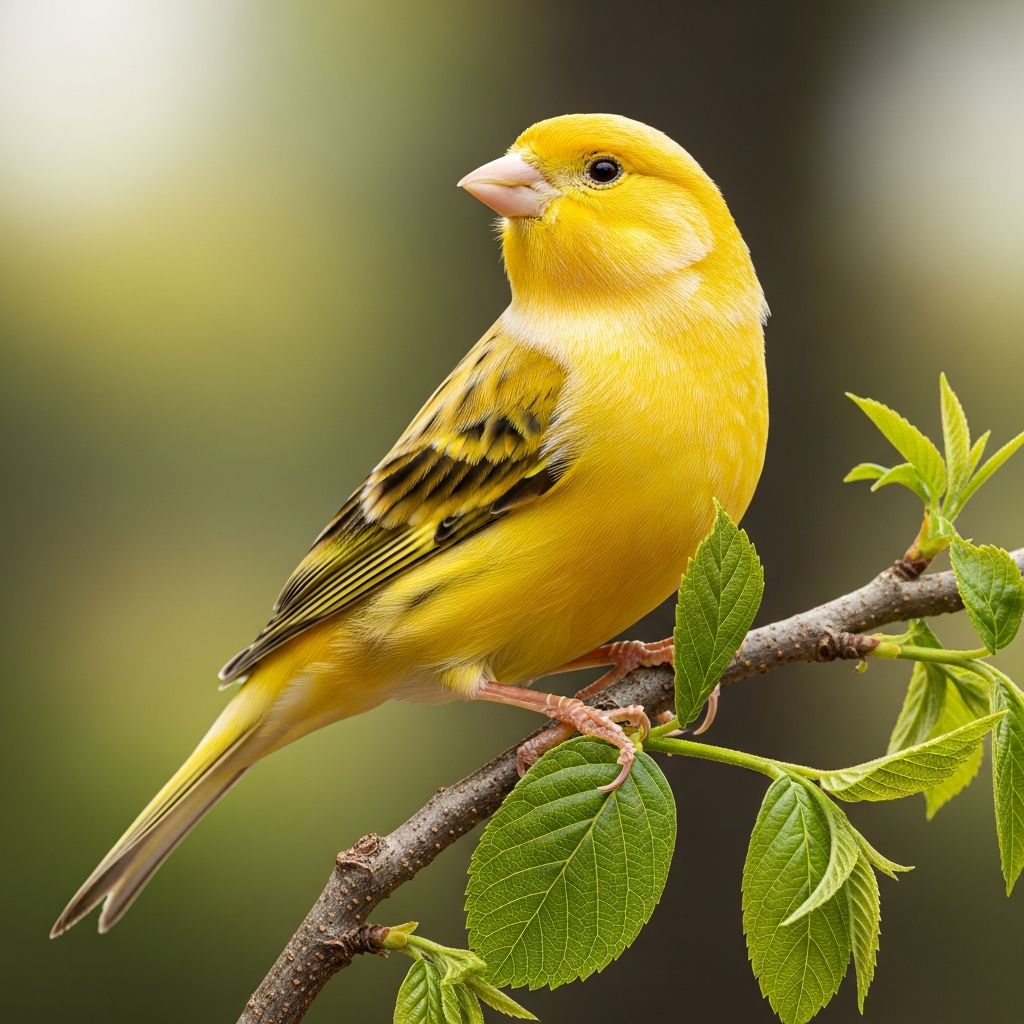
Understanding Canary Behavior: A Comprehensive Guide
Canaries are delightful feathered companions known for their vibrant plumage and enchanting songs. However, understanding their behavior is essential for providing proper care and ensuring a harmonious relationship with your pet. Unlike many popular pet birds, canaries have unique behavioral characteristics that set them apart. This guide explores the fascinating world of canary behavior, from their distinctive vocalizations to their territorial nature and social preferences.
The Nature of Canary Vocalization
One of the most captivating aspects of canary ownership is their remarkable ability to sing. Male canaries are particularly vocal, producing elaborate songs that serve important biological and social functions. They sing to attract mates and establish territory within their environment, typically beginning their vocal performances early in the morning. The quality and consistency of their singing make them unique among pet birds, as singing canaries are the only pets whose voice and vocalizations have been influenced by humans to alter their sounds.
The vocal repertoire of a canary is quite impressive. Male canaries sing long stanzas built from many verses or phrases, with a stable vocal repertoire that typically includes 30 to 40 different individual syllables. What makes canaries even more remarkable is their ability to distinguish sequences of sounds, store them in memory, and reproduce them accurately. This sophisticated learning ability allows them to acquire songs inherent to their species and even imitate sounds produced by other birds and environmental noises.
Seasonal Singing Patterns
Canaries exhibit dramatic seasonal changes in their singing behavior. The light cycle has a direct effect on a canary’s singing quality, with males becoming significantly more vocal during the spring breeding season. All canaries become more vocal as changing daylight levels trigger their mate-seeking instincts. After the first breeding season concludes, males sing less frequently and eventually enter a refractory period where they stop singing altogether. However, following their annual molt, they return to singing an autumn song that is far more vivid than their full song, with no fixed temporal structure but much more variable individual elements.
Female Vocalization
While male canaries are celebrated singers, females typically do not sing in the traditional sense. However, they do produce chirping sounds and can become quite vocal, particularly during specific circumstances. Research has suggested that females may begin singing if exposed to increased testosterone levels that influence the brain regions controlling vocalization. Female canaries are generally less vocal than their male counterparts, tending to chirp more softly.
Territorial and Aggressive Behavior
Understanding canary territorial behavior is crucial for anyone considering housing multiple birds. Canaries are inherently solitary creatures and can be quite territorial when living together with other canaries or similarly sized birds. This territorial nature makes housing multiple canaries together risky and generally unwise. Canaries consistently maintain an individual distance from one another, which even paired partners defend throughout their relationship.
Establishing Hierarchy in Group Settings
When canaries are kept together in an aviary setting outside of the breeding season, a hierarchy is established within the group. Once this social order is determined, disputes rarely arise, with most conflicts occurring over coveted food sources or preferred perches. The fights that do occur are typically limited to mutual threats, after which the weaker bird yields to the dominant individual. Canaries express threats using characteristic body language, including open beaks and raised wings.
Breeding Season Aggression
During the breeding season, male canaries establish territories and often defend them fiercely. Males intensify their singing and engage in chases and beak fights against rivals as they compete for mates and breeding space. This heightened aggression during breeding season necessitates careful management if you house multiple birds.
Social Behavior and Interaction Preferences
Despite their small size, canaries have minimal social requirements compared to other popular pet birds. The canary is a solitary bird—introverted in human terms—and they are normally comfortable living alone in a cage. This preference for solitude distinguishes them from more social species like budgies and companion parrots.
Interaction with Humans
Canaries are not hands-on birds and tend to be skittish around humans. While they are by no means as tame as budgies and companion parrots, they can still, with patience, be tamed and trained to the point where they willingly approach humans and sit on their hands or shoulders. However, canaries have little need to socialize with people, and while there have been cases of canaries becoming finger tame, this remains the exception rather than the rule. This characteristic makes canaries an excellent choice for first-time bird owners or those living in smaller spaces who desire a beautiful pet without the demand for constant interaction.
Mutual Affection Display
When canaries want to express mutual affection, they peck at each other; extensive mutual preening, as commonly observed in finches, is not typical canary behavior. This unique expression of bonding should not be misinterpreted as aggression but rather as a normal display of attachment between paired birds.
Communication Beyond Song
While singing dominates canary communication, these birds employ other sophisticated communication methods. Canaries communicate through calls and song, and they respond to the warning calls of other birds, demonstrating their understanding of sounds unrelated to their species. When excited, canaries may jump from perch to perch throughout their cage or express their enthusiasm through various chirping sounds.
Behavioral Characteristics and Personality
Canaries are typically gentle, non-aggressive birds that possess distinct personality traits making them appealing as pets. They are highly adaptable birds that can thrive in different environments when provided with proper care. Canaries are active and love to fly around their cages, hop between perches, and explore new toys. Their curious nature and bright-eyed demeanor often reflect their inquisitive personalities.
Activity Levels
Unlike larger parrots that demand extensive interaction, canaries maintain their own entertainment through activity. They spend most of their days flying within their cages, requiring sufficient space for this natural behavior. The larger the cage, the healthier the bird, as canaries obtain their respiratory exercise from flight. This makes canaries cleaner than larger pet birds, as they tend to throw less debris out of their cage and are less likely to shred toys or papers.
Enrichment and Environmental Needs
Providing appropriate enrichment is essential for maintaining behavioral health and preventing stress-related behaviors. Although canaries are often kept alone, they are social creatures and thrive when receiving attention and stimulation from their owners. While they may not enjoy physical contact as much as other birds, canaries love to interact through song and activity.
Toys and Mental Stimulation
Toys provide mental and physical stimulation essential for canary wellbeing. Canaries enjoy mirrors, bells that make sound, leather straps, swings, and ladders. In addition to these traditional toys, your canary will appreciate regular changes in their environment. Canaries are intelligent and enjoy exploring new objects, so changing toys regularly can help prevent boredom and associated behavioral problems. Ensure that all toys are bird-safe and free from small parts that could be swallowed.
Bathing and Hygiene
Canaries require regular access to water for bathing themselves. They regularly need a water dish for this purpose, and bathing is essential for maintaining feather condition. Provide fresh water for bathing at least once or twice weekly. Your bird may also enjoy misting with a spray bottle of lukewarm water, which helps them stay clean and hydrated. This natural behavior should be encouraged as part of regular cage maintenance.
Behavioral Problems and Solutions
Understanding potential behavioral issues helps you address problems promptly and maintain your canary’s wellbeing.
Feather Plucking
Feather plucking can indicate stress, boredom, or poor nutrition. If your canary is plucking its feathers, it’s essential to evaluate its environment comprehensively. Providing more mental stimulation through varied toys, implementing a better diet, and ensuring the cage is positioned in a calm area away from household stressors can help alleviate this behavior.
Managing Environmental Stressors
Unlike larger birds, canaries are sensitive to their environment and can experience stress from improper lighting cycles. Since canaries use the sun to indicate when it’s time to nest, artificial lighting in home environments can create confusion and behavioral issues. Providing appropriate lighting schedules helps maintain natural behavioral patterns.
Breeding Behavior
Understanding canary reproduction is valuable for those considering breeding programs or simply wanting to manage their pet’s behavior effectively. The canary’s breeding season begins in spring, triggered by increasing daylight hours. During this period, males intensify their singing and engage in chases and beak fights against rivals. The female frequently emits a trilling mating call and flaps her wings, remaining constantly on the move.
If the female is broody, she takes nesting material in her beak and searches for a suitable nesting site in a characteristic nest-building ceremony. Mating itself lasts only one to two seconds. On the day young hatch, they live off the yolk sac and are brooded by the female without feeding until the next day. During the first few days of the young’s life, the male takes over finding food and passes it from his crop to the female, who regurgitates this food and feeds the young with twice-soaked food mush.
Frequently Asked Questions
Q: Are canaries social birds that should be kept in groups?
A: No, canaries are solitary birds and are not social by nature. While they can be kept in pairs or groups during non-breeding seasons in aviaries, they are generally most comfortable living alone and can become territorial when housed together.
Q: Why do male canaries sing?
A: Male canaries sing to attract mates and establish territory. They begin singing early in the morning, and their singing is heavily influenced by the light cycle, with increased vocalization during spring breeding season.
Q: Can canaries be tamed to interact with humans?
A: Yes, canaries can be tamed with patience to approach humans and perch on their hands or shoulders, though they are not naturally inclined toward physical interaction. They remain generally skittish around people compared to other pet birds.
Q: What enrichment do canaries need?
A: Canaries benefit from toys like mirrors, bells, swings, and ladders, regular bathing opportunities, a large cage for flight exercise, and varied environmental stimulation to prevent boredom and behavioral problems.
Q: Do female canaries sing?
A: Female canaries typically do not sing traditional songs but produce chirping sounds. They may sing if testosterone levels increase, affecting the brain regions that control vocalization.
Care Considerations for Behavioral Health
Proper care directly impacts behavioral expression in canaries. Color-bred canaries may have specific care requirements like specialized diet to preserve their plumage colors annually. Providing appropriate lighting to mimic natural day-night cycles, maintaining cage cleanliness, offering sufficient space for flight, and ensuring proper nutrition all contribute to healthy behavioral expression.
The quality and activity of singing, reproduction, and longevity of the bird depend on the correct maintenance and care of the bird. By understanding canary behavior and meeting their specific needs, you create an environment where your pet can thrive and display natural, healthy behaviors.
References
- Domestic Canary — Wikipedia. 2024. https://en.wikipedia.org/wiki/Domestic_canary
- Canary Bird Care – Everything You Need to Know About Keeping a Canary — Animal Hotels. 2024. https://animalhotels.com/gb/blog/birds/canary-bird-care-everything-you-need-to-know-about-keeping-a-canary
- 5 Things You Need to Know About Canaries — Chewy Education. 2024. https://www.chewy.com/education/bird/canary-and-finch/5-things-you-need-to-know-about-canaries
- Canary Personality, Food & Care – Pet Birds by Lafeber Co. — Lafeber Company. 2024. https://lafeber.com/pet-birds/species/canary/
- What Is A Canary? — Kaytee. 2024. https://www.kaytee.com/learn-care/pet-birds/what-is-a-canary
- Canary Care — Royal Veterinary College. November 2023. https://www.rvc.ac.uk/
Similar Articles








Read full bio of medha deb


