

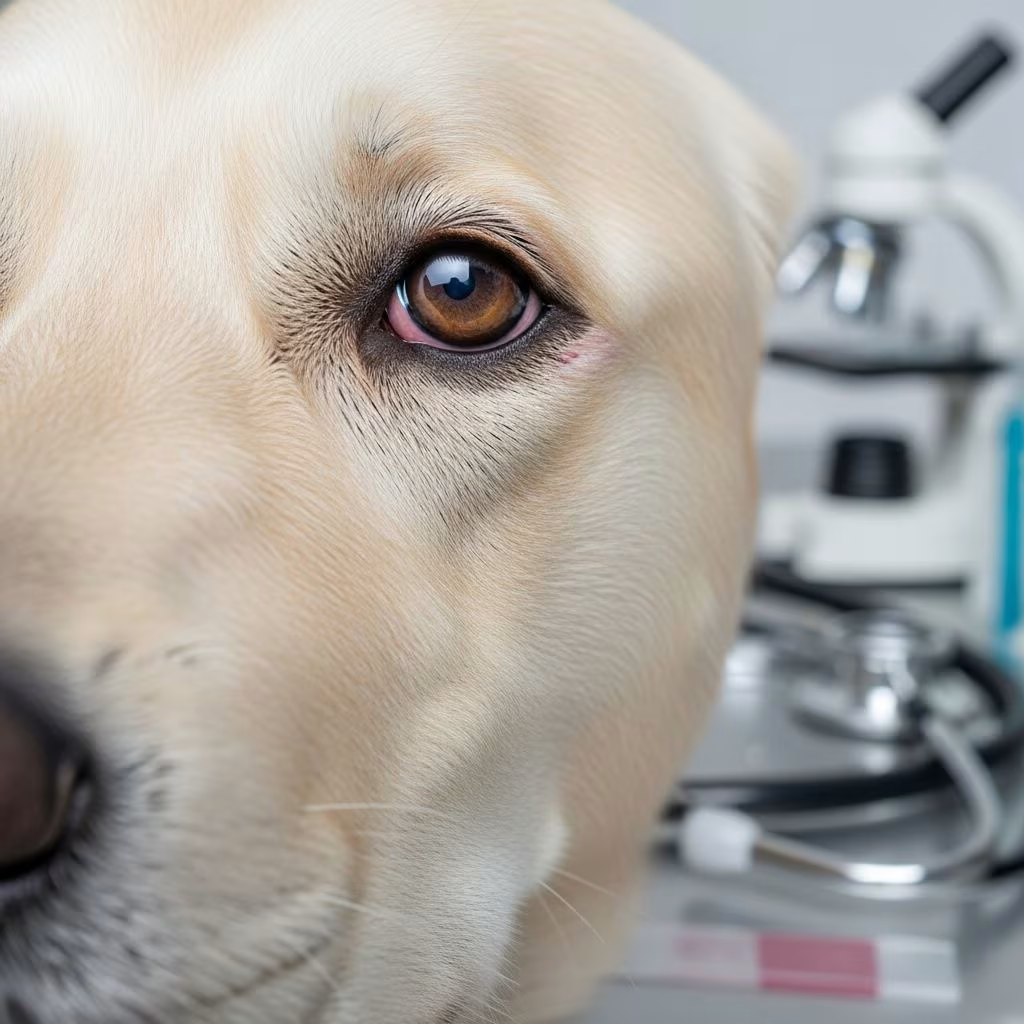
What Constitutes Anemia in the Animal Kingdom
Anemia represents a significant hematological condition affecting animals across species, characterized by a reduction in circulating red blood cells or hemoglobin concentration. This condition develops when an animal’s body cannot maintain adequate oxygen-carrying capacity in the bloodstream, compromising the delivery of essential oxygen to tissues and organs. The severity of anemia ranges from mild compensatory cases that animals may tolerate for extended periods to acute, life-threatening situations requiring immediate medical intervention.
The pathophysiology of anemia involves three fundamental mechanisms: insufficient erythrocyte production, accelerated destruction of existing red blood cells, or loss of blood volume through hemorrhage. Understanding these mechanisms provides veterinarians with essential diagnostic frameworks and guides treatment decisions. Rather than viewing anemia as a singular disease entity, modern veterinary medicine recognizes it as a clinical manifestation of underlying systemic dysfunction, necessitating comprehensive diagnostic investigation.
Categorizing Anemia Based on Pathophysiological Mechanisms
Hemorrhagic Anemia and Blood Loss Syndromes
Hemorrhagic anemia develops when animals experience significant blood loss, either externally visible or concealed within body cavities and tissues. This form of anemia represents the most straightforward to understand pathophysiologically—reduced red blood cell numbers result directly from reduced blood volume. Causes encompass traumatic injuries from accidents or fights, surgical complications, and internal bleeding from gastrointestinal ulceration or organ rupture.
Parasitic infestations constitute a major cause of chronic blood loss anemia in many animal populations. Hematolagous parasites such as hookworms and blood-feeding ectoparasites create persistent microhemorrhage that gradually depletes red blood cell reserves. In severe cases, particularly in young or nutritionally compromised animals, parasitic blood loss can precipitate acute anemia requiring transfusion support.
Regenerative Versus Non-Regenerative Production Deficits
When bone marrow function becomes compromised, animals develop anemia from decreased erythropoiesis. This category includes regenerative responses where the marrow attempts to compensate through increased red blood cell production, and non-regenerative conditions where marrow capacity is severely impaired.
Non-regenerative anemia occurs when bone marrow fails to respond adequately to the body’s oxygen deficit. Bone marrow diseases, including aplastic anemia and myelodysplastic syndromes, directly impair the bone marrow’s capacity to generate new erythrocytes. Chronic kidney disease produces non-regenerative anemia through diminished erythropoietin production, a hormone essential for stimulating red blood cell development in bone marrow. Animals with kidney disease experience progressive anemia as erythropoietin levels decline, though supplementation with synthetic erythropoietin can partially reverse this process.
Toxic exposures create another mechanism for production failure. Chemotherapy agents, radiation therapy, certain medications, and environmental toxins directly damage bone marrow architecture, reducing its ability to manufacture blood cells. These iatrogenic and environmental insults represent preventable causes where veterinary intervention can minimize exposure.
Hemolytic and Immune-Mediated Destruction Patterns
Hemolytic anemia encompasses conditions where circulating red blood cells undergo premature destruction. Immune-mediated hemolytic anemia occurs when the animal’s own immune system mistakenly targets and destroys erythrocytes, either through antibody binding or complement-mediated lysis. This paradoxical situation—where the immune system attacks the body’s own blood cells—can develop spontaneously or secondary to infections, medications, or underlying malignancies.
Non-immune hemolytic mechanisms include toxin exposure, parasitic infection, hereditary red blood cell defects, and metabolic abnormalities. Certain medications intended for human use prove toxic to animal erythrocytes, causing hemolysis when administered unknowingly. Oxidative damage from toxins can denature hemoglobin or disrupt erythrocyte membranes, leading to cell destruction.
Clinical Manifestations and Recognition Patterns
Observable Systemic Signs
Animals with anemia display predictable clinical signs reflecting compromised oxygen delivery and cardiovascular compensation mechanisms. Lethargy and exercise intolerance represent early manifestations, as tissues receive insufficient oxygen for normal metabolic function. Owners frequently report that previously active animals show reluctance to play, exercise, or engage in normal behavioral patterns.
Pale mucous membranes—visible in the gums, conjunctiva, and inner ear pinnae—indicate reduced hemoglobin concentration. This pale appearance results from the decreased number of red blood cells containing hemoglobin, which gives blood its characteristic color. In severe cases, mucous membranes may appear nearly white rather than the normal pink coloration.
Cardiovascular compensation manifests as tachycardia and rapid respiration, reflecting the heart and lungs’ attempts to maintain oxygen delivery despite reduced hemoglobin availability. The cardiovascular system increases circulation rate to compensate for reduced oxygen-carrying capacity per unit blood volume. This compensatory mechanism creates audible findings upon physical examination and increases myocardial workload.
Gastrointestinal and Systemic Indicators
Digestive system signs often accompany anemia, particularly when gastrointestinal pathology underlies the condition. Black stools (melena) indicate upper gastrointestinal bleeding, where blood undergoes partial digestion before elimination. Vomiting and appetite loss reflect both the underlying disease causing anemia and the systemic effects of inadequate oxygen delivery to digestive tissues.
Weight loss and body condition deterioration develop gradually in chronic anemia cases, as animals consume fewer calories and metabolic efficiency declines. Fever may indicate infectious or immune-mediated causes. Jaundice—yellowing of mucous membranes and skin—suggests hemolysis releasing bilirubin from destroyed erythrocytes.
Etiological Factors and Disease Associations
Infectious and Systemic Diseases
Numerous infectious agents cause anemia through multiple mechanisms. Tick-borne diseases such as Lyme disease, babesiosis, and erlichiosis damage erythrocytes or trigger immune responses leading to hemolysis. Viral infections including canine distemper produce bone marrow suppression, reducing erythrocyte production. Bacterial infections can cause anemia through sepsis-induced bone marrow dysfunction or direct hemolysis.
Chronic systemic diseases suppress red blood cell production through inflammatory cytokine release and metabolic derangements. Cushing’s disease, neoplastic conditions, and endocrine disorders produce anemia as secondary manifestations of primary disease processes.
Nutritional and Metabolic Contributors
Nutritional deficiencies represent preventable causes of anemia. Iron deficiency anemia develops from chronic blood loss when dietary iron intake cannot match losses. Vitamin B12 and folate deficiencies impair DNA synthesis required for erythrocyte maturation, producing macrocytic anemias. Protein malnutrition compromises the amino acid substrates necessary for hemoglobin synthesis.
Renal disease creates a specific anemia pattern through erythropoietin deficiency. The kidneys normally produce this hormone in response to hypoxia sensing, stimulating bone marrow to increase red blood cell production. Animals with progressive kidney disease experience declining erythropoietin levels, leading to anemia that worsens as renal function deteriorates.
Medication and Toxin-Related Causes
Certain medications interfere with red blood cell production or survival. Chemotherapy drugs cause predictable bone marrow suppression, including reduced erythropoiesis. Phenothiazine derivatives, sulfonamides, and other pharmaceuticals trigger idiosyncratic hemolytic reactions in susceptible animals.
Environmental toxins and poisons produce anemia through multiple pathways. Heavy metal exposure damages bone marrow and erythrocytes. Certain rodenticides cause coagulopathy leading to hemorrhage. Oxidative toxins denature hemoglobin or compromise erythrocyte integrity.
Diagnostic Approaches and Laboratory Assessment
Initial Evaluation Framework
Veterinary diagnosis begins with clinical history and physical examination findings suggestive of anemia. Complete blood count analysis provides quantitative assessment of red blood cell numbers, hemoglobin concentration, and hematocrit values. Blood smear microscopy reveals erythrocyte morphology, including size variation, shape abnormalities, and evidence of regeneration such as immature reticulocytes.
Reticulocyte counts distinguish regenerative from non-regenerative anemia responses. Animals with intact bone marrow function respond to anemia by releasing increased numbers of immature red blood cells into circulation. Absent or inappropriately low reticulocytosis in anemic animals indicates bone marrow failure or suppression.
Specialized Diagnostic Testing
Biochemical panels assess kidney function, liver function, and electrolytes to identify systemic diseases contributing to anemia. Coagulation profiles help distinguish hemorrhagic anemia from other causes and identify bleeding disorders. Serological testing identifies infectious agents associated with hemolytic anemia.
Bone marrow aspiration and biopsy provide direct assessment of myelopoietic tissue when non-regenerative anemia requires further investigation. These procedures reveal aplasia, myelodysplasia, neoplastic infiltration, or infectious involvement of marrow tissue.
Therapeutic Strategies and Treatment Modalities
Supportive Care and Stabilization
Severe, acute anemia requires immediate stabilization through blood transfusion, which temporarily restores oxygen-carrying capacity while underlying causes are investigated and treated. Oxygen supplementation supports tissue oxygenation in severely anemic animals experiencing respiratory distress. Intravenous fluid administration maintains circulating volume and perfusion pressure, preventing shock and organ dysfunction.
Rest and activity restriction reduce myocardial oxygen demands in anemic animals, minimizing stress on a cardiovascular system already taxed by compensation mechanisms. Cage rest or restricted exercise allows cardiovascular adaptation to the reduced oxygen-carrying state while treatment addresses underlying causes.
Cause-Specific Treatment Approaches
Hemorrhagic anemia treatment addresses the bleeding source through surgical intervention for lacerated vessels or organs, gastrointestinal medication for ulcer disease, or parasite elimination through anthelmintic therapy. Removing the source of blood loss allows bone marrow to replenish erythrocyte stores if nutritional status remains adequate.
Immune-mediated hemolytic anemia requires immunosuppressive therapy using corticosteroids or other immunosuppressive agents to halt antibody-mediated erythrocyte destruction. Some cases respond to additional immunosuppressive drugs when steroids alone prove insufficient. Blood transfusions provide survival support while immune suppression takes effect, though transfused red blood cells may also undergo destruction in severe cases.
Non-regenerative anemia from bone marrow disease may require specific treatments depending on the underlying etiology. Removing toxic exposures, discontinuing offending medications, and treating underlying infections represent primary interventions. Nutritional support with iron supplementation and B-complex vitamins supports erythrocyte production when deficiencies contribute to marrow failure.
Nutritional Support and Dietary Modification
Dietary management plays crucial supporting roles in anemia treatment. Iron-rich diets support hemoglobin synthesis in animals with iron deficiency or chronic blood loss. B vitamins, particularly B12 and folate, facilitate erythrocyte maturation. Adequate protein intake provides amino acid substrates for hemoglobin synthesis.
Therapeutic diets formulated specifically for anemic animals may be prescribed based on the underlying cause. Prescription diets often contain optimized iron, vitamin, and mineral profiles to maximize erythrocyte production. In cases of severe nutritional deficiency, supplementation beyond dietary sources may be necessary to correct deficits.
Prognosis and Long-Term Management Considerations
Anemia prognosis depends critically on the underlying cause’s treatability and the degree of bone marrow compromise. Anemia from acute blood loss carries excellent prognosis if hemorrhage control is achieved and transfusion support provided. Hemolytic anemia from immune causes often responds well to immunosuppressive therapy, though some animals experience chronic relapsing disease.
Non-regenerative anemias from incurable causes such as advanced kidney disease or bone marrow failure carry guarded to poor prognosis. However, symptomatic management can maintain quality of life through nutritional support, erythropoietin supplementation in kidney disease, and activity modification. Early recognition of anemia allows earlier intervention and frequently improves treatment outcomes.
Chronic monitoring through periodic blood work assesses treatment response and identifies recurrent problems early. Animals recovering from severe anemia require gradual return to normal activity as red blood cell numbers normalize and cardiovascular compensation needs decrease.
References
- Anemia in Dogs: Causes, Symptoms and Treatments — Madison Park Veterinary Hospital. 2023-06-30. https://www.madisonparkvet.com/site/blog/2023/06/30/anemia-dogs-causes-symptoms-treatments
- Anemia in Dogs: Causes, Symptoms and Treatments — Lake Cross Veterinary Hospital. 2020-09-29. https://www.lakecross.com/site/blog-huntersville-vet/2020/09/29/symptoms-causes-treatment-anemia-dogs
- Canine Anemia: Causes, Symptoms & How to Help — Willow Wood Animal Hospital. https://willowwoodah.com/canine-anemia-causes-symptoms-how-to-help/
- Anemia in Dogs — VCA Animal Hospitals. https://vcahospitals.com/know-your-pet/anemia-in-dogs
- Anemia in Cats – Cat Owners — Merck Veterinary Manual. https://www.merckvetmanual.com/cat-owners/blood-disorders-of-cats/anemia-in-cats
- Iron deficiency anemia — PubMed Central. 2012. https://pmc.ncbi.nlm.nih.gov/articles/PMC3280776/



