

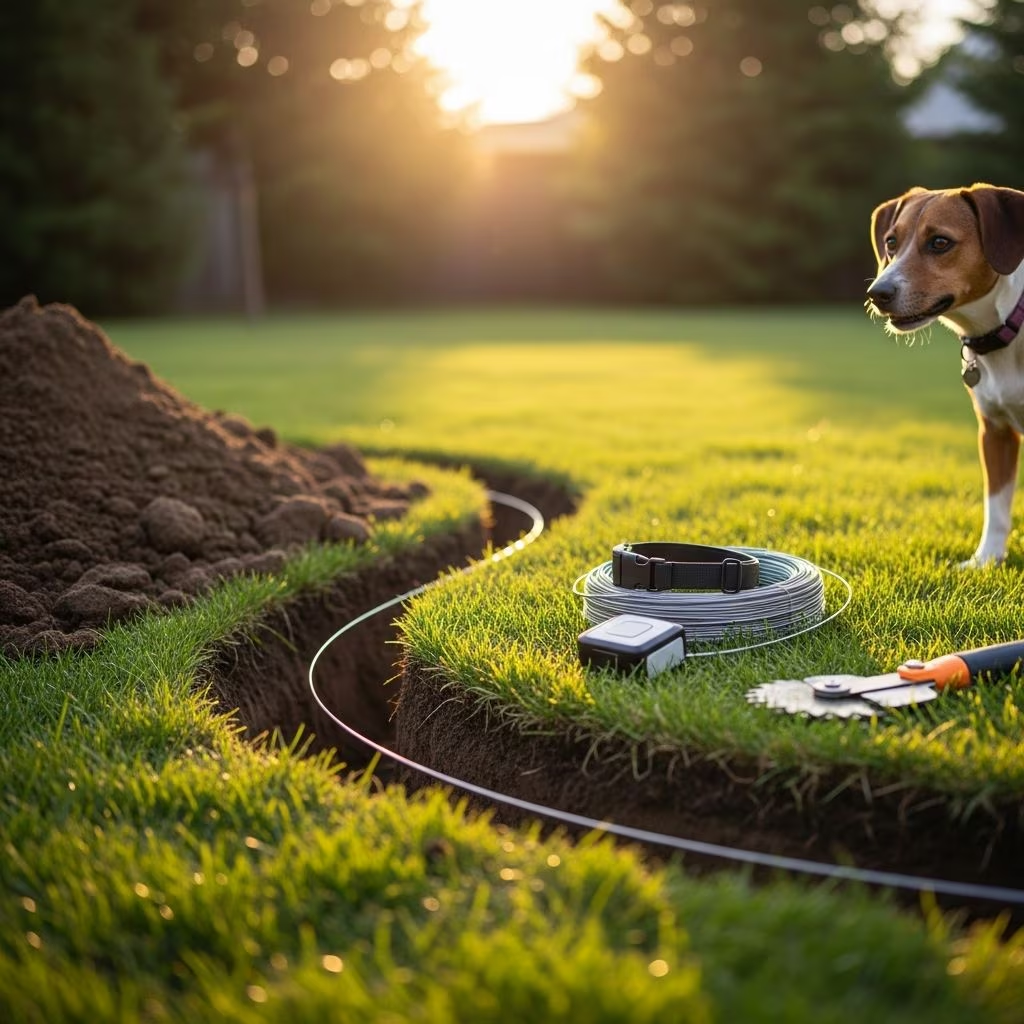
Installing an underground dog fence represents a significant investment for pet owners seeking reliable containment solutions without visible barriers. The total expense varies considerably based on installation method, property size, terrain complexity, and whether you choose professional installation or tackle the project yourself. Understanding these cost factors helps pet owners make informed decisions about their containment strategy.
Professional Installation Versus DIY Approach
The most substantial cost variation stems from choosing between professional installation and self-installation. Professional companies handle all aspects of the project, including site planning, wire burial, transmitter setup, and training for both owner and pet. This comprehensive service comes at a premium price point, typically ranging from several hundred to several thousand dollars depending on property size and complexity.
DIY installation dramatically reduces expenses by eliminating labor costs. Pet owners who possess basic tools and willingness to invest time can install systems for a fraction of professional pricing. However, this approach requires personal effort, potential equipment rental, and careful attention to installation specifications to ensure proper system functionality.
Breaking Down the Cost Components
Several distinct elements contribute to the total underground fence installation expense:
- Boundary Wire: The underground conductor that creates the containment perimeter typically costs between fifty and two hundred dollars depending on wire gauge and the length required for your property
- Transmitter Unit: This central control device that emits the radio signal ranges from one hundred to five hundred dollars based on features and quality
- Pet Receiver Collar: The wearable component that detects the signal costs seventy-five to three hundred dollars, with prices varying by technology sophistication
- Installation Equipment: Basic hand tools or specialized cable-laying equipment add to expenses, particularly if rental becomes necessary
- Labor and Professional Services: Professional installation fees typically constitute the largest expense component
- Training and Adjustment Period: Professional companies often include training sessions to acclimate pets to the system
Property Size and Its Impact on Overall Expense
The dimensions of your property significantly influence installation costs. Larger yards require more boundary wire, increasing material expenses. A quarter-acre property typically costs less than a multi-acre installation. Professional installers often charge based on square footage or linear fence length, making property measurements essential for accurate cost estimates.
Additionally, property shape affects wire requirements. Irregular boundaries and curved perimeters demand more wire than rectangular configurations. Properties with existing physical fences may require modified wire layouts, potentially simplifying installation or introducing additional complications depending on fence placement.
Terrain Challenges and Installation Difficulty
The landscape characteristics of your property substantially impact installation labor and complexity. Level, established lawns present minimal installation difficulty and lower costs. Properties with rocky soil, dense root systems, steep slopes, or hard-packed earth require significantly more effort and specialized equipment to properly bury the wire.
Wooded areas, gardens, and landscaped features complicate the installation process. Multiple directional changes and obstacles necessitate careful routing planning. Professional installers charge premium rates for challenging terrain, while DIY installers may find these conditions prohibitively difficult or time-consuming.
Comparing Professional Installation Services
| Service Type | Typical Cost Range | Key Benefits | Primary Drawbacks |
|---|---|---|---|
| National Brand Professional | $1,500 – $3,500 | Brand reputation, comprehensive training, warranty coverage | Highest expense option, less flexibility with scheduling |
| Local Installer | $800 – $2,000 | Personalized service, knowledge of regional conditions, competitive pricing | Variable quality standards, limited warranty options |
| Combination Service | $500 – $1,500 | Professional equipment rental with self-installation, reduced labor costs | Requires significant personal effort, less professional guidance |
| Complete DIY | $200 – $800 | Maximum cost savings, complete control over process | Requires time investment, potential installation errors, no professional support |
Material Expenses for Self-Installation Projects
Pet owners choosing the DIY route can anticipate material costs ranging from two hundred to eight hundred dollars for a typical residential property. The boundary wire represents the primary material expense, with solid-core wire and protective jackets ensuring durability and reliability.
Additional materials include landscape staples for securing wire in certain installation methods, burying compound or sealer for protecting connections, and potentially flag markers for temporary boundary indication during training phases. Quality matters significantly with these components, as inferior materials may require replacement or repairs.
Equipment rental for cable-laying machinery, if chosen over manual installation methods, typically costs thirty to one hundred dollars daily. This specialized equipment accelerates the burial process significantly, completing in hours what manual methods might require over multiple days.
Installation Method Variations and Associated Costs
Underground burial represents the most common installation approach, requiring extensive digging or trenching. This method provides aesthetic benefits and protects wire from surface damage but demands substantial labor investment. Manual trenching with shovels and hand tools costs nothing in equipment fees but requires considerable personal effort.
Cable-laying equipment rental streamlines the burial process considerably, cutting installation time dramatically. This middle-ground option combines professional-quality results with partial cost savings compared to full professional installation services.
Surface and semi-buried installation methods reduce physical labor requirements. These approaches involve securing wire along or slightly beneath soil surfaces, particularly useful for properties with difficult terrain or existing landscaping. While reducing labor costs, these methods offer less aesthetic appeal and may not suit all property conditions.
Ongoing Maintenance and Operational Expenses
Installation represents only the initial investment. Pet owners should anticipate continuing expenses for system maintenance and operation. Replacement receiver collars become necessary periodically due to battery depletion, wear, or loss, typically costing seventy-five to three hundred dollars each.
Routine system maintenance ensures continued functionality. Professional inspections identify wire damage or connection issues before they compromise system performance. Annual maintenance checks range from one hundred to three hundred dollars through professional services.
Receiver collar batteries require replacement at regular intervals, representing an ongoing operational cost. Some modern systems utilize rechargeable batteries, eliminating this expense but requiring consistent charging discipline.
Factors Influencing Professional Installation Pricing
Beyond property size and terrain, several factors determine professional installation quotes. Geographic location significantly affects pricing, with urban and premium markets commanding higher service fees than rural areas. Regional competition influences pricing, with areas featuring multiple providers offering more competitive rates.
Company reputation and brand recognition justify premium pricing for established national providers. Warranty coverage, training comprehensiveness, and customer support quality typically correlate with higher service costs. Local installers frequently offer competitive pricing while providing personalized service and regional expertise.
Seasonal demand fluctuations affect availability and pricing. Spring and early summer represent peak installation seasons, potentially resulting in higher costs and extended wait times. Off-season installation often provides cost savings and more flexible scheduling.
Return on Investment Considerations
While underground fences represent substantial initial expenses, pet owners should evaluate long-term value. The system typically lasts ten to fifteen years with proper maintenance, distributing costs across an extended period. Compared to physical fence installation, which ranges from three thousand to eight thousand dollars for similar property coverage, underground fences offer significant cost advantages.
The investment prevents costly pet loss or injury incidents. Avoiding escape-related veterinary emergencies, lost pet recovery services, or liability claims justify the containment system expense. Pet owners gain peace of mind regarding their animal’s safety and property boundaries.
Cost-Saving Strategies for Budget-Conscious Owners
Pet owners seeking to minimize expenses can employ several strategies. DIY installation eliminates the largest cost component—professional labor—for owners with adequate tools and physical capability. Renting equipment for limited periods reduces machinery costs compared to purchasing.
Purchasing basic system packages rather than premium models with advanced features significantly reduces expenses. Many standard systems adequately serve typical residential applications despite lacking sophisticated technology options.
Combining professional services with personal effort creates middle-ground approaches. Some companies offer installation consultation and equipment rental while the property owner performs the physical work. This hybrid approach reduces expenses while ensuring proper system design and initial setup.
Installation Complexity Factors Affecting Timeline and Cost
Complex installations extending over multiple sessions or requiring multiple visits from professional installers increase overall expenses. Properties requiring custom wire routing, multiple perimeter loops, or specialized training necessitate additional service hours.
The training phase impacts overall project costs and timeline. Comprehensive training ensures pets understand system boundaries, preventing injuries from excessive stimulation. Rushed training increases long-term problem risks, potentially necessitating additional professional intervention and expense.
Quality Considerations and Long-Term Value
Investing in quality components and professional installation typically provides superior long-term value despite higher initial costs. Premium wire withstands environmental stresses better than budget alternatives. Superior transmitter units demonstrate greater reliability and feature more sophisticated signal management.
Professional installation guarantees proper system configuration, reducing troubleshooting expenses and frustration. Quality work minimizes future repairs or reinstallation needs, avoiding additional costs. Many pet owners discover that budget installation choices create ongoing problems requiring professional correction, ultimately costing more than quality installation would have initially.
Frequently Asked Questions About Installation Costs
What is the typical cost range for professional underground fence installation? Professional installation generally ranges from fifteen hundred to thirty-five hundred dollars, varying based on property size, terrain difficulty, and location. Local installers may offer competitive pricing below national brand providers.
Can I save money through DIY installation? DIY installation substantially reduces costs to two hundred to eight hundred dollars for materials and potentially equipment rental. Success requires adequate tools, physical capability, and careful attention to proper installation specifications.
How does property size affect installation cost? Larger properties requiring more boundary wire naturally cost more. Installation pricing typically scales with linear feet of perimeter or total square footage, making property measurements essential for accurate cost estimation.
Are there hidden costs beyond initial installation? Yes, ongoing expenses include replacement receiver collars, battery replacements, and routine maintenance. These continuing costs should factor into the overall investment evaluation.
Does equipment rental make DIY installation cost-effective? Equipment rental can justify itself for difficult terrain installations where manual methods prove prohibitively labor-intensive. Compare daily rental costs against the time savings and physical burden reduction to determine cost-effectiveness for your situation.
References
- How to Install Underground Dog Fence / Electric Dog Fence — YouTube. Accessed 2026-01-30. https://www.youtube.com/watch?v=ZydUjfVzqDg
- Planning the Installation — eXtreme Dog Fence. Accessed 2026-01-30. https://extremedogfence.com/pages/planning-the-installation
- How to Install an Underground Dog Fence — Home Improvement Online With Ron Hazelton. YouTube. Accessed 2026-01-30. https://www.youtube.com/watch?v=nWw1rBeHBzE
- How to Install an Electric Dog Fence — Dog Guard. Accessed 2026-01-30. https://www.dogguard.com/blog/how-to-install-an-electric-dog-fence
- The Original Electric Fence for Dogs — Invisible Fence® Brand. Accessed 2026-01-30. https://www.invisiblefence.com



