

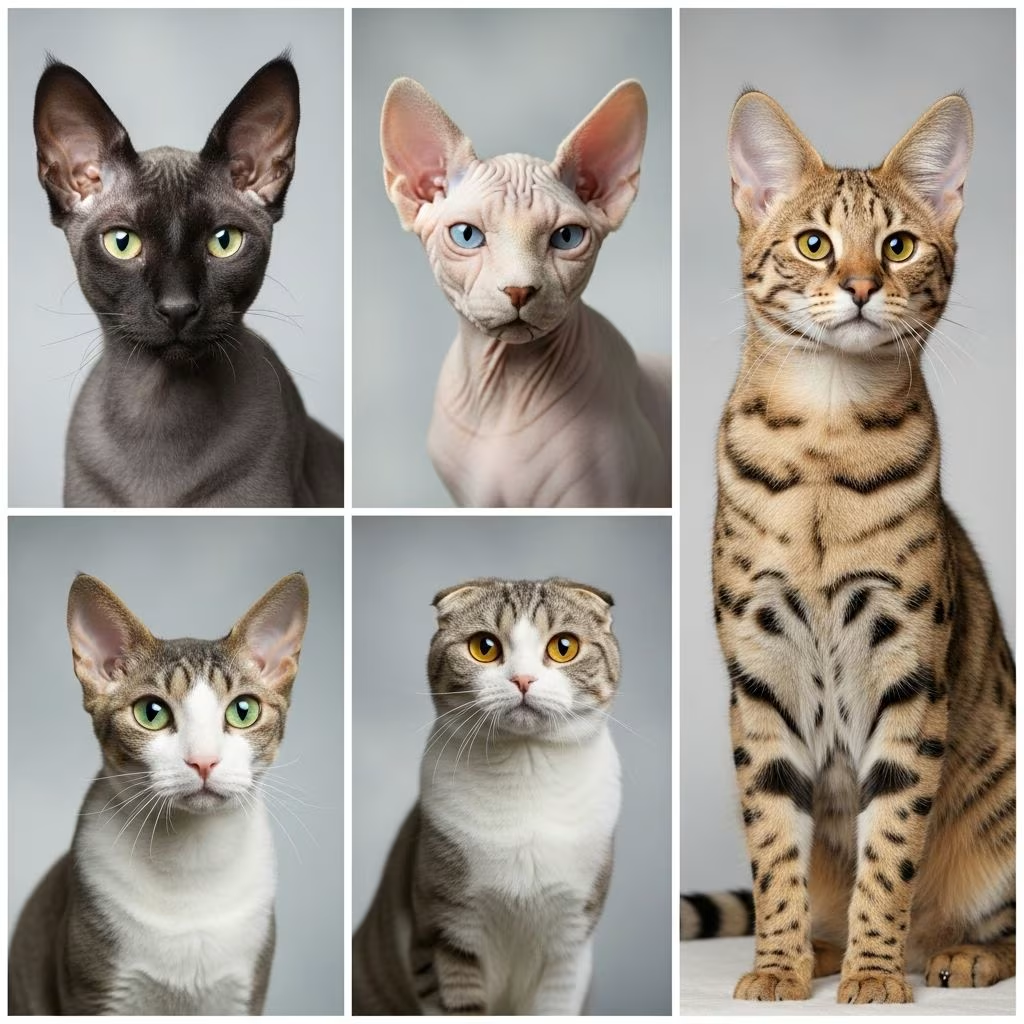
The world of feline companions extends far beyond the common tabby or calico cats found in most households. For those seeking something truly extraordinary, uncommon and distinctive cat breeds offer remarkable personalities, striking appearances, and fascinating histories. These breeds represent centuries of evolution, selective breeding, and sometimes fortunate genetic mutations that have created some of the most captivating companions available today. Whether you’re drawn to unusual physical features, unique behavioral traits, or simply the allure of owning something rare, these distinctive breeds deserve consideration.
Understanding What Makes Certain Breeds Rare
Rarity in cat breeds stems from multiple factors including limited population numbers, restricted geographical availability, specialized breeding requirements, and lower demand compared to mainstream breeds. Some breeds emerged relatively recently through deliberate cross-breeding experiments, while others represent ancient lineages that nearly disappeared throughout history. The Egyptian Mau, for instance, boasts fewer than 7,000 registrations with major cat associations, making it exceptionally scarce. Population bottlenecks, geographic isolation during breed development, and the challenges of maintaining genetic diversity all contribute to a breed’s rarity status.
Understanding these factors helps potential adopters appreciate both the appeal and responsibility of selecting a rare breed. Limited availability often means higher acquisition costs, potential waiting lists with reputable breeders, and the need for specialized knowledge about breed-specific care requirements.
The Spotted Wonder: Egyptian Mau
Among the most distinctive rare breeds stands the Egyptian Mau, a breed whose origins trace back thousands of years to ancient Egypt. These remarkable cats are distinguished by their naturally occurring spotted coat patterns, a feature found in very few domestic feline breeds. The Egyptian Mau’s spotted appearance isn’t achieved through selective breeding but occurs naturally within the breed, contributing to its historical and cultural significance.
Beyond their striking appearance, Egyptian Maus possess impressive athletic abilities. These cats rank among the fastest domestic breeds, with recorded running speeds reaching up to 30 miles per hour. Their playful and active personalities make them engaging companions for families prepared to provide adequate space and stimulation. The breed comes in six distinct color variations, offering visual diversity within the breed itself.
The rarity of Egyptian Maus means they require dedicated breeders committed to maintaining the breed’s integrity and health. Their specific care needs and sometimes aloof temperament toward strangers make them better suited for experienced cat owners rather than first-time adopters.
The Tail-Defying Bobtails: Kurilian and American Varieties
Two remarkable breeds share a distinctive characteristic: unusually short, textured tails that defy typical feline anatomy. The Kurilian Bobtail, developed in Russia and originating from short-tailed cats inhabiting the Kuril Islands over 200 years ago, features a signature pompon-like tail that differs in every individual. These medium-sized cats possess tails containing between 2 and 10 vertebrae arranged in unique kinked formations, making each cat’s tail pattern utterly singular.
Kurilian Bobtails demonstrate remarkable intelligence and inquisitiveness, combined with adaptable personalities that suit various household environments. Their keen mousing abilities and impressive jumping capabilities make them excellent household companions. In the United States, these cats remain exceptionally uncommon, with fewer than 100 registered through major cat associations, underscoring their rarity in Western populations.
The American Bobtail represents another tail mutation, resulting from genetic variations affecting tail development. These cats reach full maturity slowly, requiring two to three years to achieve adult status. A distinctive characteristic of American Bobtails involves retaining kitten-like energy and playfulness throughout their adult years, creating perpetually youthful and entertaining companions. Their dog-like personality traits endear them to families seeking interactive, responsive cats.
Distinctive Coat Characteristics and Grooming Demands
Several rare breeds stand apart due to their unusual coat properties, creating both aesthetic appeal and specific care obligations. The LaPerm earned its name from its distinctive crimped, curled coat that resembles freshly set permanent waves. Available in multiple color variations, LaPerms shed minimally, earning consideration among people with feline allergies, though no cat breed is completely hypoallergenic.
The Burmilla, resulting from breeding between Chinchilla Persians and Burmese cats, combines the gentle temperament of both parent breeds with a uniquely appealing appearance. These intelligent and affectionate cats possess striking visual characteristics that reflect their hybrid origin while maintaining a personality that bridges their ancestral breeds.
For those preferring compact companions, the Minskin offers diminutive proportions through deliberate miniaturization, typically weighing between 1.8 and 3 kilograms. This breed features short legs and minimal coat coverage, requiring special considerations regarding temperature sensitivity and environmental protection.
Breeds with Historical Significance and Modern Challenges
The Havana Brown represents a unique conservation success story. This single-colored breed experienced significant population decline during the 1990s when breeders noted diminished overall hardiness. Dedicated breeding programs implemented during the 2000s successfully revitalized the population, demonstrating how committed professionals can preserve endangered breeds. Today, Havana Browns remain uncommon but stable, with outgoing and affectionate personalities making them rewarding family members.
The Chartreux, a French breed with monastic heritage, nearly faced extinction during World War II. Enthusiasts managed to preserve surviving examples, and the breed continues its slow resurgence in popularity. Known for robust builds and distinctive smiling expressions, Chartreux cats maintain strong connections to their historical roots while adapting to modern households.
The Norwegian Forest Cat, representing one of fewer than twenty naturally developed breeds, evolved over centuries in Scandinavian landscapes without deliberate human intervention. These large, muscular cats feature dense undercoats with water-resistant outer fur, adapted for harsh Nordic climates. Their intelligence and independent nature reflect survival requirements in their native environments.
The Mystique of Rare Eye Colors and Features
Some rare breeds captivate through extraordinary physical characteristics beyond standard feline features. The Khao Manee, known as the “Diamond Eye Cat,” possesses either blue or gold eyes, and some individuals display heterochromia with each eye a different color. This Thai breed combines striking ocular features with curious, intelligent temperaments and surprising aptitude for games like fetch, behaviors uncommon in typical cats.
The Sokoke Forest Cat, native to Kenya and formerly called the African Shorthair, exhibits a distinct tabby coloration with long legs and short, coarse coat texture. This natural breed was only introduced to European populations during the 1990s, maintaining its status as exceptionally rare outside Africa. Their limited disease resistance to certain pathogens makes them better suited to single-cat homes, requiring careful consideration before adoption.
Specialized Breeding and Ethical Considerations
The Bengal cat demonstrates how conservation goals can influence breed development. Created through intentional crossbreeding between domestic cats and Asian leopard cats beginning in the 1960s and 1970s, Bengals combine wild appearance with domestic temperament. This deliberate approach showcased how selective breeding could address specific goals while maintaining domesticity in animals with wild ancestry.
Prospective owners of rare breeds must understand the ethical dimensions of breed preservation. Responsible breeders maintain detailed genetic records, conduct health screening, and prioritize animal welfare above profit. They work collaboratively to maintain genetic diversity within limited populations, preventing the genetic bottlenecks that plague some rare breeds.
Health Considerations for Uncommon Breeds
Rarity sometimes correlates with specific health vulnerabilities. The Flat-headed Cat, once considered nearly extinct, requires continued protective attention and careful breeding management. Scientists continue researching exact population numbers and health concerns specific to this breed.
Prospective adopters should request comprehensive health certifications from breeders, understand breed-specific predispositions to genetic conditions, and ensure adequate veterinary care from professionals familiar with their chosen breed’s requirements. Smaller populations mean reduced genetic diversity, potentially concentrating health risks unless breeders actively manage genetic considerations.
Lifestyle Compatibility and Practical Realities
Beyond aesthetic appeal and rarity status, potential owners must honestly assess whether uncommon breeds suit their lifestyle and capabilities. These cats often demand more attention, specialized care, or particular environmental conditions than mainstream breeds. Some require extensive playtime, climbing structures, and interactive engagement. Others may exhibit personality traits—such as independence or aloofness—that conflict with owner expectations.
The costs associated with rare breeds extend beyond initial purchase prices. Veterinary care, specialized diets, breed-specific grooming, and accommodations for particular health needs accumulate significantly over a cat’s lifetime. Additionally, finding experienced veterinarians familiar with rare breed-specific health concerns may present challenges depending on geographic location.
Making Your Decision: Adoption Guidance
Selecting a rare breed requires extensive research, direct communication with knowledgeable breeders, and realistic self-assessment. Potential adopters should:
- Research multiple breed characteristics, health concerns, and care requirements thoroughly
- Connect with breed clubs and associations to understand community standards and expectations
- Visit breeders in person when possible to observe cats and breeding conditions
- Request health certifications and genetic screening results
- Understand return policies and breeder support should circumstances change
- Verify breeders follow ethical practices prioritizing animal welfare
- Consider adoption from breed-specific rescues when available
Frequently Asked Questions About Rare Cat Breeds
Why are some cat breeds so rare?
Rarity stems from limited population numbers, restricted breeding efforts, geographic isolation, specialized breeding requirements, or recent breed establishment. Some nearly disappeared historically but experienced revival through dedicated conservation efforts.
Are rare breeds more expensive than common cats?
Yes, rare breeds typically command significantly higher prices reflecting breeding complexity, health screening costs, and limited availability. Prices vary considerably based on breed, breeder reputation, and geographic location.
Do rare breeds have more health problems?
Reduced genetic diversity in small populations can concentrate health risks. However, responsible breeders actively manage genetics to minimize hereditary conditions. Thorough health screening and genetic management are essential in rare breed communities.
Are rare breeds suitable for first-time cat owners?
Some uncommon breeds adapt well to novice owners, while others require experienced cat parents capable of meeting specialized needs. Temperament, care requirements, and individual personality should guide suitability assessments rather than rarity alone.
Where can I find rare cat breed breeders?
Connect with breed clubs, international cat associations (like TICA or CFA), and online breed communities. Verify credentials, request references, and avoid breeders prioritizing profit over animal welfare.
The Future of Rare Cat Breeds
Preserving uncommon cat breeds requires ongoing dedication from breeders, associations, and enthusiasts worldwide. As domestic cat ownership evolves and interest in distinctive breeds grows, maintaining genetic diversity and preventing exploitation remain paramount concerns. The future of rare breeds depends on responsible stewardship, transparent breeding practices, and balanced prioritization of novelty alongside animal welfare.
For those prepared to invest time, resources, and commitment into their feline companion, rare and distinctive breeds offer unparalleled rewards. These remarkable cats represent centuries of evolution, historical significance, and remarkable adaptations to diverse environments. They challenge conventional feline stereotypes while delivering companionship, entertainment, and the profound satisfaction of preserving extraordinary genetic heritage for future generations.
References
- 29 Rarest Cat Breeds & Cat Species You Should Know About — Cats.com. Accessed February 2026. https://cats.com/rare-cat-breeds
- 10 Rare Cat Breeds You Might Not Know About — Wisdom Panel. Accessed February 2026. https://www.wisdompanel.com/en-us/blog/10-rare-cat-breeds
- Top 10 Rare Cat Breeds You Can Own — Waggel. Accessed February 2026. https://www.waggel.co.uk/blog/post/10-rare-cat-breeds
- 7 Cat Breeds with Fascinating Historical Origins — I Heart Cats. Accessed February 2026. https://iheartcats.com/cat-breeds-with-fascinating-historical-origins/



