

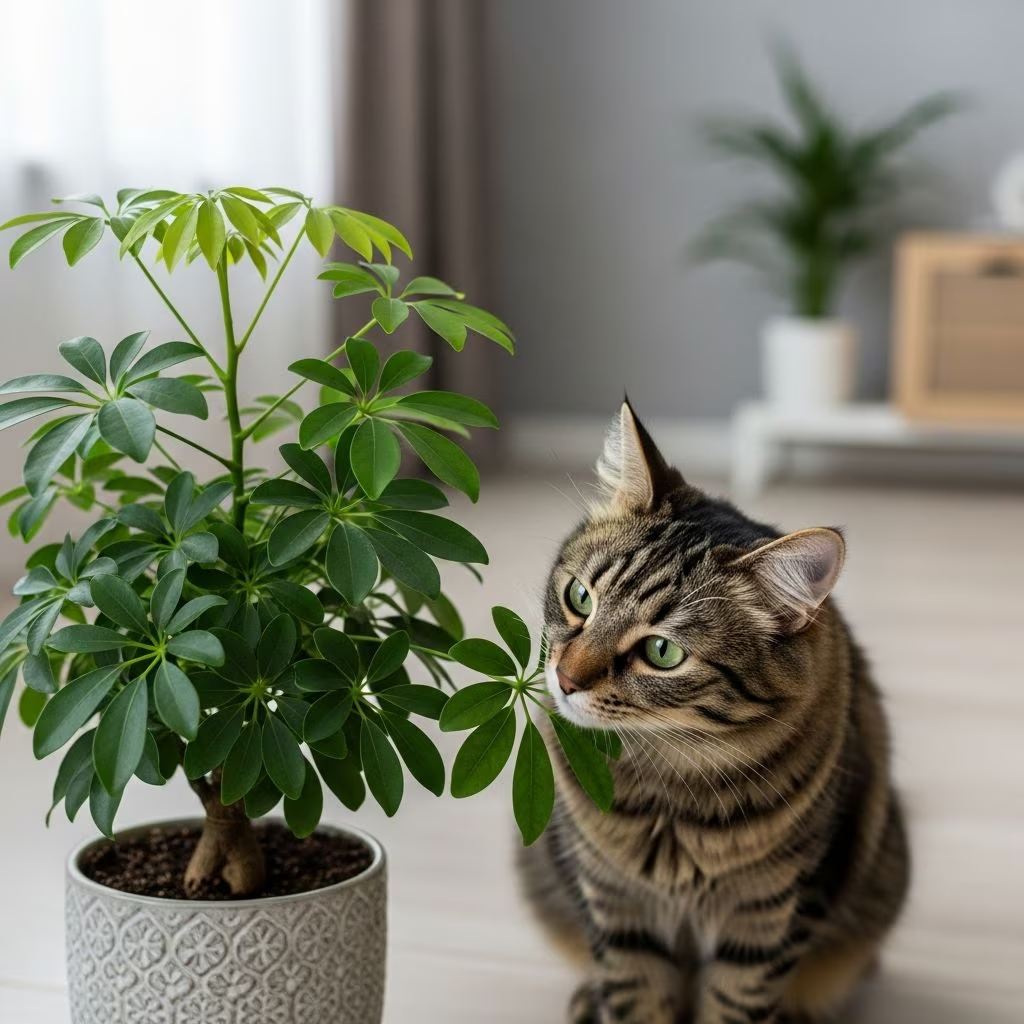
Creating a beautiful indoor garden can transform your living space into a tranquil sanctuary. However, pet owners face a unique challenge when selecting houseplants—many popular decorative plants pose serious health risks to their feline companions. Among these potentially hazardous specimens is a group of plants commonly referred to as “umbrella plants,” which vary significantly in their toxicity levels. Understanding which umbrella plant varieties endanger your cat and how to recognize poisoning symptoms is essential for responsible pet ownership.
The Umbrella Plant Confusion: Multiple Species, Varying Risk Levels
The common name “umbrella plant” creates considerable confusion among plant enthusiasts and pet owners alike because multiple botanically distinct species share this colloquial designation. This naming ambiguity has serious consequences for feline safety, as some umbrella plants are completely harmless while others present severe toxicological risks. The most critical distinction pet owners must understand is that the safety profile depends entirely on which specific plant species occupies their home.
The genuinely safe umbrella plant is Eriogonum umbellatum, which according to the ASPCA’s comprehensive plant toxicity database, poses no danger to cats, dogs, or horses. However, this particular species is relatively uncommon in the houseplant trade. More frequently encountered are several toxic varieties that pose legitimate threats to curious felines, including the widely cultivated umbrella tree (Brassaia actinophylla), the Texas umbrella tree, and the umbrella leaf plant (Podophyllum peltatum).
The Umbrella Tree: The Most Common Indoor Threat
Among the various plants sharing the “umbrella plant” designation, the umbrella tree represents the most commonly encountered species in residential settings. Also known as Schefflera, Australian ivy palm, octopus tree, or starleaf, the umbrella tree has gained popularity as a houseplant precisely because it thrives in low-light conditions and requires minimal maintenance. Unfortunately, this accessibility and prevalence make it a frequent source of feline poisoning incidents.
Chemical Composition and Toxic Mechanisms
The umbrella tree’s toxicity derives from multiple harmful compounds distributed throughout the entire plant. The primary toxic constituents include insoluble calcium oxalate crystals, saponins, and terpenoids. When a cat chews on or ingests any part of the plant—leaves, stems, or roots—these crystalline structures are released and come into direct contact with sensitive tissues. The calcium oxalate crystals function as microscopic irritants, penetrating the delicate mucous membranes of the mouth, throat, and digestive tract.
The saponins present in umbrella trees create additional problems by disrupting the integrity of cell membranes, while terpenoids contribute to the overall toxicological burden. This multi-component toxicity mechanism explains why even small amounts of plant material can trigger clinical signs in affected cats.
Recognizing Poisoning: Symptom Categories and Severity
Cats exposed to umbrella plant toxins display a spectrum of clinical signs that can range from mild oral discomfort to severe systemic complications. Recognizing these symptoms promptly enables quick veterinary intervention and significantly improves outcomes.
Gastrointestinal Manifestations
The most frequently observed signs of umbrella plant poisoning involve the digestive system. Vomiting represents one of the earliest and most common indicators, potentially occurring within minutes of ingestion or developing over several hours. The severity and frequency of vomiting episodes vary depending on the quantity of plant material consumed and individual cat sensitivity.
Diarrhea typically accompanies or follows vomiting, reflecting the irritation throughout the gastrointestinal tract. Both vomiting and diarrhea can lead to dehydration if the cat cannot maintain adequate fluid intake.
Oral and Behavioral Changes
The calcium oxalate crystals create immediate discomfort in the mouth and throat region. Owners may observe excessive drooling or hypersalivation as the cat’s body attempts to manage the burning sensation. Some cats paw at their mouth or face persistently, and visible swelling of the oral tissues, face, or lips may develop.
Loss of appetite and refusal to drink often accompany these oral symptoms as the cat avoids the pain associated with eating or swallowing. This behavioral change requires urgent attention, as prolonged anorexia and dehydration can rapidly deteriorate a cat’s condition within days.
Systemic and Severe Symptoms
While less common, more serious manifestations can develop in cats that ingest substantial plant quantities or possess individual sensitivity factors. Behavioral changes such as agitation, confusion, or unusual lethargy may indicate neurological involvement. Some cats display restlessness and pacing driven by the discomfort and irritation.
The most concerning symptom is difficulty breathing or respiratory distress. This occurs when airway swelling develops in response to the toxins, potentially obstructing normal breathing. Any respiratory symptoms constitute an emergency requiring immediate veterinary attention, as airway obstruction can be life-threatening.
Other Toxic Umbrella Varieties: Understanding Additional Risks
Beyond the common umbrella tree, other plants bearing this name present their own distinct toxicological profiles that pet owners should understand.
The Texas Umbrella Tree
The Texas umbrella tree contains tetranortriterpenes called meliatoxins, which produce dramatically more severe poisoning than the standard umbrella tree. Affected cats experience gastrointestinal symptoms alongside neurological manifestations, including depression, weakness, and potentially seizures. The berries contain the highest toxin concentrations, though all plant components pose danger. In severe cases, Texas umbrella tree poisoning can result in death and serious long-term complications.
The Umbrella Leaf Plant
The umbrella leaf plant (Podophyllum peltatum) contains podophyllin toxin, producing systemic poisoning with potentially severe consequences. Cats ingesting this plant develop vomiting, diarrhea, lethargy, and abnormal panting. In rare instances, poisoning progresses to coma. Direct skin contact with umbrella leaf material can cause dermatological damage including redness and ulceration. The unripe fruit and green leaves present the greatest danger, with toxicity gradually decreasing as fruit matures.
Diagnostic Approach and Veterinary Management
If you suspect your cat has consumed any portion of an umbrella plant, contact your veterinarian immediately rather than waiting to observe symptoms. Veterinarians have access to poison control databases and toxicological information that enables them to assess risk based on the specific plant species, estimated plant material consumed, and your cat’s weight.
Most cases of standard umbrella tree toxicity resolve with supportive care, though some cats may require hospitalization for fluid therapy, medication management, and monitoring. The ASPCA emphasizes that while umbrella tree poisoning typically causes only mild to moderate clinical signs in most cases, individual variation exists and severe reactions can occur.
Prevention Strategies: Creating a Safe Environment
The most effective approach to protecting your cat involves preventing access to toxic plants entirely. Several practical strategies can help achieve this goal:
- Physical Separation: Place umbrella plants in rooms your cat cannot access, such as a study with a closing door or a bedroom that remains secured
- Elevated Storage: Utilize wall-mounted shelves, hanging planters, or tall plant stands positioned where cats cannot easily jump or climb
- Enclosed Display: Keep plants in glass cabinets, greenhouses, or plant terrariums that provide visual interest while preventing physical contact
- Outdoor Relocation: Consider moving umbrella plants to outdoor spaces, patios, or balconies (in appropriate climates) where indoor cats cannot reach them
- Complete Removal: The most straightforward approach is simply eliminating toxic plants from the household entirely
Safer Alternatives: Creating a Cat-Friendly Garden
Replacing toxic plants with feline-safe varieties allows you to maintain a beautiful indoor environment while eliminating poisoning risks. The ASPCA and veterinary organizations maintain extensive lists of plants that cats can safely interact with and even nibble without harm. These alternatives provide the visual appeal and environmental enrichment of houseplants without the toxicological concerns.
Safe options include spider plants, Boston ferns, prayer plants, and cat grass varieties specifically cultivated for feline consumption. Incorporating these species creates a stimulating environment while removing poisoning hazards.
Additional Considerations: Fertilizers and Pesticides
Beyond the plants themselves, commercially cultivated specimens often receive applications of fertilizers and pesticides that can independently cause illness in cats. Even non-toxic plants may become dangerous when treated with these chemical products. When selecting plants for cat-containing households, consider both the plant’s inherent safety profile and any chemical treatments applied during commercial cultivation.
Frequently Asked Questions
Are all umbrella plants toxic to cats?
No—Eriogonum umbellatum is the only umbrella plant species recognized as safe for cats. However, this variety is rarely found in residential settings. Most commonly encountered umbrella plants, particularly the umbrella tree (Schefflera), are toxic.
How much plant material does it take to poison a cat?
The amount varies by individual cat sensitivity, plant species, and concentration of toxic compounds. Even small quantities can cause symptoms in sensitive cats. When in doubt, contact your veterinarian immediately.
Do all cats show symptoms after eating umbrella plants?
No—some cats exhibit no signs or only mild oral discomfort. However, this variability does not indicate safety; absence of symptoms does not mean the cat is unaffected.
What should I do if my cat eats an umbrella plant?
Contact your veterinarian immediately. Provide information about the plant species, estimated consumption quantity, and the time elapsed since ingestion. Do not induce vomiting or administer home remedies without veterinary guidance.
Summary: Protecting Your Feline Companion
The umbrella plant naming convention creates legitimate confusion regarding toxicity, as multiple species share this designation with vastly different safety profiles. The most common indoor variety—the umbrella tree or Schefflera—contains multiple toxic compounds that irritate the mouth, gastrointestinal tract, and potentially the respiratory system when consumed by cats. While most cases resolve with supportive care, severe reactions including airway obstruction can occur.
The most effective protection strategy involves preventing access to these plants through physical separation, elimination, or replacement with feline-safe alternatives. If your cat has ingested any portion of an umbrella plant, immediate veterinary consultation provides the best assurance of a positive outcome. By understanding the specific risks these plants pose and implementing appropriate prevention measures, you can create a beautiful, safe indoor environment for your feline companion.
References
- Are Umbrella Plants Toxic to Cats? Vet-Approved Facts & Safety Guide — Hepper. https://articles.hepper.com/are-umbrella-plants-toxic-to-cats/
- Are Umbrella Plants Toxic to Cats? Vet Approved Toxicity Explained — Catster. https://www.catster.com/cat-health-care/are-umbrella-plants-toxic-to-cats/
- Umbrella Tree – Toxic and Non-toxic Plants — ASPCA. https://www.aspca.org/pet-care/aspca-poison-control/toxic-and-non-toxic-plants/umbrella-tree
- Dogs, Cats & Umbrella Trees (Schefflera): Toxicity in Pets — Animal Poisons Information Centre. 2020-06-30. https://www.animalpoisons.com.au/news/dogs-cats-and-umbrella-trees/
- Schefflera Are Toxic To Pets — Pet Poison Helpline. https://www.petpoisonhelpline.com/poison/schefflera/



