
Umbrella Cockatoo: Personality, Food & Care Guide
Complete guide to umbrella cockatoo care, diet, behavior, and training for pet owners.
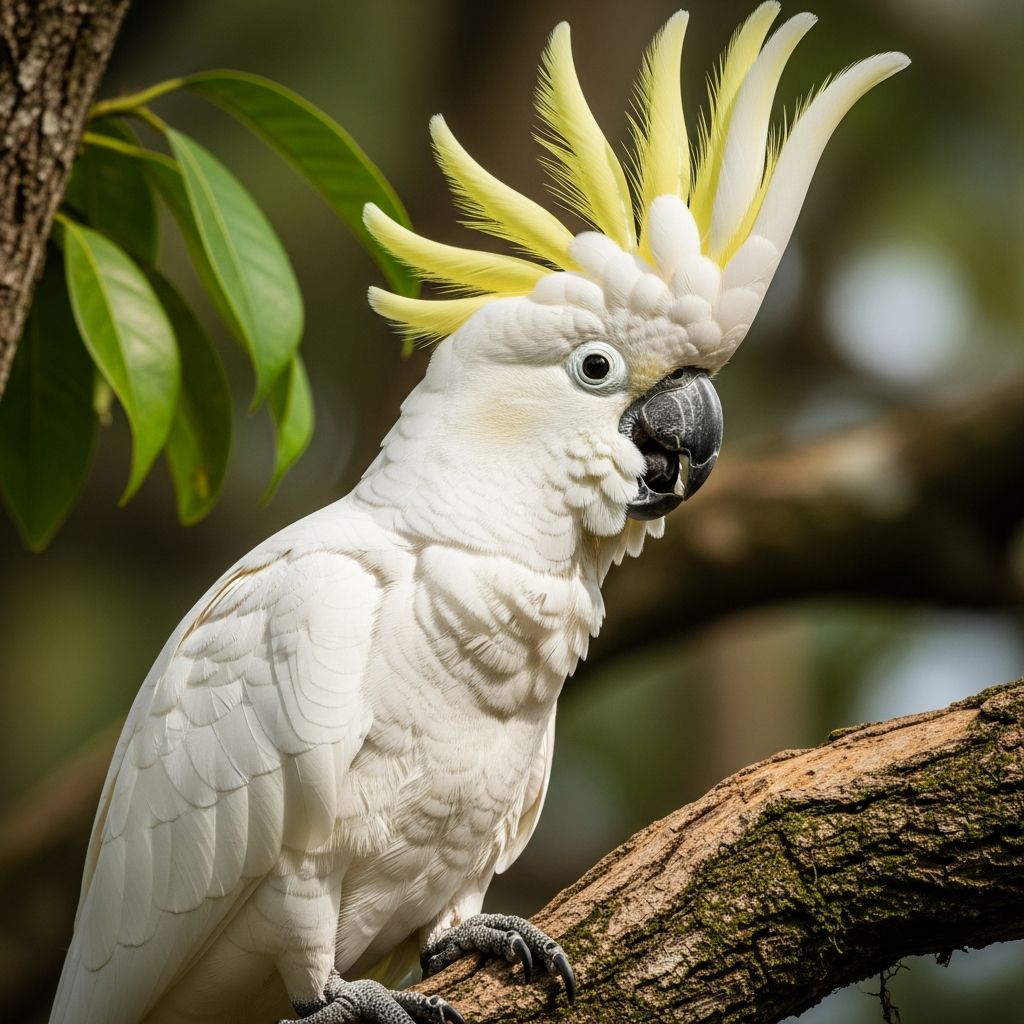
What Is an Umbrella Cockatoo?
The umbrella cockatoo, also known as the white cockatoo or great white-crested cockatoo, stands out in the bird world as one of the most affectionate and companionable birds available to pet owners today. Native to Indonesia, this remarkable species is renowned for its endearing personality and charming antics. The umbrella cockatoo is slightly smaller than the Moluccan cockatoo, yet it compensates with an enormous personality that rivals any bird species.
The umbrella gets its distinctive name from its striking crest of feathers that raises like an umbrella when the bird is excited, agitated, or ready to play—though the same excitement might signal an inclination to bite. This iconic feature serves as a visual communication tool, allowing the bird to express its emotional state to both wild companions and human caretakers. The crest is wholly white, complementing the bird’s entirely white plumage.
Physical Characteristics and Appearance
The umbrella cockatoo is a large white bird with distinctive physical features that make it easily recognizable. Understanding these characteristics helps potential owners and bird enthusiasts identify and appreciate this species.
Size and Dimensions
These birds reach up to 18 inches in length and weigh between 17 to 25 ounces, making them a substantial feathered companion. Their wingspan extends to approximately 22 inches, allowing for graceful flight and impressive aerial displays. These substantial dimensions require owners to provide adequate space for proper movement and exercise.
Plumage and Coloration
The umbrella cockatoo’s striking appearance features pure white feathers throughout its body, with the notable exception of soft yellow coloration on the undersides of its wings and tail. This subtle yellow contrast provides a beautiful visual accent when the bird takes flight or spreads its wings. The beak and legs are dark grey, offering striking contrast against the pristine white plumage.
Sexual Dimorphism
Unlike many bird species where males and females appear identical, umbrella cockatoos display clear sexual dimorphism, primarily through eye coloration. Both males and females possess a pale blue eye-ring, but their iris colors differ distinctly. Males have dark brown irises while females display reddish irises. Additionally, females typically have smaller heads and beaks compared to males. This distinction allows experienced bird observers to determine sex without invasive procedures.
Personality and Behavioral Traits
The umbrella cockatoo certainly makes a charming and affectionate pet, though potential owners should understand that this bird requires specific care considerations. These cockatoos are stunningly intelligent, possessing incredible problem-solving skills and great memories. Their highly sociable nature means they form close bonds with their human caretakers, though they can be “one-person birds” with a clear favorite family member.
Social Bonding and Companionship
In the wild, umbrella cockatoos are never without a companion, and captive umbrellas retain the same instinctual patterning to bond to a mate or at least to have a special friend. These birds are extremely sentimental and can become overly attached to other birds or objects, leading to serious disappointment when these companions are removed. The umbrella desires nothing more than to cuddle with the object of its desire, making it one of the most affectionate parrot species available. Isolation is fundamentally unhappy-making for these birds—they thrive on interaction and companionship.
Temperament Variations
The umbrella cockatoo can be as fickle as the weather, playing one minute and screaming or nipping the next. While this unpredictability might seem concerning, it represents the natural quirks and caprices typical of all parrots, with umbrellas being no exception. Understanding this variability helps owners navigate their relationship with these remarkable birds more effectively.
Sound and Vocalization
The noise level of the umbrella cockatoo is extremely high, and prospective owners must fully comprehend this reality before committing to ownership. These birds are prone to bouts of loud screaming, especially if isolated, locked in a cage, or denied their desires. Screaming often measures the bird’s displeasure—the louder the scream, the more significant the disapproval of its circumstances.
Cockatoos are known for being among the loudest of all parrots, frequently using screaming to communicate over long distances. This vocalization capability evolved for practical reasons in the wild but presents challenges in domestic settings. Many cockatoos, including umbrellas, are re-homed because of their superior voices. Future owners should thoroughly assess their tolerance for loud, frequent vocalizations and consider their neighbors’ proximity and noise tolerance.
Dietary Requirements and Nutrition
Proper nutrition forms the foundation of umbrella cockatoo health and longevity. These birds require a balanced diet consisting of various nutritious components to thrive.
Essential Food Components
A healthy umbrella cockatoo diet should include vegetables and leafy greens, providing essential vitamins and minerals. Seeds, nuts, and grains round out their nutritional profile, offering proteins and healthy fats necessary for optimal health. Commercial pellet-based diets formulated specifically for large parrots provide consistent nutrition, and many experts recommend these as a dietary foundation supplemented with fresh foods.
Feeding Best Practices
While seeds and nuts provide important nutrition, they should be offered in moderation due to their high fat content. Fresh fruits and vegetables should comprise a significant portion of the daily diet, offering natural vitamins and minerals. Rotating food varieties prevents boredom while ensuring diverse nutrient intake. Owners should avoid toxic foods including chocolate, avocado, salt, and caffeine.
Housing and Space Requirements
Because umbrella cockatoos are large and hate being confined—to the point of chewing and picking out their feathers—they require substantial living space. An umbrella cannot live happily in a small space and will become weary, apathetic, agitated, or aggressive if confined. This species demands an enormous, well-built cage with a top that opens into a playstand, providing multiple environments for activity and enrichment.
Cage Specifications
The minimum cage size should allow the bird to spread its wings fully without touching the sides, ideally providing space for short flights within the enclosure. Solid construction materials withstand the bird’s powerful beak, which can destroy inferior materials. Multiple perches at varying heights provide exercise opportunities and encourage natural behaviors.
Environmental Enrichment
Beyond cage size, umbrellas need toys, climbing structures, and mental stimulation to prevent boredom and behavioral problems. Rotating toys maintains novelty and interest. Foraging opportunities that encourage natural feeding behaviors promote psychological well-being. Access to outdoor aviaries or flight spaces, when safely possible, provides invaluable exercise and natural light exposure.
Lifespan and Long-Term Commitment
The umbrella cockatoo’s lifespan represents a significant commitment consideration. In captivity with proper care and health maintenance, these birds can live 70 to 80 years, with some sources citing 40 to 60 years in typical conditions. In contrast, wild cockatoos only live about 30 years, as they are an endangered species whose habitat faces ongoing threats.
This exceptional longevity means umbrella cockatoo ownership should be viewed as a lifetime commitment, potentially spanning multiple decades. Owners must consider succession planning and arrangements for the bird’s care should they predecease their feathered companion.
Natural Habitat and Wild Behavior
Understanding umbrella cockatoos’ natural habitat provides insight into their needs and behaviors in captivity. These birds are naturally found in Indonesia, specifically in the province of North Maluku, inhabiting tropical islands. They prefer lowland rainforest habitats up to 900 meters elevation and also occupy mangroves, plantations, and secondary forests with large trees suitable for nesting.
In the wild, umbrella cockatoos live in small groups of up to 10 to 15 individuals that feed and travel together. In the afternoon, groups of up to 50 birds may meet in the treetops to roost for the night. When umbrella cockatoos find mates, they typically stay together for life, building nests high in trees where females may lay up to three eggs. This monogamous, social nature influences their behavioral patterns in captivity.
Intelligence and Problem-Solving Abilities
Umbrella cockatoos demonstrate remarkable intelligence comparable to dolphins and primates in some respects. These birds possess incredible problem-solving skills and exceptional memory capacity. They can learn complex tricks, understand cause-and-effect relationships, and communicate preferences clearly to their owners.
This intelligence makes them engaging and entertaining companions but also means they require substantial mental stimulation and environmental enrichment. Bored umbrella cockatoos are prone to behavioral issues including feather plucking, aggression, and excessive vocalization. Owners should provide puzzle toys, training sessions, and interactive play to keep their birds mentally engaged.
Conservation Status and Ethical Considerations
Umbrella cockatoos are classified as endangered, with their wild populations declining due to habitat loss and the illegal pet trade. This status raises ethical considerations for potential owners. Ensuring that any umbrella cockatoo obtained comes from reputable, legal sources—never wild-caught birds—supports conservation efforts.
Many umbrella cockatoos end up in rescue centers because purchasers had no idea of the difficulties involved in keeping them as companion birds. Prospective owners should thoroughly research their commitment before acquiring one of these remarkable but demanding birds.
Common Foot Structure and Physical Adaptations
Like other parrot species, cockatoos have zygodactyl feet, meaning each foot has two toes facing forward and two facing backward. This specialized foot structure helps them grasp objects securely, climb effectively, and manipulate their environment with precision. This anatomical feature contributes to their exceptional dexterity and climbing abilities.
Frequently Asked Questions
Q: How long do umbrella cockatoos typically live as pets?
A: With proper care and health maintenance, umbrella cockatoos can live 70 to 80 years in captivity, making them a lifelong commitment requiring long-term planning.
Q: Are umbrella cockatoos good for first-time bird owners?
A: Umbrella cockatoos are not recommended for first-time bird owners due to their demanding nature, extreme noise levels, large space requirements, and complex social needs.
Q: How can I reduce screaming behavior in my umbrella cockatoo?
A: Provide adequate social interaction, mental stimulation through toys and training, spacious living quarters, and establish consistent routines. Screaming often indicates unmet needs or boredom.
Q: What is the minimum cage size for an umbrella cockatoo?
A: Umbrella cockatoos require enormous, well-built cages with tops that open into playstands, allowing space for the bird to spread wings fully and engage in natural behaviors.
Q: How can I tell the difference between male and female umbrella cockatoos?
A: Males have dark brown irises while females have reddish irises. Additionally, females typically have smaller heads and beaks than males.
Q: What toys and enrichment do umbrella cockatoos need?
A: These intelligent birds need puzzle toys, foraging opportunities, climbing structures, and rotating toys to maintain novelty. Regular training sessions and interactive play provide crucial mental stimulation.
Q: Can umbrella cockatoos live with other birds?
A: While umbrella cockatoos can become attached to other birds, they can also become overly attached and suffer disappointment when companions are removed. Careful supervision is necessary.
References
- Cacatua alba (white cockatoo) | INFORMATION — Animal Diversity Web. https://animaldiversity.org/accounts/Cacatua_alba/
- Umbrella Cockatoo Personality, Food & Care — Lafeber Company. https://lafeber.com/pet-birds/species/umbrella-cockatoo/
- What to Know About the Umbrella Cockatoo — WebMD Pets. https://www.webmd.com/pets/what-to-know-about-the-umbrella-cockatoo
- Umbrella Cockatoo — Southwick’s Zoo. https://southwickszoo.com/our-animals/umbrella-cockatoo/
- Umbrella Cockatoo — Joan Embery. https://www.joanembery.com/umbrella-cockatoo.html
- Umbrella Cockatoo – Profile & Care Guide — Parrot Essentials. https://parrotessentials.co.uk/blog/umbrella-cockatoo-profile
- Umbrella Cockatoo Fact Sheet — Northern Parrots. https://www.northernparrots.com/blog/umbrella-cockatoo-fact-sheet/
Similar Articles








Read full bio of Sneha Tete


