

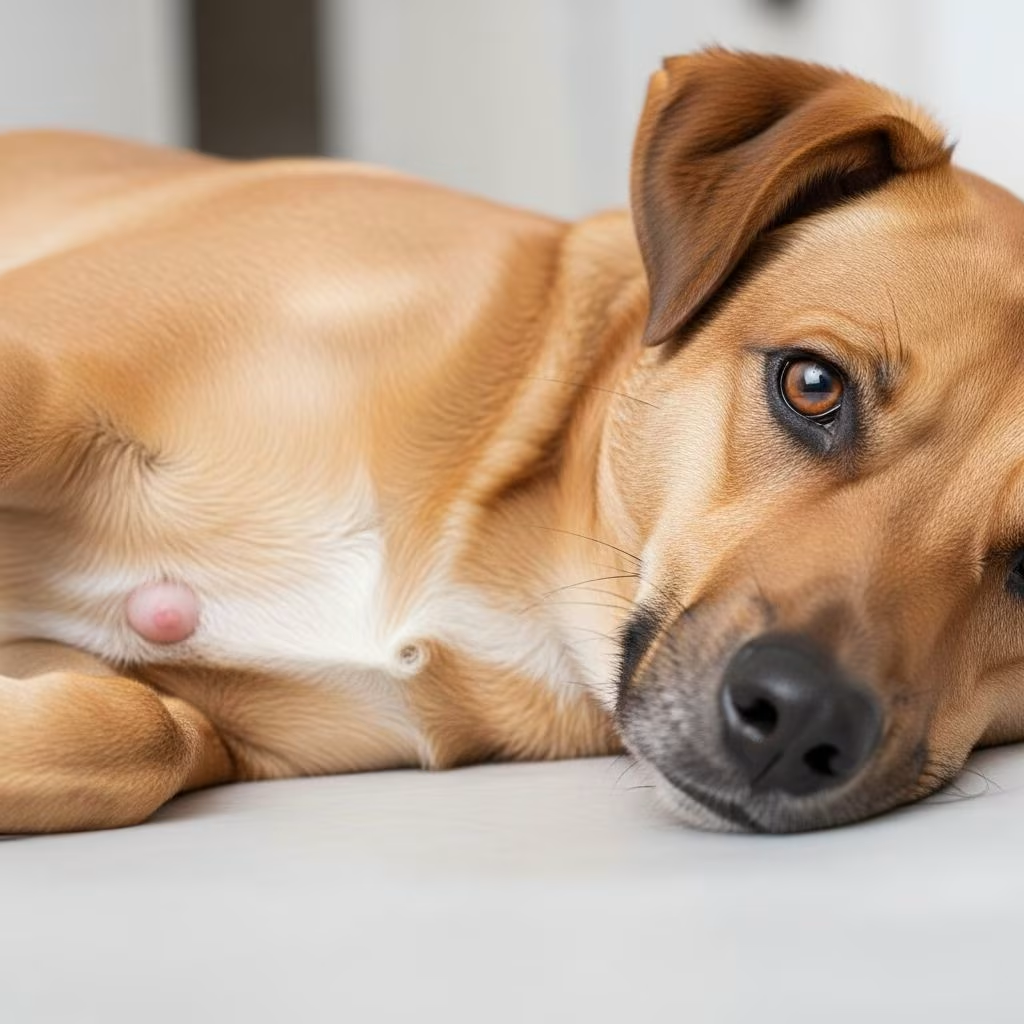
Understanding Umbilical Hernias in Dogs
Umbilical hernias are a relatively common condition in dogs, affecting both puppies and adult canines. Despite their prevalence, many dog owners are unfamiliar with this health issue and may not recognize the signs when it occurs in their pets. An umbilical hernia develops when there is a weakness or defect in the abdominal wall muscle at the umbilicus, or belly button area. This weakness allows tissue, fat, or even part of an abdominal organ to protrude through the muscle layer, creating a visible bulge or swelling at the navel.
The condition occurs due to an underlying defect in the abdominal wall muscle, meaning that skin alone separates the internal organs from the outside. While many umbilical hernias are benign and may not require immediate intervention, understanding the causes, symptoms, and treatment options is essential for responsible pet ownership.
What Causes Umbilical Hernias in Dogs?
Umbilical hernias can develop through two primary mechanisms: congenital factors and traumatic injury. Understanding these causes can help dog owners recognize risk factors and take appropriate preventive measures.
Congenital Causes
The majority of umbilical hernias in dogs are congenital, meaning they are present from birth. During normal fetal development, blood vessels pass through the umbilical ring to supply the developing puppy with nourishment. After birth, the umbilical ring should close within a few days as part of the natural healing process.
In some cases, however, developmental anomalies and inherited genetic factors prevent the umbilical ring from closing properly. This hereditary component means that certain dog breeds are more predisposed to developing umbilical hernias. Breeds with higher incidence rates include the Airedale Terrier, Basenji, Beagle, and Pekingese. If a dog has a family history of umbilical hernias, the risk of developing this condition increases significantly.
Traumatic Causes
While less common than congenital cases, umbilical hernias can also develop from trauma or injury. During birth, excessive strain and traction on the umbilical cord can result in failure of the umbilical ring to close properly. Additionally, the cord may be severed too close to the abdomen, potentially damaging the muscle layer and causing poor healing of the navel.
Secondary umbilical hernias can also occur later in life due to increased abdominal pressure from conditions such as constipation and excessive straining. This is why maintaining your dog’s digestive health and preventing constipation is important for overall wellness.
Recognizing the Symptoms
The primary indicator of an umbilical hernia is a visible physical sign, though dogs may also display other symptoms depending on the severity and contents of the hernia.
Primary Symptoms
Visible Lump: The most common sign of an umbilical hernia is a soft bump or bulge located at or near the belly button. This protrusion can vary in size and may be more noticeable when the dog is lying down, standing, or straining.
Pain or Discomfort: Most small hernias are not painful and dogs show no signs of distress. However, in some cases, the hernia may become firm or tender to the touch. Dogs may react negatively or show sensitivity when the area is touched, indicating discomfort.
Additional Warning Signs
While small hernias typically cause minimal symptoms, larger hernias or those containing abdominal organs may present more concerning signs:
- Vomiting, especially when other organs are involved in the hernia
- Loss of appetite or reluctance to eat favorite foods due to pain and discomfort
- Lethargy or unusual weakness, particularly if the hernia is strangulated
- Shortness of breath if the hernia is large and pressing on internal organs
- Abdominal pain or visible signs of distress
Dogs with strangulated umbilical hernias may seem unusually tired, weak, and hesitant to move. This occurs because trapped tissue can lead to pain and insufficient blood flow, weakening the entire body. If you notice any combination of these symptoms, veterinary attention is warranted.
Types of Umbilical Hernias
Veterinarians classify umbilical hernias into two main categories based on their characteristics and whether they can be manually reduced.
Reducible Hernias
Reducible hernias are those where the soft lump or bulge can be gently pushed back inside the abdomen. This type of hernia typically contains only fat or other soft tissue rather than organs. Reducible hernias are generally harmless and easier to manage. Even if they are large, they are unlikely to cause serious problems for the dog because the contents can be returned to their proper position. Most small reducible hernias do not require immediate surgical intervention.
Non-Reducible Hernias
Non-reducible hernias are those that are stuck on the outside and cannot be pushed back into the abdomen. In these cases, scar material may have formed around the opening, making it impossible to reposition the contents. Alternatively, the hernia may contain an organ that is too large or positioned in a way that prevents reduction. Non-reducible hernias require closer monitoring and more careful management to prevent complications.
Potential Complications
While many umbilical hernias remain benign throughout a dog’s life, certain complications can arise that require urgent veterinary attention.
Strangulation
The most serious potential complication is strangulation, which occurs when abdominal contents that have passed through the hernia become twisted, pinched, or otherwise have their blood supply blocked. Strangulation is a medical emergency and is extremely painful. Thankfully, strangulations are exceptionally rare, with most veterinarians never encountering a case throughout their entire careers. However, when strangulation does occur, immediate surgical intervention is necessary to prevent tissue death (necrosis) and potentially save the dog’s life.
Skin Trauma
Because hernias create a protrusion away from the body wall, the skin covering the hernia is at slightly higher risk of injury or infection. The skin can become damaged from dragging against rough or irritating surfaces. Owners should monitor the hernia site for signs of redness, crusting, or oozing, which may indicate injury or infection requiring veterinary attention.
Diagnosis of Umbilical Hernias
Diagnosing an umbilical hernia is typically a straightforward process, though in some cases additional diagnostic tools may be employed.
Physical Examination
Veterinarians begin the diagnostic process through expert palpation, or manual examination, of the hernia. During this examination, the veterinarian will assess whether the hernia is reducible or non-reducible by attempting to gently push the contents back into the abdomen. The veterinarian will also measure the hernia and identify its characteristics, such as size, firmness, and composition.
Diagnostic Imaging
If the veterinarian suspects that an abdominal organ or part of the intestinal tract is located within the hernia, diagnostic imaging may be recommended. X-rays and ultrasounds can reveal the contents and extent of the defect in the abdominal wall, helping the veterinarian determine the most appropriate treatment approach. An ultrasound is particularly useful for identifying the specific structures contained within the hernia, allowing the veterinarian to prepare the safest and most effective treatment plan.
Treatment Options for Umbilical Hernias
Treatment approaches for umbilical hernias vary depending on several factors, including the size and type of hernia, whether it affects the dog’s quality of life, and the owner’s financial situation.
Watchful Waiting
Many small, reducible hernias containing only fat require no immediate treatment. In these cases, veterinarians typically recommend monitoring the hernia over time. Small hernias with only the presence of a little fat inside them usually do not pose a health risk and may even close on their own, though this is uncommon. Regular monitoring ensures that any changes in the hernia’s size or characteristics are detected early.
Surgical Repair
When surgical repair is necessary, it is often combined with other procedures to minimize anesthesia exposure and recovery time. Many veterinarians recommend surgically repairing umbilical hernias during routine spaying or neutering procedures. This approach allows the dog to experience only one round of anesthesia, with combined recovery time, saving both time and discomfort for the pet and owner.
The Surgical Procedure
The umbilical hernia repair surgery is a relatively straightforward procedure. It begins with the administration of anesthesia and shaving of the skin over the swollen area. The surgical site is then cleaned and sanitized to maintain a sterile environment.
Once the site is prepared, the veterinarian creates an incision over the soft swelling and carefully pushes the contents back into the abdominal cavity. Any excess scar tissue around the abnormal opening is removed to prevent complications. To close the defect, the edges of the weak spot in the abdominal wall are stitched together with strong sutures. For larger hernias, surgical mesh may be placed over the hole to provide additional reinforcement and prevent recurrence.
Post-Operative Care
After surgery, proper post-operative care is essential for optimal healing. Owners should follow all post-operative instructions provided by their veterinarian, including maintaining strict rest periods and preventing excessive activity. A pet t-shirt or buster collar can help protect the surgical site and prevent the dog from licking or scratching the incision. While any surgery carries some risk, including a very small risk from anesthesia, complications such as surgical wound infection or seroma formation (fluid swelling) are uncommon when post-operative instructions are followed carefully.
Cost Considerations
The cost of umbilical hernia repair surgery varies depending on several factors. Location, the size of the hernia, the size of your dog, and whether the surgery is performed concurrently with spaying or neutering all influence the final cost. Generally, hernia repair surgery can range from £100 to £500 or more, with significantly reduced costs when performed alongside other surgical procedures.
Prevention and Breeding Considerations
Since most umbilical hernias are hereditary, it is strongly advised that all dogs diagnosed with this condition be neutered or spayed. This prevents the genetic trait from being passed on to future litters. Responsible breeding practices that exclude dogs with umbilical hernias from breeding programs can help reduce the incidence of this condition in future generations.
Frequently Asked Questions
Q: Is an umbilical hernia in my dog life-threatening?
A: Most umbilical hernias are benign and not life-threatening. However, large hernias or those containing organs can potentially lead to serious complications such as strangulation, which requires emergency surgery. Small reducible hernias rarely cause problems.
Q: Can umbilical hernias close on their own?
A: While some small umbilical hernias may close on their own during early puppyhood, most do not. Most require surgical intervention if treatment is deemed necessary, though many small hernias never require any treatment.
Q: Will my dog be in pain with an umbilical hernia?
A: Small hernias typically cause no pain or discomfort. Larger hernias may become tender, and strangulated hernias are extremely painful. If your dog shows signs of discomfort, consult your veterinarian.
Q: Should umbilical hernias always be surgically repaired?
A: Not all umbilical hernias require surgery. Small, reducible hernias containing only fat may never need treatment. However, large, non-reducible hernias, or those containing organs, should typically be repaired to prevent complications.
Q: Can I prevent my puppy from developing an umbilical hernia?
A: Since most umbilical hernias are congenital and hereditary, prevention through selective breeding is the most effective approach. However, traumatic hernias may be prevented by ensuring proper care during and after birth.
Q: What should I do if I notice a bulge at my dog’s belly button?
A: Schedule an appointment with your veterinarian for a proper diagnosis. The veterinarian can determine if it is an umbilical hernia and recommend an appropriate treatment plan based on its characteristics.
References
- What Is an Umbilical Hernia in Dogs? Causes and Treatment — Noble Vet Clinic. 2025. https://noblevetclinic.com/blog/what-is-an-umbilical-hernia-in-dogs
- Umbilical Hernias In Dogs: Everything You Need to Know — Chewy. 2025. https://www.chewy.com/education/dog/health-and-wellness/umbilical-hernias-in-dogs-more-common-than-you-think
- What is an Umbilical Hernia in Canines? — Livermore Family Pet. 2025. https://www.livermorefamilypet.com/services/dogs/visiocare/what-umbilical-hernia-canines
- Puppy Umbilical Hernias: Signs, Risks & Treatment — Pooch & Mutt. 2025. https://www.poochandmutt.co.uk/blogs/puppy/umbilical-hernias
- Hernias in Puppies: What You Need to Know — PetMD. 2025. https://www.petmd.com/dog/general-health/hernias-puppies-what-you-need-know



