

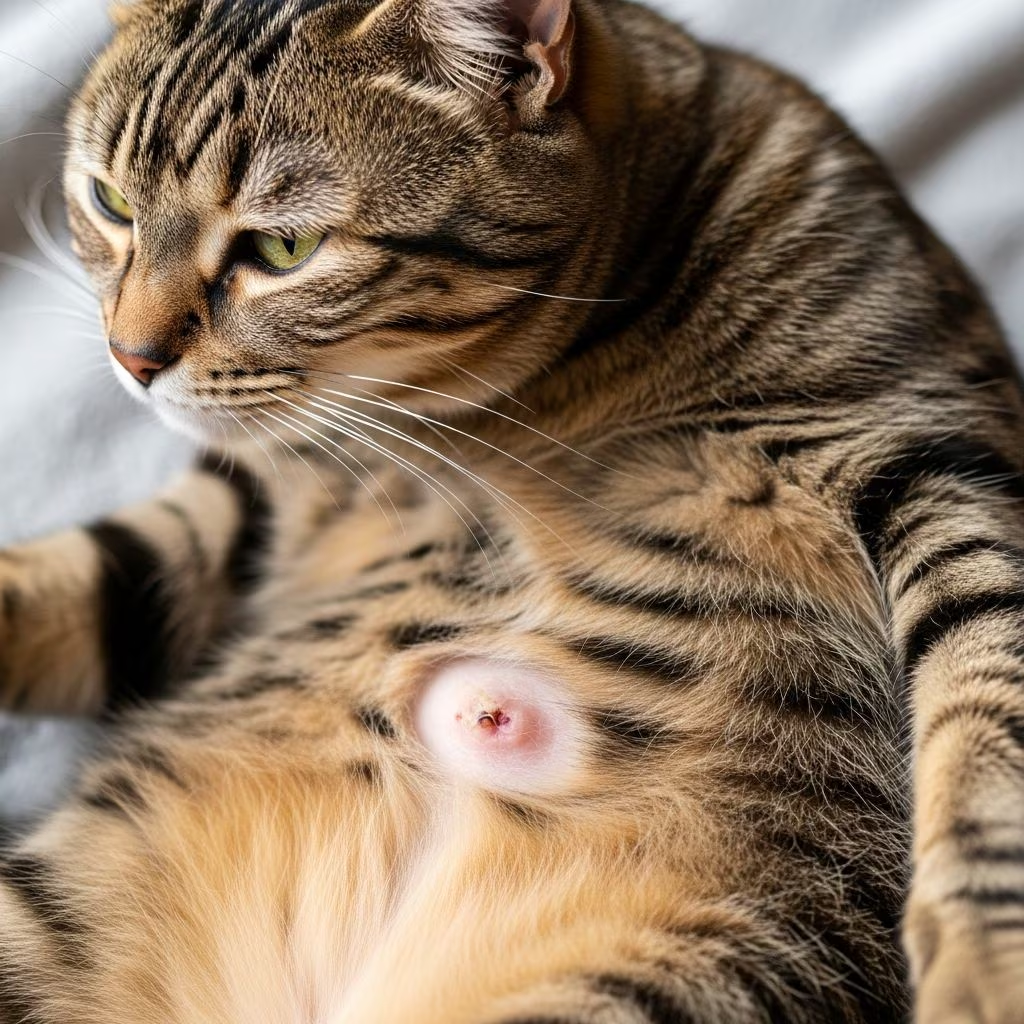
Umbilical Hernia in Cats: Understanding This Common Feline Condition
An umbilical hernia is a condition that occurs when an opening develops in the muscle wall of a cat’s abdomen, typically near the belly button or umbilicus. This opening allows abdominal tissues or organs to protrude through, creating a visible bulge or swelling beneath the skin. While umbilical hernias are relatively common in kittens, understanding this condition and knowing when to seek veterinary care is essential for every cat owner.
The umbilical hernia develops as a result of the umbilical ring—the opening through which blood vessels pass during fetal development—failing to close properly after birth. This incomplete closure leaves a gap in the abdominal wall muscle, allowing internal contents to push through the area surrounding the umbilicus. Fortunately, many umbilical hernias resolve on their own without intervention, though some require surgical correction to prevent complications.
What Is an Umbilical Hernia?
An umbilical hernia is an abnormal opening or weakness in the abdominal muscle wall located just below the ribcage on the underside of your cat, near the belly button. When you examine your cat, you may notice a soft swelling, bulge, or squishy protrusion beneath the skin in this area. The size and visibility of this bulge may vary depending on your cat’s position and activity level.
The hernia often becomes more noticeable when your cat is standing, meowing, crying, straining, or engaging in other activities that increase abdominal pressure. In many cases, the bulge can be gently pushed back into place, though it may reappear when the cat moves or exerts itself. This characteristic feature helps distinguish an uncomplicated umbilical hernia from more serious abdominal conditions.
Causes of Umbilical Hernias in Cats
The primary cause of umbilical hernias is the failure of the umbilical ring to close properly following birth. During fetal development, the umbilical cord passes through an opening in the abdominal muscles to connect the developing kitten with the placenta. After birth, this opening should seal as the muscle tissue heals and strengthens.
However, in some kittens, this natural closing process does not occur completely, leaving behind a gap in the muscle wall. This genetic predisposition to incomplete umbilical ring closure means that umbilical hernias tend to run in families. Because many umbilical hernias are hereditary, cats with this condition should not be bred, as they may pass this trait to their offspring.
Additionally, kittens born prematurely or those with certain developmental conditions may have an increased risk of umbilical hernias. The condition is typically only observed in young kittens and is rarely seen in adult cats unless it has persisted from kittenhood or resulted from trauma.
Types of Umbilical Hernias
Umbilical hernias are classified into two main categories: uncomplicated and complicated. Understanding the difference between these types is crucial for determining the appropriate treatment approach.
Uncomplicated Umbilical Hernia
An uncomplicated umbilical hernia is associated with a soft swelling in the umbilical area that appears beneath the skin. This swelling may be variable in size and may come and go depending on your cat’s position and activity level. The key characteristic of an uncomplicated hernia is that the protruding tissue can typically be gently pushed back into the abdominal cavity without difficulty.
In most cases, cats with uncomplicated umbilical hernias appear completely healthy and exhibit no signs of discomfort or illness. The bulge is usually painless and does not interfere with your cat’s normal activities. Many uncomplicated umbilical hernias will close spontaneously, usually by six months of age, requiring no intervention whatsoever.
Complicated Umbilical Hernia
A complicated hernia is one in which the contents of the abdominal cavity, such as a loop of intestine or other organs, have passed through the opening and become entrapped or strangulated. This is a more serious condition that requires immediate veterinary attention. When tissue becomes trapped, blood supply to that tissue may be compromised, leading to tissue death and serious complications.
Complicated hernias develop when the opening in the muscle wall is large enough to allow internal organs to pass through, and the muscle tissue then constricts around the protruding organ, preventing it from being pushed back into place naturally. This can happen gradually or suddenly and represents a medical emergency.
Symptoms and Signs of Umbilical Hernias
The symptoms of an umbilical hernia vary depending on whether the hernia is uncomplicated or complicated. Early recognition of these symptoms can help you seek appropriate veterinary care at the right time.
Uncomplicated Hernia Symptoms
Uncomplicated umbilical hernias typically present with minimal or no symptoms. The primary observable sign is the soft bulge or swelling near the belly button that may come and go. Your cat will appear healthy and exhibit normal behavior, appetite, and energy levels. The kitten will play normally and show no signs of pain or discomfort in the affected area.
Complicated Hernia Symptoms
If your cat has a complicated umbilical hernia with strangulated tissue, you may observe the following warning signs:
- Pain and warmth at the site of the umbilical swelling, indicating inflammation and tissue damage
- Vomiting or persistent nausea
- Lack of appetite or complete refusal to eat
- Depression and lethargy, with the cat appearing withdrawn and inactive
- Changes in bowel movements or stool appearance
- Abdominal tenderness when touched
- Fever in some cases
- Signs of shock in severe cases
If you notice any of these symptoms, immediate veterinary evaluation is essential. A complicated hernia can become life-threatening if not treated promptly, as strangulated tissue can lead to peritonitis (infection of the abdominal cavity) and systemic illness.
Diagnosis of Umbilical Hernias
Diagnosing an umbilical hernia typically begins with a physical examination by your veterinarian. Your vet will palpate the area around the umbilicus and may be able to feel the opening in the muscle wall and determine the size of the hernia. The veterinarian will also assess whether the hernia can be easily reduced (pushed back into place) or if tissue appears trapped.
For uncomplicated hernias, a physical examination is often sufficient for diagnosis. However, if your veterinarian suspects a complicated hernia or if the diagnosis is unclear, additional diagnostic tools may be employed:
- Blood tests to assess your cat’s overall health and check for signs of infection or organ dysfunction
- Urinalysis to evaluate kidney function and detect abnormalities
- X-ray imaging to visualize the abdominal cavity and identify any organs that may be protruding through the hernia
- Ultrasound examination to provide detailed images of abdominal organs and assess tissue viability
These diagnostic tests help your veterinarian determine the severity of the condition and develop an appropriate treatment plan.
Treatment Options for Umbilical Hernias
Treatment of an umbilical hernia depends on several factors, including the size of the hernia, whether it is complicated or uncomplicated, and your kitten’s age and overall health status.
Observation and Conservative Management
Many uncomplicated umbilical hernias will close spontaneously without any intervention. In fact, most hernias of this type resolve on their own by six months of age. During this period, your veterinarian may recommend simply monitoring the hernia to ensure it is not becoming larger or developing complications. Small umbilical hernias that do not pose a risk of complications may not require surgical correction.
Your veterinarian will likely recommend bringing your cat in for periodic check-ups to ensure the hernia is progressing as expected. You should watch for any changes in the size of the bulge, any signs of discomfort, or any behavioral changes that might indicate complications are developing.
Surgical Correction
Surgical correction is recommended for hernias that do not close spontaneously by six months of age, larger hernias that pose a risk of complications, or any hernia showing signs of becoming complicated. Surgery is also the only curative treatment for a hernia that has already become complicated.
Many veterinarians recommend repairing non-urgent umbilical hernias at the time of spaying or neutering to minimize the number of times your cat needs to undergo anesthesia. This approach is both practical and economical for cat owners.
The Surgical Procedure
Understanding what to expect during hernia surgery can help you feel more confident about this common procedure.
Pre-Operative Preparation
Before surgery, your veterinarian will conduct a thorough health assessment. This includes blood work, urinalysis, and blood chemistry tests to evaluate your pet’s overall physical health and ensure they are a good candidate for anesthesia. If any underlying medical conditions are identified and the surgery is not urgent, your veterinarian may recommend treating these conditions before proceeding with hernia repair.
On the evening before surgery, you will need to fast your cat and restrict fluid intake. This fasting period is essential because it reduces the risk of complications related to anesthesia. Your veterinarian will provide specific fasting instructions during your pre-operative consultation.
During the Procedure
Your cat will be induced into a deep anesthetic state via intravenous anesthesia administered by your veterinarian. Once the cat is unconscious, a tracheal tube (endotracheal tube) will be inserted to maintain the airway and deliver gas anesthesia throughout the procedure. This ensures your cat remains safely anesthetized and properly oxygenated during surgery.
The surgical site will be shaved and thoroughly cleaned to remove fur and debris. Surgical drapes will then be applied to maintain a sterile field and prevent contamination during the procedure. During the operation, your veterinarian will carefully push any abdominal organs that have protruded through the hernia opening back into the abdominal cavity. Any damaged organs or tissue will be repaired or removed as necessary.
Once the abdominal contents have been repositioned, the gap in the muscle wall will be closed. For small to moderate hernias, the muscle tissue is typically closed with sutures. For larger areas of herniation, mesh may be placed to provide additional support to the muscle wall and reduce the risk of recurrence. The incision is then closed with additional sutures or surgical adhesive.
Post-Operative Care and Recovery
Proper post-operative care is essential for ensuring a smooth recovery and preventing complications following hernia surgery.
Immediate Post-Operative Period
Most cats do not require long-term hospitalization following hernia surgery, as the procedure is usually straightforward with rare surgical complications. However, your cat will need close monitoring during the recovery period in the hours immediately following surgery.
Your veterinarian will provide antibiotics before and after surgery to treat or prevent infection. Pain medications will be prescribed to keep your cat comfortable during the healing process. Your cat may feel groggy and disoriented as the anesthesia wears off, and it is important to keep them in a quiet, calm environment during this time.
Ongoing Recovery Care
Your cat will need to wear a protective collar (cone or Elizabethan collar) during recovery to prevent licking or biting at the incision site or sutures. Licking can introduce bacteria, damage the surgical repair, and significantly delay healing. This collar should remain on until your veterinarian indicates it is safe to remove, typically after the initial healing phase.
Cage rest will be prescribed for several weeks following surgery. This means limiting your cat’s activity to a small, confined space to minimize stress on the surgical site and allow the muscle wall to heal properly. Avoid allowing your cat to jump, run, or engage in strenuous play during this period. Your veterinarian will provide specific recommendations on activity restrictions and duration.
You should monitor the incision site daily for any signs of infection, such as swelling, redness, discharge, or foul odor. Some mild swelling and slight redness immediately around the incision is normal, but excessive swelling or discharge warrants immediate veterinary attention. Watch for any signs of suture rupturing, including sudden swelling or reopening of the incision.
Returning to Normal Activity
The timeline for returning to normal activity varies depending on the size of the hernia and the complexity of the repair. Most cats can gradually return to normal activity after a few weeks of restricted activity, though complete healing of the muscle tissue may take several weeks to months. Your veterinarian will advise you on when it is safe to resume normal play and activity levels.
Prognosis and Outcomes
The prognosis for cats with umbilical hernias is excellent, particularly when the condition is detected and treated appropriately. Cats with uncomplicated hernias have an excellent prognosis, and many of these hernias resolve spontaneously without requiring any intervention whatsoever.
When surgical repair is necessary, the prognosis remains very good as long as no secondary complications develop from strangulation or infection. With careful post-operative monitoring by your veterinarian, the risk of complications such as suture rupturing, infections, or hemorrhaging can be minimized significantly. When detected and treated early, hernias in cats do not tend to cause many complications and are unlikely to recur after proper surgical repair.
Prevention and Hereditary Considerations
Because many umbilical hernias are hereditary in nature, cats with umbilical hernias should not be bred. Breeding affected cats increases the likelihood that offspring will also develop this condition. If you have a cat with an umbilical hernia that you were considering breeding, it is important to discuss this with your veterinarian and make appropriate reproductive choices.
If you are purchasing a kitten from a breeder, inquire about the health history of the parents and whether umbilical hernias have been observed in previous litters. Responsible breeders will not breed animals with hereditary conditions like umbilical hernias.
When to Contact Your Veterinarian
While uncomplicated umbilical hernias rarely require urgent veterinary care, you should contact your veterinarian if you notice any of the following:
- A soft swelling or bulge near your kitten’s belly button that does not go away
- The hernia appears to be increasing in size over time
- Your cat shows signs of pain, discomfort, or sensitivity when the area is touched
- Your cat displays any of the symptoms associated with a complicated hernia, including vomiting, loss of appetite, depression, or fever
- The hernia cannot be easily pushed back into place
- Your kitten reaches six months of age and the hernia has not closed
Early veterinary evaluation ensures that any developing complications are caught quickly and can be treated appropriately before they become serious health threats.
Frequently Asked Questions About Umbilical Hernias in Cats
Q: Will my kitten’s umbilical hernia heal on its own?
A: Many uncomplicated umbilical hernias close spontaneously by six months of age without any intervention. However, if the hernia persists beyond this age, is large, or shows signs of complications, surgical repair will be necessary. Your veterinarian can assess your specific kitten’s situation and provide recommendations.
Q: Is an umbilical hernia painful for my cat?
A: Uncomplicated umbilical hernias are typically painless and do not cause discomfort. However, if the hernia becomes complicated with trapped or strangulated tissue, it can be quite painful. Pain at the hernia site warrants immediate veterinary attention.
Q: How much does umbilical hernia surgery cost?
A: The cost of hernia surgery varies depending on your geographic location, the veterinary clinic, and the complexity of the repair. Repairing the hernia during a spaying or neutering procedure is often more economical than performing separate surgeries. Contact your veterinarian for a specific estimate.
Q: Can I push the hernia back in myself?
A: While small uncomplicated hernias may appear to be pushable back into place, it is best to have your veterinarian assess the hernia first. Improper handling could potentially cause injury or complications. Always consult your veterinarian before attempting any manipulation of the hernia.
Q: What should I expect during recovery from hernia surgery?
A: Recovery typically involves wearing a protective collar, cage rest for several weeks, pain medication, and antibiotics. You will need to monitor the incision site daily and prevent your cat from licking or playing vigorously. Most cats recover well with no long-term complications.
Q: Can my cat get another hernia after surgery?
A: When a hernia is properly repaired by a skilled veterinarian, recurrence is unlikely. However, cats can develop different types of hernias in other locations. Proper post-operative care and activity restriction during recovery significantly reduce the risk of complications and recurrence.
References
- Umbilical Hernia in Cats — PetMD. Accessed 2025. https://www.petmd.com/cat/conditions/musculoskeletal/c_ct_umbilical_hernia_in_cats
- Hernias in Cats – Causes, Treatment and Associated Conditions — Vetster. Accessed 2025. https://vetster.com/en/conditions/cat/hernias
- Cat Hernia: Symptoms, Surgery, and Cost — Godspeed Animal Care, Williamsburg Veterinary Services. February 2024. https://www.godspeedanimalcare.com/site/blog/2024/02/15/cat-hernia
- Hernias in Cats: Causes, Symptoms & Surgeries — Ferguson Animal Hospital. November 2023. https://www.fergusonanimalhospital.com/site/blog/2023/11/15/hernias-cats-causes-symptoms-surgeries
- Cat Hernia Surgery — Bound Brook Veterinary Clinic. November 2022. https://www.boundbrookvet.com/site/blog/2022/11/15/cat-hernia-surgery



