

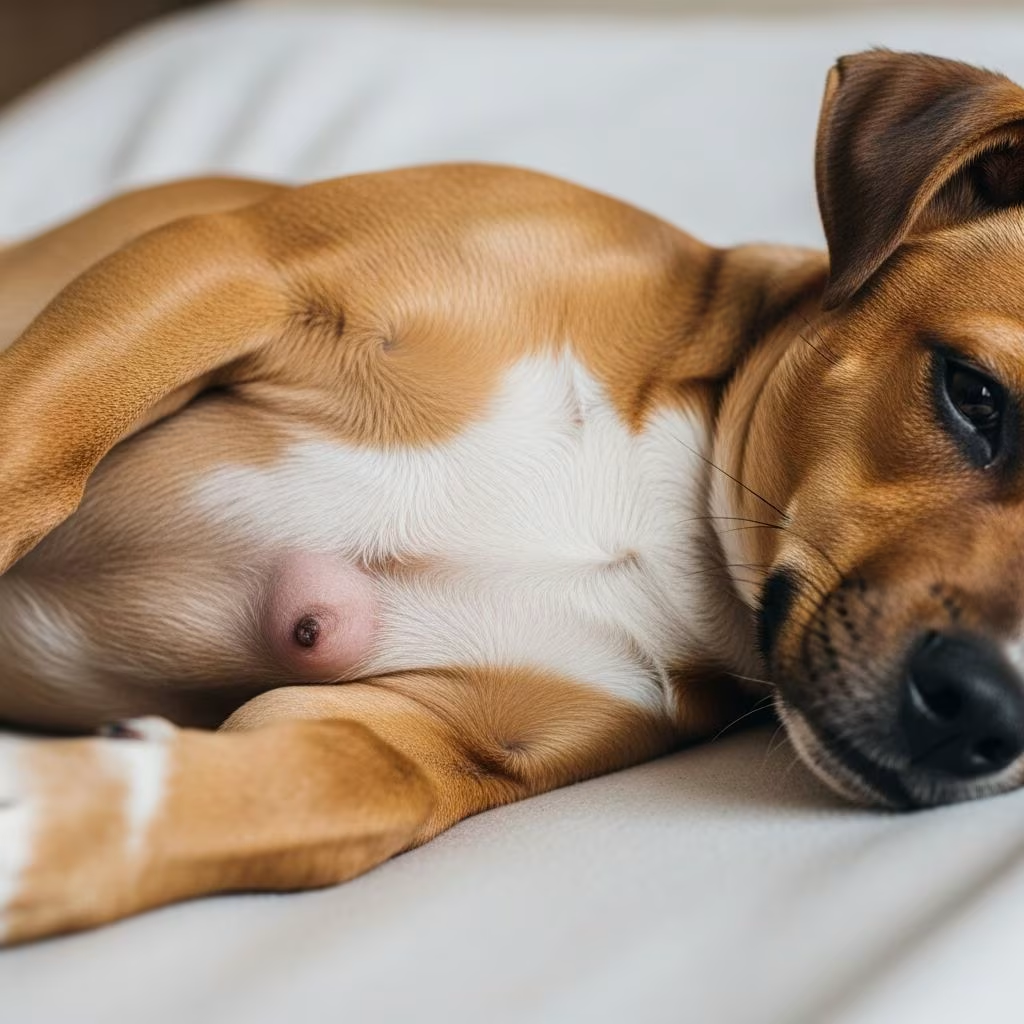
Understanding Umbilical Hernias in Dogs
An umbilical hernia in dogs is a condition where a portion of tissue protrudes through a weakness in the abdominal muscles near the umbilical area, commonly known as the belly button. This occurs when the umbilical ring, the opening where blood vessels pass through during fetal development, fails to close completely after birth. In most cases, this opening should seal naturally within the first few weeks of life. However, when it doesn’t close properly, abdominal contents such as fat or organs can push through the opening, creating a visible bulge or lump on your dog’s abdomen.
Umbilical hernias are relatively common in dogs and puppies, though they vary significantly in severity and potential complications. While some hernias are minor and cause no significant health issues, others can become problematic and require veterinary intervention. Understanding the nature of this condition is crucial for pet owners to recognize when their dog needs medical attention.
What Causes Umbilical Hernias in Dogs?
Umbilical hernias develop when the umbilical ring—the natural opening in the abdominal wall through which fetal blood vessels pass—does not close properly after a puppy is born. This incomplete closure is typically hereditary, meaning the condition runs in certain dog breeds and family lines. If a dog inherits the genetic predisposition for umbilical hernias, the muscle around the umbilical area may not develop completely, leaving a gap.
The size of the umbilical ring at birth plays a significant role in determining whether a hernia will develop. Larger rings are more likely to remain open and allow tissue to protrude. Additionally, factors such as increased abdominal pressure from activities like straining, coughing, or even vigorous play can exacerbate an existing weakness, causing the hernia to become more prominent or develop symptoms.
Certain dog breeds appear to have a higher predisposition to umbilical hernias, though any dog can develop one. Genetics are the primary factor, which is why veterinarians recommend spaying or neutering dogs with umbilical hernias to prevent passing this trait to offspring.
Identifying Umbilical Hernias: Signs and Symptoms
Recognizing the signs of an umbilical hernia is essential for early detection and appropriate management. The symptoms can range from barely noticeable to severe, depending on the size of the hernia and whether internal organs are involved.
Physical Signs
Visible Lump or Bulge: The most obvious sign is a soft, rounded bulge or swelling beneath the skin at the umbilical site. This lump may appear soft and spongy to the touch and is often more pronounced when the dog is standing, coughing, or straining. In some cases, the bulge can be gently pushed back into the abdomen, indicating a reducible hernia.
Pain or Discomfort: Most small umbilical hernias are not painful. However, larger hernias or those involving trapped organs may cause tenderness. Your dog might react with sensitivity when the area is touched or manipulated. In severe cases, the dog may show signs of abdominal pain or reluctance to move.
Behavioral and Systemic Signs
Loss of Appetite: Dogs experiencing discomfort from an umbilical hernia may show decreased interest in food or have difficulty eating. They might refuse their favorite treats or eat less than usual due to pain or nausea.
Vomiting: When organs become trapped within the hernia or when internal structures are compressed, your dog may experience vomiting or retching, especially after eating.
Lethargy or Weakness: A dog with a strangulated hernia (where tissue becomes trapped and blood flow is restricted) may appear unusually tired, weak, and reluctant to engage in normal activities like walking or playing.
Shortness of Breath: Large hernias that trap organs can affect breathing and circulation. This is a potentially serious sign and warrants immediate veterinary attention.
Restlessness or Behavioral Changes: Your dog may become more lethargic or show signs of general discomfort and restlessness.
Types of Umbilical Hernias
Veterinarians classify umbilical hernias into two primary categories based on their characteristics and behavior:
Reducible Hernias
A reducible hernia is one where the protruding tissue can be gently pushed back inside the abdominal cavity. These hernias are typically less concerning and often remain harmless throughout a dog’s life. The bulge may come and go, becoming more noticeable when the dog strains or during physical activity. Many reducible hernias do not require immediate surgical intervention and can be monitored with regular veterinary check-ups.
Non-Reducible Hernias
A non-reducible hernia is stuck in its protruded position and cannot be pushed back into the abdomen. These hernias require closer monitoring and are more likely to need surgical repair, especially if they are large or causing symptoms. Non-reducible hernias carry a higher risk of complications, including strangulation, where the blood supply to trapped tissue is cut off.
Diagnosing Umbilical Hernias in Dogs
Proper diagnosis is the first step toward determining the appropriate treatment plan for your dog’s umbilical hernia.
Physical Examination
Your veterinarian will begin by performing a thorough physical examination. They will palpate (feel) the lump to determine whether it is reducible or non-reducible. They will also measure the hernia, assess its consistency, and evaluate whether any organs or tissues can be felt within the protruding sac. This hands-on assessment provides valuable information about the hernia’s characteristics and potential risk level.
Diagnostic Imaging
For complex cases or when internal organs may be involved, your vet may recommend diagnostic imaging such as X-rays or ultrasounds. These imaging techniques allow the veterinarian to visualize the contents of the hernia and determine exactly what tissue is protruding. This information is crucial for planning the safest and most effective treatment approach, particularly if surgery is being considered.
Treatment Options for Umbilical Hernias
The appropriate treatment for an umbilical hernia depends on several factors, including the size of the hernia, whether it is reducible or non-reducible, the dog’s age, whether organs are involved, and the dog’s overall health status.
Conservative Management and Monitoring
Many small umbilical hernias, particularly those containing only fat and no organs, do not require immediate surgical intervention. In these cases, your veterinarian may recommend a conservative approach involving regular monitoring. You will be advised to observe the hernia closely at home, noting any changes in size, appearance, or your dog’s symptoms.
In some instances, veterinarians suggest gently pushing the contents back into the abdomen regularly, with the hope that the opening will eventually close on its own. However, if the umbilical hernia is still present by the time your puppy reaches six months of age, surgical repair is typically recommended, as the opening is unlikely to close naturally after this point.
Surgical Repair
Most umbilical hernias that persist beyond six months of age or that are causing symptoms will require surgical repair. The good news is that umbilical hernia surgery is a straightforward procedure with a high success rate.
Surgical Procedure
The surgical repair of an umbilical hernia involves the following steps:
Anesthesia: Your dog will be placed under general anesthesia to ensure they remain still and comfortable throughout the procedure.
Preparation: The area over the swollen hernia is shaved to create a clean surgical field. The site is then thoroughly cleaned and sanitized with antiseptic solution.
Incision and Reduction: The veterinarian makes a small incision over the hernia. The protruding contents (usually fat or, less commonly, abdominal organs) are carefully pushed back into the abdominal cavity.
Tissue Cleanup: Any excess scar tissue surrounding the abnormal opening is removed to ensure proper healing.
Closure: The edges of the weakened abdominal wall are stitched together with strong sutures to close the opening. For larger hernias, the veterinarian may place surgical mesh over the area to provide additional reinforcement and prevent recurrence.
Timing of Surgery
Many veterinarians recommend performing umbilical hernia repair during a routine spay or neuter procedure. This approach offers significant advantages: your dog requires only one anesthesia session, and the recovery period is combined, reducing overall stress and discomfort for both you and your pet. This timing also ensures that your dog will not pass the genetic predisposition for hernias to future offspring, as spaying or neutering is strongly recommended for all dogs with umbilical hernias.
Post-Operative Care and Recovery
Proper post-operative care is essential to ensure successful healing and prevent complications following umbilical hernia surgery.
Immediate Post-Surgery Care
After surgery, your dog will need a quiet, comfortable space for rest and recovery. Pain medication will likely be prescribed to manage discomfort—administer these medications exactly as directed by your veterinarian. Restrict your dog’s physical activity, avoiding walks that involve running, jumping, or playing, as these activities can strain the surgical site. Many veterinarians recommend keeping your dog confined to a small, quiet area during the initial recovery period.
Incision Management
Keep the surgical incision clean and dry. Check the area regularly for signs of infection such as redness, swelling, discharge, or a foul odor. Prevent your dog from licking or biting at the incision by using an Elizabethan collar (cone) or a protective pet shirt if recommended by your veterinarian. A protective garment can also reduce the risk of injury or infection to the healing incision site.
Diet and Hydration
Offer a balanced, nutritious diet and ensure your dog has constant access to fresh water. Follow any dietary recommendations provided by your veterinarian, as proper nutrition supports healing. Some dogs may have a reduced appetite immediately after surgery, which is normal, but appetite should return within a day or two.
Activity Restriction
Limit physical activity for the duration of the recovery period, typically 7-14 days depending on the extent of surgery. Short, controlled walks on a leash are acceptable, but running, jumping, and rough play should be avoided. Your veterinarian will provide specific activity guidelines based on your dog’s individual recovery.
Follow-Up Veterinary Care
Attend all scheduled follow-up appointments to allow your veterinarian to assess the healing progress of the surgical site. Most dogs have sutures removed 10-14 days after surgery. Continue monitoring your dog’s behavior, appetite, and bathroom habits, as changes in these areas can indicate complications such as infection or inadequate pain control.
Potential Complications
While umbilical hernias are generally manageable, understanding potential complications helps ensure prompt intervention if problems arise. In rare cases, hernias can become strangulated, meaning the blood supply to trapped tissue is cut off. This is a medical emergency requiring immediate veterinary care and is characterized by severe pain, vomiting, lethargy, and difficulty breathing. Additionally, while surgery is generally safe, as with any procedure involving anesthesia, there are minimal risks of anesthetic complications or post-operative infection.
Prevention and Genetic Considerations
Since umbilical hernias are primarily hereditary, prevention involves responsible breeding practices. Dogs with umbilical hernias should be spayed or neutered to prevent the genetic trait from being passed to future generations. If you are considering breeding a dog, genetic screening and consultation with your veterinarian are essential to minimize the risk of producing puppies with hereditary conditions.
Cost Considerations
The cost of umbilical hernia treatment varies depending on several factors, including your geographic location, the size and type of hernia, your dog’s size, and whether the surgery is performed simultaneously with spaying or neutering. Generally, surgery performed alone may range from several hundred to over a thousand dollars, while combining hernia repair with spay or neuter surgery significantly reduces costs by eliminating the need for a separate anesthesia session.
Frequently Asked Questions
Q: Can an umbilical hernia close on its own?
A: Small umbilical hernias containing only fat may close on their own before six months of age. However, if the hernia persists beyond six months, surgical repair is typically recommended, as spontaneous closure becomes unlikely after this point.
Q: Is umbilical hernia surgery dangerous?
A: Umbilical hernia surgery is a routine procedure with a high success rate and minimal complications. While all surgeries involving anesthesia carry some risk, serious complications are rare. Your veterinarian will discuss specific risks and benefits based on your dog’s individual health status.
Q: Can my puppy play normally with an umbilical hernia?
A: Small, uncomplicated umbilical hernias typically don’t restrict a puppy’s activities. However, excessive straining or rough play may exacerbate the condition. Your veterinarian can provide specific activity recommendations based on your puppy’s individual situation.
Q: Will my dog need special care after surgery?
A: Yes, post-operative care includes activity restriction, incision monitoring, pain management, and follow-up veterinary visits. Most dogs recover fully within 1-2 weeks with proper care.
Q: Should I breed my dog if they have an umbilical hernia?
A: No, dogs with umbilical hernias should not be bred, as the condition is hereditary. Spaying or neutering is strongly recommended to prevent passing this genetic trait to offspring.
References
- What Is an Umbilical Hernia in Dogs? Causes and Treatment — Noble Vet Clinic. 2025. https://noblevetclinic.com/blog/what-is-an-umbilical-hernia-in-dogs
- Essential Steps for Caring for a Dog with a Hernia — McGehee Clinic. 2025. https://mcgeheeclinic.com/blog/dog-hernia-care/
- Puppy Umbilical Hernias: Signs, Risks & Treatment — Pooch & Mutt. 2024. https://www.poochandmutt.co.uk/blogs/puppy/umbilical-hernias
- Hernia in Dogs — Pet Health Network. 2024. https://www.pethealthnetwork.com/dog-health/dog-diseases-conditions-a-z/hernia-dogs
- Hernias in Dogs: Symptoms, Surgery & Cost — Godspeed Animal Care. 2024-05-31. https://www.godspeedanimalcare.com/site/blog/2024/05/31/hernia-dogs
- Umbilical Hernias In Dogs: Everything You Need to Know — Chewy. 2024. https://www.chewy.com/education/dog/health-and-wellness/umbilical-hernias-in-dogs-more-common-than-you-think
- Hernias in Puppies: What You Need to Know — PetMD. 2024. https://www.petmd.com/dog/general-health/hernias-puppies-what-you-need-know



