

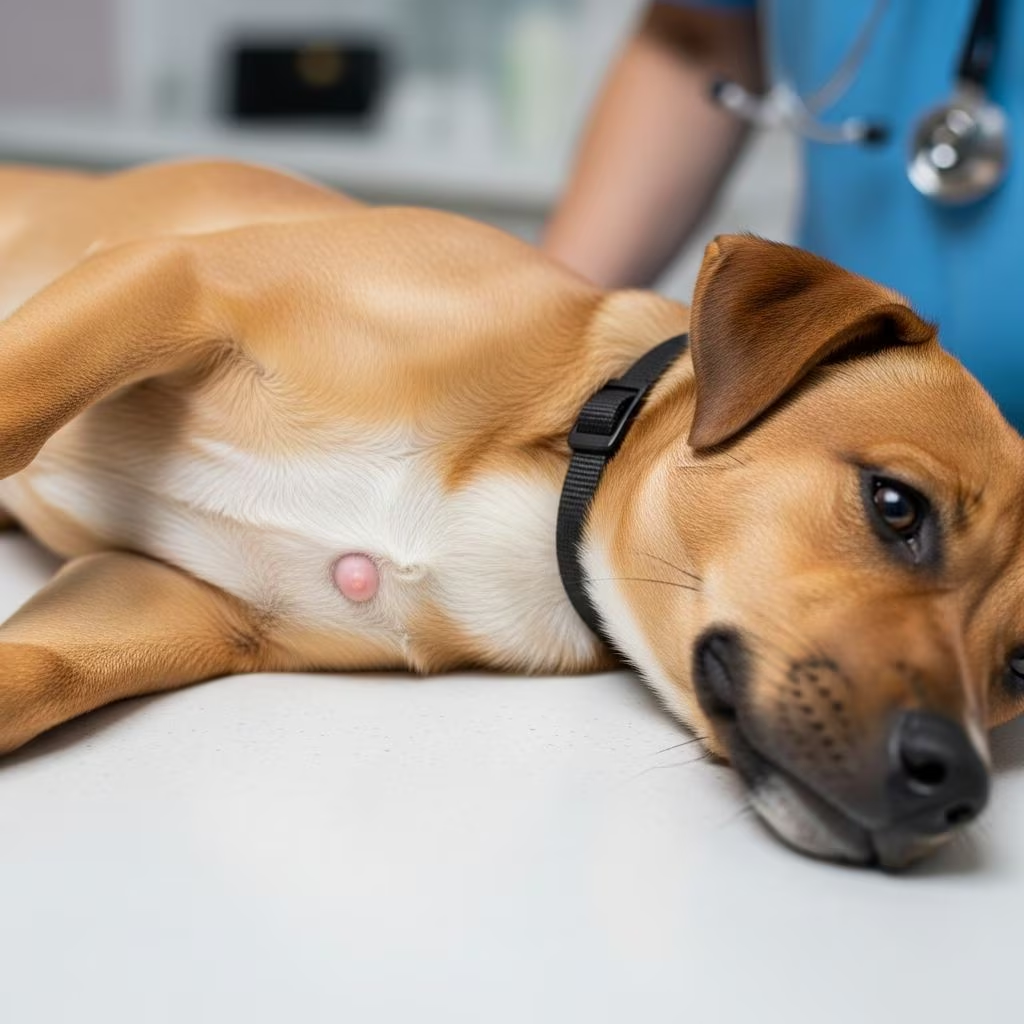
Understanding Umbilical Hernias in Dogs
An umbilical hernia is a common condition that occurs when a portion of tissue or abdominal contents protrudes through a weakness or opening in the abdominal wall near the umbilicus, commonly known as the belly button. This condition is particularly prevalent in puppies and can vary significantly in severity. While some umbilical hernias are minor and cause no clinical issues, others may require surgical intervention to prevent complications. Understanding this condition is essential for dog owners, as early recognition and appropriate management can prevent serious health complications.
The umbilicus is the point where blood vessels connected the puppy to the placenta before birth. Normally, the opening in the abdominal muscles closes naturally after birth. However, when this closure is incomplete or defective, an umbilical hernia develops. This condition can be hereditary, making it important for breeders to be aware of the genetic predisposition in certain dog lines.
What Causes Umbilical Hernias in Dogs?
Umbilical hernias develop due to incomplete closure of the umbilical ring, the opening in the abdominal wall where the umbilical cord passes through. Several factors can contribute to this condition:
Genetic Predisposition: The most significant cause of umbilical hernias is hereditary factors. Certain dog breeds show a higher incidence of this condition, suggesting a genetic component. If either parent carries the gene for umbilical hernias, their offspring may inherit the condition. This is why responsible breeding practices involve screening parents for this trait.
Improper Umbilical Cord Separation: During the birthing process, if the umbilical cord is torn or pulled improperly, it can result in incomplete closure of the umbilical ring. Additionally, if the mother does not properly clean and stimulate the puppy, healing of the umbilical area may be compromised.
Developmental Abnormalities: In some cases, the muscles and tissues around the umbilical area may not develop properly, leading to a defect in the abdominal wall. This developmental issue is often present from birth but may not become noticeable until the puppy grows.
Increased Abdominal Pressure: Excessive straining, coughing, or activities that increase abdominal pressure in young puppies can exacerbate a predisposed weakness in the umbilical ring.
Clinical Signs and Symptoms
Identifying the clinical signs of an umbilical hernia is crucial for early detection and treatment. The symptoms can range from barely noticeable to severe, depending on the size of the hernia and what structures are protruding through the opening.
Visible Bulge or Swelling: The most obvious sign is a soft, rounded protrusion or bulge near the umbilicus area. This swelling is typically more pronounced when the dog is standing, coughing, or straining. In many cases, the bulge may be more visible after eating or during increased abdominal pressure.
Size and Appearance: Most umbilical hernias appear as a small, firm bump that may be the size of a pea to several centimeters in diameter. The skin overlying the hernia is typically normal in appearance, though it may be slightly thinner than surrounding skin.
Behavioral Changes: Many dogs with small umbilical hernias show no signs of discomfort and are completely unaware they have a hernia. However, larger hernias or those containing significant tissue may cause behavioral changes including lethargy, restlessness, or reduced activity levels.
Pain and Discomfort: If the hernia is large or contains abdominal organs, the dog may experience pain or tenderness when the area is touched. This discomfort may be particularly noticeable during play or when pressure is applied to the abdomen.
Gastrointestinal Symptoms: In some cases, umbilical hernias can affect digestion, leading to loss of appetite, vomiting, or difficulty eating. Drooling may also be observed.
Breathing Difficulties: If the hernia is particularly large or affects the diaphragm, the dog may experience coughing, shortness of breath, or rapid breathing. These respiratory signs warrant immediate veterinary attention.
Emergency Signs: Pale or bluish gums, signs of severe distress, rapid or shallow breathing, and extreme pain indicate a possible strangulation of the hernia contents. This is a medical emergency requiring immediate surgical intervention.
Diagnosis of Umbilical Hernias
Veterinarians diagnose umbilical hernias through a combination of physical examination and diagnostic imaging when necessary.
Physical Examination: During a routine physical examination, a veterinarian can typically identify an umbilical hernia by palpating the abdomen and observing a soft bulge near the umbilicus. The vet will assess the size, consistency, and reducibility of the hernia. A reducible hernia is one where the contents can be gently pushed back into the abdomen, while an irreducible hernia cannot be reduced.
Imaging Studies: For suspected hernias that are not visible or to determine what structures are contained within the hernia, the veterinarian may recommend radiographs (X-rays) or ultrasound imaging. Ultrasound is particularly useful as it can identify whether the hernia contains only fat or if abdominal organs are involved. This information is crucial for determining the appropriate treatment approach.
Routine Veterinary Visits: Umbilical hernias are often discovered during routine puppy examinations or wellness checks. Early detection during these visits allows for timely management decisions and prevents complications.
Treatment Options for Umbilical Hernias
The treatment approach for umbilical hernias depends on several factors including the size of the hernia, the age of the dog, whether it contains organs, symptoms, and the owner’s preferences and financial considerations.
Conservative Management
Observation and Monitoring: Many small umbilical hernias, particularly those containing only fat, require no immediate treatment. Studies suggest that small hernias may spontaneously close on their own, especially in puppies under three to four months of age. In these cases, careful monitoring and observation are recommended.
Manual Reduction: Some veterinarians suggest gently pushing the contents of the hernia back into the abdominal cavity each day, combined with bandaging to maintain the reduction. While this technique has demonstrated limited success, it may be attempted in young puppies with very small hernias before pursuing surgery.
Activity Restriction: Limiting strenuous activity, jumping, and rough play can help prevent increased abdominal pressure that might enlarge the hernia or cause complications.
Surgical Repair
Herniorrhaphy Procedure: Most umbilical hernias eventually require surgical correction, particularly as the dog matures. The surgical procedure, called herniorrhaphy, is a relatively simple and straightforward operation. During surgery, the veterinarian makes an incision over the hernia, gently pushes the protruding tissue back into the abdomen, and then sutures the defect in the abdominal wall closed. For large hernias, mesh or patch material may be used to reinforce the repair.
Timing of Surgery: The ideal time for umbilical hernia repair is often during routine spaying or neutering procedures. Many veterinarians recommend combining hernia repair with these surgeries to minimize the number of general anesthetics the dog must undergo. This approach also reduces the overall cost to the owner.
Surgical Cost: The cost of umbilical hernia surgery varies depending on geographic location, the size of the hernia, the dog’s size, and whether it is performed concurrently with other procedures like spaying or neutering. In the United Kingdom, costs typically range from £100 to £500, with combined procedures being significantly more affordable than separate surgeries.
Emergency Surgery: If strangulation of hernia contents occurs—a rare but serious condition where blood supply to the protruding tissue is compromised—emergency surgical intervention is necessary. This situation causes severe pain and rapidly progressing illness and requires immediate veterinary attention.
Post-Operative Care and Recovery
Proper post-operative care is essential for successful healing and preventing complications following umbilical hernia surgery.
Rest and Activity Restriction: After surgery, dogs must be kept in a quiet, comfortable environment with minimal activity. Jumping, running, and strenuous play should be prevented for the duration recommended by the veterinarian, typically two to four weeks. Restricted activity allows the surgical incision to heal properly and reduces the risk of reopening the repair.
Incision Care: The surgical incision must be kept clean and dry. Owners should monitor the incision daily for signs of infection such as redness, swelling, discharge, or foul odor. The area should be protected from moisture and dirt. Many veterinarians recommend using a pet t-shirt, surgical recovery suit, or onesie to keep the dog from licking or chewing at the incision.
Preventing Self-Trauma: One of the most important aspects of post-operative care is preventing the dog from licking, chewing, or biting at the surgical site. If sutures are removed by the dog, the incision may reopen, potentially requiring another surgical procedure. E-collars (cone collars), bandages, or recovery suits are highly recommended.
Pain Management: Veterinarians typically prescribe pain medications to manage post-operative discomfort. These medications should be administered exactly as directed, and the owner should monitor the dog’s comfort level and report any concerns to the veterinarian.
Diet and Hydration: Continue feeding a balanced, nutritious diet and ensure the dog has access to fresh water. Some veterinarians may recommend adjusting feeding schedules or diet temporarily during recovery. Offer small, frequent meals rather than one large meal to prevent straining.
Follow-Up Veterinary Visits: All scheduled follow-up appointments should be kept to assess healing progress, remove sutures if necessary, and address any concerns. Complications such as infection, seroma formation (fluid accumulation), or breakdown of the repair can be identified and treated promptly during these visits.
Complications Associated with Umbilical Hernias
While most umbilical hernias are benign, certain complications can arise, particularly with large hernias or hernias that are neglected.
Strangulation: The most serious complication is strangulation, which occurs when herniated contents twist or become pinched, cutting off blood supply to the tissue. This causes intense pain and rapid deterioration of the dog’s condition. However, strangulation is extremely rare in umbilical hernias—most veterinarians never encounter a case during their entire career.
Trauma to Skin: The skin overlying the hernia is at slightly higher risk of injury or infection due to the thinned tissue. Owners should protect this area and watch for signs of redness, crusting, or oozing. Any such signs should be reported to the veterinarian immediately.
Post-Surgical Complications: While uncommon, complications following hernia repair can include infection at the surgical site, seroma formation (fluid accumulation), or recurrence of the hernia. These risks are minimized by following post-operative care instructions carefully and maintaining appropriate activity restriction.
Genetic Considerations and Prevention
Because umbilical hernias have a hereditary component, responsible breeding practices are important for reducing the incidence of this condition in future generations. Dogs with umbilical hernias should be neutered or spayed to prevent passing the genetic trait to offspring. Breeders should screen parent dogs for umbilical hernias and avoid breeding dogs with this condition or a strong family history of hernias.
Prognosis and Long-Term Outlook
The prognosis for dogs with umbilical hernias is excellent, particularly when the condition is diagnosed early and managed appropriately. Most small, uncomplicated umbilical hernias do not significantly impact the dog’s quality of life. With proper surgical repair when necessary and appropriate post-operative care, dogs recover fully and experience no long-term effects from the hernia or its treatment.
Frequently Asked Questions (FAQs)
Q: Will an umbilical hernia in my dog close on its own?
A: Small umbilical hernias may spontaneously close on their own, especially in puppies under three to four months of age. However, most hernias eventually require surgical repair as the dog matures, particularly if they are large or contain abdominal organs.
Q: Is umbilical hernia surgery necessary?
A: While small, asymptomatic umbilical hernias may not require immediate surgery, most veterinarians recommend surgical repair, particularly before the dog reaches adulthood. Surgery is definitely necessary for large hernias or those causing symptoms.
Q: Can umbilical hernias be life-threatening?
A: Most umbilical hernias are not life-threatening. However, in rare cases, strangulation can occur, where the blood supply to herniated contents is compromised, creating a medical emergency requiring immediate surgery.
Q: What is the recovery time after umbilical hernia surgery?
A: Typical recovery time is two to four weeks, during which activity must be restricted. Full healing of the surgical incision usually takes about two weeks, but the internal repair requires additional time to strengthen.
Q: Can an umbilical hernia recur after surgery?
A: Recurrence is uncommon when surgery is performed properly and post-operative care instructions are followed. The risk is minimized by maintaining appropriate activity restriction and protecting the incision from trauma.
Q: Should I combine umbilical hernia surgery with spaying or neutering?
A: Yes, combining these procedures is often recommended as it reduces the number of times the dog must undergo general anesthesia and significantly reduces the overall cost. This approach is particularly beneficial for female dogs.
References
- Essential Steps for Caring for a Dog with a Hernia — McGehee Clinic. 2024. https://mcgeheeclinic.com/blog/dog-hernia-care/
- Puppy Umbilical Hernias: Signs, Risks & Treatment — Pooch & Mutt. 2024. https://www.poochandmutt.co.uk/blogs/puppy/umbilical-hernias
- Hernia in Dogs — Pet Health Network. 2024. https://www.pethealthnetwork.com/dog-health/dog-diseases-conditions-a-z/hernia-dogs
- Umbilical Hernias In Dogs: Everything You Need to Know — Chewy. 2024. https://www.chewy.com/education/dog/health-and-wellness/umbilical-hernias-in-dogs-more-common-than-you-think
- Herniorrhaphy (Proceedings) — DVM360. 2024. https://www.dvm360.com/view/herniorrhaphy-proceedings
- Hernias in Dogs: Symptoms, Surgery & Cost — Godspeed Animal Care. 2024. https://www.godspeedanimalcare.com/site/blog/2024/05/31/hernia-dogs



