

Understanding Ultrasound Examination in Dogs
Ultrasound examination, also known as ultrasonography, is a non-invasive imaging technique that allows veterinarians to see internal body structures by recording echoes of sound waves. This advanced diagnostic tool has become an essential part of modern veterinary medicine, enabling veterinarians to accurately diagnose and monitor various health conditions in dogs without the need for invasive procedures.
Unlike radiography or X-rays, ultrasound provides real-time images of internal organs, allowing veterinarians to observe how organs are functioning at the moment of examination. This makes it an invaluable tool for assessing the overall health of your pet and identifying potential medical concerns quickly and accurately.
How Ultrasound Works
The ultrasound machine uses sound waves to create detailed images of your dog’s internal organs and structures. The process begins with the application of a water-based gel to your pet’s skin, which helps transmit sound waves more effectively during the examination. This gel provides better contact between the probe and the skin, allowing the sound waves to pass into the body without passing through air.
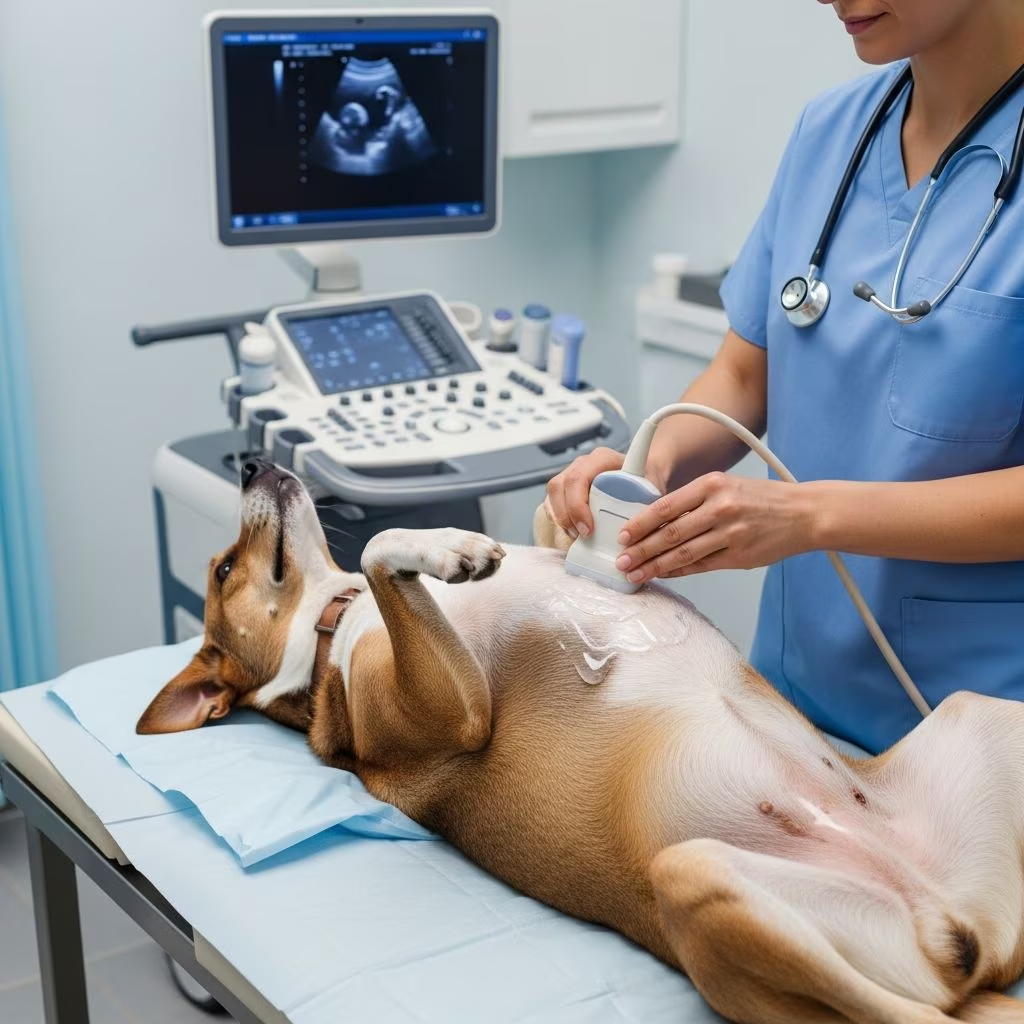
A handheld device called a transducer is then gently moved across the area being examined. The transducer emits sound waves, which bounce off internal structures and create a live image on a monitor. Your veterinarian interprets these real-time images and may take still photos or videos for further analysis, allowing them to see how organs are functioning, identify structural changes, and detect abnormalities that are not visible on X-rays.
Preparation for Your Dog’s Ultrasound
Proper preparation ensures the best results from your dog’s ultrasound examination. Understanding what to expect and how to prepare your pet can make the procedure smoother for both you and your dog.
Pre-Examination Requirements
In most cases, ultrasounds for dogs don’t require extensive at-home preparation. However, for abdominal ultrasounds, your veterinarian may recommend that your dog fast for at least 12 hours before the procedure. This fasting period helps ensure clear imaging of abdominal organs by reducing gas in the intestines. Depending on your veterinarian’s specific instructions, your dog may also need to avoid drinking water for several hours before the examination.
At the Veterinary Hospital
When you arrive at the veterinary hospital, the staff will shave the area of your dog’s body that requires scanning to ensure clear imaging. This allows the ultrasound gel to make direct contact with the skin, improving image quality significantly. The shaved area is then cleaned, and ultrasound gel is applied to facilitate the transmission of sound waves.
If you know your pet is anxious, speak with your veterinarian about anti-anxiety medications, such as trazodone, gabapentin, acepromazine, or melatonin, which can be given prior to the scan to facilitate the procedure and reduce stress.
What to Expect During the Procedure
The Examination Process
The exam usually begins with a physical assessment to review your pet’s overall health and pinpoint the area of concern. Your dog will then be gently positioned on a padded table in a comfortable position. For most abdominal ultrasounds, dogs typically lay on their back or side, depending on which organs need to be examined.
The veterinary technician will apply water-based gel to the area being scanned and use the handheld transducer to glide across the skin over various internal areas of interest. This process creates real-time images of your dog’s internal organs, including the liver, kidneys, spleen, and intestines. Throughout the examination, your veterinarian closely observes the displayed images, looking for signs of abnormalities or confirming good health within internal structures.
Duration and Comfort
The process generally takes 20 to 45 minutes, depending on the area being examined and the complexity of the issue. Most pets tolerate the exam well, and sedation is rarely required unless your pet is very anxious or unable to stay still. The ultrasound technique is totally painless, and most dogs will lie comfortably while the scan is being performed.
After the Examination
After completing the scan, the veterinarian removes any remaining gel from your dog’s belly and discusses any immediate observations with you while also outlining next steps if further evaluation or treatment is needed. Your veterinarian will explain their findings and provide recommendations based on what was discovered during the examination.
Types of Ultrasound Examinations
Different types of ultrasound examinations serve specific diagnostic purposes, allowing your veterinarian to focus on the area of concern.
Abdominal Ultrasound
An abdominal ultrasound can be used to search the abdomen for abnormalities or can be performed on an emergency basis to detect bleeding within the abdomen or an intestinal blockage. This is one of the most common types of ultrasound performed in veterinary medicine.
Echocardiogram
An echocardiogram is an ultrasound exam of the heart that evaluates the heart chambers, blood flow through the heart, and the sac that encloses the heart (pericardial sac). This diagnostic test is essential for evaluating heart disease in dogs.
Single-Organ Ultrasound
A single-organ ultrasound is limited to one structure. For instance, a dog with blood in their urine may have a bladder scan, or a pregnant female dog may have her uterus scanned.
Thoracic Ultrasound
Thoracic ultrasound is used to look at the lungs and the space around the lungs. This type of ultrasound can help diagnose conditions affecting the respiratory system.
Soft-Tissue Ultrasound
Soft-tissue ultrasound is used to evaluate muscles, tendons, and ligaments. This type of imaging helps veterinarians assess musculoskeletal injuries and abnormalities.
Common Reasons for Dog Ultrasounds
Ultrasound examinations are recommended for various health concerns in dogs. Understanding when your veterinarian might recommend an ultrasound can help you recognize when this diagnostic tool is necessary.
Gastrointestinal Issues
Chronic vomiting and diarrhea can indicate various underlying conditions. The gastrointestinal tract can be scanned to look for causes of vomiting and diarrhea, including blockages, tumors, or inflammation. Early diagnosis through ultrasound often results in better outcomes for your pet.
Urinary Tract Problems
The bladder and kidneys can be scanned for stones or masses. Ultrasound is particularly helpful in identifying urinary tract abnormalities that may not be visible through other diagnostic methods.
Pregnancy Monitoring
The uterus can be scanned to diagnose pregnancy, determine the number of fetuses, and monitor fetal development and viability.
Heart Disease
An echocardiogram is the standard test for diagnosing and monitoring heart disease. This specialized ultrasound provides crucial information about cardiac function and structure.
Abnormal Lab Work or Chronic Illness
Ultrasound may be used to identify changes to organs that could explain abnormal lab results or chronic illness. When blood work or other tests indicate potential problems, ultrasound can provide visual confirmation and additional diagnostic information.
Anesthesia and Sedation
Is Anesthesia Necessary?
Anesthesia is not usually needed for most ultrasound examinations unless biopsies are to be taken. The technique is totally painless, and most dogs will lie comfortably while the scan is being performed. Occasionally, if the dog is very frightened or restless, a sedative may be necessary.
When Sedation Might Be Recommended
Many dogs do well for ultrasounds without sedation. However, anxious dogs may benefit from sedation to make the process easier on them and the veterinary team. Some scans, such as a full abdominal scan, can be lengthy, and sedation may help keep the dog still and calm.
If the veterinarian collects a biopsy sample of an organ with ultrasound guidance, sedation is recommended to reduce the risk of injury and pain to the pet. If biopsies are to be taken, a short-acting anesthetic or a heavy sedative will be needed to help relax your pet during the procedure and prevent potential complications.
Ultrasound-Assisted Tissue Collection
In some cases, your veterinarian may need to collect tissue samples during the ultrasound examination for further analysis under a microscope.
Biopsy Methods
Samples are typically collected using these methods:
- Tru-Cut biopsies
- Ultrasound-guided fine needle aspiration
If your vet will be performing an ultrasound-assisted tissue collection, your pet may be sedated to help keep them still. Veterinarians can perform biopsies in a less invasive manner with ultrasounds than with surgeries, making this a safer option for tissue diagnosis.
Diagnostic Value
When an abnormal part of an organ is identified during ultrasound, an ultrasound-guided biopsy may be performed to collect a sample of the affected tissue. This biopsy allows veterinarians to take a tissue sample, which can be inspected with a microscope to reveal more information. In many cases, this will result in a definitive diagnosis.
Advantages of Ultrasound Imaging
Ultrasound examinations offer numerous advantages over other diagnostic methods, making them a preferred choice for many veterinary situations.
Real-Time Imaging
Ultrasound offers real-time images, meaning veterinarians can observe how organs are functioning at the moment of the examination, allowing for accurate assessments of your dog’s health. This dynamic imaging capability provides information that static images cannot offer.
Early Detection
Detecting conditions such as abnormal liver values or other gastrointestinal issues early on through canine abdominal health imaging leads to quicker treatment decisions. Early diagnosis often results in better outcomes for your pets.
Non-Invasive Nature
Ultrasounds are a gentle, non-invasive way to help your vet quickly and accurately diagnose or evaluate issues with your dog’s internal organs. Unlike surgical exploration, ultrasound requires no incisions or anesthesia in most cases.
Comprehensive Information
Ultrasound examinations play a pivotal role in evaluating the severity and nature of diseases within dogs’ internal organs. Knowing exactly what’s wrong aids significantly in crafting an effective treatment plan.
Emergency Ultrasound Applications
In medical emergencies, ultrasound can provide critical diagnostic information quickly. If your dog or cat is experiencing a medical emergency, the ultrasound can be utilized to give a clear picture of what’s going on in your pet’s abdomen and chest. This allows emergency veterinarians to quickly learn whether your dog has a serious internal hemorrhage (bleeding) or pneumothorax (a condition in which gas or air collects in the space surrounding the lungs).
Ultrasound scans assist emergency vets in diagnosing your animal’s health issue quickly so that treatment can begin as soon as possible. This rapid diagnostic capability can be life-saving in critical situations.
Frequently Asked Questions About Dog Ultrasounds
Q: Does ultrasound hurt my dog?
A: No, ultrasound is a painless procedure. The technique uses sound waves to create images, and there is no radiation or discomfort involved. Most dogs remain calm and comfortable throughout the examination.
Q: How long does a dog ultrasound take?
A: The process generally takes 20 to 45 minutes, depending on the area being examined and the complexity of the issue. Your veterinarian will provide a more specific timeframe based on your dog’s individual needs.
Q: Will my dog need to be sedated for an ultrasound?
A: Most dogs do not require sedation for routine ultrasound examinations. However, if your dog is anxious, very restless, or if a biopsy is needed, your veterinarian may recommend sedation to ensure the best results and your pet’s comfort.
Q: Do I need to prepare my dog for an ultrasound?
A: For abdominal ultrasounds, your veterinarian may recommend fasting for 12 hours before the procedure. Otherwise, most ultrasounds require minimal preparation. Follow your veterinarian’s specific pre-examination instructions.
Q: How soon will I get results from my dog’s ultrasound?
A: Your veterinarian will discuss immediate observations with you after the scan. Detailed results and recommendations will typically be available shortly after, depending on whether tissue samples need to be analyzed.
Q: Is ultrasound better than X-rays for my dog?
A: Ultrasound and X-rays serve different diagnostic purposes. Ultrasound is excellent for viewing soft tissue organs and provides real-time imaging, while X-rays are better for viewing bones and certain other structures. Your veterinarian will recommend the most appropriate imaging method for your dog’s specific condition.
Q: Can ultrasound detect cancer in dogs?
A: Ultrasound can help identify abnormal masses or tumors in internal organs. If a suspicious area is found, your veterinarian may recommend an ultrasound-guided biopsy to confirm whether it is cancerous.
References
- What Happens During a Veterinary Ultrasound Appointment — Garbizona Animal Clinic. https://www.garbizoanimalclinic.com/blog/what-happens-during-a-veterinary-ultrasound-appointment
- Dog Ultrasounds: What Are They, and Why Would a Dog Need One? — PetMD. https://www.petmd.com/dog/procedure/dog-ultrasounds
- Taking your pet for an ultrasound? Here’s what you should know. — Carolina Veterinary Specialists, Winston-Salem. https://www.winston-salem.carolinavet.com/site/pet-health-advice-blog/2021/04/06/pet-ultrasound
- Ultrasound For Dog Abdominal Issues: Diagnosing Internal Problems — Insight Vet Wellness. https://insightvetwellness.com/ultrasound/ultrasound-for-dog-abdominal-issues-diagnosing-internal-problems/
- Ultrasound Examination in Dogs — VCA Animal Hospitals. https://vcahospitals.com/know-your-pet/ultrasound-examination-in-dogs
- How to Prepare for Veterinary Abdominal Ultrasound Procedure — Vetcetera. https://www.vetcetera.com/pet-ultrasound-in-schuylkill-haven-pa/how-to-prepare-for-veterinary-abdominal-ultrasound-procedure/



