

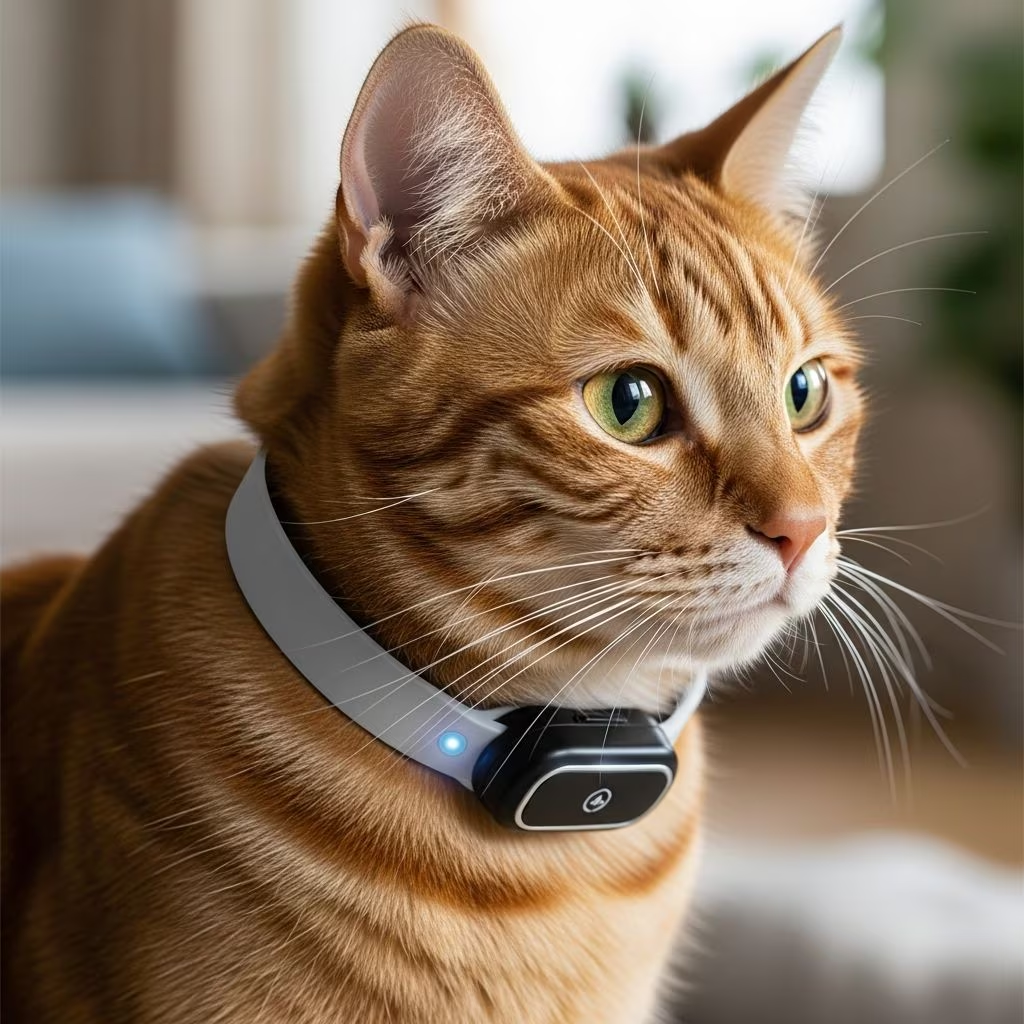
Ultrasonic flea collars claim to repel fleas and ticks using high-frequency sound waves without chemicals, appealing to pet owners seeking natural solutions. However, scientific evidence consistently demonstrates these devices lack effectiveness against parasites, prompting a closer examination of their mechanisms, study results, and viable alternatives.
How Ultrasonic Flea Collars Claim to Function
These collars emit sound waves typically between 20 kHz and 200 kHz, beyond human hearing but supposedly irritating to fleas, discouraging them from biting or infesting pets. Manufacturers assert the technology disrupts flea behavior, including jumping, feeding, and reproduction, providing a non-toxic barrier around the animal. Devices are powered by small batteries, often lasting months, and marketed as safe for continuous wear on dogs and cats of all ages.
Proponents highlight the absence of pesticides, positioning ultrasonic collars as ideal for households with children, pregnant pets, or chemical sensitivities. Yet, the directional nature of ultrasound limits its range, with obstacles like fur or the pet’s body potentially blocking waves, reducing coverage to mere inches from the collar.
Scientific Evidence Against Ultrasonic Effectiveness
Rigorous studies reveal no repellent impact from ultrasonic devices on fleas. In controlled experiments, fleas exposed to frequencies from 1 to 200 kHz displayed identical activity levels—jumping, walking, and running—as unexposed controls, even when sound intensity was amplified 6000 times. One trial fitted cats with ultrasonic collars after infesting them with 500 fleas; after 14 days, 480 fleas remained, showing negligible reduction.
Similar results extend to ticks and other pests. A comparative study of two ultrasonic flea collars on cats found neither reduced infestations significantly. Fleas were observed thriving within 1 cm of the emitting transponder, and pests like cockroaches nested inside devices, underscoring the technology’s failure to deter proximity. Regulatory actions, such as the New York Attorney General’s 2016 cease-and-desist letters to ultrasonic mosquito repellent sellers, reflect broader skepticism due to absent compelling evidence.
| Study Aspect | Ultrasonic Exposure | Control Group | Outcome |
|---|---|---|---|
| Flea Jumping/Activity | No change | Normal levels | No repellency |
| Cat Infestation (14 days) | 480/500 fleas remain | N/A | Minimal kill rate |
| Tick Reduction | No effect | Infestation increase | Ineffective |
Potential Risks to Pets from Ultrasonic Devices
While marketed as harmless, ultrasonic frequencies fall within dogs’ and cats’ hearing ranges (up to 65 kHz for dogs, 64 kHz for cats), potentially causing stress or behavioral changes. Cats, in particular, may perceive the sounds clearly, though neck positioning and fur shadows often muffle them. Prolonged exposure could lead to anxiety, reduced appetite, or avoidance behaviors, especially in sensitive animals.
Anecdotal reports of pet discomfort, including head shaking or collar removal attempts, align with these concerns. No long-term safety data exists, and unverified manufacturer claims overlook species-specific auditory sensitivities.
Why Anecdotes Conflict with Research
Pet owners frequently share success stories online, attributing flea clearance to ultrasonic collars. These testimonials often coincide with concurrent treatments like sprays or growth regulators, whose delayed effects (weeks for full population control) get miscredited to the collar. Placebo effects amplify perceptions, as owners monitor pets more closely during trials, noticing natural fluctuations in flea numbers.
Self-reported surveys, like one involving 100 dogs claiming 94% tick-free and 88% flea-free rates, rely on subjective owner assessments prone to bias, lacking controlled comparisons or precise counts. Scientific protocols, by contrast, use infested controls and quantitative metrics, exposing the gap between perception and reality.
Proven Alternatives: Chemical Flea Collars and Treatments
For reliable protection, opt for evidence-based options like Seresto collars, which combine imidacloprid (10%) and flumethrin (4.5%) for sustained release. A peer-reviewed study demonstrated 97-100% efficacy against Dermacentor reticulatus ticks over eight months, preventing Babesia canis transmission with 100% success in experimental models. Geometric mean live tick counts dropped drastically in treated dogs versus controls (3.1-8.7 ticks).
Seresto provides rapid killing (within hours) and long-term repellency, ideal for outdoor pets in high-risk areas. Other alternatives include oral preventatives (e.g., isoxazolines) and topical spot-ons, but collars offer passive, month-spanning coverage without monthly dosing.
- Seresto Advantages: 8-month duration, waterproof, kills/repels fleas, ticks, lice.
- Effectiveness: 100% babesiosis prevention; superior to ultrasonics.
- Safety: Veterinary-approved for puppies/kittens from 7 weeks.
Comparing Collar Types for Pet Protection
| Collar Type | Duration | Mechanism | Efficacy (Studies) | Pet Safety |
|---|---|---|---|---|
| Ultrasonic | 3-8 months | Sound waves | 0-5% reduction | Potential hearing stress |
| Chemical (e.g., Seresto) | 8 months | Insecticide release | 97-100% | Low risk; monitored |
| Natural/Essential Oils | 1-3 months | Plant extracts | Variable; lower than chemical | May irritate skin |
Traditional collars excel in rural or multi-pet homes needing robust defense against ticks carrying diseases like Lyme or babesiosis.
Integrated Flea Management Strategies
No single product suffices; combine collars with environmental controls. Vacuum daily, wash bedding weekly, and apply premise sprays targeting eggs/larvae, which comprise 95% of infestations. Yard treatments reduce outdoor reservoirs. Regular vet checks catch issues early, especially in flea hotspots.
- Assess pet lifestyle: Indoor vs. outdoor dictates intensity.
- Select vet-recommended products; avoid unproven gadgets.
- Monitor for reactions; rotate treatments seasonally.
- Educate on life cycles: Adults are 5%, focus on prevention.
Frequently Asked Questions (FAQs)
Are ultrasonic flea collars safe for puppies?
They pose no chemical risk but may cause auditory discomfort; efficacy is unproven, so choose tested alternatives.
Do ultrasonic collars work on ticks too?
No, studies show no reduction in tick numbers or attachment.
How long do effective flea collars last?
Premium chemical collars like Seresto provide 8 months of protection against fleas and ticks.
Can I use ultrasonic collars with other treatments?
Yes, but they add no benefit; prioritize proven methods to avoid false security.
What if my pet had fleas before the collar?
Expect no quick kill; combine with baths/combs for immediate relief.
Regulatory History and Consumer Warnings
Historical FTC scrutiny of electronic flea collars in the 1990s questioned exaggerated claims despite pet tests, emphasizing need for independent validation. Modern enforcement continues against unsubstantiated pest devices, urging consumers to demand peer-reviewed proof.
In summary, while ultrasonic collars allure with chemical-free promises, data confirms their ineffectiveness. Invest in scientifically validated tools safeguarding pet health year-round.
References
- Do ultrasonic flea repellers work? — FleaScience. Accessed 2026. https://fleascience.com/flea-encyclopedia/do-ultrasonic-flea-repellers-work/
- Ultrasonic Tick Repellants: Drug-Free Protection Or Opportunistic Profiteering — Worms & Germs Blog. 2025-06. https://www.wormsandgermsblog.com/2025/06/articles/animals/dogs/ultrasonic-tick-repellants-drug-free-protection-or-opportunistic-profiteering/
- A study on the long-term efficacy of Seresto® collars — PMC (NCBI). 2019-03-25. https://pmc.ncbi.nlm.nih.gov/articles/PMC6431040/
- Elexis Corporation, et al., FTC Decision — Federal Trade Commission. 1992. https://www.ftc.gov/sites/default/files/documents/commission_decision_volumes/volume-115/ftc_volume_decision_115_january_-_december_1992pages_118-178.pdf



