

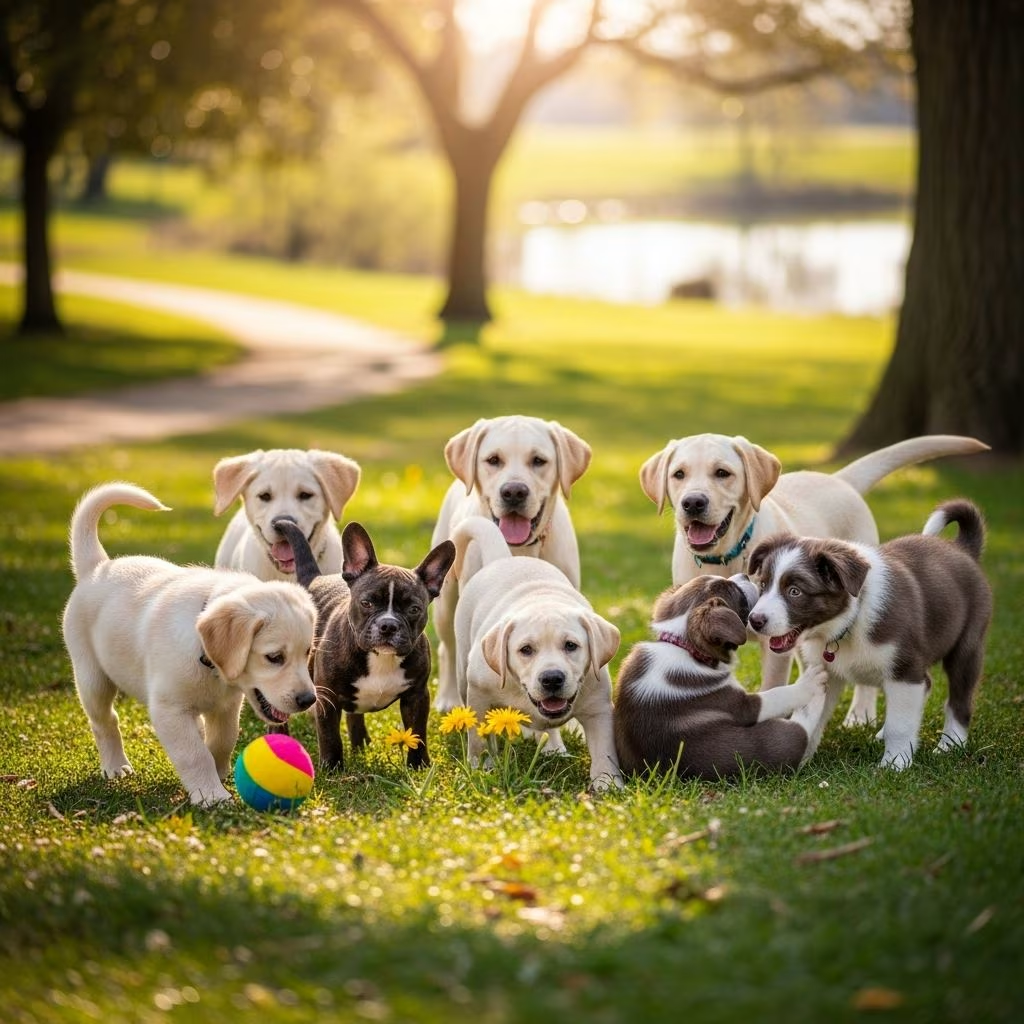
Puppy socialization forms the foundation of a dog’s lifelong behavior, shaping how they interact with the world from an early age. During the key developmental window, typically spanning 3 to 16 weeks, puppies absorb experiences that determine their confidence and adaptability as adults.
Understanding the Critical Socialization Window
The prime period for puppy socialization begins around 3 weeks of age and peaks until about 14 to 16 weeks, when young dogs are most receptive to new stimuli. This phase overlaps with rapid brain development, making positive encounters essential to wire neural pathways for resilience rather than fear. Missing this window increases the risk of behavioral issues like anxiety or aggression later in life, as puppies become more cautious after 4-6 months.
Breeders play a vital initial role by exposing litters to gentle handling and mild environmental variety before puppies leave the nest. New owners must then continue this momentum seamlessly, integrating socialization into daily routines without overwhelming the pup.
Core Principles of Effective Puppy Socialization
Successful socialization hinges on positivity, gradual progression, and consistency. Every introduction should pair novel stimuli with rewards like treats or praise to create joyful associations. Key principles include:
- Positive Reinforcement: Reward calm curiosity to link new things with pleasure.
- Puppy-Led Pace: Observe body language—tail wags signal readiness; ears back or freezing means pause and retreat.
- Frequent, Brief Exposures: Short daily sessions build confidence faster than infrequent marathons.
- Safety Protocols: Vaccinate appropriately and supervise all interactions to avoid disease or trauma.
These tenets ensure puppies view the world as safe and exciting, not threatening.
Socializing to Human Diversity
Exposing puppies to a broad spectrum of people prevents selective fears. Aim for encounters with individuals varying in age, size, ethnicity, attire, and mobility. Start at home by inviting calm visitors who offer high-value treats while sitting quietly, allowing the puppy to approach voluntarily.
Progress to public settings: carry small pups to pet-friendly stores or cafes, letting them observe from a secure perch. Include children (supervised), bearded men, hat-wearers, glasses-users, and those with canes or wheelchairs. Teach kids to extend hands palm-up for sniffing, avoiding direct stares or lunges.
| Human Type | Introduction Tips | Positive Reward Ideas |
|---|---|---|
| Children (ages 5-12) | Quiet games, sitting play; adult supervision | Tiny treats, gentle pets |
| Elderly Adults | Slow movements, seated greetings | Praise, soft toys |
| Uniformed People | Stationary first, then petting | High-value chews |
| Diverse Appearances | Varied clothing, accessories | Verbal cheers, play bows |
Family involvement amplifies this: assign each member unique ‘new experiences’ logs, turning socialization into a shared adventure.
Building Dog-to-Dog Connections
Canine interactions teach vital communication skills like play bows, turn-taking, and boundary respect. Arrange supervised playdates with vaccinated, puppy-friendly adults or littermates, starting one-on-one before groups.
Monitor for balanced play: puppies should pause, switch roles, and heed cut-off signals like lip licks or yawns. Well-socialized older dogs mentor effectively, but select tolerant partners—avoid reactive adults. Puppy classes offer structured settings with health protocols, combining play with basic cues.
- Ideal play partners: Gentle adults, similar-sized pups.
- Red flags: Stiffening, prolonged pinning, or yelping.
- Duration: 10-15 minutes, with breaks to prevent overstimulation.
Environmental Exposure Mastery
Diverse surroundings build adaptability. At home, improvise with texture walks (carpet to tile), sound playlists (vacuums to traffic), and obstacle mazes from boxes. Outdoors, visit parks, urban streets, and rural trails, carrying pups under 12 weeks to bypass parvo risks.
Introduce vehicles gradually: short, treat-filled car rides escalating to longer trips. Weather variety—rain, wind, slippery surfaces—prepares for real life.
Socialization Checklist Table (Weeks 8-16):
| Week | Environments | Sounds/Surfaces |
|---|---|---|
| 8-10 | Home rooms, yard | Doorbell, grass/tile |
| 10-12 | Quiet streets, stores | Traffic, gravel |
| 12-14 | Busy parks, events | Crowds, umbrellas |
| 14-16 | Trails, beaches | Thunder, sand |
Hands-On Handling for Vet-Ready Pups
Desensitize to touch early to ease grooming and medical care. Daily sessions mimic vet exams: ear lifts, paw squeezes, mouth opens, and full-body holds. Progress to nail trims and tooth brushes, always treating generously.
- Cradle in arms (upright, on back).
- Hug gently while praising.
- Pinch skin lightly between toes.
Make it a game: family members rotate roles, logging successes.
Overcoming Common Hurdles
Fear responses like cowering or barking demand patience—never force proximity, as it reinforces phobia. Dial back to prior comfort levels, using counter-conditioning: pair triggers with epic rewards from afar.
For late bloomers (post-16 weeks), intensify positives but expect slower gains. Consult professionals if aggression emerges.
Role of Puppy Classes and Pros
Enroll in vaccination-checked classes for off-site socialization plus training basics. Trainers guide play dynamics and owner skills, accelerating progress.
Long-Term Maintenance
Post-critical period, sustain exposures monthly to solidify gains. Novelty keeps confidence sharp into adulthood.[10]
Frequently Asked Questions
What if my puppy seems scared during introductions?
Step back, increase distance, and use treats to rebuild positive links. Progress only when relaxed.
Is it safe before full vaccinations?
Yes, via controlled spots like classes or carrying in low-risk areas. Consult your vet.
How many new things per day?
3-5 brief ones, prioritizing quality over quantity.
Can older puppies be socialized?
Absolutely, though it requires more repetition. Start small and positive.
What’s the best reward?
Puppy-specific high-value treats, tailored to preferences.
References
- Puppy Socialization Guide: People, Dogs & Environments — Darwin’s Pet. 2023. https://www.darwinspet.com/blogs/pet-behavior/puppy-socialization-guide-people-dogs-environments
- Complete Puppy Socialization Guide: Building Confidence from 8-16 Weeks — Wagbar. 2023. https://www.wagbar.com/complete-puppy-socialization-guide-building-confidence-from-8-16-weeks
- A Guide to Successful Puppy Socialization — IndeVets (Dr. Juliane Evans). 2023. https://indevets.com/blog/puppy-socialization-how-to-ensure-your-new-canine-companion-is-well-adjusted-and-confident/
- How to Socialize a Puppy — American Kennel Club. 2023-10-01. https://www.akc.org/expert-advice/training/puppy-socialization/
- The Complete Puppy Socialization Guide — Whole Dog Journal. 2023. https://www.whole-dog-journal.com/puppies/pre_puppy_prep/the-complete-puppy-socialization-guide/
- Socializing Your Puppy — ASPCApro. 2023-11. https://www.aspcapro.org/sites/default/files/2023-11/socializing-a-puppy.pdf
- Puppy Socialization Checklist — Louisiana SPCA. 2020-09. https://www.louisianaspca.org/wp-content/uploads/2020/09/Puppy-Socialization-Checklist.pdf



