

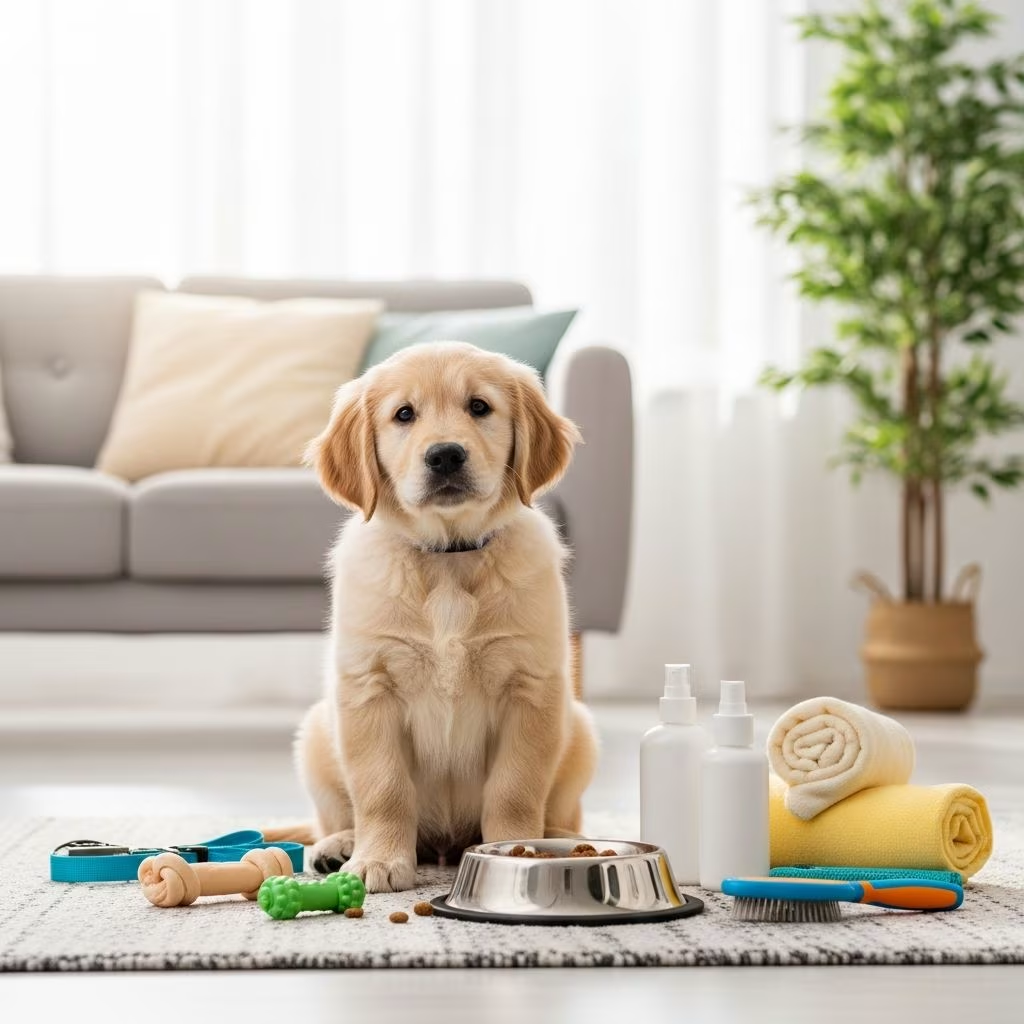
Welcoming a puppy into your home marks the start of an exciting journey filled with joy, learning, and responsibility. Proper care during the first year lays the foundation for a lifetime of companionship and good health. This guide provides detailed, actionable advice drawn from veterinary expertise to help you nurture your new furry friend effectively.
Preparing Your Home for a New Puppy
Before bringing your puppy home, create a safe and welcoming environment. Puppy-proofing involves securing hazardous items and setting up dedicated spaces for rest and play. Remove toxic plants, store chemicals securely, and tuck away small objects that could be swallowed. Designate a quiet area with a comfortable bed or crate lined with familiar scents, such as a blanket from the breeder, to ease the transition.
- Select durable chew toys sized appropriately for your puppy’s breed to prevent choking hazards.
- Install baby gates to restrict access to unsafe rooms.
- Prepare food and water bowls that are easy to clean and stable.
Essential supplies also include a collar, leash, and ID tags. Enroll in puppy insurance early to cover unexpected medical needs. Establishing these elements reduces stress for both you and your puppy.
Choosing the Right Nutrition Plan
Puppies require nutrient-dense food formulated for their rapid growth. Opt for high-quality puppy kibble or wet food rich in proteins, fats, and vitamins tailored to their breed size and age. Feed small, frequent meals—typically three to four times daily for young puppies—to support digestion and energy levels. Transition gradually if switching foods to avoid gastrointestinal upset.
| Puppy Age | Meals per Day | Portion Guidelines |
|---|---|---|
| 8-12 weeks | 4 | 1/4 to 1/2 cup per meal |
| 3-6 months | 3 | 1/2 to 1 cup per meal |
| 6-12 months | 2-3 | 1 to 2 cups per meal (adjust by breed) |
Avoid human foods and table scraps, as they can lead to obesity or nutritional imbalances. Always provide fresh water and monitor your puppy’s weight to adjust portions accordingly. Consult a vet for breed-specific recommendations.
Mastering Potty Training Basics
Potty training requires consistency, patience, and positive reinforcement. Take your puppy outside every 1-2 hours, after meals, play, and naps. Choose a specific outdoor spot and use a cue word like “go potty” to build association. Praise lavishly and offer treats immediately after success.
- Supervise indoors and use crate training to leverage puppies’ natural aversion to soiling their sleeping area.
- Clean accidents with enzymatic cleaners to eliminate odors that encourage repeat behavior.
- Expect setbacks; most puppies achieve reliability by 4-6 months.
Nighttime requires limiting water intake before bed and a final potty break. Gradually extend intervals as your puppy matures. Persistence pays off in a house-trained companion.
Building a Strong Health Foundation with Vet Care
Schedule your first veterinary visit within the first week home. Puppies need a series of core vaccinations against distemper, parvovirus, adenovirus, and rabies, typically starting at 6-8 weeks. Deworming, flea/tick preventives, and heartworm protection should begin early. Discuss spay/neuter timing, often around 6 months, to prevent health issues and unwanted litters.
- Establish a wellness exam schedule: every 3-4 weeks until 16 weeks, then every 6 months.
- Microchip for permanent identification.
- Monitor for signs of illness like lethargy, diarrhea, or loss of appetite.
Regular check-ups catch congenital issues like heart murmurs or patellar luxation early, ensuring proactive care.
Socialization and Basic Training Techniques
The socialization window from 3-14 weeks is critical for shaping a confident adult dog. Expose your puppy safely to new people, sounds, surfaces, and animals post-vaccinations. Enroll in puppy classes for structured play and obedience basics like sit, stay, and come.
Use positive reinforcement: treats, praise, and play for desired behaviors. Avoid punishment, which fosters fear. Teach bite inhibition by redirecting mouthing to toys and yelping dramatically to mimic littermate reactions.
- Practice short, daily sessions to build focus.
- Introduce alone time gradually to prevent separation anxiety.
- Leash training starts with indoor dragging, progressing to outdoor walks.
Grooming Routines for a Healthy Coat and Skin
Regular grooming prevents matting, detects health issues early, and acclimates puppies to handling. Brush weekly with a soft tool suited to coat type. Bathe every 2-4 weeks using dog-specific shampoo to maintain skin pH balance—human products can cause irritation.
Check ears weekly for wax or odor, clean gently with vet-approved solution. Trim nails every 3-4 weeks or when they click on floors. Introduce tooth brushing daily with enzymatic pet toothpaste for dental health.
| Grooming Task | Frequency | Tips |
|---|---|---|
| Brushing | Weekly | Use breed-appropriate tool; make it fun with treats. |
| Bathing | Every 2-4 weeks | Rinse thoroughly; dry completely to avoid chills. |
| Nail Trims | Every 3-4 weeks | Stop if puppy fusses; seek pro help if needed. |
Exercise, Play, and Mental Stimulation
Puppies need age-appropriate activity to burn energy and develop muscles without over-stressing growing joints. Short walks (5-15 minutes) multiple times daily, plus indoor play. Provide puzzle toys, fetch, and training games for mental engagement.
- Sleep needs: 18-20 hours daily for growth.
- Avoid high-impact activities until 12-18 months for large breeds.
- Rotate toys to maintain interest.
A consistent daily routine—meals, potty, play, naps—builds security and good habits.
Addressing Common Puppy Challenges
Chewing stems from teething (3-6 months); offer frozen carrots or vet-approved chews. Whining in the crate improves with a covered, quiet setup and ignoring attention-seeking cries. Separation anxiety eases with desensitization: start with brief absences, increasing duration.
For barking or jumping, reward calm behavior. If issues persist, consult a professional trainer. Patience and consistency resolve most behaviors.
Long-Term Care Milestones in Year One
By 6 months, transition to twice-daily meals and longer walks. Monitor growth charts and dental development. At 12 months, switch to adult food gradually, continuing annual vet visits. Neutering/spaying supports population control and behavior management.
Track milestones: full vaccination series complete, basic commands mastered, reliable potty habits established.
Frequently Asked Questions (FAQs)
How often should I feed my puppy?
Young puppies need 3-4 meals daily, reducing to 2 by 6 months. Follow package guidelines adjusted for weight.
When can I start walking my puppy outside?
After initial vaccinations, around 10-12 weeks. Keep walks short initially.
Is crate training cruel?
No, when done properly, it’s a safe den-like space that aids house training and prevents destructive behavior.
What if my puppy has an accident indoors?
Clean thoroughly, don’t punish, and increase supervision/outings.
How do I choose a vet?
Look for board-certified professionals with good reviews, emergency access, and puppy wellness programs.
References
- Puppy Care 101: Vet-Approved Guide for the First Year — MedVet. 2023. https://www.medvet.com/puppy-care-vet-approved-guide/
- Caring For Your Puppy – 6 weeks to 12 months — RSPCA. 2024. https://www.rspca.org.uk/adviceandwelfare/pets/dogs/health/puppycare
- Complete Guide to First Year Puppy Care — Advanced Care Animal Clinic. 2022-07-23. https://www.advancedcareanimalclinic.com/site/blog/2022/07/23/first-year-puppy-care
- Puppy & Kitten Care Tips Every New Pet Owner Should Know — Ark Veterinary Hospital. 2024. https://www.arkvh.com/essential-puppy-and-kitten-care-tips-every-new-pet-owner-should-know/
- PUPPY CARE GUIDE — Royal Canin. 2023. https://my.royalcanin.com/UserFiles/Digital%20Assets/Start-of-Life/SOL%2023/SOL%20-%20Puppy%20Care%20Guide.pdf



