

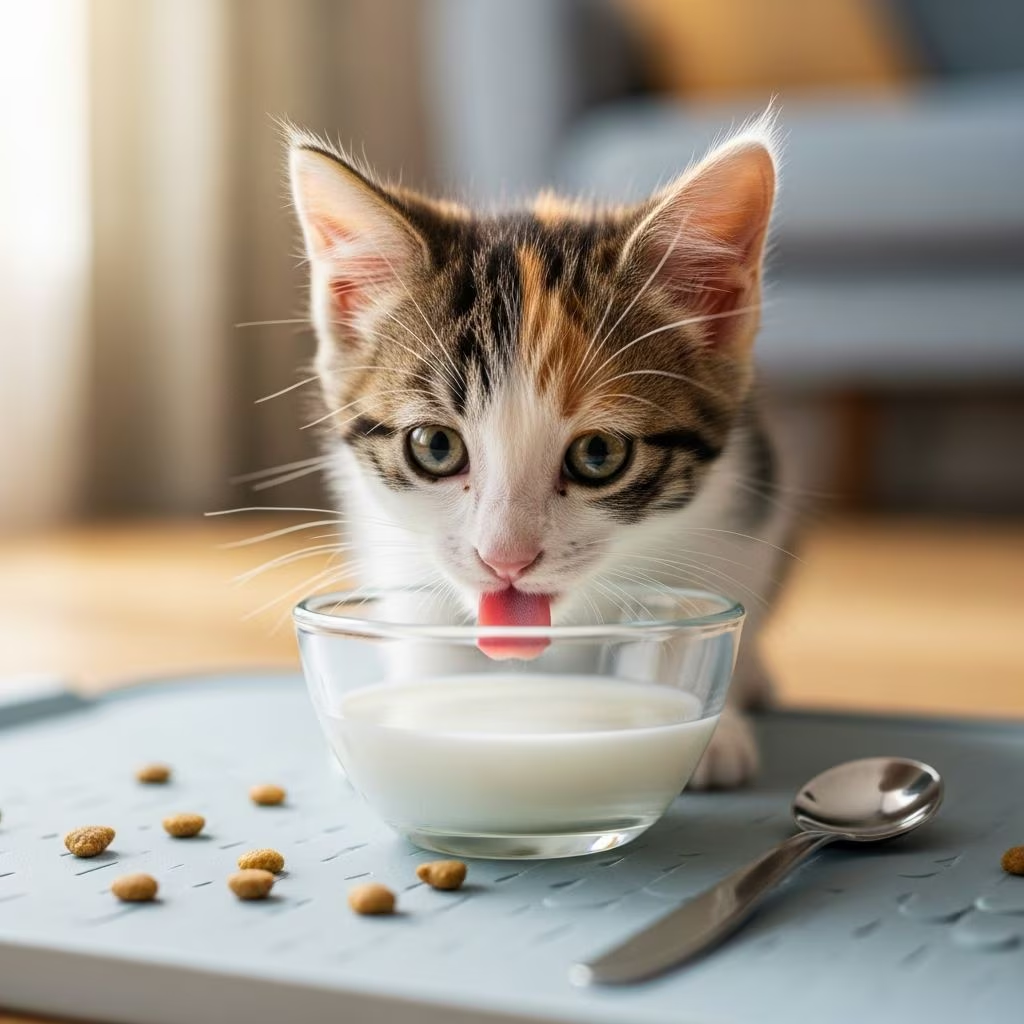
Bringing a new kitten home means committing to their nutritional needs for rapid growth and long-term health. Kittens require diets rich in proteins, fats, and specific nutrients to support their developing bodies, unlike adult cats. This guide covers everything from weaning to feeding schedules, food types, and portion control to help your kitten flourish.
Understanding Kitten Nutritional Needs
Kittens experience explosive growth in their first year, demanding up to three times the calories per pound of body weight compared to adults. High-quality animal-based proteins form the foundation, building muscles and bolstering immunity. Fats provide concentrated energy and essential fatty acids like DHA and EPA for brain and vision development. Vitamins such as A, D, E, and C, along with minerals and amino acids like taurine, ensure complete balance.
Commercial kitten formulas are designed to meet these demands, offering digestible nutrients tailored to small stomachs. Avoid cow’s milk, as most kittens are lactose intolerant; opt for kitten milk replacers if needed during early stages.
The Weaning Process: From Milk to Solids
Weaning typically begins around 4-5 weeks, when kittens show interest in solid food. Start by mixing kitten milk replacer with wet pate-style food to create a gruel. Gradually reduce the liquid over 1-2 weeks until they’re eating pure solids by 7-8 weeks. Mothers naturally encourage this by spending less time nursing.
- Week 5: Offer softened dry food or wet pate 4-5 times daily alongside nursing.
- Week 6: Increase solid portions, reduce formula.
- Week 8: Full transition to kitten kibble and wet food.
Monitor for acceptance; picky eaters may need warmed food or meat-based baby food as a temporary supplement.
How Much to Feed: Calorie and Portion Guide
Caloric needs vary by age, weight, and activity. A general benchmark: 150-250 calories daily for young kittens, scaling up to 500+ by 11 months. Always check food labels for specific guidelines, as calorie density differs (e.g., some dry foods have 400-500 kcal/cup).
| Age (Months) | Avg. Weight (lbs) | Daily Calories | Meals per Day |
|---|---|---|---|
| 2 | 2 | 150 | 3-4 |
| 3 | 3 | 200 | 3 |
| 4 | 4.5 | 300 | 3 |
| 5 | 5.5 | 340 | 2-3 |
| 6 | 6.5 | 400 | 2 |
| 9 | 8 | 460 | 2 |
| 11 | 10 | 540 | 2 |
Adjust based on your kitten’s body condition: ribs should be felt without excess fat. Weigh weekly and consult a vet for personalized plans.
Feeding Frequency: Schedules for Success
Young kittens thrive on frequent small meals due to tiny stomachs. Under 4 months, provide 3-4 meals daily; transition to twice daily by 6 months. Free-feeding suits grazers, but measured portions prevent obesity.
Sample schedule for 8-week-old kitten:
- 7 AM: 2 tbsp wet food
- 11 AM: 1-2 tbsp wet + softened kibble
- 3 PM: 2 tbsp wet food
- 7 PM: 1-2 tbsp wet + kibble
- 10 PM: 2 tbsp wet food
Always supply fresh water. Observe appetite; some prefer one large meal, others nibble throughout.
Wet Food vs. Dry Food: Pros, Cons, and Combinations
Both forms have roles in kitten diets. Wet food excels in hydration (70-80% moisture), palatability, and mixing supplements. Dry kibble offers convenience, dental benefits, and crunch for teething.
| Food Type | Benefits | Drawbacks |
|---|---|---|
| Wet | High moisture, easy digestion, appealing aroma | Costlier, spoils faster |
| Dry | Affordable, dental scraping, always available | Lower moisture, higher carbs possible |
| Mixed | Balances hydration and convenience | Requires monitoring portions |
A mix often works best: wet for main meals, dry for grazing. Introduce dry after wet adaptation, softened initially.
Essential Ingredients in Top Kitten Foods
Seek labels listing meat as first ingredients, with 40-50% protein (dry matter basis). Key additions:
- DHA/EPA: From fish oil for cognitive health.
- Prebiotics/Probiotics: Digestive support.
- Taurine: Heart and eye function.
- Antioxidants (Vit E/C): Immunity.
Avoid high-carb fillers; grain-free isn’t always superior if legumes replace grains.
Transitioning Diets and Troubleshooting
Change foods gradually over 7-10 days to avoid tummy upset: 25% new food day 1-2, up to 100%. Signs of issues: diarrhea, vomiting—revert and see vet. Overfeeding leads to pudgy kittens; underfeeding stunts growth.
For special needs (e.g., sensitive stomachs), choose highly digestible formulas with novel proteins.
From Kitten to Adult: When to Switch
Around 12 months, shift to adult food, especially for large breeds by 15 months. Taper kitten food over 7 days to maintain gut health. Spayed/neutered kittens may need calorie reduction post-surgery to combat obesity risk.
FAQs
What if my kitten won’t eat solids?
Warm food slightly, add kitten formula temporarily, or try pate textures. Consult vet if persists beyond a day.
Can kittens have cow’s milk?
No—causes diarrhea due to lactose intolerance. Use kitten milk replacer only.
How do I know if my kitten is overweight?
Feel ribs easily (no fat cover), visible waist, tummy tuck-up. Adjust portions accordingly.
Is free-feeding okay?
For dry food in active kittens, yes—but measure daily total to avoid excess.
When to see a vet about feeding?
Weight loss/gain extremes, appetite changes, or digestive issues.
Proper nutrition sets the stage for a vibrant cat life. Partner with your vet for tailored advice and regular check-ups.
References
- Feeding Kittens 101: What to Feed, How Much, and How Often — PetMD. 2023. https://www.petmd.com/cat/nutrition/feeding-kittens-101-what-feed-how-much-and-how-often
- Kitten Nutrition: How Much to Feed Your Kitten & More — Nulo. 2024. https://nulo.com/blogs/tips/kitten-nutrition-how-much-to-feed-your-kitten-more
- Kittens 5 Weeks and Older: A Complete Feeding & Care Guide — Humane Society of Charlotte. 2023. https://humanesocietyofcharlotte.org/services/community-cats-services/findingkittens/caring-for-kittens-5-weeks-and-older/
- Feeding Your Cat — Cornell University College of Veterinary Medicine. 2025-02-01. https://www.vet.cornell.edu/departments-centers-and-institutes/cornell-feline-health-center/health-information/feline-health-topics/feeding-your-cat
- Kitten Feeding Guide: How Much to Feed a Kitten — SHEBA. 2024. https://www.sheba.com/lifestyle/how-much-to-feed-a-kitten
- Kitten Nutrition — UK Pet Food. 2023. https://www.ukpetfood.org/pet-care-advice/cat-health-nutrition-advice/feeding-guides-for-cats-kittens/kitten-nutrition-created-as-a-page.html



