

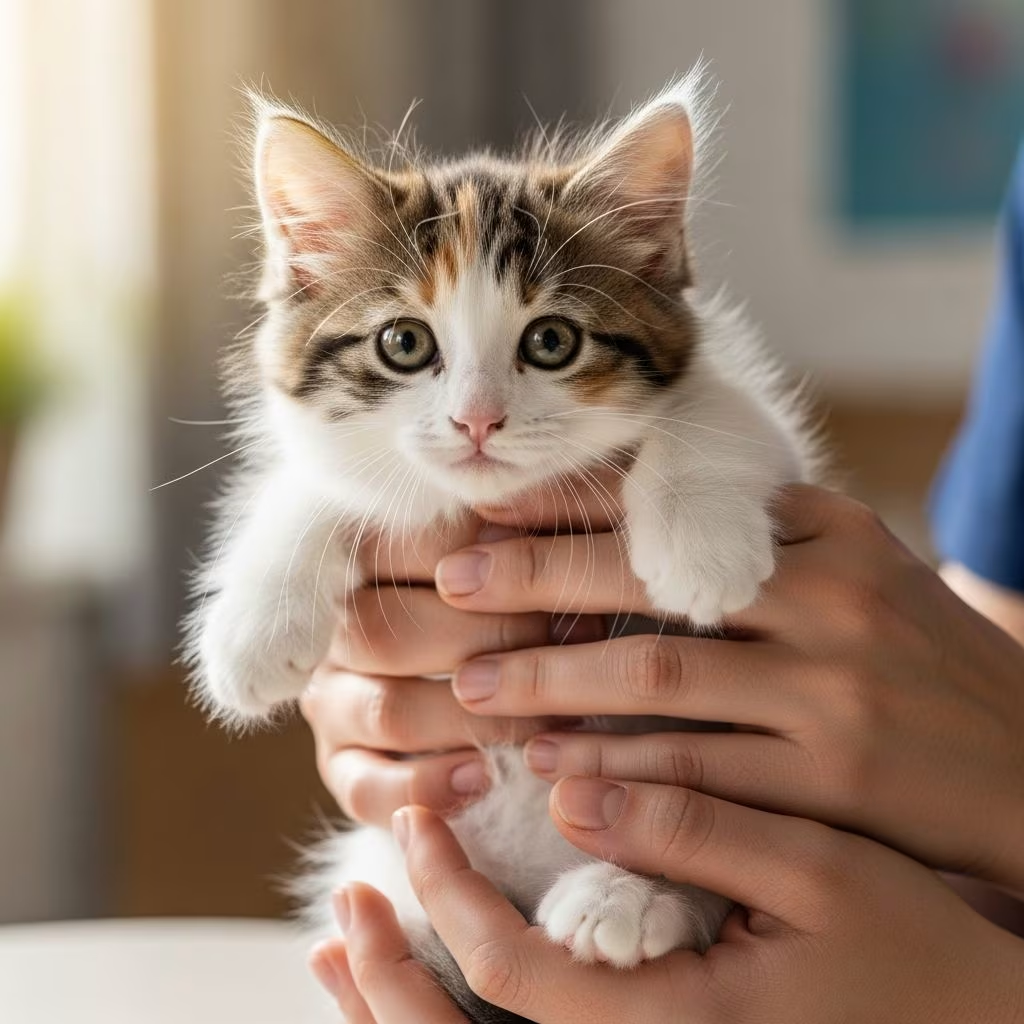
Bringing a kitten into your home marks the start of a rewarding journey filled with playfulness and companionship. These tiny felines demand attentive care during their rapid growth phase to develop into healthy adults. This guide draws from veterinary and animal welfare expertise to outline every step, from initial setup to ongoing maintenance, helping you foster a thriving environment.
Preparing Your Home for a Kitten Arrival
Before your kitten steps paw into your space, transform it into a secure haven. Kittens explore with boundless curiosity, often leading to potential dangers if precautions aren’t taken. Start by surveying each room for hazards like loose wires, toxic plants, or small objects that could be swallowed.
- Secure electrical cords with covers or tape to prevent chewing injuries.
- Remove or elevate houseplants, as many such as lilies and philodendrons pose toxicity risks to cats.
- Seal gaps under doors and block access to tight spaces where a kitten might hide or get stuck.
- Keep human foods, chemicals, and medications in locked cabinets.
Designate a quiet ‘kitten zone’ with essentials: a soft bed, fresh water bowl, food dish, and litter tray. This area provides comfort during the adjustment period. Introduce familiar scents by borrowing a blanket from the breeder or shelter. Essential gear includes scratching posts, interactive toys, and climbing trees to satisfy natural instincts.
Nutrition Essentials for Growing Kittens
Kittens require nutrient-dense diets tailored to their developmental needs, far exceeding those of adult cats in protein, fat, and calorie content. From weaning around four to eight weeks, opt for high-quality kitten-specific formulas that support bone growth, muscle development, and immune function.
Feed small, frequent meals—four to six times daily for young kittens—to match their small stomachs and high energy demands. Gradually transition to three meals by six months. Always provide constant access to fresh water, using fountains to encourage hydration.
| Age Range | Daily Meals | Key Nutrients | Portion Guidelines |
|---|---|---|---|
| 6-12 weeks | 4-6 | High protein (30%+), DHA for brain | 1/4 to 1/2 cup dry + wet mix |
| 3-6 months | 3-4 | Calcium for bones, taurine | 1/2 to 3/4 cup total |
| 6-12 months | 2-3 | Balanced for growth completion | 3/4 to 1 cup, adjust by weight |
Avoid overfeeding to prevent obesity; follow package guidelines and monitor body condition. Wet food aids hydration, while dry kibble supports dental health. Consult a vet for breed-specific or health-adjusted plans.
Establishing Litter Box Habits Early
Litter training typically begins with the mother cat, but new owners must reinforce it promptly. Choose unscented, clumping litter in a low-sided box for easy access. Position it in a private, consistent location away from food and noise.
Place the kitten in the box after meals, naps, and play sessions. If accidents occur, clean with enzymatic cleaners to eliminate odors that attract repeat incidents. Praise successes with treats to build positive associations.
- Scoop daily and fully change litter weekly.
- Provide one box per kitten plus one extra in multi-cat homes.
- Monitor for signs of distress like straining, indicating medical issues.
Patience is key—most kittens master this within days, but persistence ensures lifelong habits.
Veterinary Health Roadmap for the First Year
Proactive veterinary care safeguards against common kitten ailments. Schedule the first exam within 72 hours of arrival for a baseline health check, deworming, and fecal analysis.
Vaccinations form the cornerstone: core shots against feline distemper, herpesvirus, calicivirus, and rabies start at 6-8 weeks, with boosters every 3-4 weeks until 16 weeks. Discuss leukemia and Bordetella based on lifestyle.
Parasite prevention includes monthly flea, tick, heartworm, and intestinal worm treatments from eight weeks. Neutering or spaying at four months curbs behaviors and health risks. Dental checks begin early, with brushing introduced gradually.
- Initial visit: Wellness exam, vaccines, parasites.
- Follow-ups: Boosters at 12, 16 weeks; spay/neuter at 16-20 weeks.
- Ongoing: Annual exams post-first year.
Grooming Routines to Build Trust and Health
Regular grooming acclimates kittens to handling, reduces shedding, and detects issues early. Begin with short sessions using soft brushes suited to coat type—metal combs for longhairs, rubber for shorthairs.
Brush daily to remove loose fur, focusing on neck and ears prone to mats. Introduce nail trims by touching paws often, clipping one or two weekly. Ear cleaning with vet-approved solutions prevents buildup; never probe deeply.
Bathing is rare—only if soiled—using lukewarm water and kitten shampoo. Towel dry and use low-heat blow dryers if tolerated. These rituals strengthen bonds and maintain hygiene.
Socialization and Basic Training Techniques
The 2-7 week window is critical for socialization, but continued efforts up to four months shape temperament. Expose kittens gradually to household sounds, people, children, and pets to build confidence.
Use positive reinforcement: treats and play for desired actions like coming when called or using scratch posts. Redirect scratching or biting with toys. Establish routines for feeding, play, and sleep to provide security.
Daily interactive play—15-30 minutes twice daily—burns energy and teaches boundaries. Ignore unwanted behaviors; never punish physically, as it erodes trust.
Play, Enrichment, and Exercise Strategies
Kittens burn energy through pouncing and climbing, mimicking hunting. Supply varied toys: wand teasers, balls, tunnels, and puzzle feeders for mental stimulation.
Rotate items to maintain interest. Vertical spaces like cat trees fulfill climbing urges, sparing furniture. Supervised outdoor access via harness or enclosed patios comes later, after vaccinations.
Rest is vital—kittens sleep 18-20 hours daily. Quiet zones prevent overstimulation.
Recognizing and Addressing Common Health Concerns
Monitor for diarrhea, lethargy, sneezing, or appetite loss, seeking vet care promptly. Upper respiratory infections spread easily in young kittens; isolate if needed.
Eye discharge or limping warrants checks. Emergency signs: breathing distress, seizures, or trauma require immediate intervention.
Integrating Kittens with Existing Pets and Families
Slow introductions minimize stress. Keep the kitten separated initially, swapping scents via blankets. Supervised meetings follow, with positive rewards.
For dogs, ensure calm behavior; cats need equal attention to avoid jealousy. Children learn gentle handling through guided play.
Frequently Asked Questions
When should I start vaccinating my kitten?
Begin at 6-8 weeks with core vaccines, followed by boosters every 3-4 weeks until 16 weeks.
How often do kittens need to eat?
Four to six small meals daily up to three months, reducing gradually.
Can I bathe my kitten every week?
No, only as needed—most self-groom effectively; monthly max if dirty.
What if my kitten doesn’t use the litter box?
Check for cleanliness, location, or health issues; use positive reinforcement and enzymatic cleaners.
Is pet insurance necessary for kittens?
It covers accidents and illnesses, providing peace of mind during high-risk first year.
References
- How To Care For Your Kitten – RSPCA — RSPCA. 2023. https://www.rspca.org.uk/adviceandwelfare/pets/cats/kittens/kittencare
- Kitten Care 101: Vet Approved Guide for the First Year – MedVet — MedVet. 2023. https://www.medvet.com/kitten-care-101-vet-approved-guide/
- KITTEN CARE GUIDE – Royal Canin — Royal Canin. 2023. https://my.royalcanin.com/UserFiles/Digital%20Assets/Start-of-Life/SOL%2023/SOL%20-%20Kitten%20Care%20Guide.pdf



