

Understanding Pond Aeration
Pond aeration is a fundamental practice that adds essential oxygen to your water, creating a healthier environment for fish, aquatic plants, and the beneficial bacteria that sustain your ecosystem. Unlike pond filters that primarily remove unwanted substances from the water, aeration systems work by increasing dissolved oxygen levels throughout the water column. This oxygen becomes available for fish, plants, and the beneficial microorganisms that facilitate critical biological processes like the nitrogen cycle. Whether you’re managing a backyard koi pond or a larger recreational fishing pond, understanding how aeration works and why it matters is crucial to maintaining a balanced aquatic environment.
Key Benefits of Aerating a Pond
Aerating your pond offers multiple advantages that extend far beyond simply adding oxygen to the water. These benefits work together to create a healthier, more resilient pond ecosystem that can withstand seasonal stresses and support a thriving population of fish and plants.
Improves Dissolved Oxygen Levels
The primary benefit of pond aeration is increasing dissolved oxygen, which is vital for fish and aquatic plant survival. Oxygen supports the metabolic functions of all aerobic organisms in your pond, from fish to beneficial bacteria. During summer months, ponds face a delicate oxygen balancing act where photosynthesis produces oxygen during daylight hours, but after dark, oxygen levels can become critically depleted as all aerobic organisms continue to respire. Fish kills can occur when oxygen levels plummet before sunrise. An aeration system addresses this risk by maintaining consistent oxygen levels throughout the day and night, acting as a critical safeguard against catastrophic fish die-offs.
Encourages Release of Harmful Gases
Harmful gases often become trapped in pond sediment, creating anaerobic conditions at the bottom of the water column. Aeration actively releases these trapped gases, preventing the buildup of hydrogen sulfide and carbon dioxide that give ponds their characteristic rotten egg smell. By promoting water circulation and oxygenation, your aeration system ensures that decomposition processes remain aerobic rather than anaerobic, which produces these unpleasant odors.
Promotes Nutrient Conversion
One of the most effective ways pond aeration combats algae growth is by promoting the conversion of phosphorus into nutrients that algae cannot utilize. When oxygen levels increase throughout the pond, beneficial bacteria become more efficient at processing nutrients, reducing the phosphorus availability that fuels excessive algae blooms. This natural nutrient management reduces the need for chemical treatments and helps maintain clearer water.
Reduces Mosquito Activity
Moving water actively deters mosquitoes from laying eggs on your pond surface. Mosquitoes prefer still, stagnant water where larvae can develop without disturbance. The constant circulation created by aeration keeps your pond surface disturbed, making it an unsuitable breeding ground for these disease-carrying insects.
Eliminates Thermocline Stratification
The thermocline is the distinct temperature boundary between warm surface water and cold, oxygen-depleted bottom water. In summer, this stratification prevents mixing and leaves the deeper water completely devoid of oxygen. Aeration eliminates this stratification by continuously mixing water from the bottom to the surface, ensuring that cooler, oxygen-starved water reaches the surface where it can absorb oxygen, while warmer, oxygen-rich water distributes to the bottom to support beneficial bacteria.
Boosts Aesthetic Appeal and Water Clarity
Improved water quality directly translates to better aesthetics. With reduced algae, clearer water, and improved oxygen circulation, your pond becomes more visually appealing. Many aeration systems, particularly surface aerators and fountains, also provide attractive visual elements while performing their critical biological functions.
Types of Pond Aeration Systems
Different aeration systems work through distinct mechanisms to achieve oxygen enrichment. Understanding the differences helps you select the right system for your specific pond conditions and goals.
Surface Aeration Systems
Surface aerators agitate water at the top of your pond, increasing the contact area between water and air for maximum gas exchange. These systems create visible water disturbance and can serve dual purposes as decorative elements. High-oxygen-transfer surface aerators excel at moving large volumes of water, which dramatically improves oxygen levels throughout your pond. They can also function as deicers during winter, maintaining open water holes to prevent ice damage to docks and protect fish from becoming trapped beneath ice. Surface aerators are ideal when you want to combine aesthetic appeal with functional aeration.
Subsurface Diffused Aeration
Diffused aeration represents one of the most energy-efficient aeration methods available. These systems push air to the bottom of your pond through diffuser stations that break air into small bubbles. As bubbles rise to the surface, they create a lifting effect that circulates water from the depths upward. This gentle but continuous circulation disrupts the thermocline, vents harmful gases from the bottom, and oxygenates the entire water column. Diffused systems are particularly effective for deeper ponds and are quieter than surface aerators. They work especially well for year-round operation and long-term biological balance in koi and game fish ponds.
Fountain Aerators
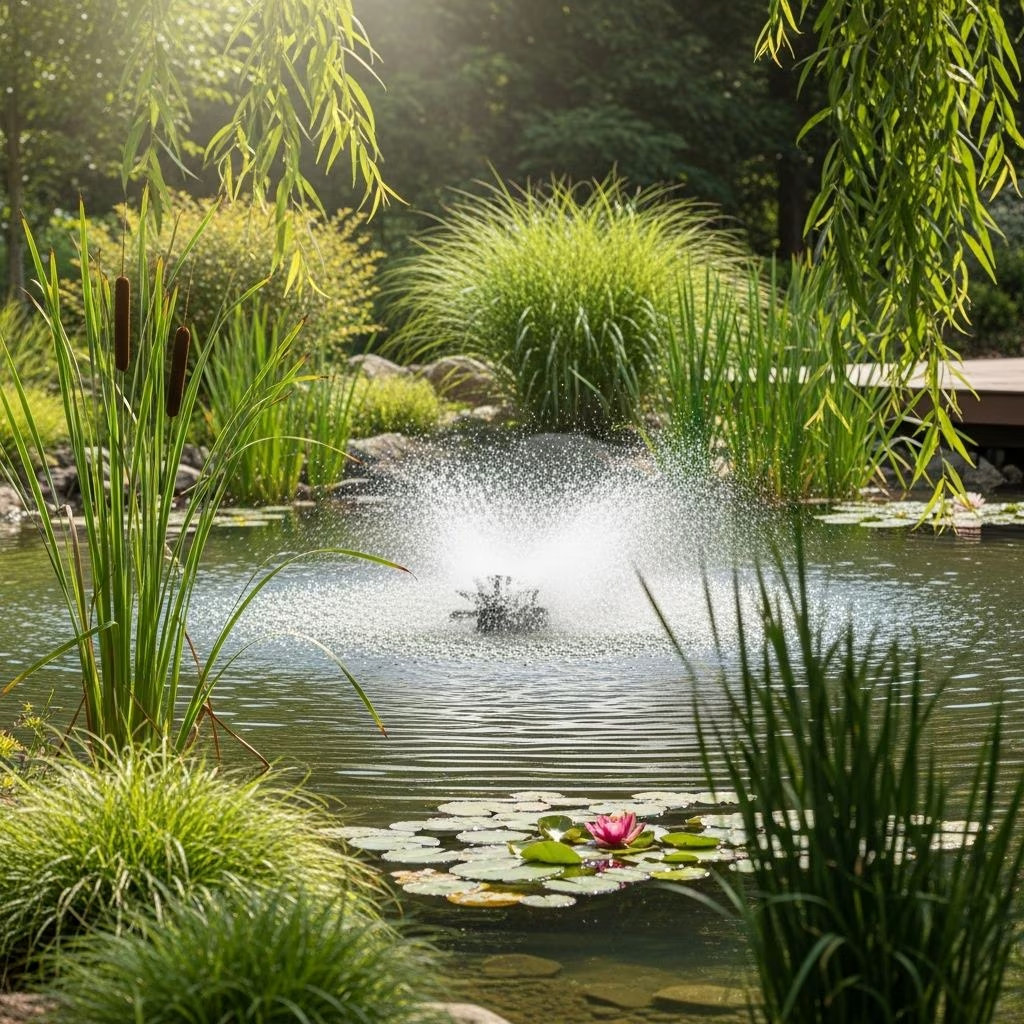
Fountain aerators combine aeration functionality with decorative appeal. These systems agitate surface water while creating attractive water displays, making them popular for residential ponds where aesthetics matter. They improve oxygen exchange at the surface and contribute to better water circulation and clarity.
Choosing the Right Aeration System for Your Pond
Selecting the appropriate aeration system depends on several factors specific to your pond conditions and management goals.
Consider Your Pond Depth
Deep ponds with significant stratification benefit most from bottom diffuser systems. When your pond has deep zones where fish congregate, a properly sized and placed diffuser system effectively mixes the water and eliminates oxygen-starved layers at the bottom. This gives fish access to the entire pond and prevents dangerous fall turnover events when stratified water rapidly mixes.
Assess Your Water Quality Issues
If your pond suffers from sludge buildup and poor visibility, a diffused system that continuously circulates water from bottom to top will accelerate the breakdown of organic matter through aerobic decomposition. For ponds where aesthetics and fountain displays are priorities, surface aerators provide better visual appeal while still delivering solid aeration benefits.
Account for Your Fish Population
A properly aerated pond can support twice the fish population that a non-aerated pond can hold. If you maintain koi, game fish, or other year-round stock requiring consistent oxygen and stable conditions, invest in a bottom diffuser system that provides quiet, efficient, long-term biological balance.
How Aeration Prevents Fish Kills
Fish kills represent one of the most devastating consequences of poor water quality and insufficient oxygen. Aeration serves as your primary defense against these catastrophic events. During summer, oxygen depletion happens suddenly when dissolved oxygen drops to zero before sunrise. Winter fish kills occur differently, typically when snow and ice block sunlight, photosynthesis stops, and oxygen continues to be consumed without replenishment. Strategic aeration placement, sometimes on a timer that activates at dusk when oxygen consumption accelerates and deactivates at dawn when photosynthesis resumes, provides oxygen exactly when it’s most critical.
Aeration and Beneficial Bacteria
Beneficial bacteria in your pond require oxygen to function efficiently. These aerobic bacteria break down organic matter, process nutrients through the nitrogen cycle, and maintain biological balance. When oxygen levels drop and conditions become anaerobic, these beneficial bacteria are replaced by anaerobic bacteria that are far less efficient. Anaerobic decomposition produces offensive-smelling gases and fails to process organic matter effectively, leading to muck accumulation. Aeration maintains oxygen levels that keep your pond functioning as a balanced aerobic system, enabling beneficial bacteria to thrive and perform their essential functions.
Seasonal Aeration Considerations
Aeration needs vary throughout the year. During summer months, aeration is critical for maintaining oxygen levels during the diurnal oxygen cycle. Summer aeration can run on timers, activating during nighttime hours when oxygen demand is highest and deactivating during day when photosynthesis replenishes oxygen. Spring and fall present unique challenges because stratified ponds experience rapid turnover events when temperature changes cause mixed layers to suddenly exchange. These turnover events deplete surface oxygen as it combines with bottom water, often causing fish kills. A properly designed aeration system that eliminates stratification prevents these dangerous turnover events entirely.
Installation and Maintenance Tips
Proper installation is essential for aeration system effectiveness. For diffused systems, position the diffuser at the bottom of your pond’s deepest area. For surface aerators, central placement typically provides optimal circulation. Most aeration systems require regular maintenance, including cleaning diffuser heads, checking air lines for damage, and monitoring water flow rates. During winter, maintain aeration to prevent complete ice formation and allow for gas exchange, protecting both fish and pond infrastructure.
Frequently Asked Questions About Pond Aeration
Q: How do I know if my pond needs aeration?
A: Signs that your pond needs aeration include fish gasping at the surface, foul odors, excessive algae growth, murky water, or visible muck accumulation at the bottom. If you’ve experienced fish kills or notice poor water clarity, aeration should be a priority.
Q: Can I use aeration alongside my pond filter?
A: Yes, aeration and filtration work together synergistically. Filters remove particles and debris, while aeration adds oxygen and improves circulation. Using both systems provides superior water quality compared to either system alone.
Q: What size aeration system do I need?
A: System sizing depends on your pond volume, depth, and fish population. Generally, you want an aeration system capable of turning over your entire pond volume multiple times per day. Consult with pond professionals to size your system appropriately.
Q: Is aeration necessary in winter?
A: Yes, winter aeration is beneficial because it maintains an open water hole that allows gas exchange and prevents toxic gas accumulation under ice. Winter aeration can operate at reduced capacity compared to summer operation.
Q: How much does pond aeration cost?
A: Aeration costs vary based on system type and pond size. While initial installation costs exist, the long-term benefits—including prevention of fish kills, reduced maintenance, and extended pond lifespan—typically make aeration a worthwhile investment for serious pond owners.
Q: Can aeration eliminate algae completely?
A: Aeration significantly reduces algae by converting phosphorus into unavailable forms and improving overall water quality, but it’s not a complete algae elimination solution. Combine aeration with proper nutrient management and regular maintenance for best results.
References
- Ultimate How-To Guide on Aerating a Pond for Healthier Fish — Chewy. 2025. https://www.chewy.com/education/fish/fish-pond/aerating-a-pond
- The Benefits of Pond Aeration — Oklahoma Department of Wildlife Conservation. 2025. https://www.wildlifedepartment.com/outdoorok/ooj/benefits-pond-aeration
- Aeration 101: How to Aerate a Pond, and the Benefits of Doing So — Webbs Online. 2025. https://webbsonline.com/Article/benefits-of-pond-aeration
- Lake and Pond Aeration Options — Jones Lake Management. 2025. https://joneslakemanagement.com/services/four-styles-aeration
- 5 Reasons to Aerate — The Pond Guy. 2025. https://www.thepondguy.com/learning-center/5-reasons-to-aerate/
- Pond Aeration Systems: Choosing the Right One for Your Water — Living Water Aeration. 2025. https://www.livingwateraeration.com/blogs/news/pond-aeration-systems



