Hamster Nutrition: Ultimate Guide For Healthy Diets
Master hamster nutrition with expert tips on balanced diets, safe treats, hydration, and feeding routines for optimal health and happiness.
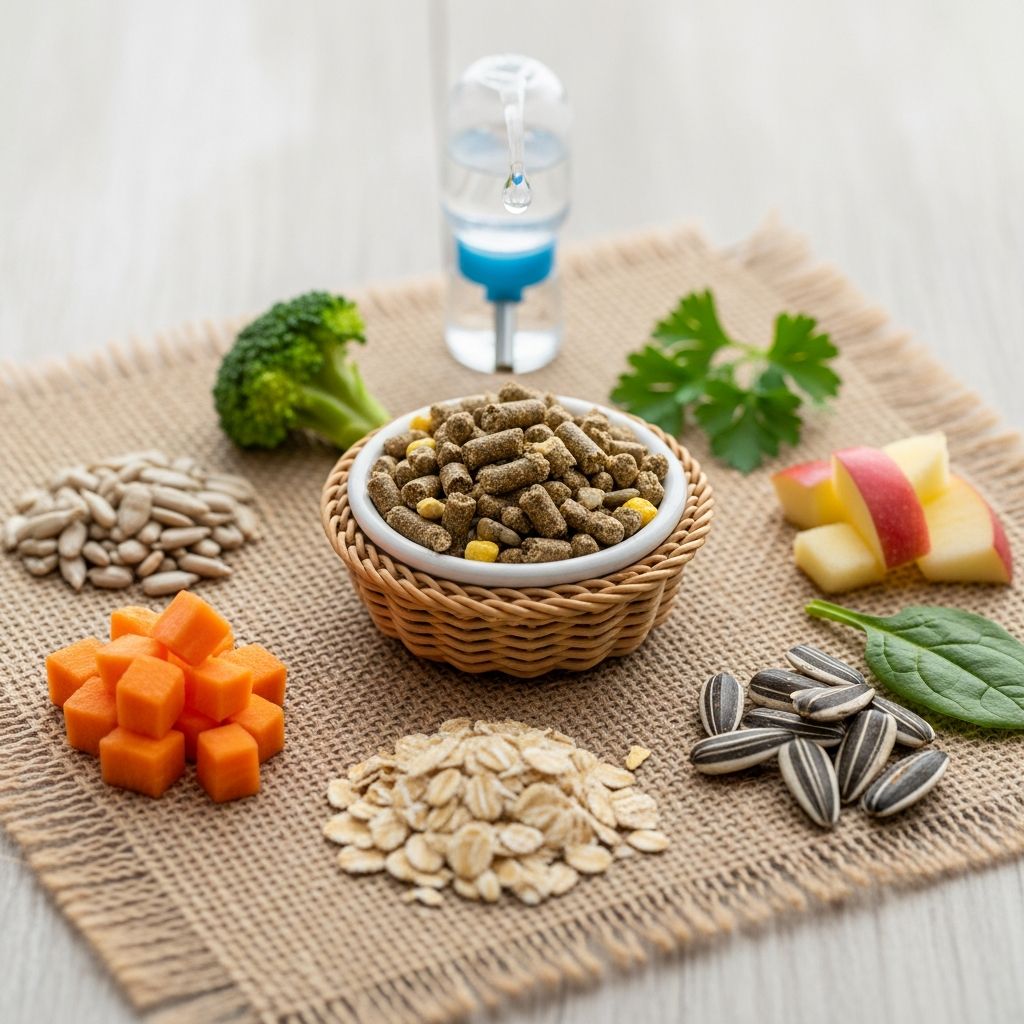
Proper nutrition forms the cornerstone of hamster health, influencing energy levels, coat quality, dental health, and longevity. Hamsters thrive on a balanced diet primarily composed of commercial pellets supplemented with fresh produce and limited treats. This guide draws from veterinary and welfare organization recommendations to outline feeding essentials, common mistakes, and tailored advice for different life stages.
Core Components of a Hamster Diet
Hamsters are omnivores requiring a mix of proteins, carbohydrates, fats, vitamins, and minerals. A staple diet of lab-blocked or pelleted food provides complete nutrition, preventing deficiencies common in seed-based mixes. These formulations mimic the nutritional profile of wild hamster foraging, ensuring steady nutrient intake.
- Commercial Pellets or Lab Blocks: Offer as the main food source, available ad libitum for adults. Choose varieties formulated specifically for hamsters, avoiding those for other rodents which may lack appropriate fiber or protein levels.
- Fresh Vegetables and Fruits: Introduce small portions daily to boost hydration and micronutrients. Safe options include broccoli, carrots, spinach, apples (seeds removed), and cucumbers.
- Protein Sources: Occasional insects like mealworms or boiled egg whites support muscle maintenance, especially for breeding females.
- Grains and Seeds: Limited amounts as treats; excessive seeds lead to obesity and selective feeding.
Daily portions vary by hamster size and type: Syrian hamsters need about 1-2 tablespoons of pellets, while dwarfs like Campbells or Roborovski require less to avoid diabetes risks.
Hydration Essentials for Hamsters
Fresh water is non-negotiable, preventing dehydration that manifests as lethargy or dry skin. Sipper bottles are preferable over bowls, as hamsters often bury or tip bowls.
| Water Source | Pros | Cons | Cleaning Frequency |
|---|---|---|---|
| Sipper Bottle | Prevents spills; easy to monitor intake | Can clog if not checked | Daily scrub + weekly deep clean |
| Bowl | Natural drinking style | Easily contaminated or buried | Daily change |
Inspect bottle nozzles daily for chew damage or leaks, which cause wet bedding and bacterial growth. Provide multiple sources during deep cleans. In hot weather, supplement with water-rich veggies like cucumber.
Safe Treats and Dental Health
Treats should comprise no more than 10% of the diet to avoid nutritional imbalances. Hamsters’ continuously growing incisors necessitate gnawable items.
- Recommended Gnaw Toys: Fruit wood chews, untreated hardwood blocks, or small dog biscuits for dental wear.
- Occasional Proteins: Dried mealworms or crickets (1-2 per week) for variety.
- Veggie Treats: Kale or bell peppers in tiny pieces to encourage foraging.
- Avoid: Sugary fruits, chocolate, onions, dairy (beyond small egg portions), and citrus which upset digestion.
Coprophagy, or eating soft feces, is normal and recycles B-vitamins; discourage interference.
Species-Specific Nutritional Needs
Not all hamsters have identical requirements due to genetic predispositions.
| Hamster Type | Key Diet Notes | Portion Control | Health Risks |
|---|---|---|---|
| Syrian (Golden) | Standard pellets; moderate veggies | 1-2 tbsp pellets/day | Obesity if overfed |
| Dwarf (Roborovski, Campbell, Winter White) | Low-sugar pellets; minimal fruits | 1 tsp pellets/day | Diabetes from sugars |
Roborovski hamsters benefit from sand baths doubling as enrichment, aiding coat health alongside diet.
Feeding Routines and Portion Management
Hamsters are nocturnal hoarders, stuffing cheeks with food for later. Scatter feeding mimics natural foraging, reducing boredom.
- Provide pellets in the evening when active.
- Remove uneaten perishables within 4-6 hours.
- Monitor weight weekly; adjust if pouching excessively.
- For obese hamsters, measure pellets precisely and increase exercise.
Pregnant or lactating females need 20-30% more food, including protein boosts like cheese snippets. Weanlings transition to solid food at 3 weeks.
Common Nutritional Pitfalls and Fixes
Missteps like seed-heavy diets cause malnutrition, as hamsters pick favorites, ignoring balanced nutrition.
- Issue: Selective Feeding – Solution: Transition to lab blocks only.
- Issue: Obesity – Solution: Limit treats; ensure wheel access.
- Issue: Wet Tail (Diarrhea) – Solution: Bland diet temporarily; vet consult.
- Issue: Overgrown Teeth – Solution: Hard chews; check monthly.
Sudden diet changes provoke digestive upset; introduce novelties gradually over 7-10 days.
Integrating Nutrition with Overall Care
Diet synergizes with housing and activity. Deep bedding (4+ inches) for burrowing pairs with high-fiber foods for gut motility. Exercise wheels (12-inch diameter minimum for Syrians) burn calories from treats.
Grooming aids like sand baths enhance nutrition by removing oils, preventing skin issues from fatty diets. Spot-clean hoards daily to avoid mold.
FAQs on Hamster Nutrition
What is the best daily diet for a hamster?
A complete pellet or lab block diet fed ad libitum, with small veggie portions. Avoid free-feeding seeds.
Can hamsters eat fruits?
In moderation; small pieces of apple or pear 2-3 times weekly. Skip sugary or acidic types for dwarfs.
How much water does a hamster need?
10-20ml daily; ensure constant access via clean sipper.
Why does my hamster hoard food?
Instinctual; check nests daily for spoilage.
What treats promote dental health?
Wood chews and hard veggies; limit to gnawing needs.
Maintaining vigilant nutrition extends hamster lifespan to 2-3 years, fostering vibrant pets. Consult vets for personalized plans, especially with health issues.
References
- Hamster Care Sheet — PetMD. 2023. https://www.petmd.com/exotic/hamster-care-sheet
- Caring for Your Hamster – The Basics — PetVet Care Centers. 2023-03-30. https://www.petvetcarecenters.com/site/blog/2023/03/30/caring-for-your-hamster-the-basics
- Hamster Care Guide — BC SPCA. Accessed 2026. https://spca.bc.ca/wp-content/uploads/hamster-care-guide.pdf
- Hamster Care — Blue Cross. Accessed 2026. https://www.bluecross.org.uk/advice/hamster/hamster-care
- Keeping Hamsters As Pets — RSPCA. Accessed 2026. https://www.rspca.org.uk/adviceandwelfare/pets/rodents/hamsters
Similar Articles








Read full bio of Sneha Tete