

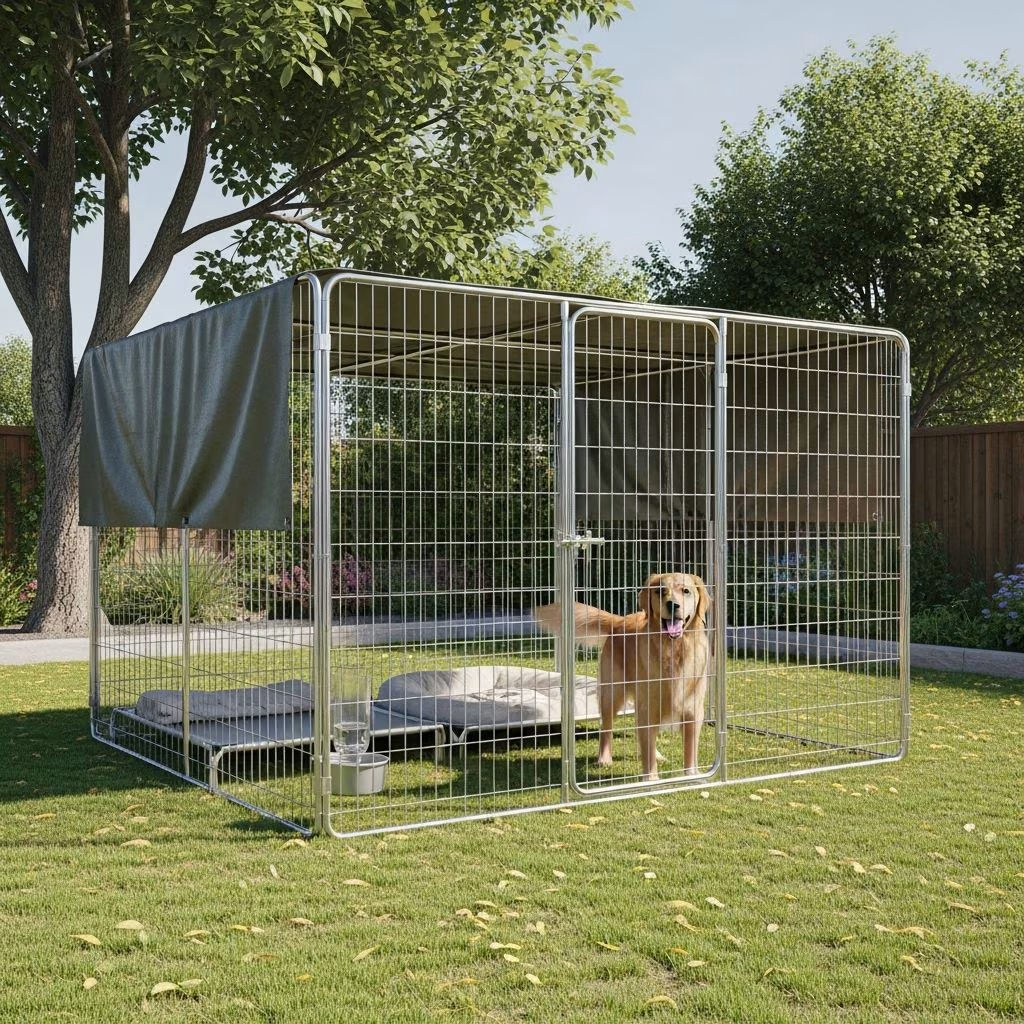
Outdoor dog kennels provide a secure space for pets to enjoy fresh air while owners manage busy schedules or travel. Properly designed enclosures prioritize safety, comfort, and durability, allowing dogs to thrive outdoors without risks from weather or escape attempts. This guide explores essential planning, construction, and maintenance strategies drawn from proven practices.
Assessing Your Needs Before Building
Begin by evaluating your dog’s breed, size, energy level, and daily routine. High-energy breeds like retrievers or shepherds require larger areas for movement, while smaller or older dogs need cozy, accessible spaces. Measure your backyard for optimal placement, favoring spots with natural shade, good drainage, and distance from high-traffic zones to minimize stress.
- Consider sunlight patterns: Avoid full afternoon sun to prevent overheating.
- Check local zoning laws: Some areas regulate kennel sizes or materials.
- Account for multiple dogs: Allocate extra space or partitions to reduce conflicts.
Sketch a layout including shelter, run area, and entry points. A minimum of 6×10 feet per large dog ensures room to stand, turn, and stretch fully.
Selecting Durable Materials for Longevity
Choose materials that withstand weather, chewing, and digging. Common options balance cost, strength, and ease of maintenance.
| Material | Pros | Cons | Best For |
|---|---|---|---|
| Chain Link or Welded Wire | Durable, budget-friendly, good visibility | Can rust if not galvanized; may heat up | Active dogs, temporary setups |
| Pressure-Treated Wood | Natural insulation, customizable | Requires sealing against rot | Permanent backyard structures |
| Galvanized Steel Panels | Heavy-duty, predator-resistant | Heavier, higher cost | Large breeds, rural areas |
| Concrete Flooring | Easy clean, hygienic | Hard on joints; needs mats | High-traffic runs |
Galvanized options resist corrosion, ideal for humid climates. For fencing, bury mesh 12-18 inches underground to deter diggers.
Essential Design Features for Safety
Safety starts with escape-proof construction. Use double gates, secure latches, and reinforced corners. Fencing height should exceed your dog’s jump reach by 2 feet, typically 6 feet for most breeds.
- Secure roofing: Metal or shingles protect from rain and predators.
- Skirting or aprons: Prevent burrowing under panels.
- Lockable doors: Essential for owner access without risk.
Incorporate visual barriers if neighboring pets cause agitation. Elevated structures on gravel or concrete pads improve drainage and hygiene.
Creating Comfortable Living Spaces
Comfort revolves around temperature control and accessibility. Include a sheltered house just large enough for the dog to curl up, retaining body heat efficiently. Add insulated walls, wind baffles, and flap doors for winter.
Flooring options enhance traction and cleanliness:
- Raised platforms with rubber mats for joint support.
- Pea gravel surrounds for natural drainage.
- Dirt or grass runs rotated to prevent wear.
Provide constant fresh water via heated bowls in cold months and shaded dispensers in summer. Toys and chew items reduce boredom.
Weatherproofing for Year-Round Use
All-season kennels adapt to extremes. In summer, prioritize shade cloths, misters, and ventilation to combat heat. Winter setups demand deep bedding like straw, windbreaks, and raised floors to block ground chill.
| Season | Key Protections |
|---|---|
| Summer | UV canopy, fans, frozen treats |
| Fall | Leaf clearance, draft seals |
| Winter | Insulation, tarps, heated pads |
| Spring | Flea prevention, mud control |
Ensure airflow prevents moisture buildup, which fosters bacteria or parasites.
Sizing Guidelines by Breed and Purpose
Tailor dimensions to your dog’s needs. Use nose-to-tail length plus 2-4 feet for runs, ensuring height allows standing without stooping.
- Small breeds (under 25 lbs): 4×8 ft minimum.
- Medium (25-50 lbs): 6×10 ft.
- Large (50+ lbs): 8×12 ft or larger, especially for hunters or working dogs.
For multi-dog households, add 50% more space or use dividers. Hunting dogs benefit from extended runs for exercise.
Installation and Site Preparation Tips
Prepare the site by leveling ground and installing drainage like French drains or sloped gravel bases. Anchor kennels securely against wind. For modular panels, connect with heavy-duty clamps for flexibility.
Professional installation ensures code compliance, but DIY saves costs with basic tools: post hole digger, level, concrete mix.
Daily Maintenance Routines
Regular upkeep prevents health issues. Clean daily, removing waste promptly. Weekly inspections check for wear, rust, or damage. Rotate bedding seasonally and disinfect monthly with pet-safe solutions.
- Monitor for signs of stress: Excessive barking or pacing indicates sizing or stimulation needs adjustment.
- Parasite control: Use vet-recommended preventives year-round.
Landscaping around the kennel with native plants adds privacy without toxicity risks.
Common Mistakes to Avoid
Overlooking drainage leads to mud and infections. Undersized kennels cause anxiety or injury. Skipping shade in hot climates risks heatstroke. Always prioritize quality over cost for fencing to avoid escapes or injuries.
Enhancing Enrichment and Mental Health
Kennels aren’t just containment; add puzzle feeders, scent games, and climbing structures. Rotate toys to maintain interest. Short, supervised play sessions outside the kennel build trust and prevent isolation.
Legal and Ethical Considerations
Comply with animal welfare laws requiring shelter, water, and exercise space. Some regions mandate minimum sizes like 10-foot runs. Ethical ownership limits kennel time to 8 hours daily, supplementing with interaction.
Frequently Asked Questions
What is the best flooring for an outdoor dog kennel?
Concrete with rubber mats offers durability and comfort, while gravel provides drainage for natural runs.
Can outdoor kennels be used in winter?
Yes, with insulation, wind protection, and bedding. Avoid if temperatures drop below 20°F without heating.
How do I stop my dog from digging out?
Install buried L-foot aprons or concrete curbs extending 18 inches outward.
Are wooden kennels safe for chewers?
Pressure-treated wood resists decay but reinforce with metal for heavy chewers.
What size kennel for two large dogs?
At least 10×16 ft with a divider, or separate enclosures to prevent fighting.
References
- Backyard Outdoor Dog Kennel Designs: A Comprehensive Guide — UAH Pet. 2023. https://www.uahpet.com/blogs/post/backyard-outdoor-dog-kennel-designs-a-comprehensive-guide
- Backyard Dog Kennel Setup Ideas for All Seasons – Fall & Winter Edition — Horizon Structures. 2023. https://www.horizonstructures.com/backyard-dog-kennel-setup-ideas-for-all-seasons-fall-winter-edition/
- Best Kennel Setup for Hunting Dogs on Your Ranch — Ranger Ridge. 2023. https://www.rangerridge.com/blog/best-kennel-setup-to-keep-hunting-dogs-safe-and-happy-on-your-ranch
- Dog Kennel Buildings: Custom Designs and Plans — Buildings Guide. 2023. https://www.buildingsguide.com/metal-building-kits/dog-kennels/
- The Complete Guide to Outdoor Dog Kennels for Large Dogs — Fisher Barns. 2023. https://fisherbarns.com/blog/outdoor-dog-kennels-for-large-dogs/
- 6 Types Of Outdoor Heavy-Duty Dog Kennels: Your Complete Guide — The Dog Kennel Collection. 2023. https://www.thedogkennelcollection.com/blog/heavy-duty-dog-kennels/
- Setting Up Outdoor Kennels: Best Practices for Safety and Comfort — CKC USA. 2025-09. https://ckcusa.com/blog/2025/september/setting-up-outdoor-kennels-best-practices-for-safety-and-comfort/



