

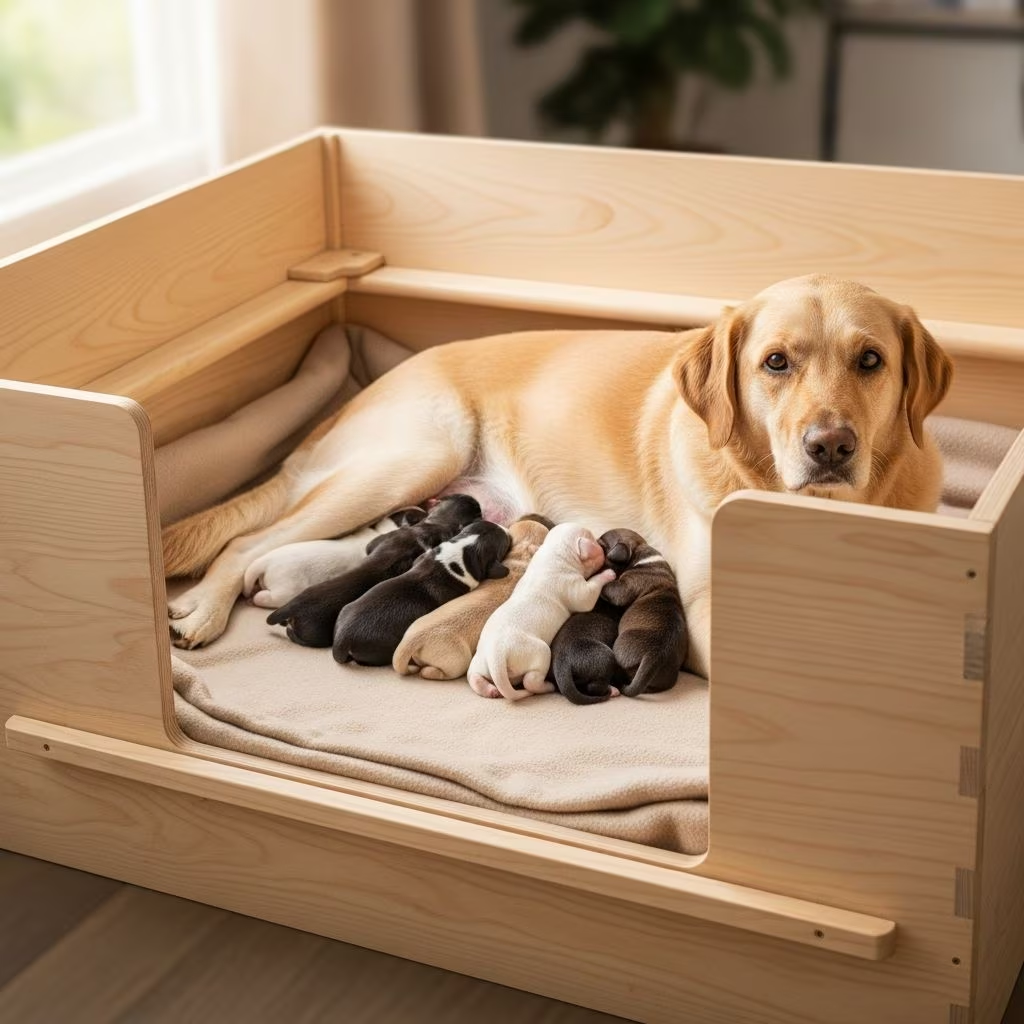
A whelping box creates a secure den-like space mimicking the natural habitat dogs seek for giving birth, helping reduce maternal stress and protect vulnerable newborns. These enclosures are indispensable for breeders and pet owners preparing for litter arrival, offering containment, warmth, and hygiene in one setup.
Why Every Expecting Dog Needs a Whelping Box
Instinctively, female dogs search for enclosed, quiet areas to deliver puppies, shielding them from threats and drafts. A purpose-built whelping box replicates this den, providing barriers that allow the mother to relax while containing her active litter. Without it, puppies risk wandering into dangers like stairs or cold floors, and mothers may become anxious in open spaces.
Key advantages include preventing escapes, maintaining optimal warmth since newborns cannot thermoregulate, and facilitating easy monitoring. Studies and breeder experiences highlight how such setups lower infection risks through better sanitation.
Core Advantages of Using a Dedicated Whelping Enclosure
Whelping boxes outperform improvised options like cardboard by prioritizing puppy welfare during their most fragile weeks.
- Enhanced Protection: High sides keep frisky newborns inside, averting injuries from falls or getting lost.
- Thermal Stability: Insulated designs paired with heat sources combat hypothermia, vital in cooler seasons.
- Maternal Comfort: Privacy minimizes anxiety, especially for first-time dams experiencing hormonal shifts.
- Crush Prevention: Built-in rails stop mothers from accidentally smothering pups when rolling over.
- Mobility: Collapsible models allow relocation and storage post-weaning.
These features collectively foster a low-stress environment, improving survival rates and bonding.
Essential Design Elements for Optimal Safety
Not all boxes are equal; prioritize these vetted components for reliability.
| Feature | Purpose | Implementation Tips |
|---|---|---|
| Solid, Draft-Free Walls | Retains heat, blocks wind | Use plastic or wood lined with waterproof material |
| Low Entry Threshold | Allows dam easy access | 8-12 inches high for most breeds |
| High Containment Sides | Prevents puppy escapes | 18-24 inches once mobile |
| Removable Pig Rails | Guards against crushing | Install inside perimeter, 4-6 inches from walls |
| Waterproof Flooring | Eases cleanup | Pair with absorbent whelping pads |
Advanced options integrate heat lamps or IP cameras for remote checks, enhancing oversight without intrusion.
DIY Whelping Box: Step-by-Step Construction Guide
Building your own saves costs while customizing to your dog’s size. Start with sturdy plywood for a rectangular frame, about 4 feet by 3 feet for medium breeds—scale up 25% per size jump (e.g., 5×4 for large).
- Gather Materials: Plywood sheets, screws, hinges, sandpaper, waterproof sealant, foam rails.
- Assemble Frame: Cut panels for base, sides, and front flap. Secure with screws; hinge the entry.
- Add Safety Rails: Glue or screw 4-inch foam tubes along inner lower walls.
- Seal and Line: Apply sealant, add non-slip bedding layer.
- Test Fit: Ensure dam enters comfortably; puppies can’t climb out.
Position in a dim, quiet room away from traffic. Cost: under $100 with basic tools. Avoid flimsy cardboard, which absorbs fluids and collapses.
Selecting Sizes for Different Dog Breeds
Match dimensions to dam’s comfort and litter growth. Puppies need space to sprawl without overcrowding.
- Toy Breeds (e.g., Chihuahua): 24×24 inches, 10-inch sides.
- Small (e.g., Beagle): 36×30 inches, 12-inch entry.
- Medium (e.g., Border Collie): 48×36 inches, 14-inch sides.
- Large (e.g., Labrador): 54×42 inches, 16-inch entry.
- Giant (e.g., Great Dane): 60×48 inches, adjustable rails.
Formula: Length = dam’s length x 2; Width = dam’s length x 1.5. Add height post-birth.
Preparing and Positioning the Perfect Spot
Introduce the box weeks before due date so the dam claims it. Layer with clean towels, then whelping pads for soak-up.
- Warm to 85-90°F first week, taper to 75°F by week three.
- Quiet corner, elevated slightly off cold floors.
- Near water but draft-free.
Monitor with a camera; stock a whelping kit nearby: towels, bulb syringe, iodine, scissors, heat source.
Daily Maintenance and Hygiene Protocols
Freshness prevents infections. Spot-clean messes immediately; full bedding change daily.
- Disinfect: Mild bleach solution (1:32) on surfaces; air dry.
- Bedding Rotation: Multiple sets ready; use disposable for heavy soiling.
- Laundry: Hot wash towels, dry fully to kill bacteria.
- Transition: Remove rails at 3 weeks; enlarge space at 4 weeks.
Nonporous plastics shine here, resisting germs unlike porous wood.
Common Mistakes to Avoid During Whelping Setup
Overlooking details can endanger the litter.
- Too small: Causes crushing, stress.
- No heat backup: Pups chill fast.
- High traffic area: Disturbs bonding.
- Forgetting rails: Smothering risk peaks early.
- Poor materials: Leads to sogginess, slips.
Vet consultation pre-whelping tailors setup to breed health quirks.
Transitioning Puppies Out of the Box
By 3-4 weeks, pups explore; lower or remove one side. At 6-8 weeks, move to larger playpen for socialization. Clean and store box for future use—its portability pays off.
Frequently Asked Questions
What if my dog rejects the whelping box?
Entice with her scent on bedding; use familiar blankets. If persistent, try a larger crate temporarily.
Can I use a crate instead?
Only if modified with rails and low entry; standard wire crates risk escapes.
How long do puppies stay in the box?
3-5 weeks typically, until mobile and thermoregulating.
What’s the best heat source?
Overhead lamps or under-bed pads; never direct contact to avoid burns.
Do I need a whelping kit?
Yes, for emergencies: includes cord clamps, temp gun, gloves.
References
- Everything You Need to Know About a Dog Whelping Box — K9 Reproduction. 2023. https://www.k9reproduction.com/single-post/everything-you-need-to-know-about-a-dog-whelping-box
- Whelping Box Benefits — Petnap. 2023. https://www.petnap.co.uk/whelping-box-benefits/
- Why Are Whelping Boxes So Important? — Animal Transit Boxes. 2023. https://www.animaltransitboxes.com/post/why-are-whelping-boxes-so-important
- The Benefits of Using a Whelping Kit as a Dog Breeder — My Breeder Supply. 2023. https://www.mybreedersupply.com/blogs/news/the-benefits-of-using-a-whelping-kit-as-a-dog-breeder
- Whelping Box for Dogs: What It Is & What Should Be in It — Dogster (Vet Verified). 2024. https://www.dogster.com/dog-health-care/whelping-box-for-dogs



