

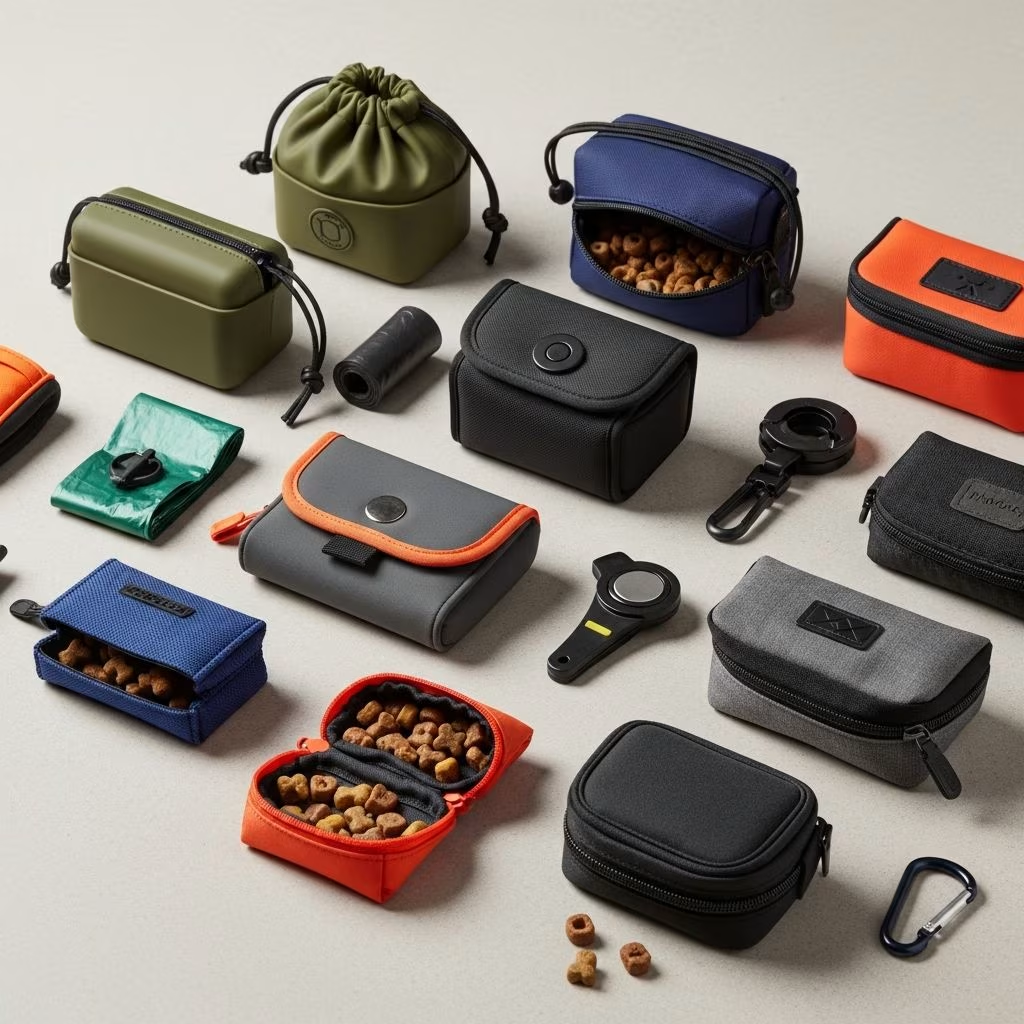
Dog treat pouches have become indispensable tools for pet owners and trainers seeking to streamline training routines. These compact, wearable accessories keep high-value rewards at your fingertips, enabling swift positive reinforcement without interrupting your flow. Whether you’re teaching basic commands or refining agility skills, a quality pouch enhances efficiency and strengthens the bond with your dog.
Why Every Dog Owner Needs a Treat Pouch
Investing in a treat pouch shifts training from chaotic to controlled. Traditional methods like pocket-stuffed treats lead to fumbling, dropped rewards, and delayed timing—issues that undermine learning. Pouches solve this by offering immediate access, ensuring rewards follow behaviors instantly, which is crucial for effective conditioning.
Key advantages include hands-free operation during walks or sessions, maintaining mobility while rewarding good choices. They also promote consistency, a cornerstone of training success, as dogs thrive on predictable reinforcement patterns.
- Boosted Engagement: Filled with favorites, pouches keep dogs motivated, especially for challenging tasks.
- Safety Edge: Quick treats distract reactive dogs from triggers, like oncoming pets, by scattering rewards on the ground.
- Multi-Dog Management: Separate compartments allow tailored treats for each pet, organizing group sessions.
Core Features That Make Treat Pouches Stand Out
Modern pouches go beyond basic storage, incorporating thoughtful designs for real-world use. Capacity typically ranges from 1-2 cups, accommodating multiple sessions or even a toy like a ball alongside kibble.
Access mechanisms vary: drawstrings for quick dips, magnetic snaps for secure closure, or rigid openings mimicking climber’s chalk bags for effortless retrieval. Silicone models snap shut to prevent spills during bends or runs, while fabric ones offer zip or drawstring seals.
| Feature | Description | Benefit |
|---|---|---|
| Main Compartment | 1-2 cup capacity, easy-open design | Holds ample treats/toys without frequent refills |
| Closure Types | Magnetic, drawstring, zip | Prevents spills, ensures freshness |
| Extra Pockets | Zip for cash/ID, slots for phone | Multi-tool storage for full outings |
| Attachments | Carabiner, belt loops | Secure on waists 26-42 inches |
Durability shines in weatherproof fabrics with reflective stitching for low-light visibility, ideal for evening walks. Many include bonuses like free poop bag rolls, addressing everyday needs.
Training Applications: From Basics to Advanced Skills
Pouches excel in diverse scenarios. For novices, they facilitate loose-leash walking: reward heel position instantly without stopping. In agility, freedom of movement lets you guide while treating precise jumps or weaves.
Reactive dog owners benefit immensely—preempt triggers with ground-scattered treats, redirecting focus. Multi-dog households organize rewards separately, preventing mix-ups. Even casual play incorporates pouches for fetch rewards, blending fun with learning.
Positive reinforcement thrives here: immediate treats build strong behavior associations. Consistency across sessions accelerates progress, turning sporadic obedience into reliable habits.
Material and Design Innovations
Choices abound in construction. Nylon and polyester dominate for toughness and water resistance, wiping clean post-muddy adventures. Silicone pouches prioritize washability, drying quickly without odor retention—perfect for treat-crumb accumulation.
Ergonomics matter: adjustable belts ensure comfort over long wears, with padded backs reducing bounce. Colors like black/orange or grey/lime aid visibility. Reflective elements enhance night safety, a must for urban trainers.
Versatility extends to compartments: poop bag dispensers, clicker clips, key carabiners, and phone slots turn pouches into all-in-one kits. Some feature VELCRO or magnetic fronts for tools, minimizing gear swaps.
How to Select the Right Pouch for Your Lifestyle
Match features to needs. High-energy dogs demand spill-proof magnetic closures and 2-cup capacities for extended sessions. Casual walkers prioritize lightweight designs with poop bag holders. Consider belt fit—most adjust 26-42 inches—and trial access speed.
- Assess Capacity: 1 cup for short walks, 2+ for all-day training.
- Test Openings: Ensure one-handed entry/exit without spills.
- Check Extras: Phone/zip pockets for errands, reflectives for dusk.
- Material Match: Silicone for easy clean, fabric for bulk storage.
- Read Reviews: Focus on comfort during motion, durability reports.
Budget options start basic; premium ones add innovations like waste dispensers. Freebies like bag rolls sweeten deals.
Maintenance and Longevity Tips
Prolong pouch life with simple care. Shake out crumbs daily; machine-wash fabric models on gentle cycles, air-dry silicone. Avoid dishwashers to preserve closures. Store empty in dry spots to prevent mold.
Rotate treats to maintain freshness—sealed designs help but aren’t airtight. Inspect straps/stitches monthly, especially post-rough use. With care, pouches last years, supporting countless sessions.
Real-World Scenarios and Success Stories
Imagine trail hikes: pouch treats distract from cyclists, keeping walks peaceful. Agility classes flow seamlessly with hip-mounted rewards. New adopters bond faster, using treats for trust-building.
Trainers report faster command mastery—sit/stay in weeks versus months—thanks to precise timing. Reactive pups transform, ignoring distractions amid treat showers. Pouches elevate everyday outings into training ops.
Comparing Popular Treat Pouch Models
| Model | Capacity | Key Features | Best For |
|---|---|---|---|
| Mighty Paw | 2 cups | Poop holder, carabiner, reflective, free bags | All-day training |
| Doggone Good | Large | Magnetic close, waste dispenser, zip back | Pro trainers |
| Silicone Slit | Medium | Snap shut, ultra-washable | Active lifestyles |
Frequently Asked Questions (FAQs)
What size treat pouch is best for small dogs?
1-cup suffices for most, focusing on tiny treats; prioritize quick access over bulk.
Can pouches hold wet food or toys?
Yes, 2-cup models fit balls or semi-moist rewards, though dry kibble is ideal for longevity.
Are treat pouches machine-washable?
Fabric yes on gentle; silicone hand-washes best, drying fast without residue.
How do pouches improve training timing?
One-handed access delivers rewards in seconds, cementing behavior links.
Do they work for multiple dogs?
Compartmentalized designs separate treats, enabling organized multi-pet sessions.
References
- Benefits & Features Of The Mighty Paw Dog Treat Pouch — Mighty Paw. Accessed 2026. https://mightypaw.com/blogs/news/benefits-features-of-the-mighty-paw-dog-treat-pouch
- 10 Reasons to use a Dog Treat Pouch — ACTIVEDOG Australia. Accessed 2026. https://activedog.com.au/blogs/news/10-reasons-to-use-a-dog-treat-pouch
- Dog Treat Pouches: An Overview & Comparison — Ray Allen Manufacturing. Accessed 2026. https://www.rayallen.com/blog/dog-treat-pouches-overview-comparison/
- All About Dog Treat Pouches — J&J Dog Supplies. Accessed 2026. https://www.jjdog.com/blog/all-about-dog-treat-pouches/
- Dog Training Treat Bags – This Is What I Use And Why — Dogsnet.com. Accessed 2026. https://dogsnet.com/dog-training-treat-bags/
- Reviewing My 5 Favorite Dog Training Treat Pouches — Leash and Learn NYC. Accessed 2026. https://leashandlearnnyc.com/treat-pouches-your-favorite-new-accessory/
- The Benefits of a Treat Pouch — Baypath Humane Society. Accessed 2026. https://baypathhumane.org/the-benefits-of-a-treat-pouch/



