

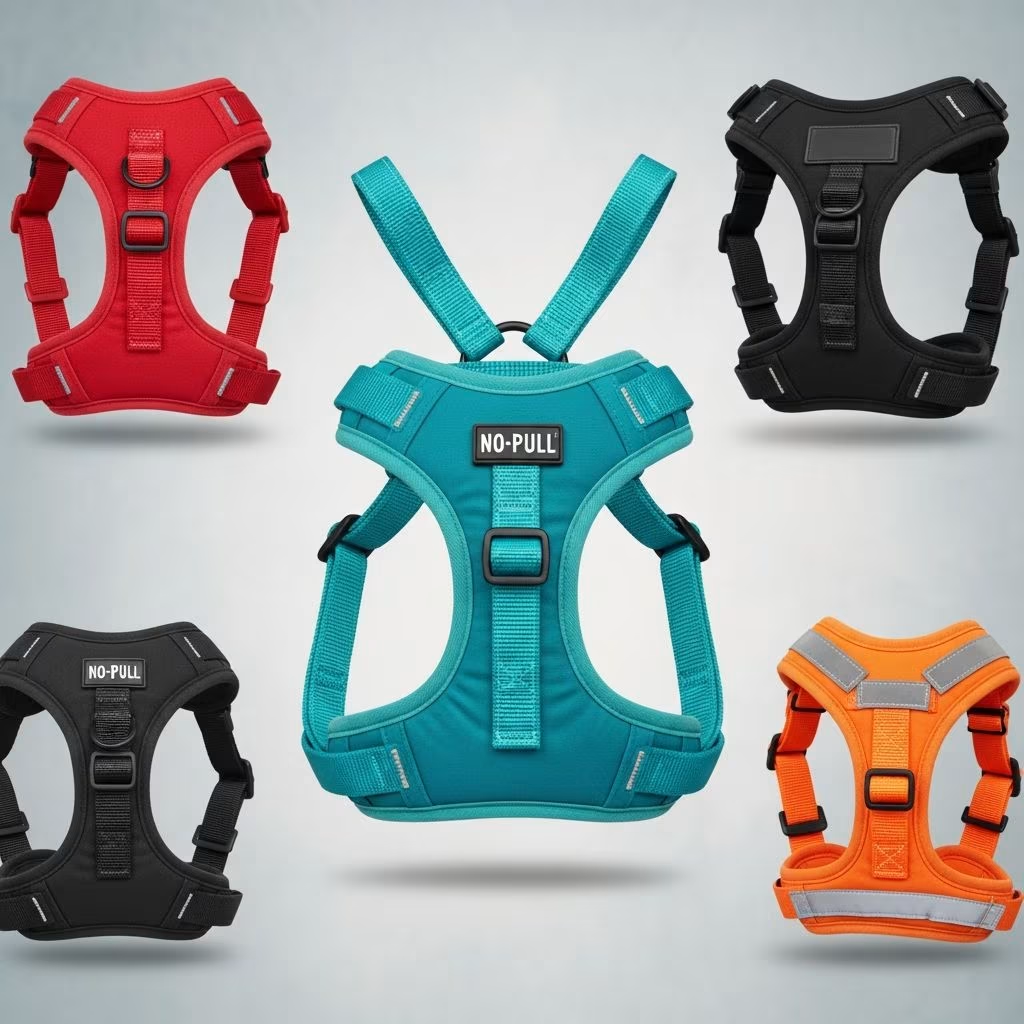
Selecting the right dog harness is essential for ensuring your pet’s safety, comfort, and effective training during walks and activities. Unlike collars, harnesses distribute pressure across the body, reducing strain on the neck and trachea, making them ideal for dogs of all sizes and temperaments.
Why Choose a Harness Over a Collar?
Harnesses prevent common injuries associated with collar use, such as tracheal damage from pulling. They offer better control, especially for strong or excitable dogs, and support activities like hiking or running. Veterinary experts recommend harnesses for puppies, brachycephalic breeds, and dogs prone to pulling.
- Safety: Minimizes choking risks and neck injuries.
- Comfort: Padded designs reduce chafing and rubbing.
- Control: Front attachments redirect pulling behavior.
- Versatility: Options for daily walks, training, or outdoor adventures.
Key Types of Dog Harnesses Explained
Dog harnesses come in various designs tailored to specific needs. Understanding the differences helps match the right one to your dog’s behavior and lifestyle.
Back-Clip Harnesses
These feature a leash attachment point between the shoulder blades. Ideal for well-behaved dogs who walk calmly, they are simple to use and widely available. The design avoids leash tangling and suits casual outings.
- Pros: Easy on/off, lightweight, affordable.
- Cons: Less effective for heavy pullers, as it encourages forward momentum.
Front-Clip Harnesses
With the leash clip on the chest, these redirect a dog’s forward pull, turning them toward you for better control. Perfect for training reactive or strong dogs.
- Pros: Discourages pulling, improves loose-leash walking.
- Cons: May cause shoulder strain if poorly fitted; requires supervision.
Dual-Clip Harnesses
Offering clips on both chest and back, these provide flexibility. Use front for training pullers and back for relaxed strolls. Trainer favorites for progressive behavior modification.
| Type | Best For | Leash Clips | Adjustability |
|---|---|---|---|
| Back-Clip | Calm walkers | Back only | Moderate |
| Front-Clip | Pullers/training | Front only | High |
| Dual-Clip | Versatile use | Front & back | Very high |
Specialized Harnesses for Active Dogs
Beyond basics, options like running, hiking, and no-pull harnesses cater to dynamic lifestyles. Running harnesses feature H-back or Y-back designs for even weight distribution during pulls.
- Running/Sled Harnesses: X-back or H-back for traction; breathable, reflective for night use. Suited for muscular breeds like Huskies.
- Hiking Harnesses: Adjustable for odd-shaped bodies, lightweight with multiple straps to prevent shifting.
- No-Pull Designs: Dual points with tightening mechanisms for control without discomfort.
How to Measure Your Dog for the Perfect Fit
A proper fit prevents slipping, chafing, or escape. Measure girth (behind front legs), neck, and chest depth. Allow two fingers’ space under straps.
- Girth: Widest part of ribcage.
- Neck: Base of neck.
- Back length: Withers to tail base for long-bodied dogs.
- Test fit: No gaping, smooth movement, secure buckles.
For barrel-chested or long dogs, prioritize six-point adjustability to avoid rubbing.
Materials and Durability Factors
Choose based on activity and climate. Nylon is tough and water-resistant; mesh offers breathability; leather provides longevity.
- Nylon/Polyester: Abrasion-resistant, affordable; great for daily use.
- Mesh: Lightweight, cooling for hot weather.
- Leather: Stylish, durable but heavier.
- Look for: Reflective strips, padded chest plates, rust-proof hardware.
Top Recommendations by Category
Based on hands-on tests, here are standout performers for 2026.
Best Overall: Auroth No Pull Harness
Balances comfort, adjustability, and features like a handle and pack attachments. Durable nylon protects against scrapes.
Best for Easy On/Off: OneTigris X Destroyer
Side buckles avoid head-pulling; ideal for wiggly dogs.
Best for Hiking: Ruffwear Flagline
Six adjustment points fit unique shapes; secure for trails.
Best for Pullers: Freedom No-Pull Dual-Clip
Effective training tool with dual attachments.
| Harness | Key Feature | Best For | Price Range |
|---|---|---|---|
| Auroth No Pull | Handle, packs | Everyday | Medium |
| OneTigris | Side buckles | Easy fit | Low |
| Ruffwear Flagline | 6 adjustments | Hiking | High |
| Freedom No-Pull | Dual clips | Training | Medium |
Tips for Training with a Harness
Pair harness use with positive reinforcement. Front-clip models excel for loose-leash training by naturally discouraging pulls. Gradually transition from front to back clips as behavior improves.
- Start short sessions to build association.
- Reward calm walking.
- Avoid yanking; let physics guide correction.
Common Mistakes to Avoid
Over-tightening causes discomfort; under-fitting risks escape. Ignore breed-specific needs at your peril—deep-chested dogs need extra girth room.
- Skipping measurements.
- Choosing style over function.
- Not checking for wear on straps/hardware.
Maintenance and Longevity
Wash per instructions—most are machine-safe. Inspect regularly for frays or loose stitching. Proper care extends life beyond a year of heavy use.
Frequently Asked Questions (FAQs)
What’s the best harness for a puppy?
Opt for adjustable, padded models like dual-clip to accommodate growth. Avoid tight fits around developing chests.
Can harnesses stop pulling completely?
They aid training but require consistent methods. Front-clip designs help most effectively.
Are vest-style harnesses better?
Yes for small or sensitive dogs; they spread pressure evenly but may limit adjustability.
How often should I replace a harness?
Every 1-2 years or sooner if damaged. Check buckles and fabric seasonally.
Do harnesses work for aggressive dogs?
For leashed control, yes; consult trainers for behavior issues beyond gear.
References
- The Best Dog Harness of 2026 | Tested & Ranked — TechGearLab. 2026. https://www.techgearlab.com/topics/home/best-dog-harness
- Best Types of Dog Harnesses: Comparison & Trainer Favorite — Pupford. 2025. https://pupford.com/blogs/all/types-dog-harnesses
- 6 Best Dog Harnesses of 2026 (Tested & Reviewed) — Treeline Review. 2026. https://www.treelinereview.com/gearreviews/best-dog-harnesses
- The 8 Different Types Of Dog Harnesses For Every… — Neewa USA. 2025. https://www.neewadogs.com/blogs/blog/types-of-dog-harnesses
- Types of Dog Harnesses — EzyDog. 2025. https://store.ezydog.com/blogs/news/types-of-dog-harnesses
- Types of Dog Harnesses and Their Differences — Voyager Harness. 2025. https://voyagerharness.com/blogs/news/types-of-dog-harnesses-and-their-differences
- Choosing the Right Dog Harness for Your Dog — American Kennel Club (AKC). 2025. https://www.akc.org/expert-advice/lifestyle/choosing-the-right-dog-harness/



