

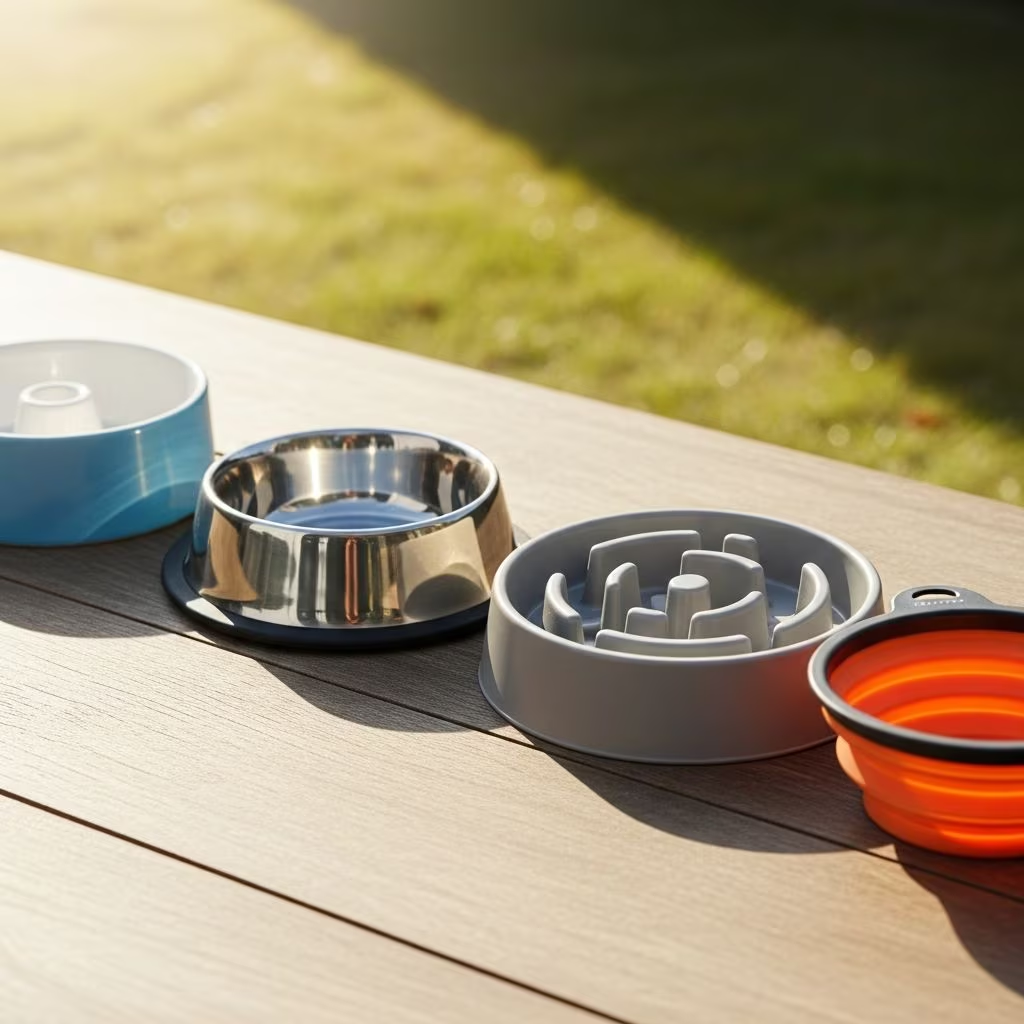
Selecting the right feeding bowl can significantly impact your dog’s health, eating habits, and overall comfort. With numerous options available, understanding the types, materials, and features helps ensure mealtimes are safe and enjoyable. This guide covers everything from basic designs to specialized feeders, helping you choose based on your dog’s size, breed, and needs.
Why the Right Bowl Matters for Your Dog
Feeding bowls influence digestion, posture, and hygiene. Poor choices can lead to rapid eating, spills, or bacterial buildup, while ideal ones promote slower consumption and easier cleaning. Factors like your dog’s age, size, and health conditions guide the best selection.
Key Materials for Durable and Safe Dog Bowls
Materials determine longevity, cleanliness, and safety. Here’s a breakdown of popular choices:
- Stainless Steel: Top recommendation for everyday use due to its non-porous surface that resists bacteria and rust. Food-grade 304 or 18/8 steel withstands drops, dishwashers, and chewing without cracking.
- Ceramic: Stylish and inert, ideal for home where weight isn’t an issue. Heavy bases prevent tipping, but it’s breakable if dropped.
- Glass: Excellent hygiene with no odor absorption, though fragile. Best for calm eaters.
- Silicone: Flexible, portable, and spill-resistant, perfect for travel. Collapsible designs save space.
- Plastic: Lightweight and affordable, but avoid non-BPA-free versions as they can harbor bacteria and cause chin acne. Opt for heavier models to reduce sliding.
| Material | Pros | Cons | Best For |
|---|---|---|---|
| Stainless Steel | Durable, hygienic, dishwasher-safe | Noisy, can dent | Daily use, active dogs |
| Ceramic | Stylish, stable, non-porous | Breakable, heavy | Home feeding, small dogs |
| Glass | Clean, odor-free | Fragile | Calm eaters |
| Silicone | Portable, flexible | Less durable long-term | Travel, puppies |
| Plastic | Cheap, light | Bacteria risk, scratches | Budget, temporary |
Standard and Basic Feeding Bowls
Classic round bowls with flat bottoms form the foundation of most feeding routines. Available in various sizes, they suit general use. Choose shallow ones for flat-faced breeds like Pugs to ease access, and deeper for long-nosed dogs. Stainless steel classics with rubber bases prevent sliding and noise.
Elevated and Angled Bowls for Comfort
These raise food to neck level, reducing strain on joints and back—beneficial for seniors, large breeds, or those with arthritis. Adjustable heights (3-6 inches for medium dogs) promote natural posture and may aid acid reflux by easing swallowing. Angled designs tilt food forward, ideal for brachycephalic breeds, minimizing spills and neck twisting. Consult a vet, as some studies link elevation to bloat risk in deep-chested breeds.
Slow Feeders and Puzzle Bowls to Prevent Gorging
Fast eaters risk vomiting or bloat; these bowls feature ridges, mazes, or obstacles to extend meals. They engage the brain, reducing boredom and overeating. Perfect for food-motivated or high-energy dogs.
Spill-Proof and Mess-Minimizing Designs
Non-slip bases, raised edges, or honeycomb patterns keep kibble contained. Great for playful puppies, messy eaters, or multi-pet homes.
Portable and Travel-Friendly Options
Collapsible silicone or lightweight plastic bowls pack easily for hikes or trips. Look for attachable lids to store uneaten food hygienically.
Automated and Timed Feeders for Convenience
These dispense portions on schedules, ideal for busy owners or multiple meals. Some include slow-feed mechanisms. Ensure battery reliability and portion accuracy.
Sizing Your Dog’s Bowl Perfectly
Match capacity to daily intake: 1-2 cups for small dogs (<20 lbs), 2-4 cups for medium (20-50 lbs), larger for big breeds. Measure shoulder height for elevation: bowl lip at chest level. Test stability by filling with water.
- Small breeds: Ground-level, shallow bowls.
- Medium: 3-6″ elevation.
- Large/Giant: 6-12″ stands, wide diameters.
Health and Safety Considerations
Hygiene tops the list—non-porous materials prevent bacterial hideouts. Avoid plastic scratches that trap germs, potentially causing allergies or acne. Slow feeding cuts GDV risk by 50% in prone breeds per veterinary insights. Monitor for chin irritation from rough edges.
Maintenance and Cleaning Tips
Wash daily with hot soapy water or dishwasher-safe models. Inspect for dents/cracks quarterly. Rubber bases detach for thorough cleaning. Sanitize weekly with vinegar solution for odor control.
Top Picks by Dog Profile
- Puppies: Spill-resistant plastic or silicone for teething.
- Seniors: Elevated ceramic for joint relief.
- Fast Eaters: Stainless puzzle feeders.
- Travelers: Collapsible silicone sets.
- Large Breeds: Heavy stainless with wide base.
Frequently Asked Questions (FAQs)
Are elevated bowls safe for all dogs?
Not always; deep-chested breeds like Great Danes may face higher bloat risk. Vet approval recommended.
What’s the healthiest bowl material?
Stainless steel for its durability and bacteria resistance.
How often should I replace dog bowls?
Every 2-3 years or sooner if damaged. Plastic yearly due to wear.
Do slow feeders work for wet food?
Yes, but choose wide-ridge designs to avoid clumping.
Can bowls cause allergies?
Scratched plastic can harbor allergens; switch to metal or ceramic.
Final Thoughts on Enhancing Mealtimes
Investing in the right bowl tailored to your dog’s lifestyle boosts well-being. Prioritize stainless steel for reliability, add slow-feed or elevation as needed, and maintain rigorously for peak health.
References
- 7 Different Types of Dog Bowls and What They Do for Your Dog’s Diet — PrideBites. 2023. https://pridebites.com/blogs/barking-post-blog/7-different-types-of-dog-bowls-and-what-they-do-for-your-dog-s-diet
- Dog Bowl: Materials, Sizes, Shapes, and Designs Explained — Good Dog People. 2024. https://gooddogpeople.com/blogs/dog-talk/pet-bowl-materials-sizes-shapes-and-designs-explained
- The Ultimate Guide to Choosing the Perfect Dog Food Bowl — Barney’s Ranch. 2023. https://www.barneysranch.com/the-perfect-dog-food-bowl/
- Choosing the Right Dog Bowl for Your Dog — American Kennel Club (AKC). 2024-03-15. https://www.akc.org/expert-advice/nutrition/choosing-right-dog-bowl/
- Your Guide to the Best Dog Bowls and Feeders for Every Pup — Chewy. 2025. https://www.chewy.com/education/dog/food-and-nutrition/your-guide-to-the-best-dog-bowls-and-feeders-for-every-pup
- PLASTIC, CERAMIC, OR METAL? CHOOSING THE BEST BOWL FOR YOUR PET — Calvin and Susie. 2014-04-11. https://www.calvinandsusie.com/single-post/2014/04/11/plastic-ceramic-or-metal-choosing-the-best-bowl-for-your-pet



