Ultimate Guide to Cichlid Aquarium Setup
Master the art of creating a thriving cichlid habitat with expert tips on tanks, filtration, rocks, water chemistry, and stocking strategies for vibrant aquatic displays.
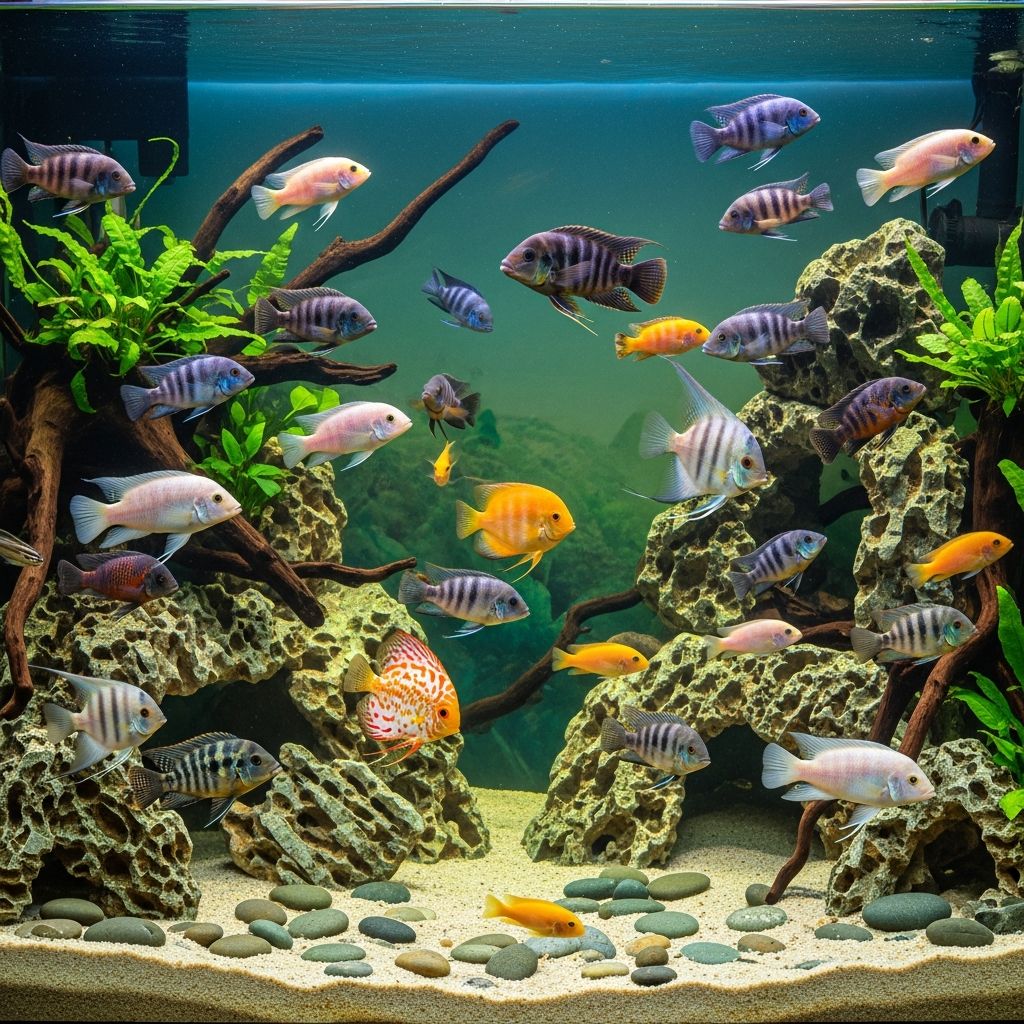
Cichlids are among the most captivating freshwater fish, renowned for their bold colors, dynamic behaviors, and intelligence. Originating from rift lakes in Africa like Tanganyika, Malawi, and Victoria, as well as South American rivers, these fish demand specific conditions to flourish. Setting up a dedicated cichlid aquarium involves careful planning to replicate their natural environments, ensuring stability and reducing aggression. This comprehensive guide walks you through every phase, from selecting the right equipment to introducing fish, helping you create a low-maintenance, visually striking display.
Selecting the Ideal Tank Size and Stand
The foundation of any successful cichlid setup begins with an appropriately sized aquarium. Cichlids, particularly African varieties like Mbuna or Tanganyikan species, are active swimmers and territorial, requiring ample space to establish hierarchies and reduce stress. A minimum of 55 gallons is recommended for smaller groups, but 75 gallons or larger—such as a 4-foot-long tank—is ideal for most setups to accommodate growth and multiple specimens. Larger volumes, like 240 liters (about 63 gallons), provide stability for water chemistry and room for rock structures that mimic lake shores.
Position the tank on a sturdy stand capable of supporting over 800 pounds when filled, accounting for water, substrate, rocks, and equipment. Level the stand on a solid floor to prevent stress fractures. Opt for a tank with a glass top or hinged lid to minimize evaporation, retain heat, and prevent jumpers from escaping while allowing light penetration for any plants.
Choosing and Preparing the Perfect Substrate
Substrate choice is critical for cichlids, as many species sift through it for food, influencing water parameters and aesthetics. Fine sand, such as silver or black varieties, suits most African cichlids, enabling natural digging without injury. For lakes like Tanganyika or Malawi, which have alkaline, hard water, use crushed coral or aragonite-based substrates like Seachem Gray Coast to buffer pH naturally, preventing acidic swings in soft tap water.
- Rinse thoroughly: Soak and rinse substrate multiple times to remove dust, avoiding cloudy water for days.
- Layer thinly: A 1-2 inch layer prevents anaerobic pockets and facilitates vacuuming.
- Alternatives for South American cichlids: Coarser sands or gravels work for species like Geophagus that sift aggressively.
Spread evenly, sloping slightly toward the front for a natural beach effect, enhancing the visual depth.
Building Stunning Rockwork and Hardscape
Rock formations are the hallmark of cichlid tanks, providing territories, hiding spots, and spawning sites while recreating rift lake biotopes. Use limestone, lava rock, or African-specific stones for authenticity and stability. Stack securely to form caves, overhangs, and shelves—position taller structures at the back-right using the rule of thirds for focal points.
| Rock Type | Best For | Benefits |
|---|---|---|
| Limestone | Tanganyikan/Malawian | Buffers water, natural patina |
| Lava Rock | All cichlids | Porous for biofiltration, lightweight |
| Seiryu Stone | South American | Dramatic shapes, pH neutral |
Secure stacks with aquarium-safe silicone if needed. Add backgrounds like textured panels for depth, simulating rocky cliffs. Leave open swimming lanes in the front for males to display.
Essential Filtration and Equipment Essentials
Robust filtration is non-negotiable due to cichlids’ messy eating habits and waste production. Sponge filters offer biological simplicity and gentleness for fry, ideal for beginners—prime them in an established tank for instant cycling. For larger setups, canister filters or overflows handle high bioloads effectively.
- Heater: Maintain 76-82°F (24-28°C); submersible models with guards prevent burns.
- Lighting: Moderate LED or T5 tubes mimicking deep-water blues for Tanganyikans; adjustable spectra promote algae growth for herbivores.
- Wavemakers: Optional powerheads simulate lake currents, enhancing oxygenation and deterring algae.
- Air pumps: For sponge filters, ensuring gentle flow.
Cycle the tank for 4-6 weeks using mature media to establish beneficial bacteria before adding fish.
Maintaining Optimal Water Chemistry
African cichlids thrive in hard, alkaline water: pH 7.8-8.6, GH 12-20 dGH, KH 8-12. Test regularly with reliable kits. Dechlorinate tap water and match parameters gradually. Crushed coral in filters or substrates stabilizes chemistry over time. Perform 20-30% weekly water changes to control nitrates below 20 ppm. South American species prefer softer, acidic conditions (pH 6.5-7.5), so tailor accordingly.
Incorporating Plants for Enhanced Habitats
While traditionally barren, plants like Vallisneria add line-of-sight breaks, reducing aggression in planted African cichlid tanks. Rooted in nutrient-poor substrates, they draw from tabs and liquid fertilizers. Use slate tiles to contain spread, creating swim-through meadows. Hardy options include Anubias on rocks or Java fern, resistant to uprooting.
Stocking Your Cichlid Community Wisely
Introduce fish gradually post-cycling. Quarantine newcomers. Stock ratios minimize aggression: 1 male per 3-4 females, overstock slightly for distraction. Start with hardy species.
| Lake/Type | Example Species | Tank Size Min. | Group Size |
|---|---|---|---|
| Tanganyika | Neolamprologus, Julidochromis | 55 gal | 8-12 |
| Malawi Mbuna | Pseudotropheus, Labidochromis | 75 gal | 12-15 |
| South American | Geophagus, Angelfish | 40 gal | 6-8 |
Acclimate via drip method over 1-2 hours. Feed high-quality pellets, spirulina for herbivores, avoiding overfeeding.
Daily and Long-Term Maintenance Routines
Success hinges on consistency. Vacuum substrate lightly weekly, test parameters bi-weekly, clean filters monthly without full disassembly. Monitor behavior: excessive fin-nipping signals overcrowding or poor hiding spots. Prune plants and remove debris promptly.
- Feed 1-2 times daily, what they eat in 2 minutes.
- Observe for diseases like ich; quarantine isolates.
- Upgrade lighting seasonally for algae control.
Frequently Asked Questions (FAQs)
Can cichlids live with other fish?
Limited compatibility; pair with similar-sized, hardy species from the same lake. Avoid fin-nippers or slow swimmers.
How often should I change water?
20-30% weekly, more for heavy stocking.
What if my pH drops?
Add crushed coral or use buffering substrates; perform small changes with conditioned water.
Are live rocks necessary?
No, but porous rocks boost biology.
How to breed cichlids?
Provide caves/shells; condition with live foods.
Cost Breakdown for a Beginner 75-Gallon Setup
| Item | Estimated Cost |
|---|---|
| Tank & Stand | $400-600 |
| Filtration & Heater | $150-250 |
| Substrate & Rocks | $100-200 |
| Lighting & Misc | $50-100 |
| Fish (initial stock) | $100-200 |
| Total | $800-1350 |
Budget varies by quality; prioritize filtration and rocks.
References
- How to set up a Tanganyikan cichlid aquarium — Practical Fishkeeping. 2023. https://www.practicalfishkeeping.co.uk/features/how-to-set-up-a-tanganyikan-cichlid-aquarium/
- How to Set Up an Easy Planted Tank for African Cichlids — Aquarium Co-Op. 2023. https://www.aquariumcoop.com/blogs/aquarium/how-to-set-up-an-easy-planted-tank-for-african-cichlids
- How To Set Up A Tank For Cichlids — Tetra Fish (official company page). 2024. https://www.tetra-fish.com/learning-center/getting-started/how-to-set-up-a-tank-for-cichlids
Similar Articles







Read full bio of Sneha Tete