
Ultimate Guide to Selecting Cat Litter Boxes
Discover expert tips on size, style, and setup to pick the perfect litter box that keeps your cat happy and your home clean.
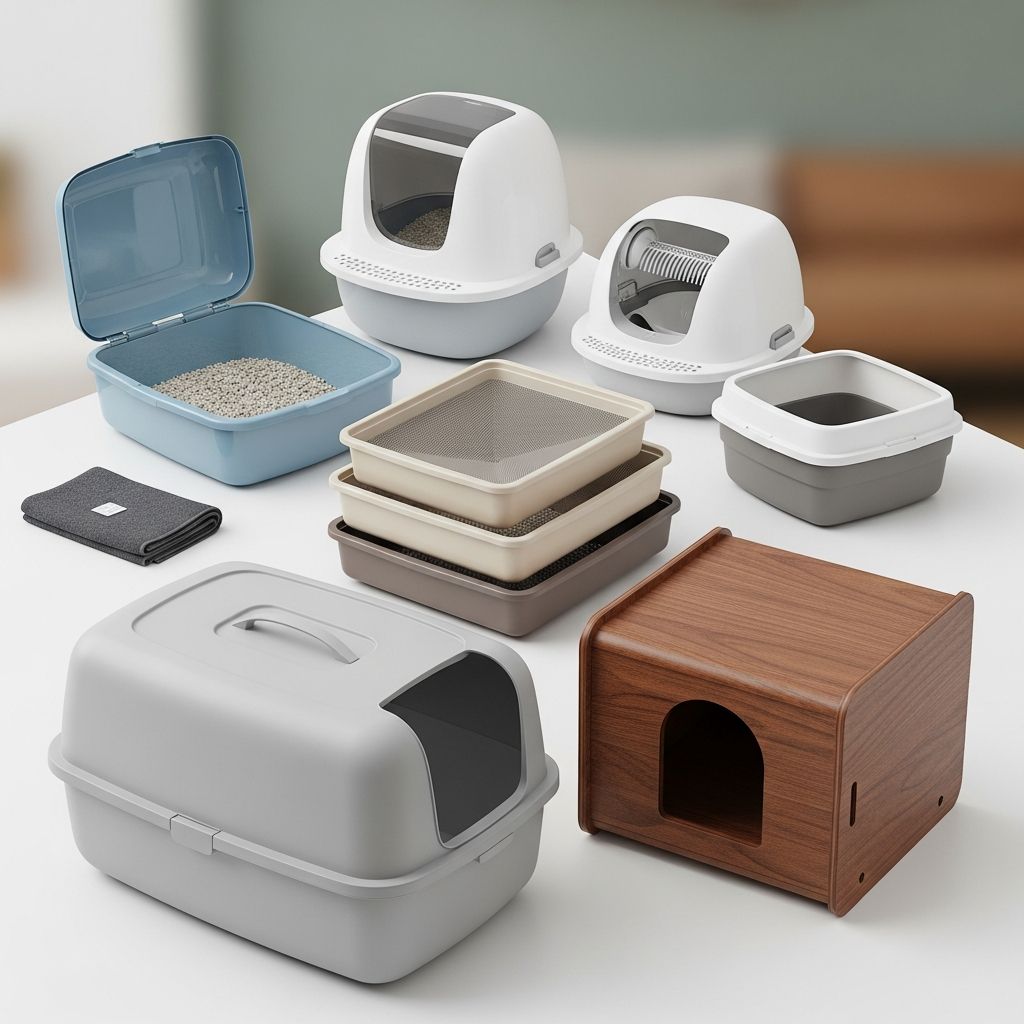
Choosing the right litter box is essential for your cat’s comfort and hygiene, directly impacting their willingness to use it consistently. Experts recommend selecting a box at least 1.5 times your cat’s length from nose to tail base to allow full movement during elimination. This guide explores key factors like dimensions, designs, materials, special needs, optimal placement, litter options, and upkeep strategies.
Why Litter Box Selection Matters for Feline Health
A properly chosen litter box prevents house-soiling issues, reduces stress, and supports natural behaviors like digging and covering waste. Inadequate size or design often leads to avoidance, with studies showing cats prefer spacious boxes even beyond standard recommendations. For multi-cat households, insufficient boxes can spark territorial conflicts, increasing accident risks.
Determining the Perfect Size for Your Cat
**Size is the top priority.** Measure your cat’s length from nose tip to tail base; the box should be 1.5 times that for turning, digging, and covering without touching sides. Standard store boxes are often too small for average adults.
- Average adult cat (9-10 inches long) needs a box at least 22-24 inches long.
- Large breeds like Maine Coons require extra-large or storage bin conversions.
- Kittens and seniors benefit from shallower sides (2.5-3.5 inches high) for easy access.
Use plastic storage bins for oversized options: cut a low entry if sides are high. Bigger boxes promote hygiene by keeping paws clean from prior waste.
Exploring Popular Litter Box Designs
Cats have preferences varying by personality; observe yours to decide.
| Design Type | Pros | Cons | Best For |
|---|---|---|---|
| Open/Uncapped | Spacious feel, easy entry, less confining | More tracking, visible mess | Nervous cats, kittens, multi-cat homes |
| Covered/Hooded | Privacy, odor containment, less scatter | May feel trapping, harder to clean | Bashful cats, high-traffic areas |
| Top-Entry | Reduces tracking, contains spray | Requires jumping, not for all ages | Active cats, litter kickers |
| Automatic/Self-Cleaning | Minimal effort, odor control | Noisy, expensive, some cats scared | Busy owners, if cat adapts |
Test designs gradually; ensure covered/top-entry openings suit your cat’s size.
Material Choices: Durability Meets Functionality
Box material affects longevity, cleaning, and odor retention.
- Plastic: Affordable, lightweight, but scratches harbor bacteria.
- Stainless Steel: Odor-resistant, durable, easy-wipe.
- Porcelain/Ceramic: Stylish, non-porous, heavy and breakable.
High-sided models contain scatter; pair with mats. Avoid liners if your cat rejects them.
Tailoring to Age, Health, and Household Dynamics
For Kittens
Low sides (3 inches max) prevent climbing struggles; transition to larger as they grow.
For Seniors or Arthritic Cats
Choose shallow, ramped, or open boxes for mobility; avoid high jumps.
Multi-Cat Homes
Rule: One box per cat + one extra, spread across floors. Larger shared boxes reduce competition.
Special Health Needs
Cats with urinary issues need low-entry; monitor for pain signals prompting avoidance.
Strategic Placement for Success
Location influences usage profoundly.
- Quiet, low-traffic spots with escape views.
- One per level, away from food/water.
- Avoid loud appliances or enclosed corners.
Privacy encourages natural instincts while accessibility prevents reluctance.
Pairing with the Right Litter Type
Litter complements the box; fill to 2-3 inches depth.
| Litter Type | Absorbency | Dust/Tracking | Eco-Friendly | Notes |
|---|---|---|---|---|
| Clumping Clay | High | Medium dust | No | Popular, affordable; unscented preferred |
| Silica Gel | Excellent | Low tracking | No | Hypoallergenic, odor control |
| Pine/Wood | Good | Low dust | Yes | Biodegradable; some cats dislike texture |
| Non-Clumping | Medium | High tracking | Varies | Cheaper, but messier cleanup |
Start unscented clay; switch if rejected. Low-dust for respiratory health.
Maintenance Routines to Keep Cats Coming Back
Cleanliness is non-negotiable.
- Daily: Scoop fully.
- Weekly: Empty, wash with mild soap (no scents).
- Use deodorizers sparingly; fresh litter trumps additives.
Mats trap tracking; high sides minimize scatter. Trial periods help refine setups.
Frequently Asked Questions (FAQs)
What if my cat stops using the litter box?
Check size, cleanliness, location, or health issues like UTIs; consult a vet.
How many litter boxes for two cats?
Three total, ideally in separate areas.
Can I use a storage bin as a litter box?
Yes, excellent for large cats; modify entry.
Are covered boxes better?
Depends on cat; many prefer open for space.
Best litter for odor control?
Silica or clumping clay excels.
Final Thoughts on Creating a Cat-Friendly Setup
Observe your cat’s habits and iterate; the right box fosters harmony. Prioritize size, accessibility, and routine care for lasting success.
References
- Here are some general rules when selecting a litter box for your cat — Boise Cat Clinic. Accessed 2026. https://boisecatclinic.com/here-are-some-general-rules-when-selecting-a-litter-box-for-your-cat/
- How to Choose the Perfect Litter Box in 2025 — Furrbby. 2025. https://www.furrbby.com/blogs/blogs/how-to-choose-the-perfect-litter-box-in-2025
- How to Choose the Best Litter Box for Your Cat — Cat in a Flat. 2023-02-10. https://catinaflat.com/blog/how-to-choose-the-best-litter-box
- Choosing the Right Litter Box for Your Cat — Fresh Step. Accessed 2026. https://www.freshstep.com/cat-care/choosing-the-best-cat-litter-box/
- Choosing the Right Litterbox for Your Cat — CattleDog Publishing. Accessed 2026. https://cattledogpublishing.com/blog/choosing-the-right-litterbox-for-your-cat/
- Where & How to Set Up a Litter Box — Arm & Hammer. Accessed 2026. https://www.armandhammer.com/en/articles/how-to-setup-litter-box
- How to Choose a Healthy Litter and Cat Litter Box — Mud Bay. Accessed 2026. https://blog.mudbay.com/cat-litter/choose-healthy-litter-and-cat-litter-box/
Similar Articles








Read full bio of medha deb




