

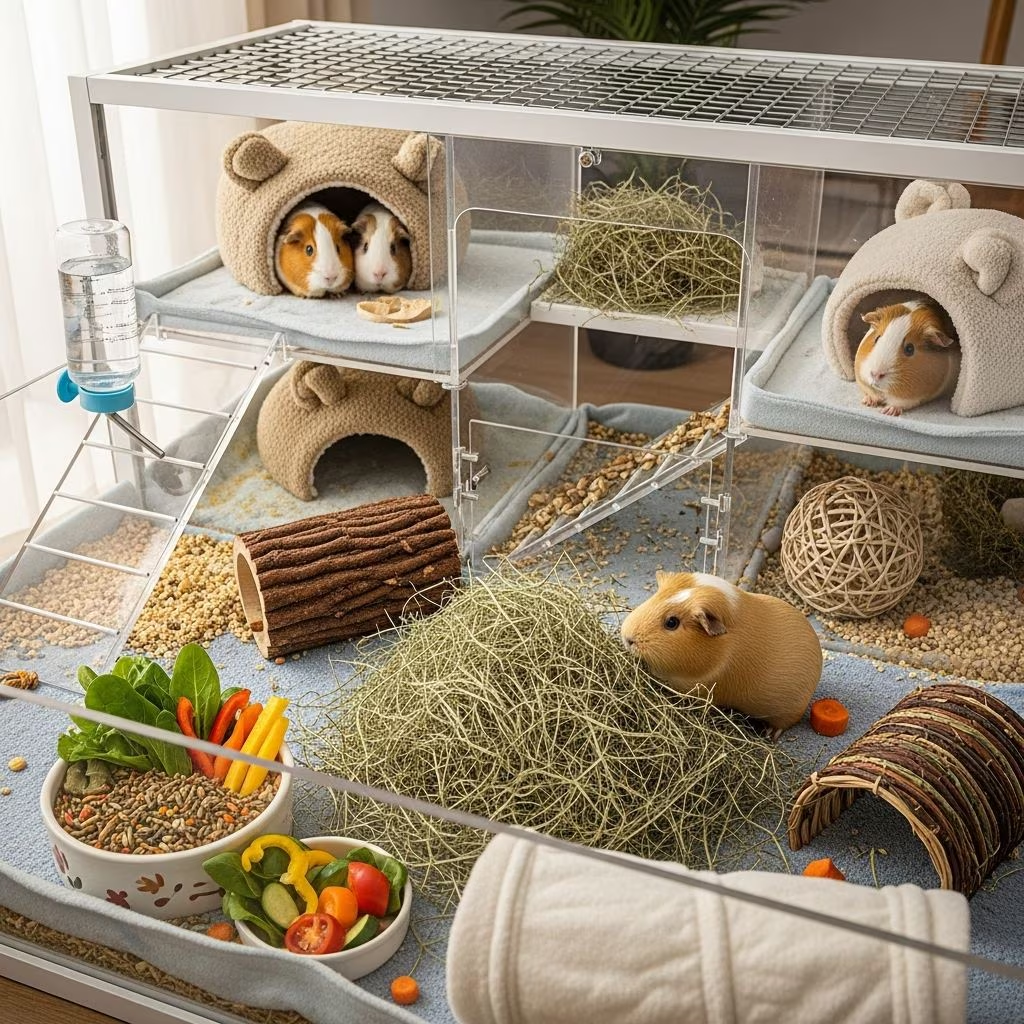
The Ultimate Guide to Housing for Guinea Pigs
Guinea pigs are beloved small pets that require thoughtful care and attention to thrive. One of the most critical aspects of guinea pig care is providing appropriate housing that meets their physical and psychological needs. Whether you’re a new guinea pig owner or looking to upgrade your current setup, understanding the fundamentals of guinea pig housing will help ensure your furry friends live a healthy, happy life.
Understanding Guinea Pig Housing Basics
Guinea pigs are social, active rodents that need more space than many people realize. These adorable creatures spend most of their time on the ground level, exploring, foraging, and interacting with their environment. Unlike hamsters or gerbils that utilize vertical space through climbing and jumping, guinea pigs rely primarily on horizontal floor space to exercise and move around comfortably. This fundamental difference makes understanding proper housing dimensions essential for any guinea pig owner.
Guinea pigs do best in single-level enclosures positioned on the ground. Multi-level cages pose a significant injury risk, as guinea pigs may fall off elevated platforms and sustain serious harm. When setting up your guinea pig’s home, prioritize a flat, ground-level design that allows your pets to move freely without the danger of falling or getting injured.
Choosing the Right Cage Type
Several cage options are available for housing guinea pigs, each with distinct advantages and considerations.
Traditional Wire and Plastic Cages
Most commercial guinea pig cages feature wire or plastic sides, providing visibility and ventilation. These ready-made enclosures are convenient and readily available from pet retailers. However, it’s crucial to ensure that whichever cage you select meets minimum size requirements and has appropriate flooring.
C&C Cages
Many guinea pig enthusiasts and rescue organizations recommend C&C cages, which are DIY enclosures constructed from cubes (grids) and coroplast (a corrugated plastic base). This modular system allows you to customize the size and configuration to perfectly fit your space and accommodate your guinea pig’s needs. C&C cages are often more spacious than traditional cages and provide excellent value for money.
Flooring Considerations
Regardless of the cage type you choose, your guinea pig’s living space must have a flat bottom made of plastic or metal that’s covered and padded. Guinea pigs should never be placed on wire flooring, as this can cause discomfort and lead to a painful condition called bumblefoot. Wire floors are unnatural for guinea pigs and can cause foot problems and injury.
Unsuitable Housing Options
Certain housing options should be avoided entirely. Plastic tubs, glass aquariums, and cages with wire floors are not acceptable for guinea pig housing. These options either lack proper ventilation, don’t provide adequate space, or can harm your guinea pig’s delicate feet. Additionally, glass aquariums can trap heat and create unhealthy humidity levels.
Determining Adequate Space
Space is one of the most important factors in guinea pig housing, yet many commercial cages fall short of recommended guidelines. Guinea pigs are one of the largest rodents kept as pets, yet their typical cages are often only marginally roomier than housing designed for much smaller animals. Providing adequate space is fundamental to your guinea pig’s physical and mental well-being.
Minimum Space Requirements
The following guidelines represent minimum space requirements, though larger enclosures are always preferable:
– One guinea pig: 7.5 square feet (approximately 30 by 36 inches) is the bare minimum, though bigger is always better. Keep in mind that guinea pigs are highly social animals, so having at least two guinea pigs is recommended when possible.- Two guinea pigs: 7.5 square feet minimum, but at least 10.5 square feet (30″ x 50″) is preferred.- Three guinea pigs: 10.5 square feet minimum, but at least 13 square feet (30″ x 62″) is preferred.- Four guinea pigs: 13 square feet minimum, but at least 30 by 76 inches is preferred.
These dimensions should include both shelter areas and open living space where guinea pigs can roam, explore, and exercise naturally.
Why Bigger Is Better
Larger enclosures provide numerous benefits that significantly impact your guinea pig’s quality of life. Adequate floor space is one of the most basic forms of enrichment you can provide. Guinea pigs can live 5 to 7 years, and without sufficient space and stimulation, they may become bored and depressed. Imagine spending your entire life in a small confined space; even with occasional breaks outside, life would feel quite restricted and unnatural.
With more spacious enclosures, guinea pigs can exercise on their own schedule rather than relying on your availability for playtime. Guinea pigs tend to be most active during morning and evening hours when you might not be available for supervised play sessions. A roomier enclosure ensures your pets can stay active and healthy around the clock.
Environmental Conditions and Placement
Beyond size and cage type, creating the right environmental conditions is crucial for guinea pig health and happiness.
Temperature Regulation
The ideal temperature range for guinea pigs is approximately 65 to 75 degrees Fahrenheit (or 17–20 degrees Celsius). Guinea pigs cannot sweat when they become too warm and are particularly susceptible to heat stroke, which can be life-threatening. Position your guinea pig’s housing away from strong heat sources such as direct sunlight, wood stoves, fireplaces, and heating vents.
Similarly, avoid placing your guinea pig’s cage in unheated rooms, breezeways, garages, or other chilly locations where temperatures drop significantly. Guinea pigs don’t cope well with large temperature fluctuations, so maintain consistent, moderate temperatures year-round.
Humidity and Ventilation
Good ventilation is essential for maintaining a healthy guinea pig habitat. Your enclosure must have adequate air circulation to prevent the buildup of ammonia from urine and to maintain healthy humidity levels. Guinea pigs don’t do well under humid conditions, as dampness promotes mold growth in hay and bedding, making them more prone to respiratory illnesses.
Drafts and Air Flow
Place cages in draft-free areas, away from doors, windows, and other sources of cold air. An elevated surface can help protect against drafts. However, position the cage where your guinea pigs can observe family activity, as these social animals benefit from being near household action and receiving more attention when they’re easy to see and hear.
Noise Considerations
Guinea pigs have very sensitive hearing, and sudden loud noises can cause them stress. Avoid placing cages next to stereos, televisions, or other sources of loud noise. Your pets should be situated in a relatively quiet location where they can observe family life without being overwhelmed by excessive sound.
Bedding Selection and Maintenance
The bedding you choose directly impacts your guinea pig’s health and comfort.
Recommended Bedding Materials
Use bedding made from paper-based materials. Paper bedding is soft, absorbent, and safe for your guinea pig’s respiratory system. Provide 2 to 3 inches of bedding throughout the enclosure to maximize absorption and comfort.
Bedding to Avoid
Cedar and pine shavings are NOT recommended for guinea pigs. Both contain aromatic oils and chemicals that can irritate a guinea pig’s sensitive respiratory system. Especially when soiled, these wood shavings produce fumes that can cause respiratory distress and foot problems. Stick exclusively with paper-based bedding to keep your guinea pigs safe and healthy.
Essential Housing Furnishings and Enrichment
Beyond the basic cage structure, your guinea pig’s home should include several important furnishings and enrichment items.
Sleeping and Shelter Areas
Guinea pigs need designated shelter areas where they feel safe and protected. Provide guinea pig nest boxes or hideaways where your pets can retreat when they want privacy and security. Choose wooden boxes rather than plastic, which can overheat in warm weather. Having one hideaway for each guinea pig, plus a couple of spares, ensures everyone has sufficient choice and doesn’t feel forced to share.
Food and Water Containers
Use a gnaw-proof ceramic bowl for feed to prevent your guinea pigs from accidentally frightening themselves by knocking over lighter containers. Provide a water bottle with a solid sipper tube, firmly attached to their accommodation. Check water bottles regularly to ensure they function properly and your guinea pigs have consistent access to fresh water.
Hay and Foraging Opportunities
Stock your guinea pig’s enclosure with plenty of tasty hay. This allows for natural tunneling behavior and ensures your pets receive adequate fiber in their diet. Hay also provides enrichment as guinea pigs naturally forage and nest with it. Combine soft paper bedding with dust-extracted meadow hay for the ultimate combination of cleanliness and comfort.
Exercise and Play Spaces
While a spacious main enclosure is essential, guinea pigs also benefit from additional exercise areas.
Your guinea pig’s main housing should be permanently attached to or have regular access to a larger exercise space where they can move freely at any point during the day or night. This can be a guinea pig-proofed room indoors or a large run or playpen. Providing exercise space on your guinea pig’s schedule—not just during times convenient for you—ensures they get adequate physical activity for optimal health.
Regular playtime outside the main enclosure, at least once daily, allows guinea pigs to stretch their legs, explore new environments, and exercise naturally. This outside time is important for physical fitness, mental stimulation, and preventing boredom-related behavioral issues.
Health Benefits of Proper Housing
Providing adequate space and proper environmental conditions offers significant health benefits for your guinea pigs. Adequate room to exercise means your guinea pigs are less likely to develop medical conditions such as heart disease, diabetes, bumblefoot, and anal impaction. These conditions not only cause your pets pain and suffering but can also result in significant veterinary bills.
Larger digs increase the likelihood of peaceful coexistence among multiple guinea pigs. Since guinea pigs are social animals that do best when housed together, a spacious enclosure reduces territorial aggression and promotes positive social interactions.
Housing Multiple Guinea Pigs
Guinea pigs are highly social animals and should not be housed alone whenever possible. Compatible pairs or groups should be provided with appropriately sized enclosures that meet the space requirements outlined above. When housing multiple guinea pigs together, ensure you have separate toilet and sleeping areas, plenty of hideaways, and sufficient resources so each guinea pig can eat and rest comfortably.
Compatible guinea pigs living together benefit from companionship, social interaction, and enrichment that comes from living with other guinea pigs. However, always supervise introductions carefully and ensure guinea pigs are compatible before housing them together permanently.
Frequently Asked Questions About Guinea Pig Housing
Q: Can guinea pigs live in outdoor housing?
A: Yes, guinea pigs can be kept outdoors in appropriate housing. If keeping guinea pigs outside, their hutch should be sheltered from direct sun and wind, with adequate protection from predators. In temperatures below 15°C, guinea pigs should be moved indoors. Ensure outdoor housing is secure from predators and provides sufficient insulation and bedding for warmth.
Q: How often should I clean my guinea pig’s cage?
A: Daily spot-cleaning of soiled bedding and uneaten fresh food is essential. A complete cage cleaning with fresh bedding should occur at least once weekly, though more frequent cleaning may be necessary depending on cage size and number of guinea pigs. Cleanliness is crucial for preventing respiratory issues and maintaining overall health.
Q: Are guinea pigs safe in cages with ramps and multiple levels?
A: Guinea pigs do best in single-level enclosures on the ground. Multi-level cages pose injury risks as guinea pigs may fall. If ramps are present, they should be wide, not too steep, and guinea pigs should be comfortable using them. Many experts recommend avoiding multi-level housing altogether for safety.
Q: What should I avoid when setting up guinea pig housing?
A: Avoid wire flooring, cedar and pine bedding, glass aquariums, plastic tubs, cages without proper ventilation, locations near loud noise sources, areas with temperature extremes, and multi-level enclosures. Additionally, keep cages away from direct sunlight, heat sources, and drafty locations.
Q: Why do guinea pigs need hideaways in their enclosure?
A: Guinea pigs feel vulnerable in open spaces and prefer to stay in contact with solid surfaces. Hideaways provide a sense of security, a place to retreat when stressed, and an area for sleeping. Multiple hideaways ensure all guinea pigs in a group have adequate shelter options.
References
- Guinea Pig Housing Requirements and Bedding Options — Humane World. 2024. https://www.humaneworld.org/en/resources/guinea-pig-housing-requirements-and-bedding-options
- The Ideal Home for Your Guinea Pig — PDSA (People’s Dispensary for Sick Animals). 2024. https://www.pdsa.org.uk/pet-help-and-advice/looking-after-your-pet/small-pets/the-ideal-home-for-your-guinea-pig
- Creating a Good Home for Guinea Pigs — RSPCA (Royal Society for the Prevention of Cruelty to Animals). 2024. https://www.rspca.org.uk/adviceandwelfare/pets/rodents/guineapigs/environment
- Providing a Home for a Guinea Pig — Merck Veterinary Manual. 2024. https://www.merckvetmanual.com/all-other-pets/guinea-pigs/providing-a-home-for-a-guinea-pig
- A Guide to Guinea Pig Housing — Guinea Pig Alliance. 2024. https://guineapigalliance.com/guinea-pig-welfare/environment/a-guide-to-guinea-pig-housing/



