
Ultimate Guide to Fetch Toys for Dogs
Discover how to select safe, durable fetch toys that boost your dog's health, happiness, and bond with you through engaging play.
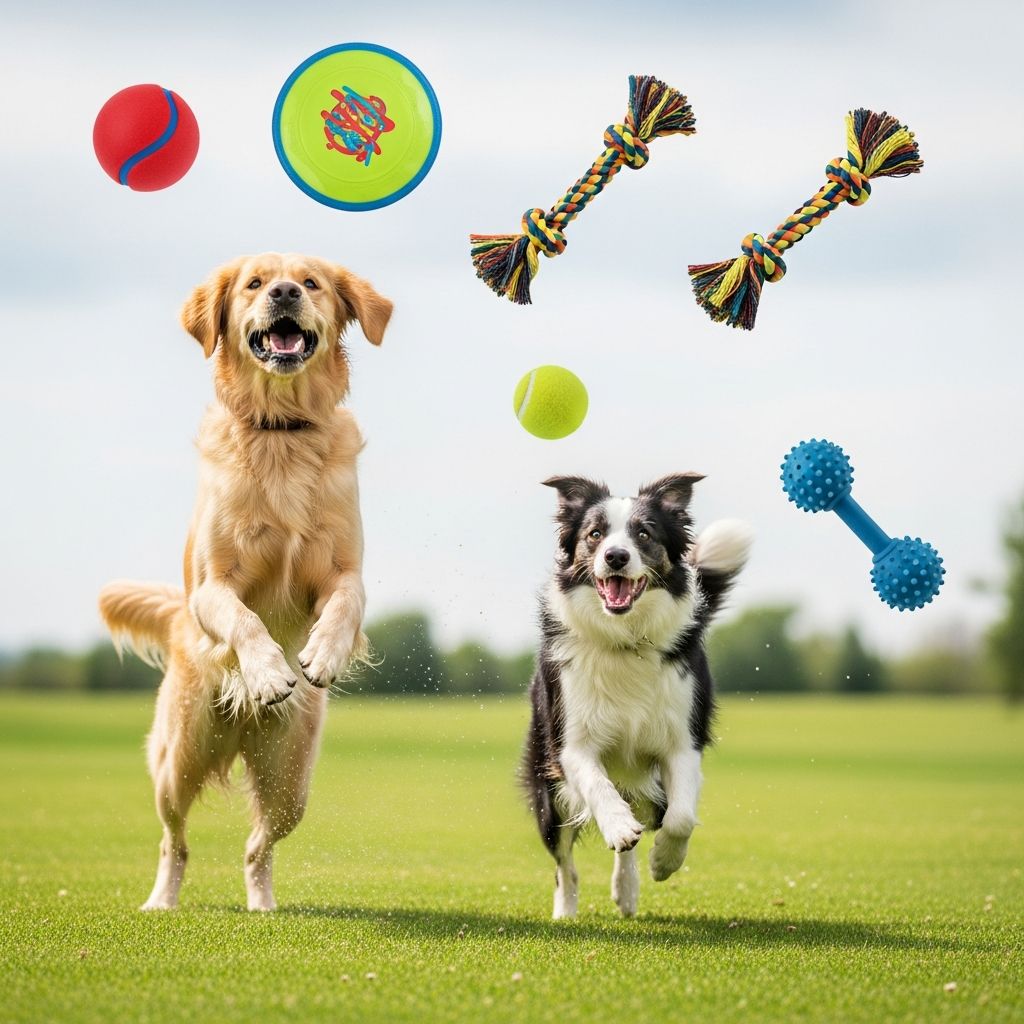
Selecting the right fetch toys transforms a simple game into a cornerstone of your dog’s physical fitness, mental sharpness, and emotional well-being. This guide dives deep into why fetch matters, how to match toys to your dog’s needs, essential safety considerations, and practical ways to elevate playtime for maximum enjoyment and health benefits.
Why Fetch Stands Out as Essential Dog Play
Fetch goes beyond mere entertainment; it taps into a dog’s primal instincts for chasing and retrieving, providing a structured outlet for energy that many pets crave. Regular sessions help maintain ideal weight by burning calories through sprints and jumps, while also promoting cardiovascular endurance and joint flexibility. Mentally, the game sharpens focus as dogs track flying objects, solve retrieval paths, and anticipate throws, reducing boredom-related issues like destructive chewing.
Interactive fetch strengthens the human-canine relationship, fostering trust and communication during cooperative play. It serves as a stress reliever, releasing endorphins that improve mood and sleep quality, particularly for high-energy breeds. Unlike solitary toys, fetch demands engagement, making it a bonding ritual that enhances overall behavior and obedience.
Key Benefits of Regular Fetch Routines
- Physical Conditioning: Sustained running builds muscle tone, supports heart health, and prevents obesity, extending lifespan.
- Mental Enrichment: Problem-solving during chases boosts cognitive function and curbs anxiety.
- Behavioral Boost: Channeling instincts reduces unwanted habits, promoting calmer home life.
- Bonding Power: Shared excitement deepens loyalty and responsiveness to cues.
- Stress Management: Play-induced endorphins alleviate tension, aiding better rest.
Assessing Your Dog’s Fetch Profile
Every dog fetches differently, so tailor choices to size, energy level, chewing strength, and play environment. Small breeds like Chihuahuas need lightweight, soft options to avoid injury, while giants like Great Danes require hefty, impact-resistant gear. High-drive herders (e.g., Border Collies) thrive on long-distance throws, whereas laid-back lap dogs prefer short, gentle tosses.
| Dog Type | Ideal Toy Traits | Example Scenarios |
|---|---|---|
| High-Energy Sprinters | High-bounce, visible, long-range | Large yards, athletic breeds |
| Gentle Retrievers | Soft-grip, low-impact | Apartments, seniors |
| Power Chewers | Durable rubber, reinforced | Bulldogs, Labs |
| Small or Puppy | Lightweight, non-choking | Indoors, tiny jaws |
Observe your dog’s preferences: Does it chase far or prefer close play? Test in safe spaces to refine selections.
Safety First: Hazards to Avoid in Fetch Toys
Prioritize non-toxic materials free of BPA, phthalates, and lead, especially for chewers. Tennis balls pose risks—fuzzy exteriors wear teeth enamel, and swallowed cores cause blockages; opt for pet-safe rubber alternatives. Ensure toys lack small parts that could choke, and inspect regularly for wear. Limit sessions to prevent overexertion, heatstroke, or repetitive strain injuries.
In water play, choose buoyant, quick-dry options. Supervise always, and match size to mouth to avoid gulping. High-visibility colors prevent loss and mishaps in grass or bushes.
Top Categories of Fetch Toys Explained
Balls: The Timeless Classic Evolved
Balls dominate fetch for their bounce and roll, but modern versions excel. High-bounce rubber spheres suit speedy chasers, offering erratic paths for excitement. Rope-loop designs aid no-bend pickups and multi-angle catches, pairing perfectly with launchers for arm-saving distance. Fluorescent or patterned balls enhance visibility outdoors.
Discs and Flyers: Aerial Adventure
Frisbee-style discs glide far, challenging agility and air-tracking skills. Soft-edged, flexible materials prevent gum cuts, ideal for catchers. Varied shapes like triangles add unpredictability, engaging problem-solvers.
Stick Mimics and Bumpers: Natural Instinct Toys
Rope tugs and foam bumpers replicate sticks without splinter risks, encouraging natural mouthing. Textured surfaces massage gums, and floats make them water-friendly.
Launchers and High-Tech Aids
Slingshots and automatic launchers extend throws up to 100+ yards, perfect for solo play or tired arms. Add variety with oscillating or random-angle models for mental challenges.
Matching Toys to Play Environments
Outdoors: Durable, visible, weather-resistant for grass, dirt, or beaches. High-bounce for fields; floats for water.
Indoors: Soft, quiet, low-bounce to protect floors and furniture.
Water Play: Buoyant, quick-draining with grippy textures.
Rotate toys weekly to sustain interest, introducing one new item amid favorites.
Training Your Dog for Fetch Mastery
Not all dogs retrieve instinctively—build the skill progressively. Start with two toys: toss one short, praise retrieval, then swap to encourage returns. Use high-value treats for “drop it” cues. For non-returners, practice “two-toy trades.” Sessions of 10-15 minutes, 2-3 times daily, yield quick results.
- Teach “sit-stay” before throws.
- Gradually increase distance.
- Ignore chasers; reward bring-backs only.
- Incorporate commands like “drop” with fun releases.
Maintenance and Longevity Tips
Wash toys weekly with pet-safe soap; air-dry fully. Trim frayed ropes promptly. Store out of sunlight to prevent fading. Replace when cracks appear to avert ingestion risks. Budget for multiples—losing one mid-game halts fun.
Common Fetch Challenges and Fixes
- Won’t Return: Use two toys; make returning rewarding.
- Chews Excessively: Choose indestructible materials; supervise.
- Boredom Sets In: Vary toys, terrains, or add tricks like weaves.
- Overexcitement: Shorten sessions; end on calm notes.
FAQs: Fetch Toy Essentials
Are tennis balls safe for dogs?
No— they erode teeth and risk choking. Choose vet-approved rubber balls.
How often should we play fetch?
20-30 minutes daily, split into sessions, adjusted for age and breed.
What if my dog ignores toys?
Build interest with scent-sprayed starters and positive reinforcement.
Best toys for aggressive chewers?
Thick rubber or nylon with no fill; test durability first.
Can fetch help with separation anxiety?
Yes, by tiring them out and associating play with your return.
Elevating Fetch into Enrichment Play
Infuse puzzles: Hide toys for scent hunts pre-throw. Teach tricks mid-game like “weave through legs.” Group play with other dogs adds social skills, but supervise. Track progress—happier, fitter dogs emerge from consistent routines.
References
- Battle of the Dog Ball Toys: Which is best for fetch? — Project Hive Pet Company. 2023. https://projecthivepetcompany.com/blogs/news/battle-of-the-dog-ball-toys-which-is-best-for-fetch
- Best Fetch Toys for Dogs: How to Choose the Right One — Petmate. 2024. https://www.petmate.com/blogs/petmate-academy/best-fetch-toys-for-dogs-how-to-choose-the-right-one
- A Guide to Using Chase & Fetch Dog Toys — Barc London. 2023. https://www.barclondon.com/blogs/product-guides/fetch-dog-toys
- The 7 Benefits of Interactive Fetch Play with Your Dog — Katie’s Bumpers. 2024. https://katiesbumpers.com/blogs/blog/the-7-benefits-of-interactive-fetch-play-with-your-dog
- Why Do Dogs Like Fetch? Unleash the Joy of the Chase — Spark Paws. 2023. https://www.sparkpaws.com/blogs/community/why-do-dogs-like-fetch
- FETCH! The good and the bad — Holiday Barn Pet Resorts. 2022. https://holidaybarn.com/blog/fetch-the-good-and-the-bad/
- The Benefits of Interactive Fetch Play with Your Dog — Tall Tails Dog. 2024. https://www.talltailsdog.com/blog/the-benefits-of-interactive-fetch-play-with-your-dog.html
- Why Do Dogs Fetch? — Wisconsin Pet Care. 2023. https://wisconsinpetcare.com/dogs-fetch-katelyn-schutz-cpdt/
Similar Articles








Read full bio of Sneha Tete




